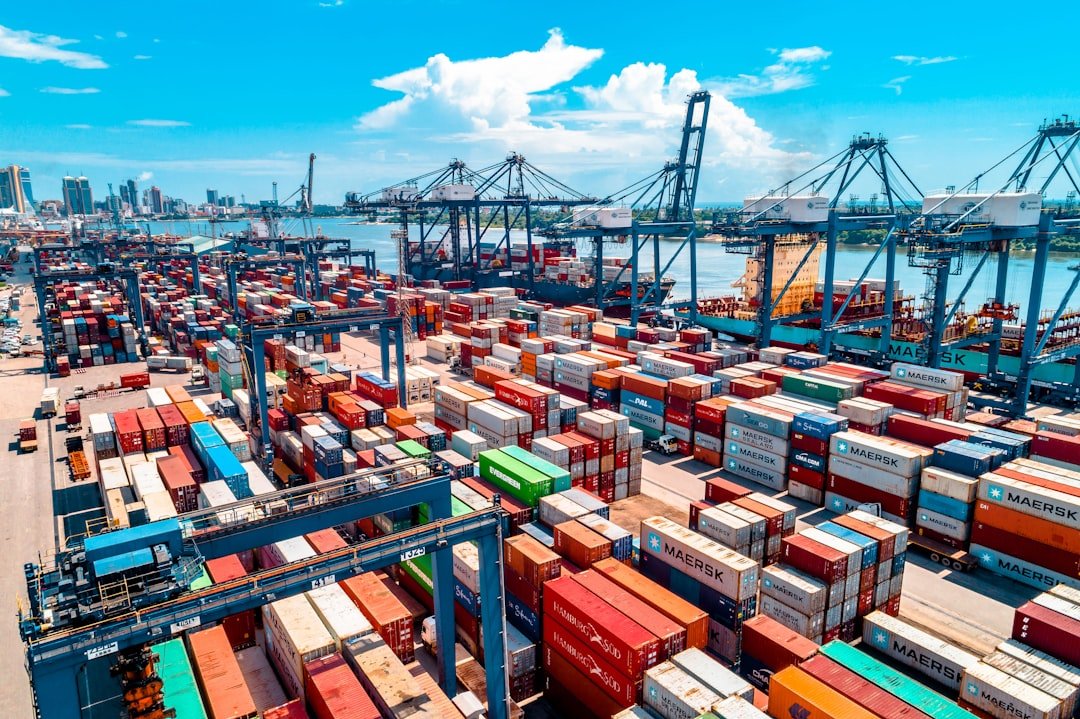
Pakistan and Oman have taken a concrete step toward formally linking Gwadar Port with Oman’s Sohar Port, after officials from both sides met in Karachi to discuss a “sister port” agreement, direct SalamAir flights between the two coastal cities, and fresh Omani investment in the Gwadar Free Zone.
The talks were held between Gwadar Port Authority (GPA) Chairman Noor-ul-Haq Baloch and Oman’s Consul General in Karachi, Engineer Sami Abdullah Salem Al Khinji. According to details reported by Dawn and regional outlets, both sides agreed to push the matter through their respective ministries and work toward finalising a Memorandum of Understanding (MoU) in the coming weeks.
A Sister-Port Idea Nearly Five Years in the Making
The proposal to twin Gwadar with Sohar is not new. It traces back to April 2021, when Oman’s then-transport minister first floated the idea of closer port-to-port cooperation. What changed this month is that the conversation has moved from an informal suggestion to an active push for a signed agreement, with both governments now naming specific sectors — shipping, aviation, and investment — where cooperation would take shape first.
A sister-port arrangement is a formal cooperation framework rather than a merger or shared ownership. In practice, it typically means the two ports commit to easier cargo transshipment, shared technical standards, staff training exchanges, and coordinated marketing to shipping lines — the kind of groundwork that can shorten the time and paperwork it takes to move goods between them.
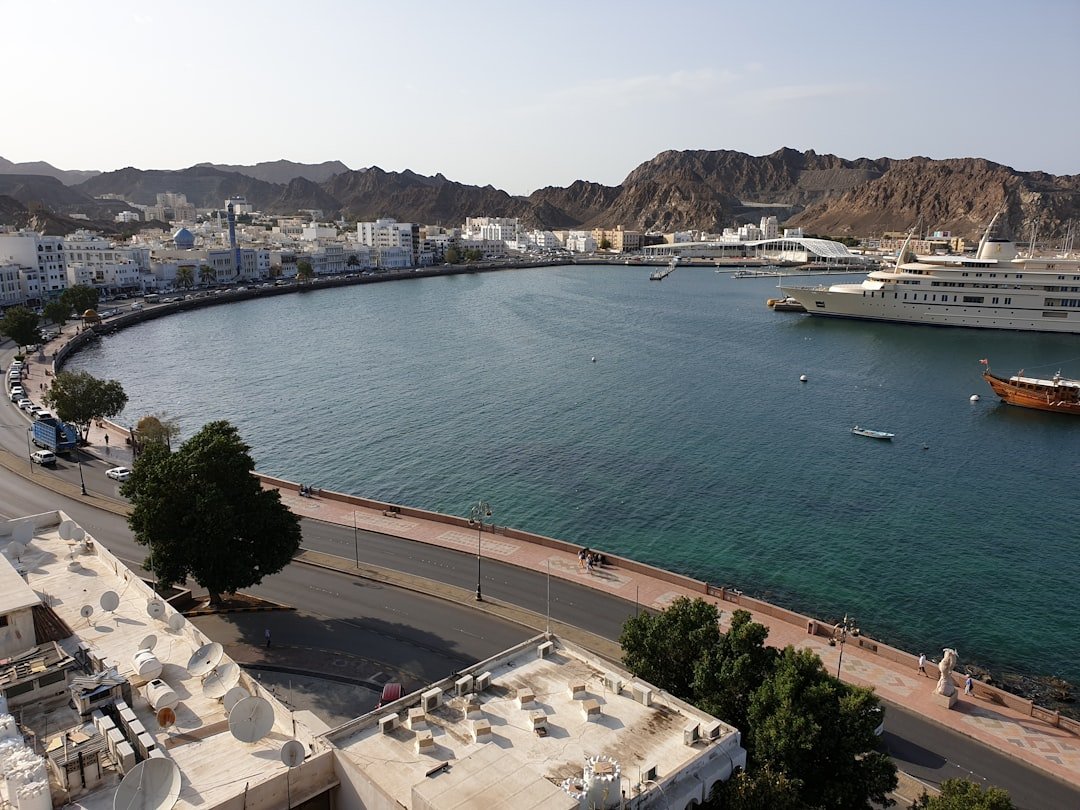
Image: Gilles Gravier / Unsplash
What a Direct Gwadar–Sohar Link Would Mean
Officials described the goal as establishing a direct port-to-port connection between Gwadar and Sohar to speed up shipping and cargo movement, cut transit times, and promote regional trade. Sohar, on Oman’s Batinah coast, is already one of the busiest industrial ports in the Gulf, handling bulk, container, and general cargo for markets across the Arabian Sea.
For Gwadar, a working relationship with an established Gulf port could offer a practical shortcut: access to Sohar’s existing shipping networks and expertise, rather than having to build every trade relationship from scratch. Officials on both sides framed the initiative as a way to link the China-Pakistan Economic Corridor (CPEC) more directly with Gulf and Central Asian markets, positioning Gwadar as a connecting node rather than an isolated terminus.
SalamAir Flights Could Add to Gwadar’s Growing Air Links
Alongside the port discussion, the two sides raised the possibility of direct flights between Gwadar and Oman operated by SalamAir, Oman’s low-cost carrier. The idea is to strengthen passenger and business travel links between the two coastal economies, complementing the cargo-focused port cooperation with people-to-people and business connectivity.
Any new international route would add to a Gwadar aviation sector that has already seen movement this month: South Air recently cut domestic airfares on Gwadar’s Karachi and Quetta routes by as much as Rs10,000, part of a broader push to make travel to and from the city more affordable as its airport and surrounding infrastructure develop.
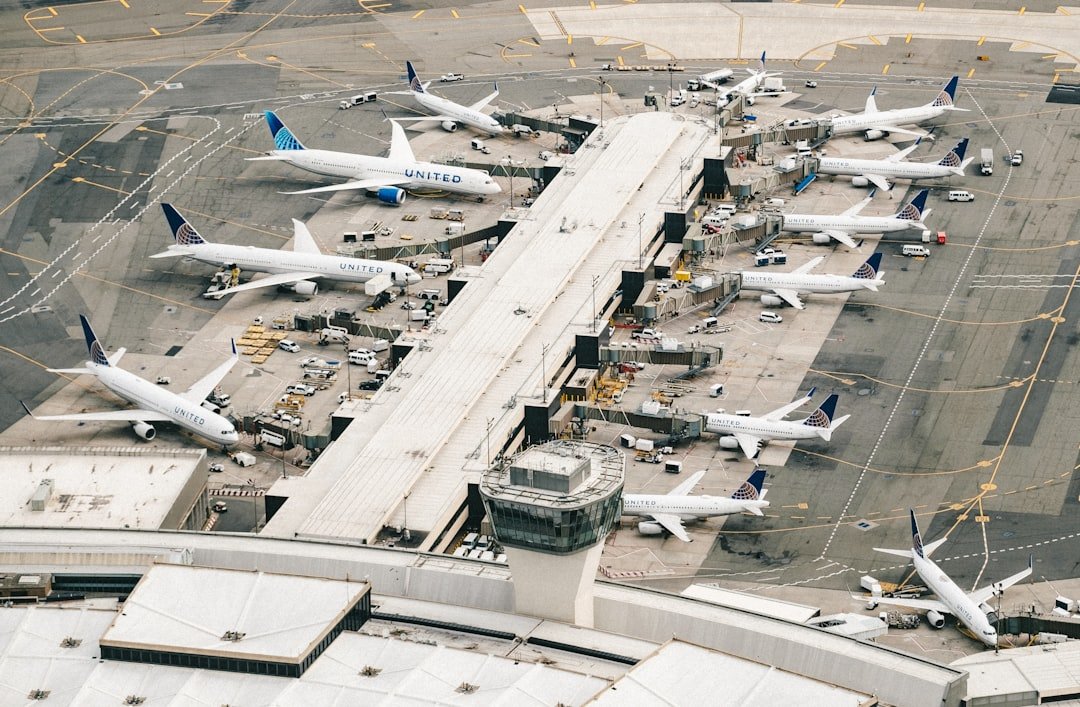
Image: Chris Leipelt / Unsplash
Oman Investment Eyed for the Gwadar Free Zone
The meeting also touched on Omani investment in the Gwadar Free Zone, with logistics, warehousing, and fisheries named as priority sectors. Technical cooperation was discussed as well, covering port management practices, dredging operations, digital port systems, and staff training exchanges between the two authorities.
Investment interest in Gwadar has been building on several fronts recently. Balochistan’s government has already approved a $14 billion gas terminal project for the city, and residential development is expanding through projects such as the Rs2.44 billion Fishermen Colony housing scheme. An Omani commitment to the Free Zone would add a Gulf investment track running alongside the energy and CPEC-linked projects already under discussion.
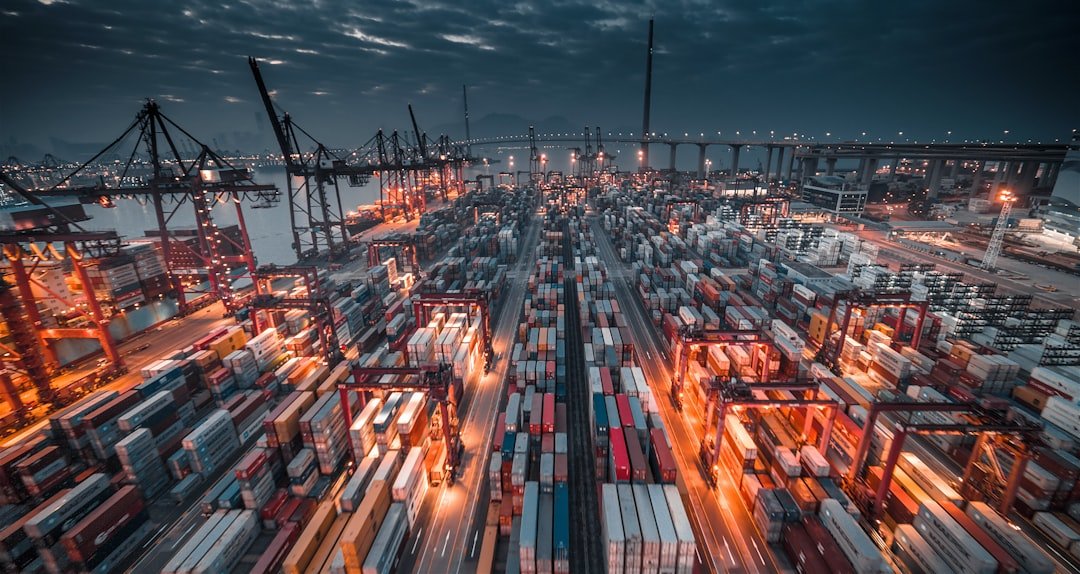
Image: Timelab / Unsplash
Part of a Wider CPEC Push on Gwadar
The Oman talks come as Pakistan prepares for the 9th Joint Working Group (JWG) meeting on Gwadar under CPEC, chaired in its preparatory stage by Planning Commission Secretary Dr Muhammad Tahir Noor. That meeting is expected to review a long list of ongoing priorities: the port and Free Zone, the new international airport, the East Bay Expressway, water supply and desalination work, the expansion of the Pak-China Friendship Hospital to 300 beds, and a modern fish landing jetty and boat-building industry planned for West Bay.
Taken together, the Oman sister-port initiative and the upcoming JWG session point to the same broader theme: after years of infrastructure-building under CPEC, Gwadar’s planners are now trying to connect that infrastructure to outside markets and outside capital, rather than treating it purely as a domestic development project.
A Historical Footnote
The Gwadar–Oman relationship carries some historical weight. Gwadar itself was an Omani possession for close to two centuries before Pakistan purchased it from the Sultanate of Oman in 1958, folding it into what was then West Pakistan. Today’s sister-port talks are a very different kind of relationship — commercial and logistical rather than territorial — but the long-standing links between the two coasts give the current cooperation a familiar backdrop.
What Happens Next
No signing date has been announced. Both sides have agreed to advance the matter through their respective ministries, with the MoU expected to be finalised in the coming weeks rather than immediately. Gwadar Post will continue tracking the agreement as it moves toward signing, along with outcomes from the upcoming 9th CPEC Gwadar Working Group meeting.