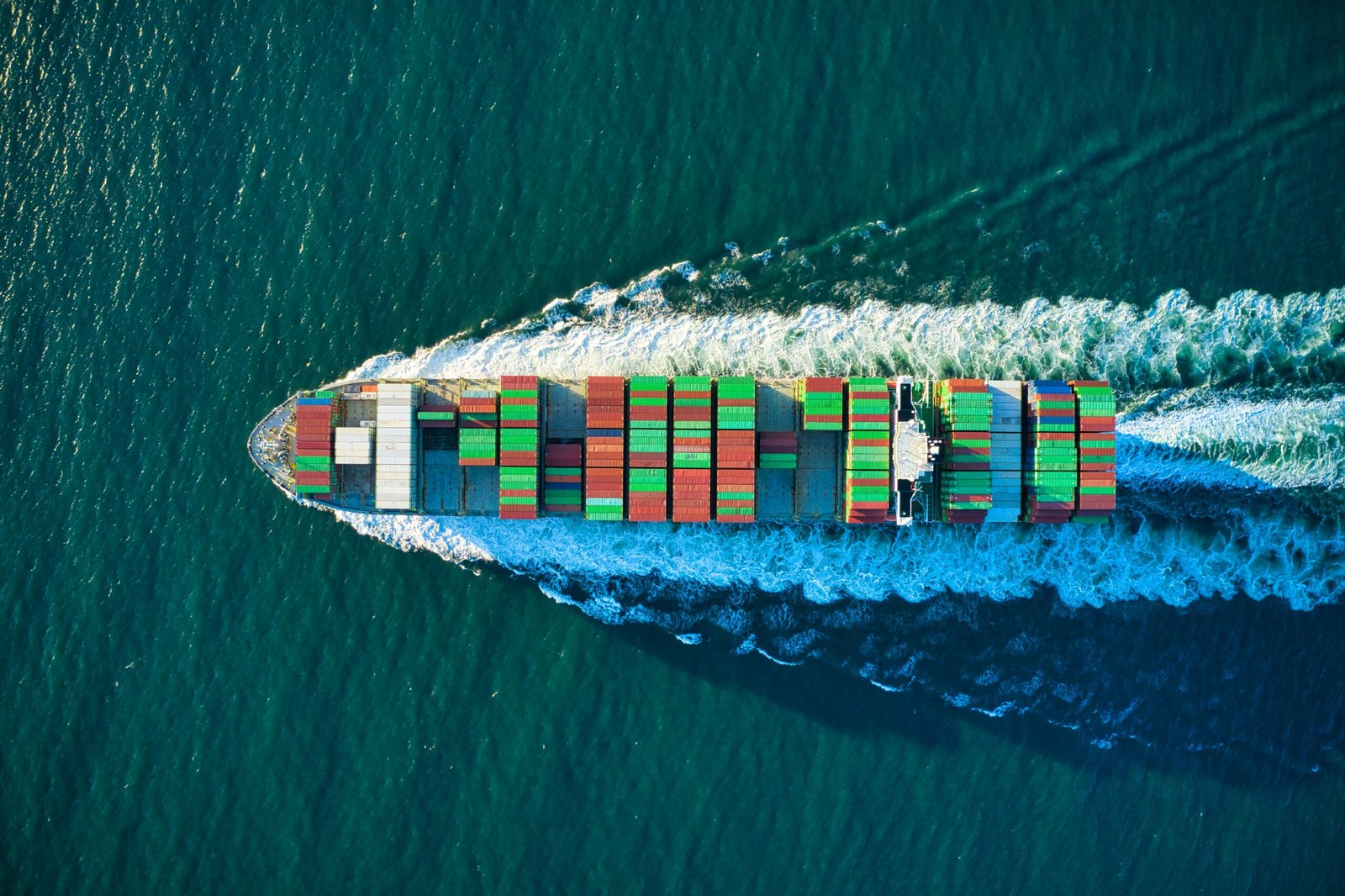
Why does China keep pouring money into a port that, by most conventional business measures, has yet to turn a profit? That question sits at the heart of a fresh analysis published this week by Dawn, Pakistan’s newspaper of record, which argues that Beijing’s continued spending on Gwadar has little to do with balance sheets and everything to do with long-term strategic positioning — what one historian quoted in the piece calls “geopolitical insurance.”
The analysis, published on September 7, lands as Gwadar is simultaneously being pitched to new partners — Pakistan and Oman are discussing a sister-port arrangement with Sohar — and scrutinised over whether a decade of Chinese-backed construction has delivered value commensurate with its cost. Taken together, the two storylines capture the central tension in Gwadar’s development: heavy, continuing investment alongside thin, hard-to-verify commercial returns.
The Bill So Far: What China Has Built in Gwadar
The infrastructure tally is not small. A Chinese state-run company holds a 40-year lease to operate Gwadar Port, won as part of the China-Pakistan Economic Corridor (CPEC) framework announced during President Xi Jinping’s 2015 state visit to Pakistan. Since then, CPEC-linked financing has funded the $168 million Eastbay Expressway connecting the port to the Makran Coastal Highway, and the New Gwadar International Airport, built at a cost of $320 million and described as the largest in the country by land area.
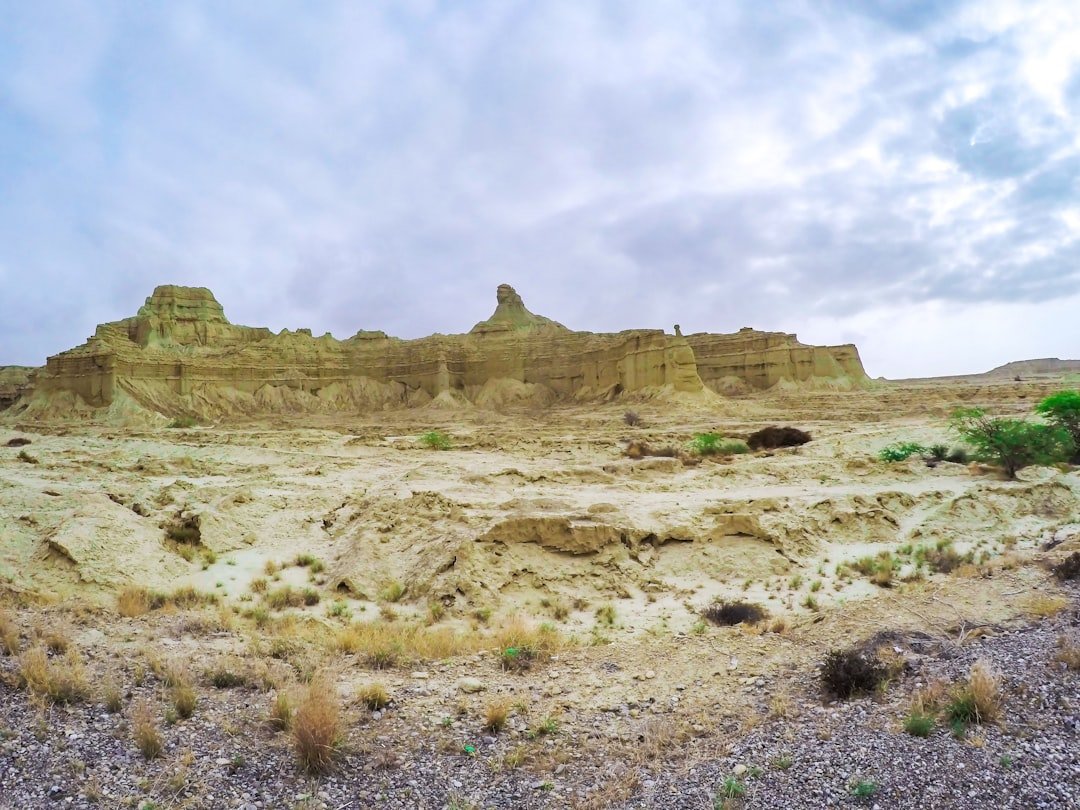
Those two projects alone account for roughly half a billion dollars, on top of the port and Free Zone financing, the Pak-China Friendship Hospital, freshwater treatment facilities and a desalination plant, and a technical and vocational institute — a full ecosystem of infrastructure built around a port that, as Dawn’s analysis notes, still handles a modest fraction of the cargo volumes originally projected when CPEC was unveiled a decade ago.
‘Geopolitical Insurance,’ Not a Balance Sheet
Asked to explain the gap between spending and commercial output, experts cited in the Dawn piece frame Gwadar less as a business venture and more as a long-horizon strategic asset. Aasim Sajjad Akhtar, a political economy professor, is quoted describing Beijing’s outlay as money spent “extravagantly,” creating a “sunk cost” that now locks China into what he calls a broader “grand design” for the region rather than a venture it can easily walk away from.
Oxford historian Peter Frankopan goes further, describing Gwadar’s value to China as “geopolitical insurance” that is “optimised for long-term strategic resilience” rather than short-term returns. The port sits close to the Strait of Hormuz, through which roughly a fifth of the world’s traded oil and gas passes — a chokepoint whose strategic weight has only grown following recent US-Iran tensions in the Gulf. For Beijing, having an alternative Arabian Sea foothold outside the Strait’s immediate radius is, on this reading, worth funding regardless of Gwadar’s current throughput.
The Airport Test: Ambition Meets Underuse
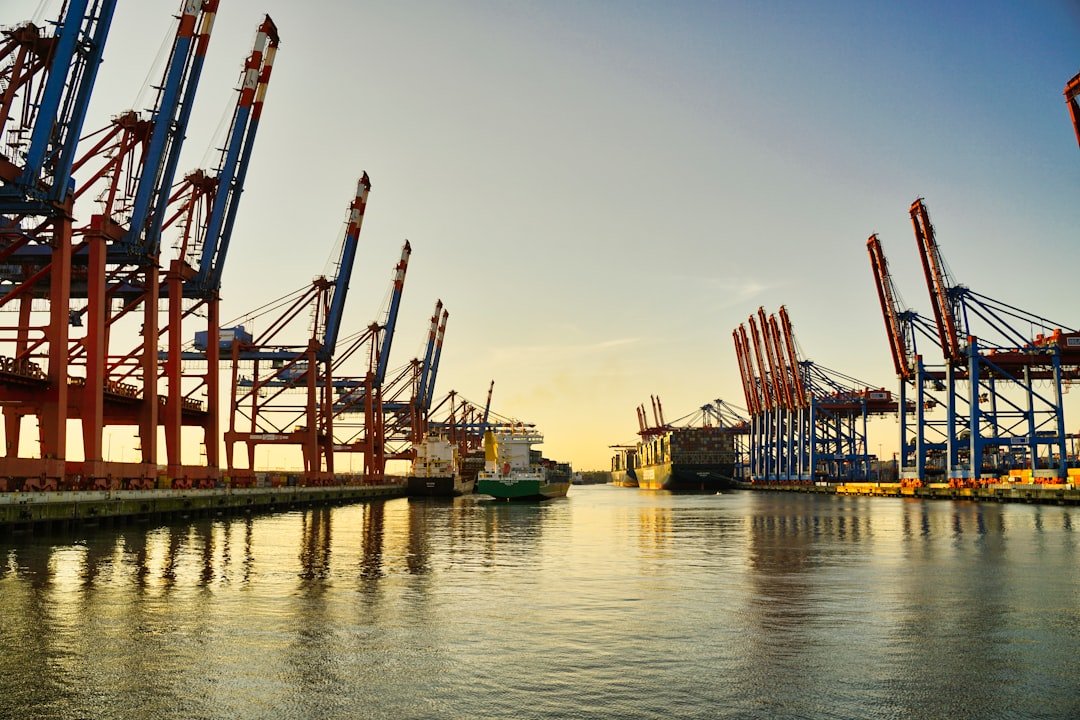
Nowhere is the gap between ambition and use more visible than at the New Gwadar International Airport. Inaugurated with considerable fanfare in January 2025, the $320 million facility was, as of Dawn’s analysis this month, still running well below its designed capacity — a point the piece uses as its central illustration of infrastructure racing ahead of demand.
That critique sits somewhat awkwardly alongside Gwadar Post’s own recent reporting: South Air became the airport’s second scheduled carrier earlier this month, and it has since cut Karachi and Quetta fares by up to Rs10,000 specifically to build passenger volume. Aviation analysts have attributed the airport’s thin traffic to high fares and limited flight frequency rather than a lack of underlying demand — in other words, an underused asset, but not necessarily a permanently idle one. Whether the fare cuts meaningfully change the picture before the next round of scrutiny is an open question.
What Local Fishing Communities Say They’ve Lost
The Dawn analysis also carries a sharper, more local critique: that infrastructure spending has prioritised the port itself at the expense of the surrounding community. It cites the Eastbay Expressway specifically as having restricted fishing families’ open access to the Arabian Sea, a livelihood most of Gwadar’s roughly 100,000 residents depend on. Local activist Nasir Rahim Sohrabi is cited arguing that the development pattern has primarily served Chinese commercial interests, pointing to recurring infrastructure failures — including flooding — that continue to affect residents directly.
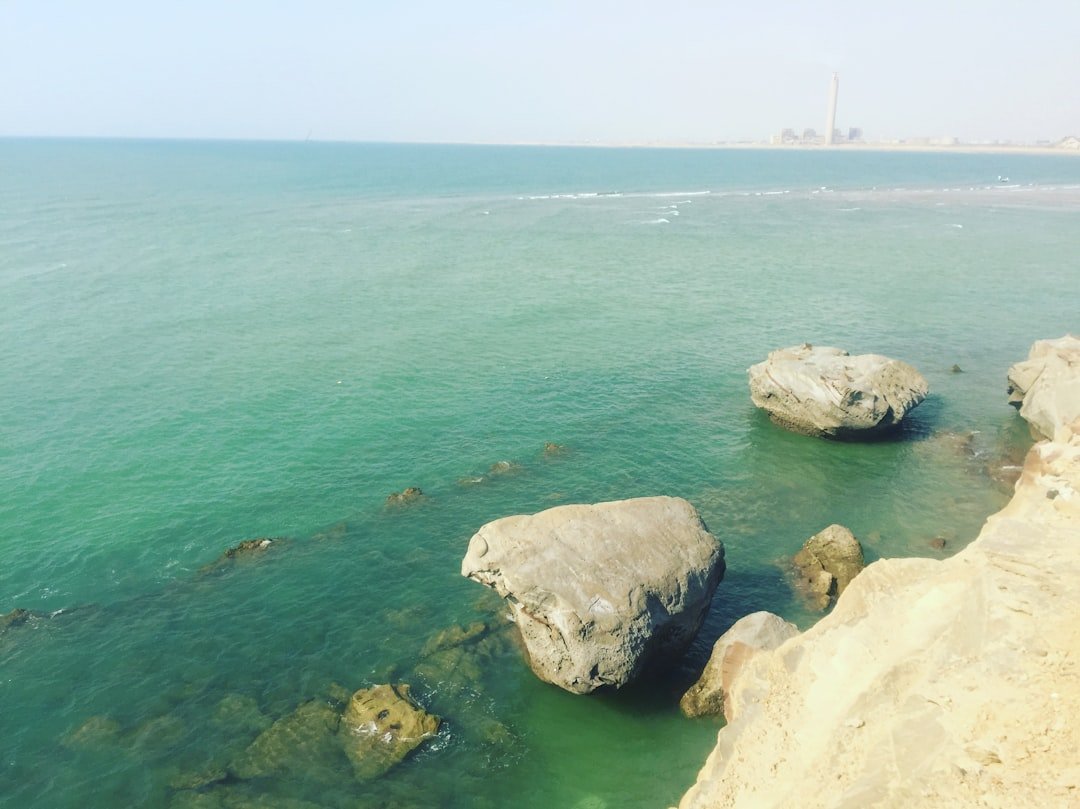
That grievance is not new, but it lands against a backdrop where authorities have begun, at least on paper, to respond: the provincially approved Rs2.44 billion Fishermen Colony housing scheme is meant to formalise nearly 3,000 plots for fishing families, though it remains stalled awaiting federal funding. The pattern across both stories is similar — approvals and announcements arriving well ahead of on-the-ground delivery.
The Security Shadow Behind the Investment Case
Dawn’s analysis situates all of this against Balochistan’s long-running insurgency. It notes that as recently as January 31 this year, the Balochistan Liberation Army (BLA) claimed coordinated attacks across 12 districts of the province, including Quetta and Gwadar district itself. Balochistan remains Pakistan’s poorest province and the site of a decades-old separatist conflict, a risk factor that has repeatedly disrupted CPEC construction timelines and travel to the port city.
It is precisely this risk premium, the analysis argues, that reinforces the “insurance” framing: a purely commercial investor weighing security risk against uncertain near-term returns might have scaled back by now, but a state actor pursuing decades-long strategic positioning has different incentives. That distinction helps explain why funding for Gwadar has continued even as individual projects — the airport, the fishermen’s housing scheme, the water supply scheme — move more slowly than officials originally promised.
What Comes Next
The strategic-versus-commercial debate is unlikely to be resolved soon, and Gwadar’s planners have more announcements queued up regardless: Pakistani and Chinese officials are preparing for the 9th Joint Working Group meeting on Gwadar, which is expected to review the port, the Free Zone, the airport, the East Bay Expressway and the city’s water and health infrastructure in one sitting. Nationally, CPEC officials point to 45 completed projects worth $25.61 billion as evidence of the corridor’s overall momentum, even as they acknowledge Gwadar-specific schemes continue to lag.
For residents, the practical test will keep being a local one: whether cheaper flights actually fill the airport, whether the Fishermen Colony breaks ground, and whether the next round of CPEC talks produces funding rather than further review. For Beijing, on the evidence of this week’s analysis, the calculation appears to be measured on a much longer timeline — one where Gwadar’s strategic value is treated as fixed, whatever its balance sheet says in any given year.