Twelve years after China and Pakistan signed the framework agreement that created the China-Pakistan Economic Corridor (CPEC), the project is entering a phase that looks less like a single infrastructure push and more like a balancing act. A detailed review of CPEC’s progress published this week by The Friday Times lays out two storylines running side by side: Gwadar Port’s cargo numbers are climbing faster than at any point in the corridor’s history, while the security risks that have shadowed CPEC since its earliest years remain very much unresolved.
Read together, the numbers in that assessment offer one of the clearest snapshots yet of where CPEC — and Gwadar specifically — actually stands, twelve years into a project originally pitched as a 15-year undertaking.
A Corridor That Has Nearly Reached $62 Billion
CPEC’s investment envelope has grown from the roughly $46 billion pledged when the framework was signed in 2015 to approximately $62 billion today, according to the review. Energy has been the corridor’s biggest early pillar: fourteen completed power projects have added close to 8,020 megawatts to Pakistan’s national grid, backed by a high-voltage direct current (HVDC) transmission line that is now operational. Six further energy projects are in the pipeline, including a proposed 300-megawatt coal-fired plant at Gwadar itself — a project that would, if completed, address one of the port city’s longest-running constraints: a reliable local power supply. Gwadar’s Rs280 billion master plan, approved earlier this month, folds several of these energy and utility upgrades into its broader roadmap for the city.
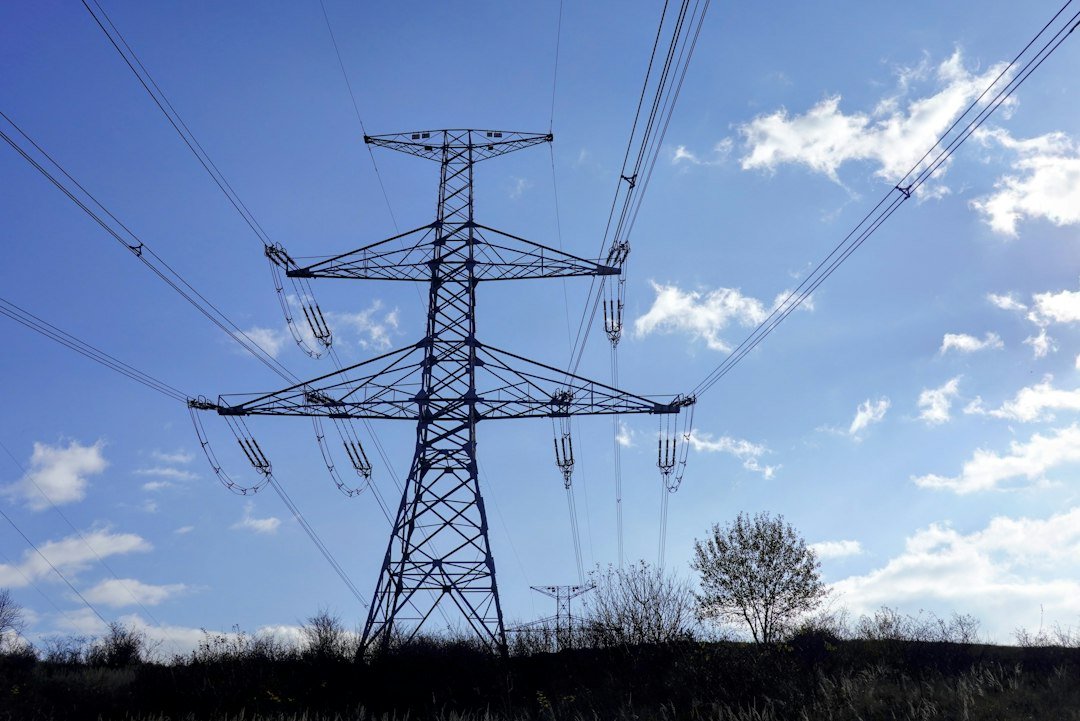
Image: Energie-portal.sk / Unsplash
Gwadar Port’s Cargo Numbers Are Finally Moving
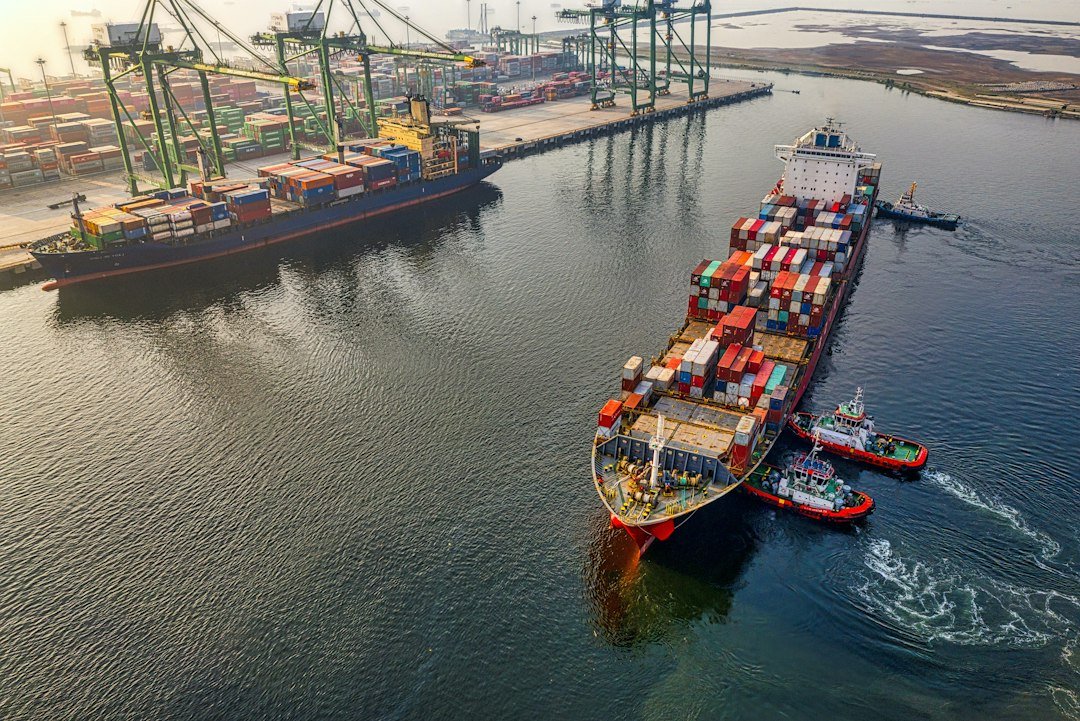
Gwadar Port itself remains, by scale, a fraction of what it was designed to become. The port currently operates three berths, against Karachi’s forty, and handled roughly 8,300 twenty-foot equivalent units (TEUs) of container traffic in 2025 — well short of its designed capacity of 100,000 TEUs. But the trend line inside 2026 has been sharply upward: April 2026 alone saw around 11,000 containers move through the port, more than the port is reported to have processed across the whole of 2025. Over a separate three-month stretch this year, Gwadar also handled roughly 200,000 tonnes of transit breakbulk cargo.
That growth has been helped by regional shipping disruptions tied to tensions around the Strait of Hormuz, a dynamic this site examined in detail earlier this month — though, as that report noted, a short-term diversion boom is not the same as durable, structural growth. Supporting infrastructure is also catching up: Gwadar’s new $230 million international airport is now handling domestic routes, the port offers 90,000 square metres of general cargo storage, and the East Bay Expressway’s second phase, which secured its land acquisition this week, is meant to finally give the port an uninterrupted road link to the airport and the rest of the city.
The Security Calculus That Still Shadows the Corridor
None of that growth erases the security question that has trailed CPEC since its earliest years. The Friday Times review points to two attacks as reminders of the risk to Chinese personnel working on the corridor: the 2021 bus bombing in Dasu, which killed nine Chinese engineers, and a 2024 suicide attack in Shangla that killed five more. The analysis argues that local grievances over resource distribution and employment in Balochistan continue to be exploited by outside actors — it names, without independent verification by this outlet, Indian intelligence and Gulf-based networks it says fund separatist groups including the Balochistan Liberation Army. Those specific attribution claims originate with the cited analysis and have not been separately confirmed here.
In response, Pakistan has built out a dedicated security architecture: the Special Security Division, a force of more than 15,000 personnel tasked specifically with protecting Chinese nationals and CPEC installations, backed by composite army battalions stationed along key corridor routes. Islamabad and Beijing have also expanded intelligence-sharing and joint counter-terrorism dialogue, with China providing surveillance equipment and training to Pakistani forces.
Image: Carl Tronders / Unsplash
Beyond Ports and Power: Where CPEC Goes Next
The review’s central argument is less about any single project and more about where CPEC’s second decade should focus. Having spent its first phase almost entirely on ports, roads and power plants, the analysis argues the corridor now needs to widen into industrial zones, technology cooperation, agriculture, and people-to-people exchange — areas that have lagged well behind the infrastructure-heavy build-out of the 2015–2025 period.
That widening lens extends to regional diplomacy as well. Gwadar’s recent push to position itself within a broader network of regional ports — including the sister-port arrangement signed with Oman’s Sohar Port last week — reflects an attempt to build Gwadar’s relevance beyond CPEC cargo alone, linking it into wider Gulf and Indian Ocean shipping networks.
Image: Divaris Shirichena / Unsplash
What to Watch From Here
Two threads will likely determine how this next phase of CPEC is judged. The first is whether Gwadar’s 2026 cargo growth holds up once regional shipping conditions normalise, or whether it proves to have been a temporary bump tied to the Hormuz disruptions rather than a permanent shift in trade routing. The second is whether the expanded security architecture around CPEC succeeds in preventing further attacks on Chinese personnel — the metric by which Beijing, more than any cargo statistic, is likely to measure the corridor’s next decade.
For Gwadar residents, the practical test will be simpler: whether rising port activity and a nearly $62 billion corridor translate into the jobs, utilities and local investment that have often lagged behind the headline infrastructure numbers.
FAQ
How much is CPEC worth today?
According to a September 2026 review of the corridor’s progress, CPEC investment has grown to approximately $62 billion, up from the roughly $46 billion pledged when the framework was signed in 2015.
How much cargo is Gwadar Port handling now?
Gwadar Port handled about 8,300 TEUs of container traffic in 2025, against a designed capacity of 100,000 TEUs. Growth accelerated sharply in 2026: April alone accounted for roughly 11,000 containers, reportedly more than the port processed in all of 2025, and the port also handled about 200,000 tonnes of transit breakbulk cargo over a separate three-month period this year.
What security measures protect CPEC and Chinese workers in Pakistan?
Pakistan’s Special Security Division, with more than 15,000 personnel, is dedicated to protecting Chinese nationals and CPEC sites, supported by composite army battalions along key routes and expanded intelligence-sharing with China. These measures followed attacks including the 2021 Dasu bus bombing and the 2024 Shangla suicide attack, which together killed fourteen Chinese nationals.