Featured image: Venti Views / Unsplash (representative image)
Gwadar Port is busier than it has been in years. Ships that once bypassed the Arabian Sea harbor are now anchoring to load and unload cargo, container volumes have repeatedly broken monthly records, and officials are citing figures once considered unrealistic for a port that received only a handful of vessels through all of 2025. The reason has little to do with anything Pakistan built at Gwadar itself: it is the fallout of a war more than 700 kilometers away.
Since February 2026, the Strait of Hormuz – the narrow waterway through which roughly a fifth of the world’s oil and a fifth of its liquefied natural gas normally pass – has been effectively closed to routine shipping after Iran retaliated against US and Israeli airstrikes by mining the strait and attacking merchant vessels. Traffic through the strait has fallen by as much as 95 percent since the crisis began, according to an Al Jazeera analysis of shipping data published in late August 2026, forcing tankers and container lines across the Gulf to find workarounds. One of those workarounds runs through Gwadar.
What the Hormuz Crisis Has Done to Regional Shipping
The scale of the disruption is hard to overstate. Gulf crude exports have fallen from roughly 17 million barrels a day before the war to about 9 million barrels a day in August 2026, per Al Jazeera’s reporting, with direct shipments through the strait itself down to about 2.2 million barrels a day. Oil prices have settled roughly 20 percent above pre-war levels after peaking above $130 a barrel in April. Port calls have collapsed across the Gulf too – Kuwait’s are down 86 percent and the UAE’s 69 percent, though Saudi Arabia’s ports have fared comparatively better with a 15 percent decline.
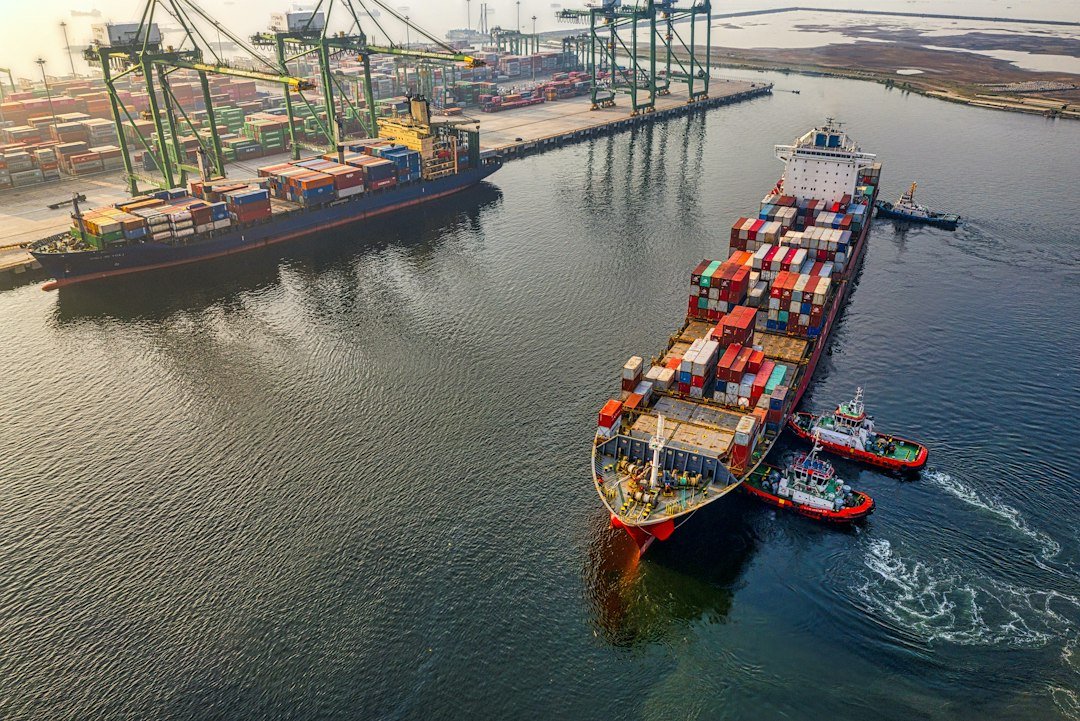
Pakistan, which sources roughly 78 percent of its oil from the Middle East, has felt the disruption directly. But for Gwadar specifically, the crisis has functioned less as a threat than an opening. Sitting less than 400 kilometers from the mouth of the strait with a direct road corridor into Iran and onward to Central Asia, the port offers ships and cargo owners a way to move goods without transiting the contested waterway at all.
The Numbers Behind Gwadar’s Busiest Year
The activity is real and measurable. China Overseas Ports Holding Company (COPHC), which operates Gwadar under a 40-year concession, reported roughly 200,000 tonnes of transit breakbulk cargo moved over a three-month stretch through August 2026 via the 87-kilometer Gwadar-Gabd corridor to Iran – a route that cuts transit time from the 16-18 hours required via the Karachi-Taftan route to just 2-3 hours. COPHC chairman Yu Bo said the shift reflects how “global trade and supply chains are undergoing profound changes” as shippers route around Hormuz-linked risk.
Container traffic has climbed alongside it. Gwadar processed roughly 11,000 transit containers in April 2026 alone – more than the port’s entire 2025 total of 8,300 – and individual vessels such as the MV B Jia Shan (20,669 tonnes of steel billets) and MV Show Long (16,077 tonnes of transshipment cargo) have delivered some of the largest single cargo loads in the port’s history. Gwadar Port Authority Chairman Noor-ul-Haq Baloch has said the port “is steadily evolving into a major centre for regional trade and logistics,” pointing to Gwadar’s shorter approach channel and lower operating costs relative to Karachi as advantages he argues will outlast the current crisis.
Pakistan Is Trying to Lock In the Gains
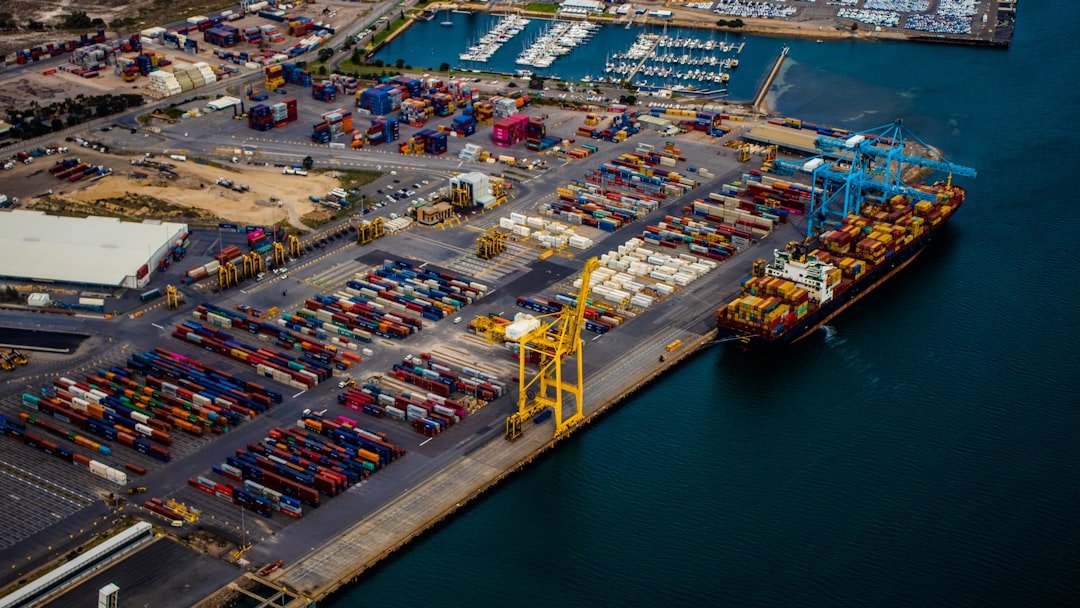
Islamabad has moved to make the moment stick rather than treat it as a passing bump. The federal government’s Transit of Goods Through Pakistan Order, issued in April 2026, formalized the legal basis for routing third-country cargo bound for Iran and Central Asia through Pakistani ports. At Gwadar, authorities cut transshipment charges by up to 40 percent on international containers and 31 percent on transit containers, replaced bank guarantees with insurance-backed guarantees to speed cargo clearance, and activated export facilitation desks and off-dock terminals to handle the extra volume. The Gwadar Free Zone continues to offer a 23-year tax holiday, duty-free machinery imports, and leases running up to 99 years – incentives officials hope will convert temporary rerouting into permanent investment. COPHC has projected the corridor could eventually generate $24-32 million a year in revenue if current volumes hold.
Part of the calculation is also about outlasting a determined regional rival. Iran’s own Chabahar Port, roughly 170 kilometers to the west, has spent years positioning itself as the alternate gateway into Afghanistan and Central Asia, and officials in Islamabad are conscious that any traffic Gwadar fails to convert into lasting business during the Hormuz disruption could just as easily settle at Chabahar instead once the crisis passes.
Why Some Analysts Are Skeptical This Time Is Different
Not everyone in the shipping industry reads Gwadar’s numbers the same way. A widely discussed analysis published by the Sunday Guardian in May 2026 argued that “every ship currently at Gwadar is there on a temporary or transshipment basis” and that no international carrier has committed to a fixed, scheduled rotation calling at the port – the kind of long-term commercial commitment that would signal shipping lines see Gwadar as a permanent fixture rather than a wartime detour. The analysis noted that Gwadar’s operating channel depth of 12.5 meters, short of its designed 14 meters, still excludes the larger container vessels – those with 13-14 meter drafts – that carry the bulk of global container trade, a structural limit that predates the Hormuz crisis and will outlast it.
Other reporting has flagged financial strain even amid the traffic uptick, including reported delays in staff salary payments at the port in late 2025. Pakistan Ships’ Agents Association chairman Mohammed A. Rajpar has separately pointed out that standard 13-14 meter draft container vessels, the workhorses of global container trade, still cannot dock at Gwadar at all. Maritime expert Jahazaib Baloch has argued the port needs “aggressive international marketing” to attract major carriers such as COSCO Shipping rather than relying on geopolitical disruption to bring ships to its berths. The comparison analysts keep returning to is stark: Gwadar’s entire 2025 container volume of 8,300 TEUs is a fraction of what established regional hubs such as Colombo (7.78 million TEUs in 2024) or Singapore (40 million TEUs in 2024) move in a matter of days.
What Would Turn a Wartime Bump Into a Lasting Shift
Whether Gwadar’s current activity outlasts the Strait of Hormuz crisis will depend on factors largely outside the port’s control, and some within it. Dredging the channel to its designed 14-meter depth would open the door to standard container vessels rather than only breakbulk and smaller transshipment cargo. Fixed-rotation commitments from major carriers, rather than one-off calls chasing lower fees, would be the clearest signal of a durable shift. And continued diplomatic groundwork, such as the sister-port framework Pakistan and Oman are negotiating between Gwadar and Sohar, could give the port institutional relationships that survive a Hormuz ceasefire. For now, the assessment shared across most of the reporting on Gwadar’s 2026 activity is a cautious one: the port is doing more business than it has in years, but how much of that business remains once the strait reopens is still an open question.
Frequently Asked Questions
Why is Gwadar Port seeing more ship traffic in 2026?
Since February 2026, the Strait of Hormuz has been largely closed to routine shipping because of the Iran-Israel-US conflict, with traffic down by as much as 95 percent. Ships and cargo that would normally transit Hormuz are being rerouted through alternative corridors, including Gwadar’s road link to Iran and Central Asia, which lets goods bypass the strait entirely.
How much cargo has Gwadar Port handled during the crisis?
COPHC reported about 200,000 tonnes of transit breakbulk cargo moved over three months through the Gwadar-Gabd corridor as of August 2026, while container volumes reached roughly 11,000 TEUs in April 2026 alone – more than the port’s entire 8,300-TEU total for 2025.
Can large container ships dock at Gwadar?
Not yet. Gwadar’s channel currently operates at a depth of about 12.5 meters against a designed depth of 14 meters, which excludes standard container vessels with 13-14 meter drafts that carry the bulk of global container trade.
Is Gwadar’s cargo surge expected to last after the Hormuz crisis ends?
That is disputed. Officials point to tariff cuts, tax incentives and infrastructure advantages as durable draws, while some shipping analysts argue no carrier has made a fixed, scheduled commitment to call at Gwadar, and note the port has faced financial strain including reported salary delays.
What incentives is Pakistan offering to attract shipping to Gwadar?
Gwadar Free Zone offers a 23-year tax holiday, duty-free machinery imports and leases of up to 99 years, while the port has cut transshipment charges by up to 40 percent on international containers and streamlined cargo clearance with insurance-backed guarantees.
Sources
- Al Jazeera: “How a 95 percent drop in Hormuz traffic changed global shipping”
- Breakbulk News: “Gwadar Port handles 200,000 tonnes of transit breakbulk cargo amid Hormuz disruption”
- Dawn: “Gwadar Port gains strategic weight amid Hormuz crisis”
- Profit by Pakistan Today: “Gwadar sees transhipment surge as Strait of Hormuz disruptions shift cargo routes”
- Sunday Guardian Live: “Gwadar Port Has More Ships Right Now than It Has Had in Years. That’s Not What It Sounds Like”
- Pakistan Today: “Two cargo ships arrive at Gwadar Port as commercial activity picks up”
- Arab News: “Pakistan eyes up to $25 billion boost from Gwadar port but challenges persist”
- East Asia Forum: “Iran war creates an opening for Pakistan’s maritime industry”