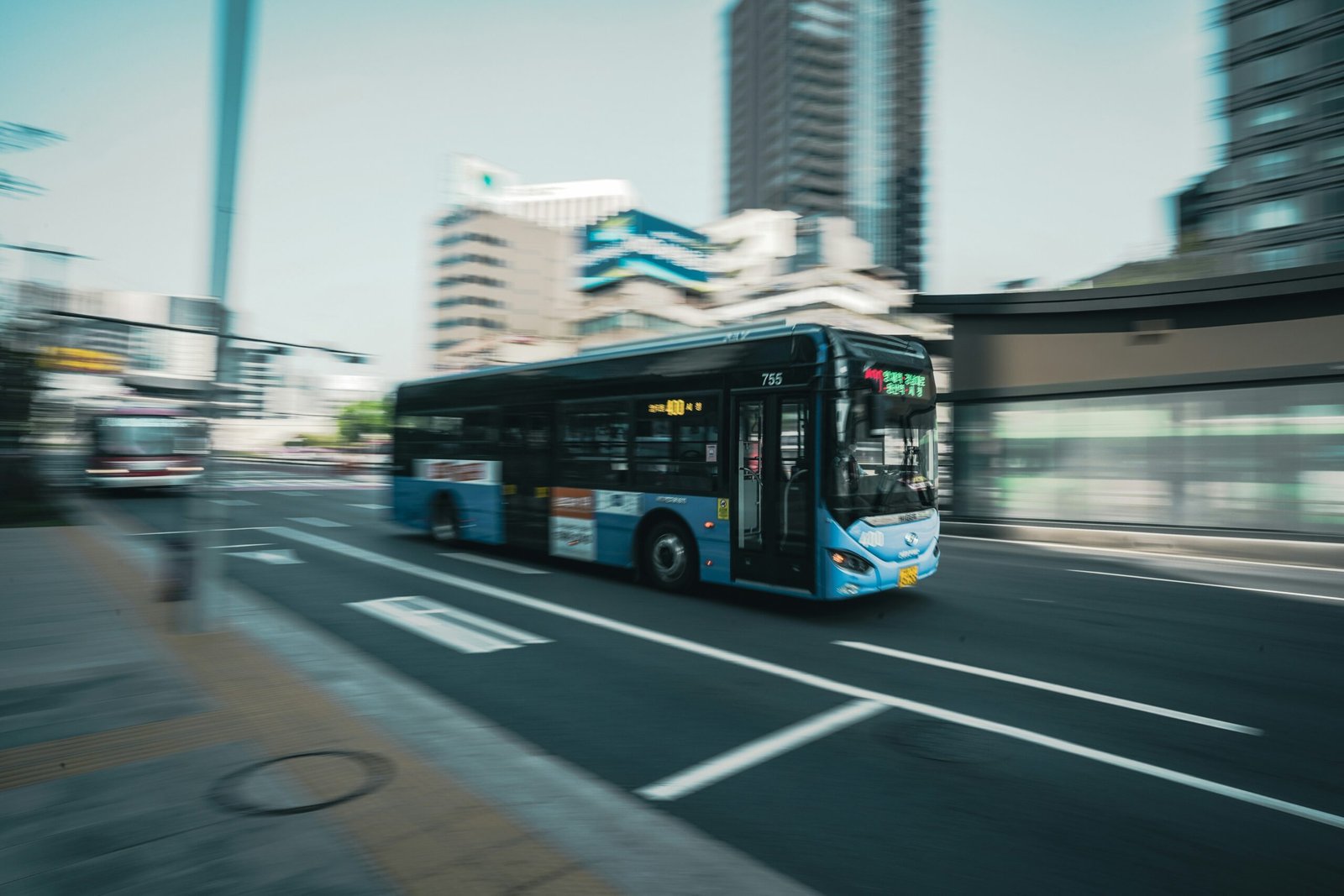
Featured image: Sean Lee / Unsplash (representative image)
Quetta’s electric “Green Bus” fleet is about to grow for the second time in two years, and a separate court order is now pushing the release of stalled funding for an even bigger expansion – alongside a nearly finished train service that has been waiting on two rail coaches for months.
Quetta Division Commissioner Zeeshan Lashari announced on September 19, 2026 that 17 more electric buses will be added to the city’s Green Bus Service, chairing a meeting to review the programme and look at extending it to parts of the provincial capital that still lack reliable public transport, according to Dawn and ProPakistani. Separately, a two-member bench of the Balochistan High Court has ordered the immediate release of funds for 27 additional electric feeder buses and the urgent delivery of two long-delayed train coaches for the Saryab-Kuchlak passenger rail service, according to Daily Qudrat.
A Fleet That Has Grown in Stages
Quetta’s Green Bus Service began in 2023 with just eight buses. By 2025 the fleet had grown to 25, spread across four routes running from 7am to 9pm: a Kuchlak route with roughly 40 stops, and a second corridor connecting the Metropolitan area to Sariab Road with about 50 stops. Four of the 25 buses are reserved exclusively for women and staffed by female crew. The service has also been extended on a smaller scale to Turbat, where four buses currently operate.
By 2025, the network was carrying an estimated 25,000 passengers a day, up from about 8,000 when it launched, according to The Nation. The 17 new buses announced this month would take the core Quetta fleet to 42, though the commissioner’s office has not yet released a cost figure, funding source, or delivery timeline for the addition.
A Court Steps In on a Stalled Feeder-Bus Project
While the Commissioner’s announcement covers an expansion of the existing Green Bus routes, a separate and larger batch of electric buses has been stuck in administrative limbo. The Balochistan High Court bench of Chief Justice Muhammad Kamran Khan Mulkhel and Justice Muhammad Najamuddin Mengal, hearing constitutional petitions on public transport, directed the provincial Planning and Development (P&D) Department to “immediately issue necessary approvals so that the Finance Department can release funds” for 27 electric buses earmarked for feeder routes.
That feeder-bus project is budgeted at Rs1,492.425 million and has already been approved for inclusion in the province’s Public Sector Development Programme (PSDP) for 2026-27 – meaning the money has been allocated on paper but had not yet been released for spending. The court warned that any further non-compliance would require the responsible officer to appear before it in person to explain the delay.
The Saryab-Kuchlak Train Also Waits on Two Coaches
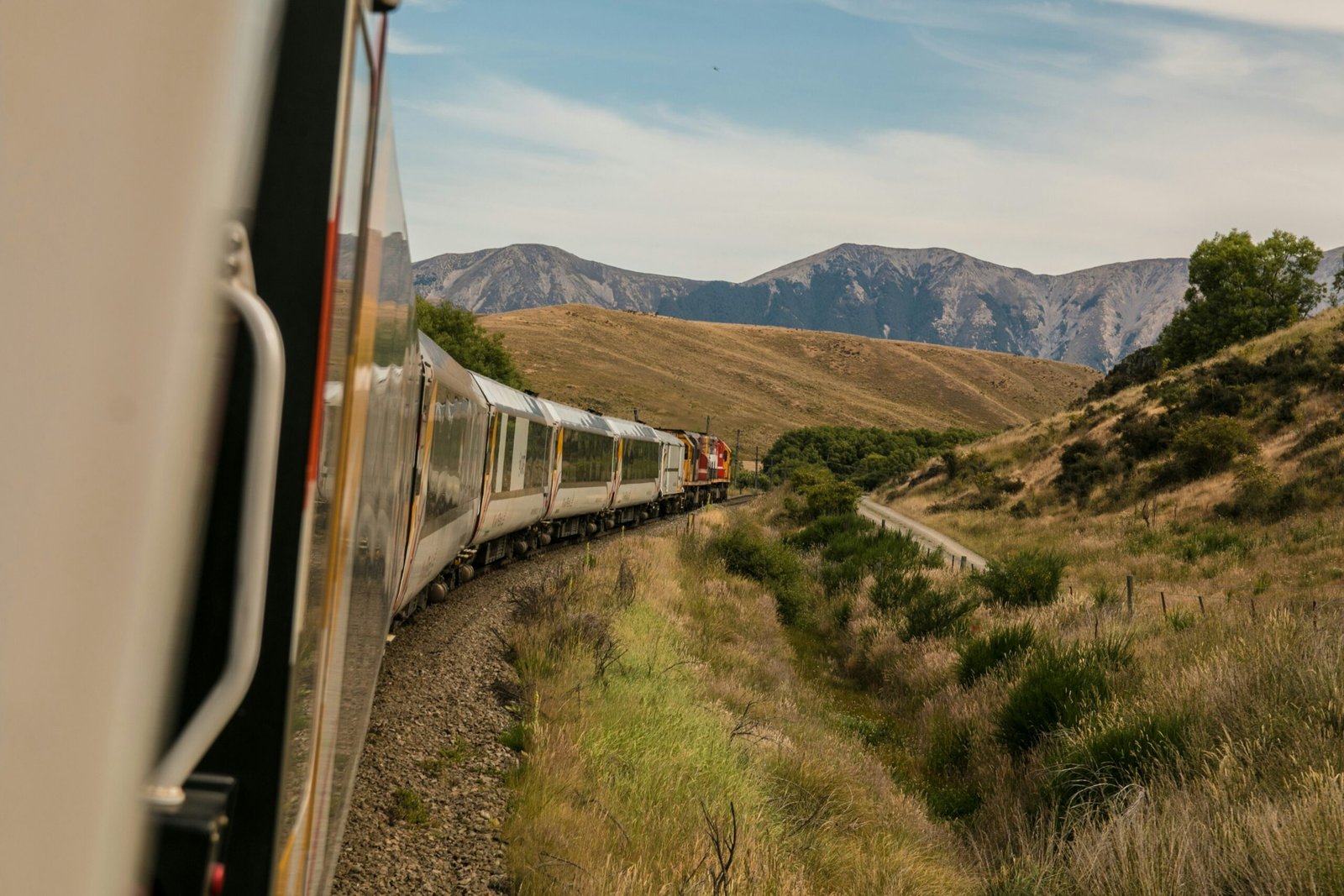
The same bench also addressed a second, unrelated transit project: the Saryab-Kuchlak passenger train service within the Quetta valley, which officials say has reached roughly 95 percent physical progress and 80 percent financial progress. What remains is delivery of two parlour coaches that are reportedly already built and sitting at Pakistan Railways’ Carriage Factory in Islamabad. The court directed the Additional Attorney General to contact Pakistan Railways to secure their immediate dispatch to Quetta.
Neither the feeder-bus funding nor the coach delivery has a confirmed completion date as of this report. Both were described in court proceedings as awaiting routine administrative and logistical steps rather than facing any funding shortfall or technical obstacle.
Why Quetta Is Betting on Electric Transit
The push sits inside a broader provincial target: Balochistan’s New Energy Vehicles Policy 2025-30 calls for the province’s transport system to move toward full electrification by 2030. Provincial Transport Secretary Hayat Kakar has said the policy is meant to cut dependence on fossil fuels and build a more sustainable transport base for the capital.
The scale of the challenge is significant. Alongside the Green Bus fleet, roughly 400 aging conventional buses running on older diesel engines and about 12,000 licensed rickshaws still operate across Quetta, and only a handful of environmentally-friendly vans have been permitted outside the Green Bus programme so far. Public health researchers cited by The Nation have pointed to vehicle emissions – carbon dioxide, nitrogen oxides and fine particulate matter – as a contributor to respiratory and cardiovascular illness in the city, where air quality has repeatedly exceeded World Health Organization PM2.5 guidelines.
A Familiar Pattern: Courts and Committees Pushing Stalled Spending
The High Court’s intervention to unstick already-approved funding is not an isolated episode in Balochistan’s development landscape. Balochistan’s Public Accounts Committee has separately ordered action against former engineers over irregularities in how water infrastructure funds were spent in Gwadar, and large provincial development projects – from the multi-billion-dollar Reko Diq mining project to municipal transit – have often shown a gap between money allocated on paper and money actually reaching the ground. In Quetta’s case, the court’s warning of personal appearances for non-compliant officials suggests provincial authorities are trying to close that gap through judicial pressure rather than waiting on the bureaucracy to move on its own.

What Happens Next
Three separate but related threads are now in motion: the Commissioner’s 17-bus addition to the core Green Bus fleet, the court-ordered release of Rs1.49 billion for 27 feeder buses, and the delivery of two coaches needed to launch the Saryab-Kuchlak train service. None has a confirmed public deployment date yet. Gwadar Post will follow up as the P&D Department, Finance Department and Pakistan Railways report back on the court’s directives.
Frequently Asked Questions
How many electric buses currently operate in Quetta?
Quetta’s Green Bus Service runs 25 electric buses across four routes, including four buses reserved for women with female staff, plus four additional buses operating in Turbat.
How many more electric buses are being added?
Quetta Division Commissioner Zeeshan Lashari announced on September 19, 2026 that 17 more buses will join the core fleet, bringing it to 42. Separately, 27 more electric buses for feeder routes are awaiting a court-ordered release of Rs1.49 billion in already-approved PSDP 2026-27 funds.
What did the Balochistan High Court order?
A two-member bench directed the Planning and Development Department to immediately approve release of funds for the 27 feeder buses, and ordered Pakistan Railways to urgently deliver two parlour coaches needed to complete the Saryab-Kuchlak train service.
What is the Saryab-Kuchlak train service?
It is a planned passenger rail service within the Quetta valley that has reached about 95 percent physical progress and 80 percent financial progress. Its launch has been held up by the delivery of two coaches built at Pakistan Railways’ Carriage Factory in Islamabad.
Why is Balochistan pushing electric public transport?
The province’s New Energy Vehicles Policy 2025-30 sets a target of full transport electrification by 2030, driven partly by concerns over air quality in Quetta, where roughly 400 aging diesel buses and 12,000 rickshaws still operate alongside the Green Bus fleet.
Sources
- Dawn: “17 more e-buses to be added to Quetta fleet”
- ProPakistani: “Quetta to Get 17 More Electric Buses”
- Daily Qudrat: “Balochistan High Court Orders Expedited Work on Electric Feeder Buses and Saryab-Kuchlak Train Service Projects”
- The Nation: “Quetta’s public transport moves from smoke to clean air”