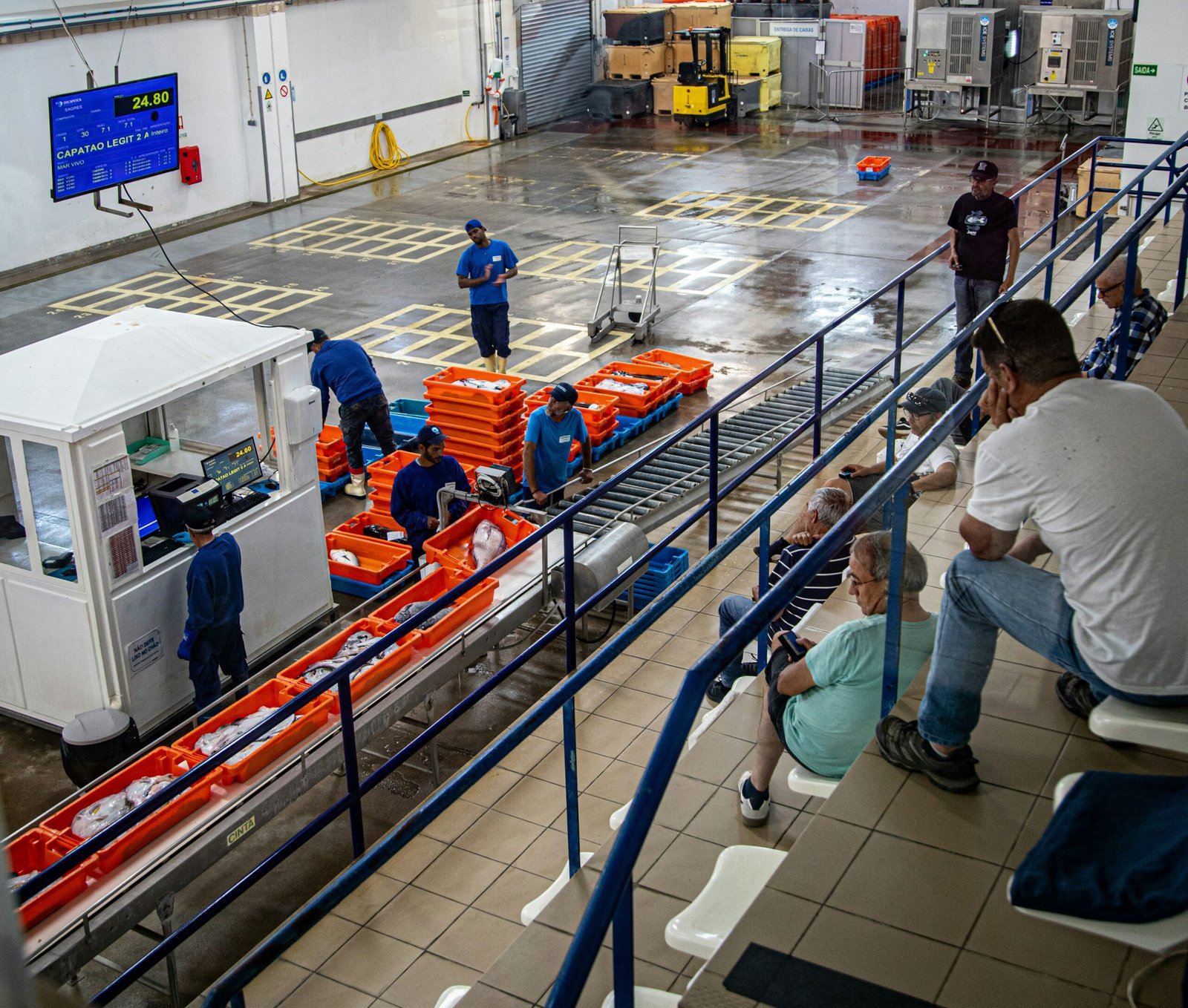
Featured image: Bernd Dittrich / Unsplash (representative image)
A fish market that had sat idle for years in Gwadar’s Surbandar neighbourhood reopened on September 20, 2026, the latest move in a fast-moving push by provincial and city authorities to formalise how the port city’s fishermen sell their catch – and to fix the boats, docking space and paperwork problems that have long weighed on the trade.
The Gwadar Development Authority (GDA), together with Gwadar’s member of the provincial assembly, Maulana Hidayat-ur-Rehman, inaugurated the Fish Auction Hall and Mall Holding Section at Surbandar Fish Landing Jetty over the weekend, according to Daily Independent. The reopening is one of at least three fisheries-related moves GDA has made in the city since mid-September, alongside a newly awarded tender for paved fishermen’s boat platforms and a fresh round of boat-ownership documents handed out by balloting.
A Fish Market Reopens With a Formal Auction System
The Surbandar facility had been non-functional for an extended period before GDA Director General Moin-ur-Rehman Khan and Hidayat-ur-Rehman reactivated it on September 20. Officials say the hall will now run a formal fish auction system rather than the informal arrangements that had grown up around the jetty, with the stated aim of bringing “greater organisation and transparency to fish trading” and helping fishermen secure better prices for their catch.
Allotment orders for the market’s mall (stall) holders were distributed at the ceremony, which drew fishermen, GDA engineers, project directors and community representatives. GDA says revenue collected from the facility will go toward its own operation and maintenance and toward further upgrades at the jetty, rather than being treated as a one-off ribbon-cutting.
Boat Platforms and Ownership Papers: A Second Front
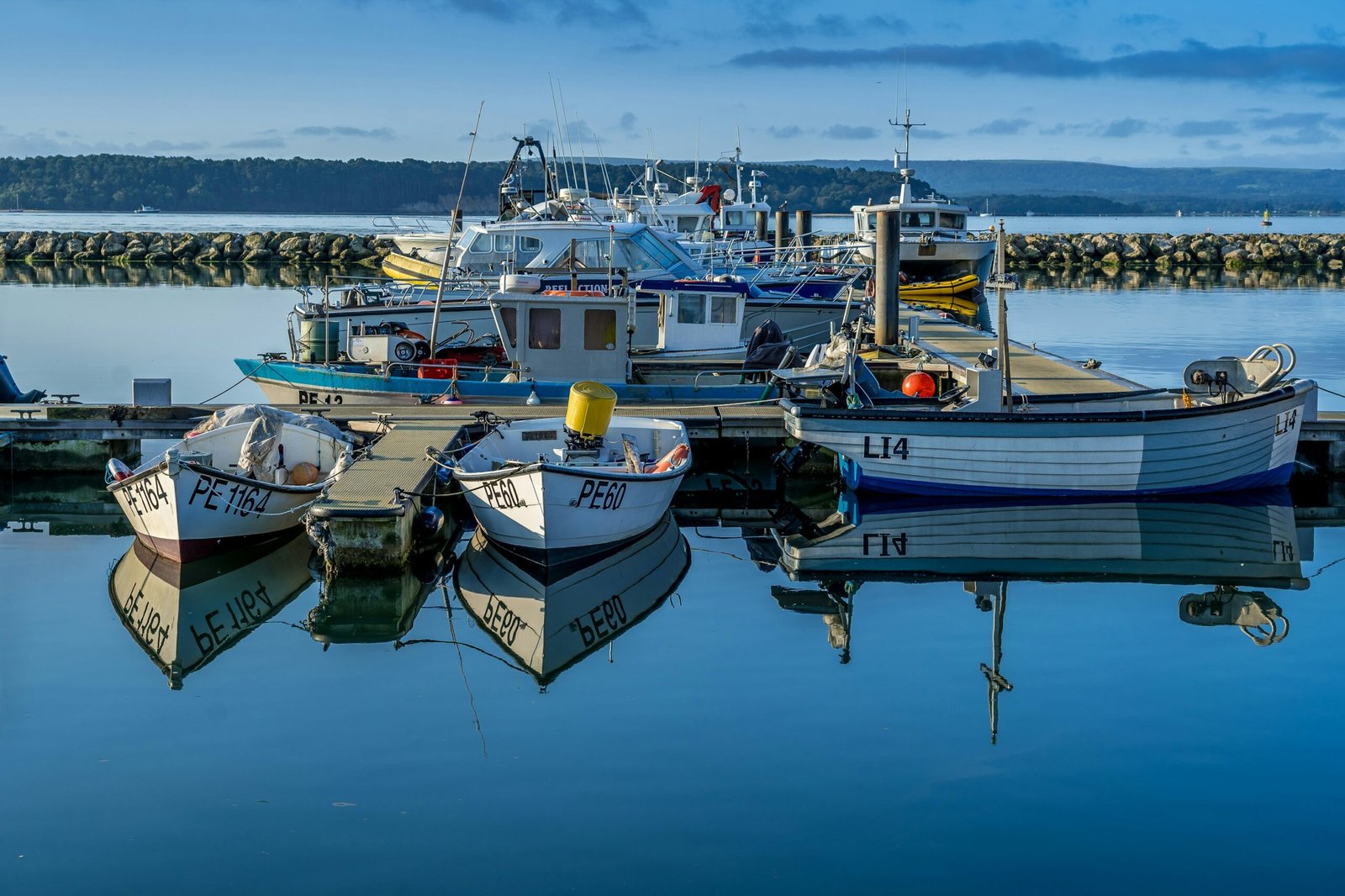
The auction hall reopening follows a separate GDA decision, announced September 15-17, to award a tender for paved platforms where fishermen’s boats can be safely docked and worked on. The month-long bidding process, open from August 15 to September 15, drew more than six local and national companies; the contract went to HM, a Balochistan-based firm that met the authority’s prequalification requirements. GDA has not published the tender’s value or a completion date.
Alongside the platforms tender, GDA distributed green fibre boat ownership documents to 32 fishermen through a balloting process – 20 recipients from Gwadar city, six from Surbandar and six from Pishukan. Hidayat-ur-Rehman described the combined initiative as addressing “longstanding difficulties faced by the local fishing community” over boat ownership and safe berthing, and tied it to what he called Chief Minister Mir Sarfraz Bugti’s policy of strengthening Balochistan’s fisheries sector.
Gwadar’s Place in a 770-Kilometre Fishing Economy
The Surbandar and boat-platform initiatives are small pieces of a much larger sector. Balochistan’s Fisheries and Coastal Development Department counts roughly 82,543 registered fishermen and about 10,982 licensed boats working along a coastline of some 770 kilometres, stretching from Hub near the Sindh border to Jiwani on the Iranian frontier. The province’s continental shelf covers around 14,500 square kilometres and supports 38 commercially important fish groups, landed across nine major fishing stations that include Jiwani, Pasni, Ormara, Gaddani and Gwadar itself.
Fishing has historically been the economic backbone of Gwadar’s Old Town neighbourhoods, including Surbandar, long before the port and its CPEC-linked infrastructure arrived. GDA’s wider Old Town Rehabilitation Project – which has separately delivered road, drainage and school upgrades in the same part of the city – runs alongside these fisheries measures as part of the authority’s broader mandate, though the two programmes are administered and funded separately.
A Province-Wide Push, From Pasni to Surbandar
Gwadar’s fish market reopening also sits inside a broader provincial effort. In March 2026, Chief Minister Bugti ordered a feasibility report on restoring the Pasni Fish Harbour, roughly 150 kilometres east of Gwadar, with submission due by May 2026. Chairing the review, Bugti said the harbour’s revival “would not only strengthen the local economy but also create new employment opportunities, directly benefiting residents of Gwadar and adjoining coastal areas,” and directed officials to act against illegal trawling that has damaged fish stocks along the coast.
Balochistan’s Fisheries Department separately announced a crackdown on illegal trawling in September 2025, responding to years of complaints from small-boat fishermen that unlicensed and out-of-zone trawlers were depleting near-shore catches they depend on. Taken together with the Surbandar reopening and the new boat platforms, the moves point to a provincial government trying to address fisheries infrastructure and enforcement at the same time, rather than treating them as separate problems.
An Old Grievance Behind the New Investment
The investment also speaks to a long-running tension in Gwadar. Fishermen’s associations have for years argued that the city’s port-led development has delivered comparatively little to the coastal communities whose livelihoods predate it, a grievance that fuelled large protests over fishing rights and Chinese trawling activity in 2021 and has resurfaced periodically since. Formal ownership documents, a functioning auction hall and dedicated boat platforms do not resolve that larger debate, but they are the kind of concrete, small-scale deliverables that fishermen’s representatives have specifically asked for in past hearings – a contrast to some of Gwadar’s larger infrastructure programmes, where oversight bodies have separately flagged gaps between money allocated and money properly accounted for.
GDA’s fisheries push also runs in parallel with the authority’s other utility investments in the city, including the expansion of Gwadar’s piped water supply that has drawn similar attention this year.
What Happens Next
None of the three initiatives – the Surbandar auction hall, the boat-platforms tender, or the wider Pasni feasibility study – has a published cost figure or firm completion date. GDA has said revenue from the reopened auction hall will fund further jetty improvements, and the boat-platforms contractor is expected to begin work following the September 15 award, though no start date has been announced. Gwadar Post will follow up as GDA and the Fisheries and Coastal Development Department report further progress.
Frequently Asked Questions
What was inaugurated at Surbandar in Gwadar?
On September 20, 2026, the Gwadar Development Authority and Gwadar MPA Maulana Hidayat-ur-Rehman reopened the Fish Auction Hall and Mall Holding Section at Surbandar Fish Landing Jetty, introducing a formal auction system after the facility had been non-functional for an extended period.
What other fisheries projects has GDA approved recently?
On September 15, 2026, GDA awarded a tender for paved fishermen’s boat platforms to the Balochistan-based firm HM after a month-long bidding process, and distributed green fibre boat ownership documents to 32 fishermen in Gwadar city, Surbandar and Pishukan through balloting.
How big is Balochistan’s fisheries sector?
Balochistan’s Fisheries and Coastal Development Department counts about 82,543 registered fishermen and 10,982 licensed boats working a 770-kilometre coastline across nine major fishing stations, including Gwadar, Pasni, Ormara, Jiwani and Gaddani.
Is Gwadar the only port getting fisheries investment?
No. In March 2026, Chief Minister Mir Sarfraz Bugti ordered a feasibility study for restoring Pasni Fish Harbour, about 150 kilometres east of Gwadar, as part of a wider provincial push that also includes a crackdown on illegal trawling announced in September 2025.
Will the new facilities address fishermen’s longstanding complaints?
They address some specific, practical demands – formal auctions, boat documentation and safe docking – that fishermen’s representatives have raised for years, though broader disputes over how much coastal communities benefit from Gwadar’s port-led development remain unresolved.
Sources
- Daily Independent: “Surbandar Fish Auction Hall, Mall Holding Section Inaugurated”
- Daily Independent: “GDA approves tender for fishermen’s boat platforms in Gwadar”
- The Daily CPEC: “Gwadar Old Town Rehab Project 70% Complete”
- Associated Press of Pakistan: “CM Bugti orders feasibility report for Pasni Fish Harbour restoration”
- The Nation: “Balochistan launches crackdown on illegal trawling to protect marine life”
- Government of Balochistan, Fisheries & Coastal Development Department