Featured image: Unsplash / Bob Brewer (representative image)
For much of its modern history, Gwadar has been a port city that could not reliably supply its own residents with drinking water. Perched on an arid stretch of the Arabian Sea coast with some of the lowest rainfall in Pakistan, the city spent years relying on tanker convoys and dwindling dams even as billions of dollars poured into its port and CPEC-linked infrastructure. That picture has shifted markedly over the past year. By early 2026, officials at the Gwadar Development Authority (GDA) were reporting a combined daily water supply of more than 25 million gallons, drawn from a Chinese-funded desalination plant, two upcountry dams, and a rebuilt pipeline network – a turnaround that is reshaping one of the port city’s longest-running problems.
A City Defined by Thirst
Gwadar’s water crisis has deep roots. The district has long depended on a handful of small dams – principally Sood and Ankrah – that fill only when the region gets its scarce seasonal rain. Consecutive years of low rainfall left both dams dry for extended stretches, forcing successive governments to rely on emergency tanker convoys trucked in from Turbat and elsewhere just to keep taps running in Gwadar city. The shortfall became a recurring flashpoint in local politics, cited alongside fishing rights as one of the grievances behind Gwadar’s 2021 “Haq Do Tehreek” protests, and it remained a subject of periodic reporting in the national press through 2025 as residents described paying tanker operators for water the public network could not deliver.
The Chinese-Funded Desalination Plant
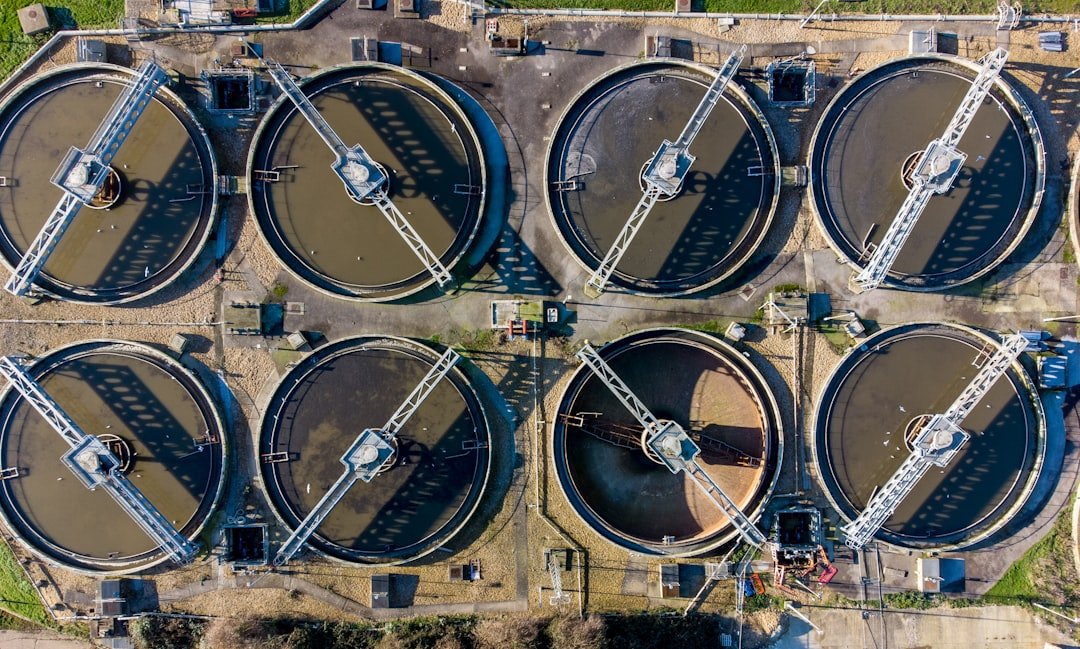
The first major structural fix arrived in December 2023, when the Gwadar Port Authority (GPA) inaugurated a seawater desalination plant built with Chinese government financing of roughly 2 billion Pakistani rupees (about $12.7 million) and constructed with China Harbor Engineering Company. Billed as a flagship CPEC project, the plant was designed to process 1.2 million gallons of seawater a day. It has not always run at full capacity – by late 2025 GPA reported the facility operating at close to 84 percent of its rated output – but it gave Gwadar its first significant source of water that did not depend on rainfall at all.
Emergency Tankers and Dam Pipelines Kept the City Afloat
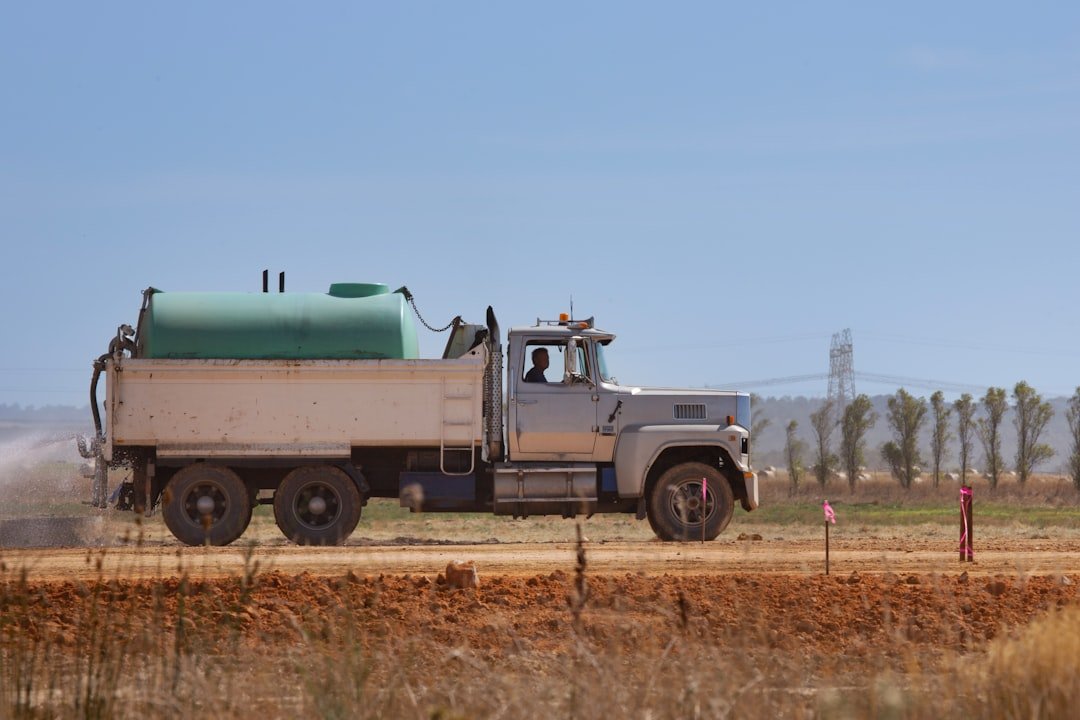
Even with the desalination plant online, Gwadar continued to lean heavily on trucked-in water and pipeline transfers from dams well outside the city. Provincial officials told Balochistan Chief Minister Sarfraz Bugti this year that Shadi Kor Dam alone supplied roughly 173 million gallons via tanker and Mirani Dam a further 84 million gallons over a recent reporting period, while GDA’s own desalination output added about 78 million gallons. Officials said the province had spent around 70 crore rupees ($2.5 million) on measures to make tanker operations more transparent, after years of complaints that tanker mafias and uneven distribution left poorer neighbourhoods underserved even during supply shortfalls.
An 11 Billion Rupee Pipeline Overhaul
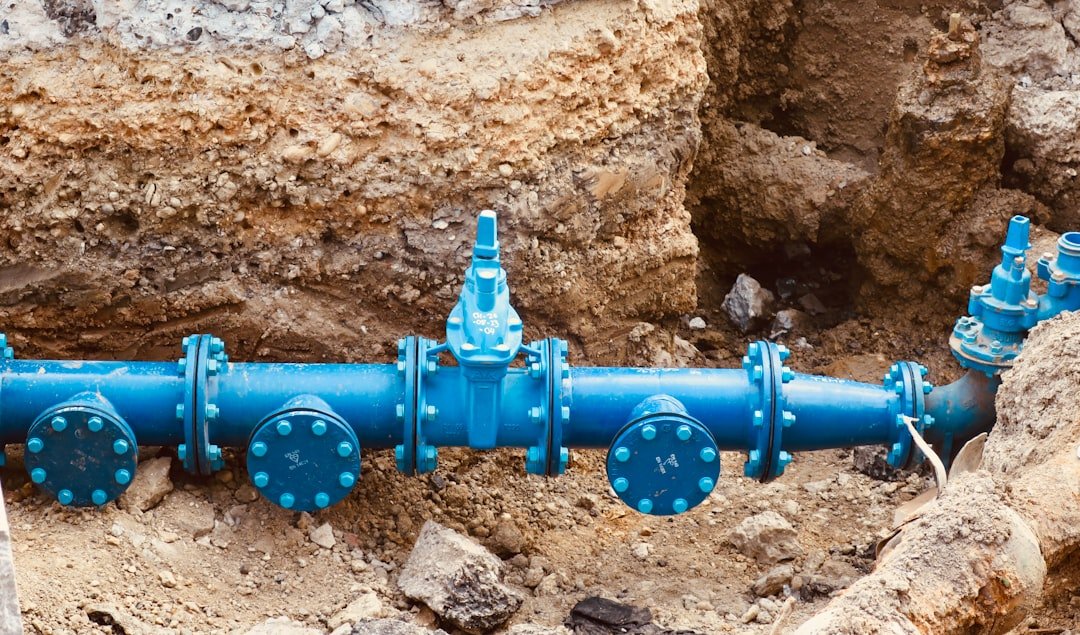
The bigger structural change came after responsibility for Gwadar’s water supply was formally transferred to the GDA in August 2025. Under a federally funded project valued at roughly 11 billion Pakistani rupees, authorities rebuilt around 150 kilometres of main transmission lines and a further 150 kilometres of distribution pipelines linking Shadi Kor Dam to the city, added four new storage tanks with a combined 10-million-gallon capacity, equipped 11 pumping stations, and connected more than 15,000 households to the network for the first time. GDA Director General Moeen-ur-Rehman Khan and Chief Engineer Haji Syed Muhammad said the rehabilitation lifted pipeline flow from roughly 500,000 gallons a day to between 1.8 and 1.9 million gallons a day, pushing the city’s combined daily supply from all sources above 25 million gallons by February 2026.
Reaching the Villages Beyond the City
The improvements have not been confined to Gwadar city itself. In January 2026, provincial lawmaker Maulana Hidayatur Rehman Baloch inaugurated a rehabilitated 15-kilometre pipeline carrying water from Pasni town to Chorr Bandan, a settlement that officials said had gone roughly 15 years without a functioning potable water connection. Around the same time, GDA reported daily supply to Gwadar city running at about 31 million gallons from a mix of sources – 16.35 million gallons from Shadi Kor Dam, 9.48 million gallons from the GPA/GDA desalination plant, 5.21 million gallons from Mirani Dam, and roughly 42 tanker runs covering remaining gaps – alongside unusually heavy rainfall that briefly eased pressure on the system further.
Why It Matters for Gwadar’s Development Ambitions
Water security is not a side issue for Gwadar’s planners; it is a precondition for almost everything else the city’s master plan promises. The Gwadar Smart Port City Master Plan, which runs through 2050, envisions the city’s population growing to 2 million and its economy expanding to $30 billion – targets that would be unreachable without a water system capable of supporting far more households and industry than exist today. The same logic applies to projects Gwadar Post has covered in recent weeks, from the proposed expansion of Pak-China Friendship Hospital to new housing schemes and Free Zone investment plans: each depends on a water network that, for most of Gwadar’s history, could not be taken for granted. Officials caution that the current gains still rest partly on favourable rainfall and continued tanker support rather than a fully drought-proof system, meaning the desalination plant’s output and the pace of further pipeline investment will remain the metrics worth watching as Gwadar’s population and construction activity continue to grow.
Frequently Asked Questions
How much water does Gwadar produce and receive daily in 2026?
Gwadar Development Authority officials reported combined daily water supply of over 25 million gallons in February 2026, and around 31 million gallons in January 2026, drawn from the Shadi Kor and Mirani dams, the GPA/GDA desalination plant, and supplementary tanker deliveries.
What is the Gwadar desalination plant and who built it?
It is a seawater desalination facility inaugurated in December 2023, financed with roughly 2 billion Pakistani rupees ($12.7 million) from the Chinese government and built with China Harbor Engineering Company. It has a rated capacity of 1.2 million gallons per day and is considered a flagship CPEC project.
Why did Gwadar have a water crisis in the first place?
Gwadar sits in one of Pakistan’s driest regions and historically depended on small dams, Sood and Ankrah, that only filled during scarce seasonal rains. Consecutive dry years left those dams depleted, forcing reliance on tanker convoys and making water scarcity a recurring source of public frustration, including during the 2021 Haq Do Tehreek protests.
What infrastructure changes improved Gwadar’s water supply?
After water supply responsibility moved to the GDA in August 2025, an 11 billion rupee federally funded project rebuilt roughly 150 kilometres of transmission lines and 150 kilometres of distribution pipelines from Shadi Kor Dam, added four storage tanks, equipped 11 pumping stations, and connected more than 15,000 new households.
Is Gwadar’s water crisis fully resolved?
Officials describe the situation as substantially eased rather than permanently solved. Supply still depends partly on rainfall feeding the Shadi Kor and Mirani dams and on continued tanker operations to reach areas the pipeline network has not yet covered, such as more remote settlements beyond Gwadar city.
Sources
- Daily Independent: “Gwadar Development Authority Resolves Water Shortages, Elevates Daily Supply to Over 25 Million Gallons”
- The Nation: “Water situation eases in Gwadar as pipeline projects advance”
- Gwadar Pro: “GPA Desalination Plant Produces Over 1 Million Gallons of Clean Water in 24 Hours”
- Gwadar Seawater Desalination Plant – background and specifications