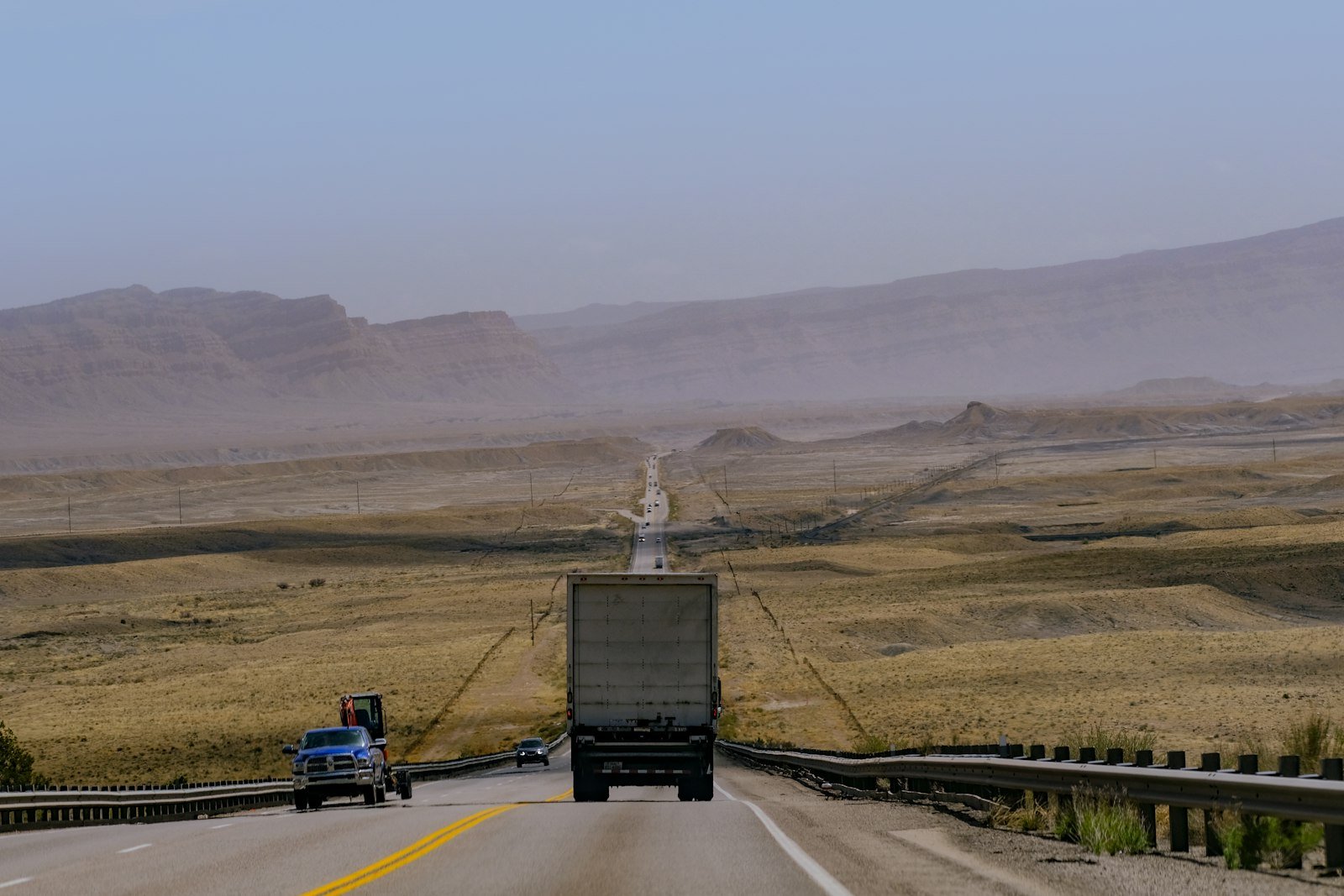
Pakistan Customs intercepted more than Rs154 million worth of smuggled goods in a coordinated sweep across Balochistan’s Makran Division, Lasbela, and Hub areas over the past two days, in one of the more detailed anti-smuggling operations reported along the Gwadar coastal corridor in recent months. The Collectorate of Customs (Enforcement), Gadani, carried out the interdictions in coordination with other law-enforcement agencies, according to an official statement reported by The Nation and Radio Pakistan on September 30 and October 1.
The operation is notable less for its scale — Customs Gadani has posted larger single seizures in the past — than for what it reveals about the range of goods moving through the Makran coast’s road network, from bulk food items to consumer goods to vehicles themselves, and the layered enforcement presence now stationed along the route that links Karachi, Lasbela, Hub, and Gwadar.
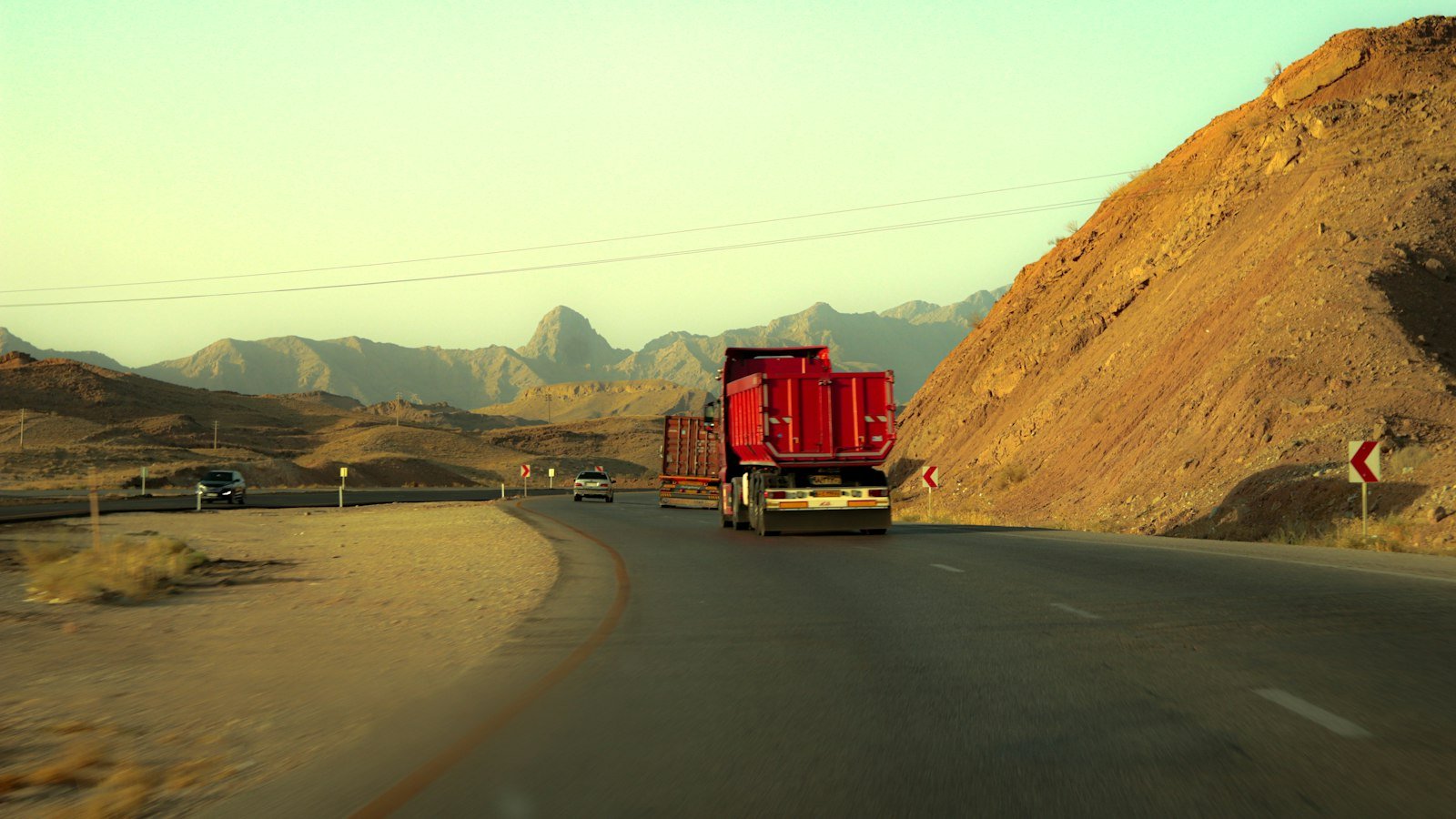
Image: Alireza Hashemi / Unsplash
Three Interdictions Across the Makran Coast
According to the breakdown reported by The Nation, the crackdown unfolded in three separate actions:
Lasbela bus seizure. In a joint operation between the Intelligence Bureau and the Field Enforcement Unit Khurkhera, officials intercepted a passenger bus in the Lasbela area and recovered foreign betel nuts, cosmetics, cigarettes, Indian gutka, and parachute cloth concealed in the vehicle’s cavities. The seized goods and the bus itself were valued at roughly Rs130 million — the bulk of the operation’s total haul.
Hub godown raid. The Mobile Enforcement Unit, Hub, raided a storage godown and recovered plastic shopper bags and skimmed milk powder worth an estimated Rs20 million. The recovered goods were deposited at the State Warehouse in Gadani, pending disposal under standard customs procedure.
Coastal Highway interception, Gwadar. The Field Enforcement Unit Gwadar intercepted a vehicle on the Coastal Highway and recovered 750 kilograms of Iranian edible oil packed in 150 five-kilogram tins, valued at approximately Rs4 million — a reminder that the cross-border trade in everyday consumer goods along the Iran-Pakistan frontier remains routine, even as enforcement has intensified.
Why the Makran Coast Is a Smuggling Corridor
The geography explains the pattern. The Makran coastal belt runs along Pakistan’s border with Iran, and the Coastal Highway (N-10) that threads through it is both Gwadar’s main overland link to Karachi and a long-standing informal trade route for goods moving in both directions across the Iran-Pakistan border. Items like Iranian edible oil, diesel, and foreign cigarettes have moved through this corridor for decades, largely outside formal customs channels, because the price differential on either side of the border makes small-scale smuggling persistently profitable even when enforcement tightens.
This week’s operation is not an isolated event. Customs Gadani has reported a string of large interdictions over the past year, including a seizure of roughly 188 kilograms of hashish worth Rs552 million in November 2025 and a separate operation that recovered goods worth about Rs1 billion the same month, according to Profit by Pakistan Today. Taken together, the pattern points to a sustained enforcement push along the Makran coast rather than a one-off sweep — one that has run in parallel with the security buildup elsewhere along CPEC-linked routes, including near the Gwadar-Iran border crossing at Jiwani, where four National Logistics Cell employees were killed in an attack last year.
Image: Walter Sepulveda / Unsplash
Trade Security and Gwadar’s Wider Economic Push
The timing matters for Gwadar’s broader economic narrative. Port authorities have spent recent months pushing back against claims that Gwadar Port is being kept idle, pointing instead to free zone activity and new transit routes into Central Asia, while separate reporting has tracked rising cargo volumes moving through the port alongside unresolved security risks along CPEC’s transit corridors. A functioning anti-smuggling regime along the roads feeding into and out of Gwadar is part of the same picture: formal trade growth through the port is harder to sustain if informal, untaxed trade continues to move in parallel along the same highways.
The goods recovered this week — betel nuts, cigarettes, gutka, cooking oil, milk powder, cosmetics — are also a useful corrective to the headline-grabbing image of smuggling as primarily a narcotics or arms problem. Much of what Customs Gadani intercepts along this coast is ordinary consumer goods moving to avoid duties, a quieter but persistent drain on formal tax revenue in a province where the government has repeatedly promised that CPEC-driven growth will translate into local economic benefit.
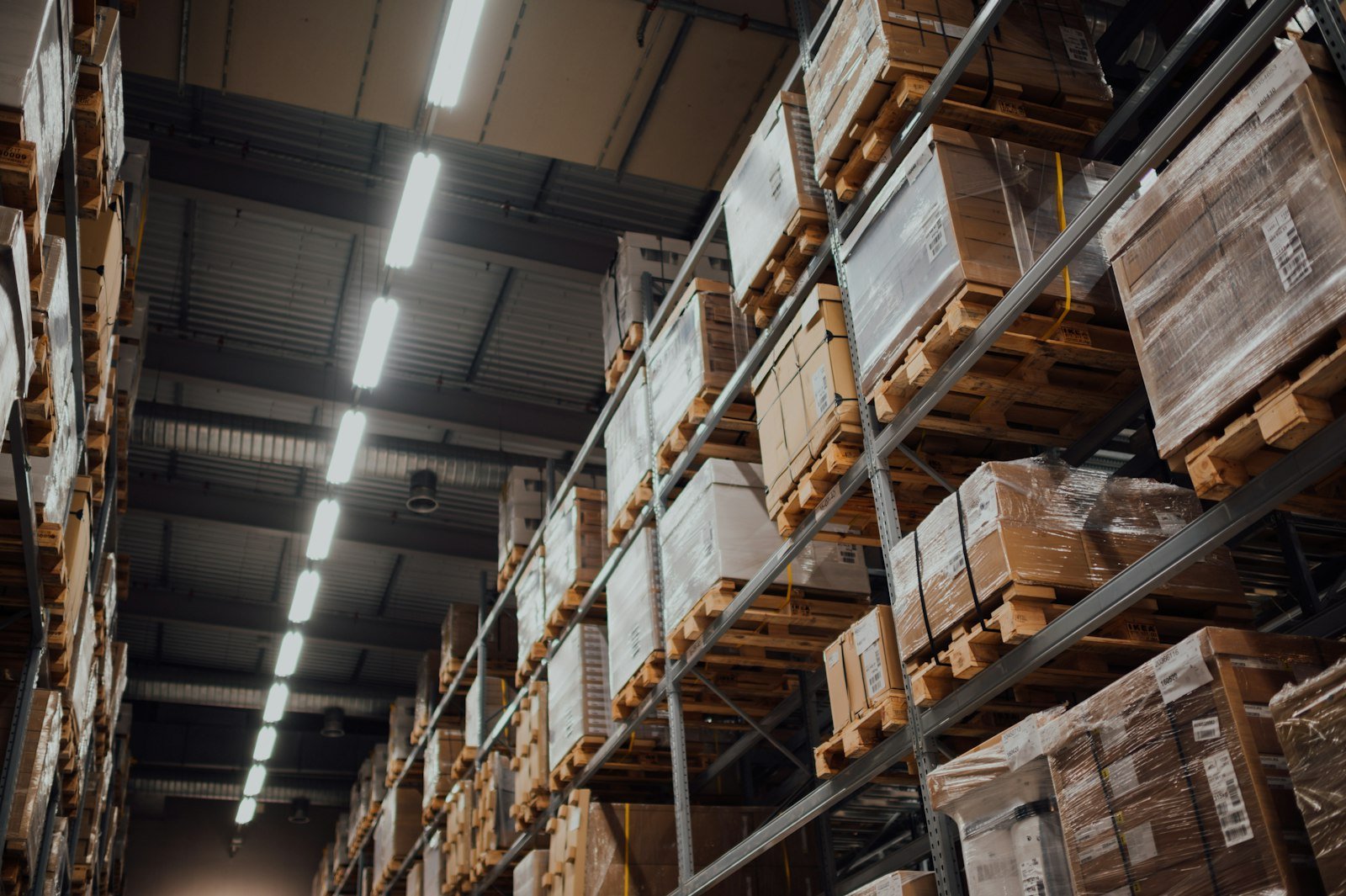
Image: CHUTTERSNAP / Unsplash
What Happens to the Seized Goods
Per the procedure described in the official statement, recovered goods and vehicles are deposited at the State Warehouse in Gadani, where they are processed under Pakistan’s standard customs adjudication rules before eventual auction or destruction, depending on the category of goods. Neither The Nation nor Radio Pakistan’s reporting named individuals arrested or detained in connection with the three operations, and this outlet has not independently verified further details beyond what both outlets reported.
For now, the Rs154 million figure stands as the latest data point in a running tally of anti-smuggling enforcement along the Makran coast — one that, taken alongside the port’s cargo growth and the ongoing security spending along CPEC routes, underscores how much of Gwadar’s economic story in 2026 is being written as much on its highways as at its berths.