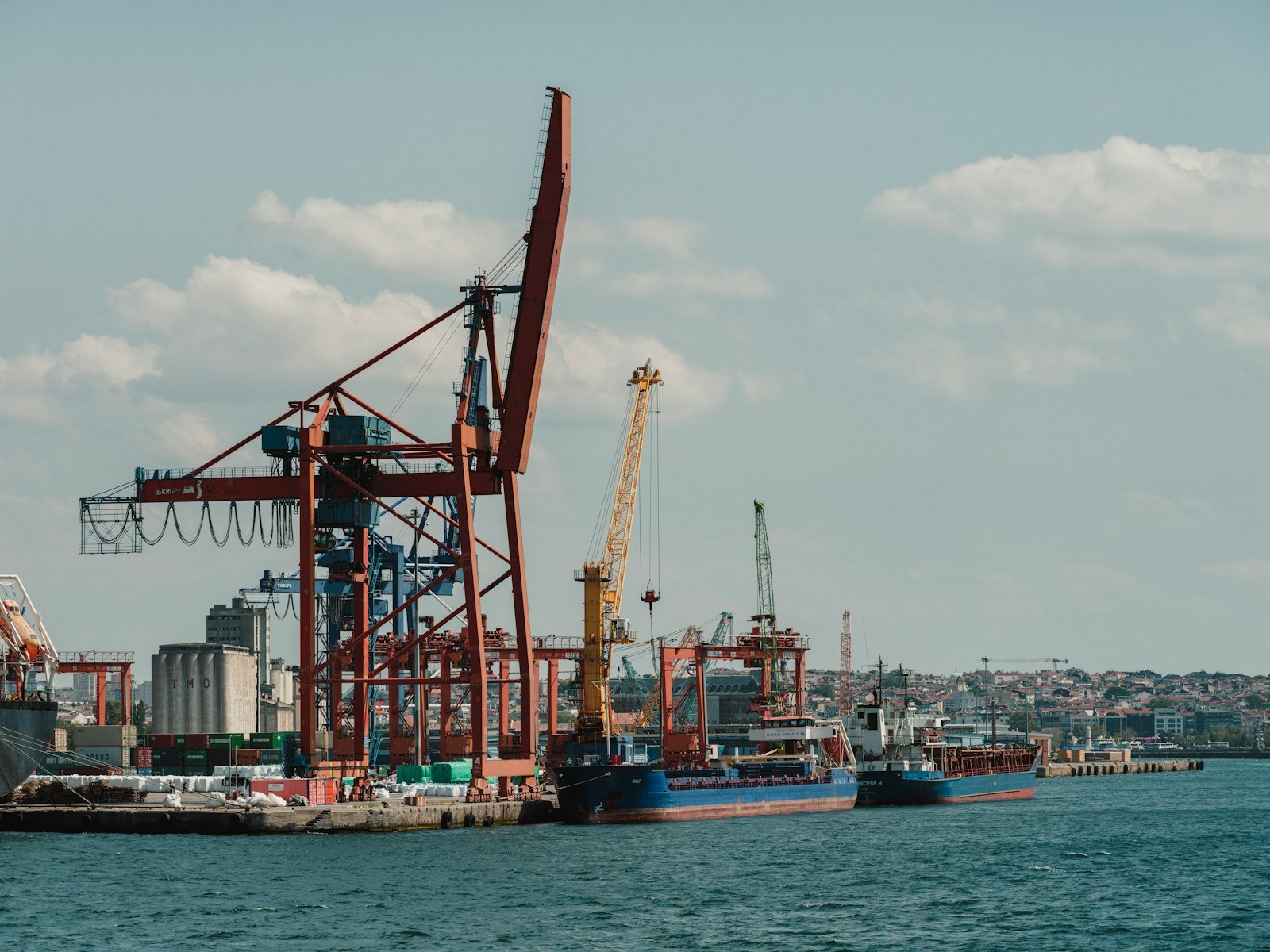
Pakistan and Oman have begun discussing a plan to formally link Gwadar Port with Oman’s Sohar Port as “sister ports,” a step that officials on both sides say could open a direct maritime corridor between the China-Pakistan Economic Corridor (CPEC) and markets across the Gulf and Central Asia. Gwadar Port Authority Chairman Noor Ul Haq Baloch met Oman’s Consul General in Karachi, Sami Abdullah Salim Al Khanjari, on September 8, and the two agreed to work through their respective ministries to finalize a memorandum of understanding (MoU) in the coming weeks, according to a report in Dawn.
The talks are still at an early, non-binding stage. No MoU has been signed, and no operational arrangement is yet in place. But the framework under discussion is broader than a simple shipping tie-up, touching aviation, investment, fisheries, and port technology — and it arrives at a moment when Gwadar’s backers are actively looking for commercial partners beyond its original China-centric mandate.
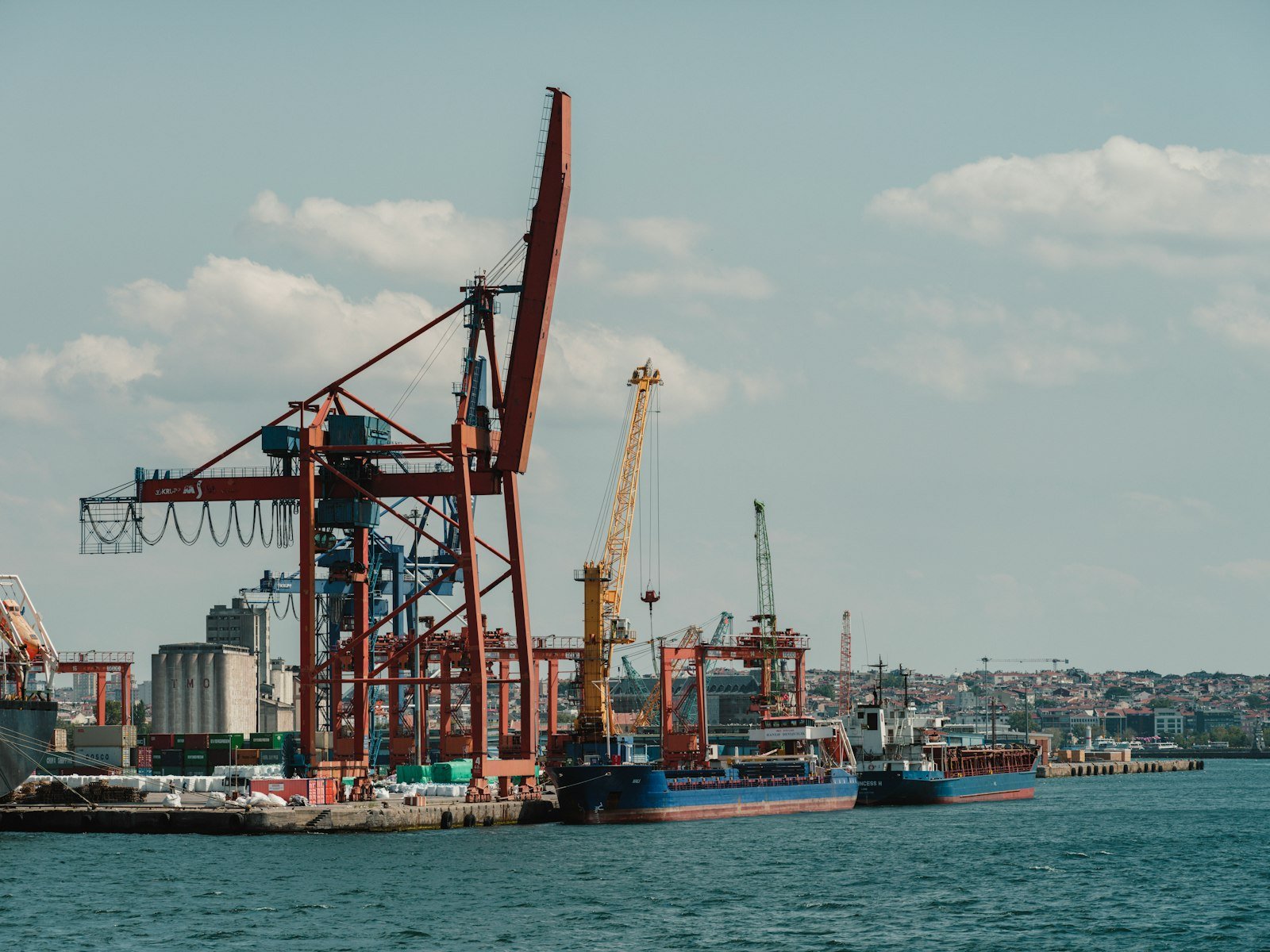
Image: engin akyurt / Unsplash
What Was Agreed in Karachi
According to officials cited by Dawn and the Omani consulate, the proposed cooperation framework covers several tracks at once. A direct air link via SalamAir, Oman’s low-cost carrier, would use the newly developed Gwadar International Airport — a concrete step that would give the sister-port arrangement a passenger and light-cargo dimension beyond shipping alone. Omani investors have also been invited to explore opportunities in the Gwadar Free Zone, which already offers long lease terms and an extended tax holiday to attract foreign capital.
Beyond aviation and investment, the two sides discussed joint ventures in logistics and warehousing, cooperation on fisheries — an industry central to Gwadar’s coastal economy — and technical assistance in port management, dredging, digital port operations, and staff training. Al Khanjari is reported to have offered Oman’s “full support for advancing the proposed cooperation framework,” while both sides agreed to carry the discussion forward through formal ministerial channels rather than treat the Karachi meeting as a one-off courtesy call.
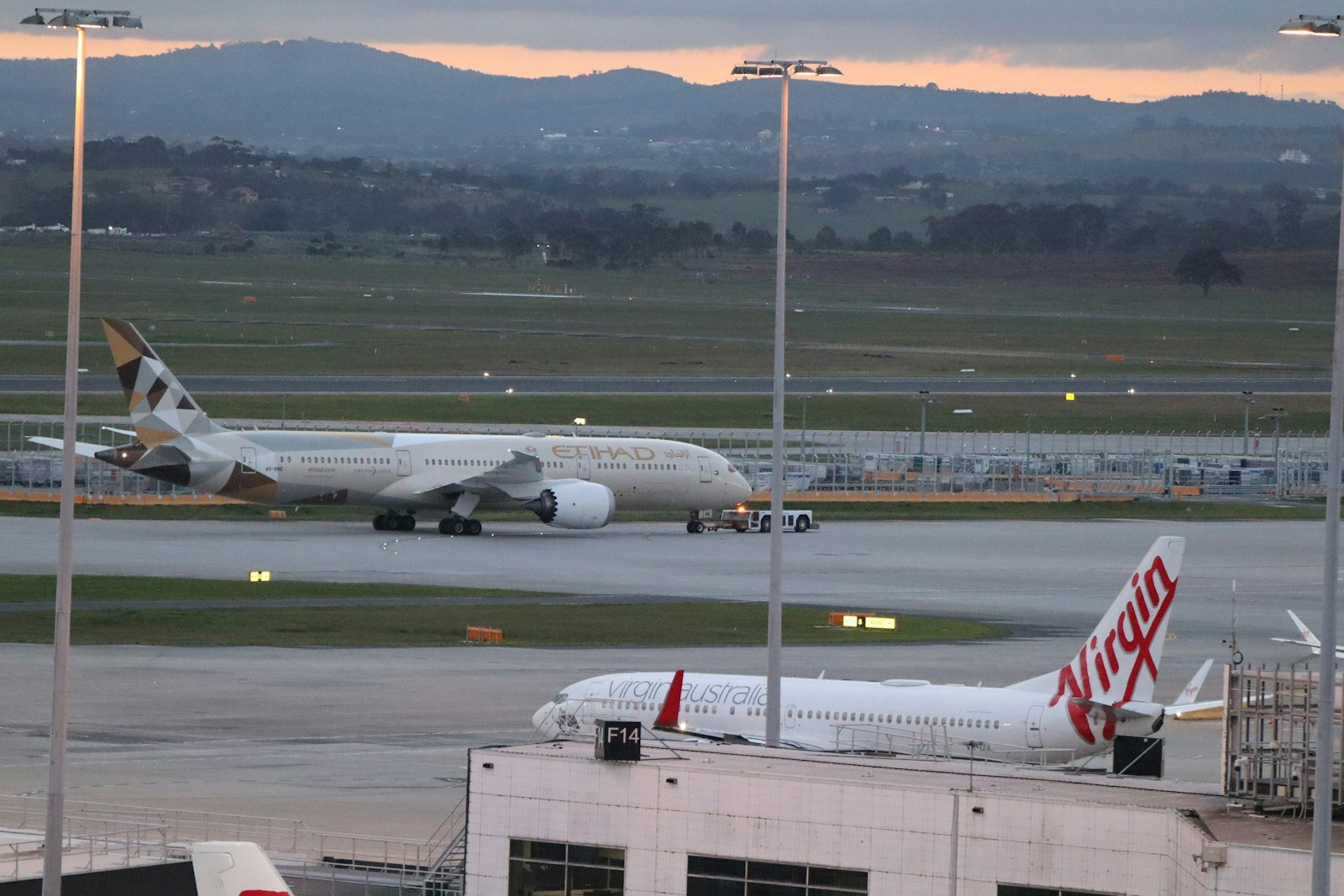
Image: bobert richards / Unsplash
A Precedent Already on the Water
The idea of a Gwadar-Sohar link is not purely theoretical. In May 2026, the vessel MV Bi Jia Shan, carrying roughly 53,277 metric tons of prime steel billets — about 20,669 pieces — in a shipment originally bound for Sohar, was diverted to Gwadar for transshipment instead. Federal Minister for Maritime Affairs Muhammad Junaid Anwar Chaudhry called the vessel’s approximately 12.8-metre draft a demonstration of “the effectiveness of Gwadar Port’s deep-sea navigation channel,” and officials pointed to the diversion as evidence of “increasing confidence of international shipping lines” in the port’s capacity to handle large, deep-draft cargo.
That single shipment is the kind of data point the current round of diplomacy is trying to turn into a pattern rather than a one-off. If Gwadar and Sohar are formally linked as sister ports, with shared logistics arrangements and smoother customs coordination, officials on both sides argue that diversions like the Bi Jia Shan’s could become routine rather than exceptional.

Image: Morteza Mohammadi / Unsplash
Why Oman, Why Now
The timing is not incidental. Gwadar Port Authority has spent much of the past month publicly pushing back against the narrative that the port is commercially stalled — a debate sharpened by a recent round of analysis questioning whether China is losing interest in the project and by the Authority’s own rebuttal that it is being unfairly characterized as idle, pointing instead to free zone activity and new routes into Central Asia. A sister-port arrangement with Oman fits squarely into that defense: it gives Gwadar a non-Chinese commercial partner, a Gulf-facing trade identity distinct from its CPEC branding, and a concrete talking point — SalamAir flights, Omani investment, joint logistics ventures — to set against claims of stagnation.
For Oman, the logic runs the other way. Sohar Port, on the Gulf of Oman, already handles significant transshipment volumes and has its own ambitions as a regional logistics hub. A formal arrangement with Gwadar would give Omani shippers and investors an additional foothold on Pakistan’s coast and a shorter route into the markets CPEC is meant to serve, including Central Asia and western China, without requiring Oman to take a side in the broader geopolitics surrounding the corridor.
Diplomacy Is the Easy Part
Regional commentary on the talks has been notably measured. An analysis published in Daily Times the same week as the Karachi meeting put it plainly: “This is not a signed agreement, and it is not yet an operational arrangement.” The same piece argued that “diplomacy can open the door; sustained commercial activity will determine whether the partnership delivers,” stressing that vessel calls and cargo volumes — not memoranda — are the metrics that will ultimately decide whether the Gwadar-Sohar link amounts to anything more than a joint statement.
That caution echoes a pattern already visible in Gwadar’s wider story. Cargo volumes through the port have been rising, but security conditions along CPEC’s connecting routes remain a persistent constraint on how much of that growth can be sustained or scaled. An MoU with Oman, if finalized, would add a new commercial track to Gwadar’s portfolio — but it would not by itself resolve the infrastructure gaps and security questions that have shaped skepticism about the port’s commercial trajectory for years.
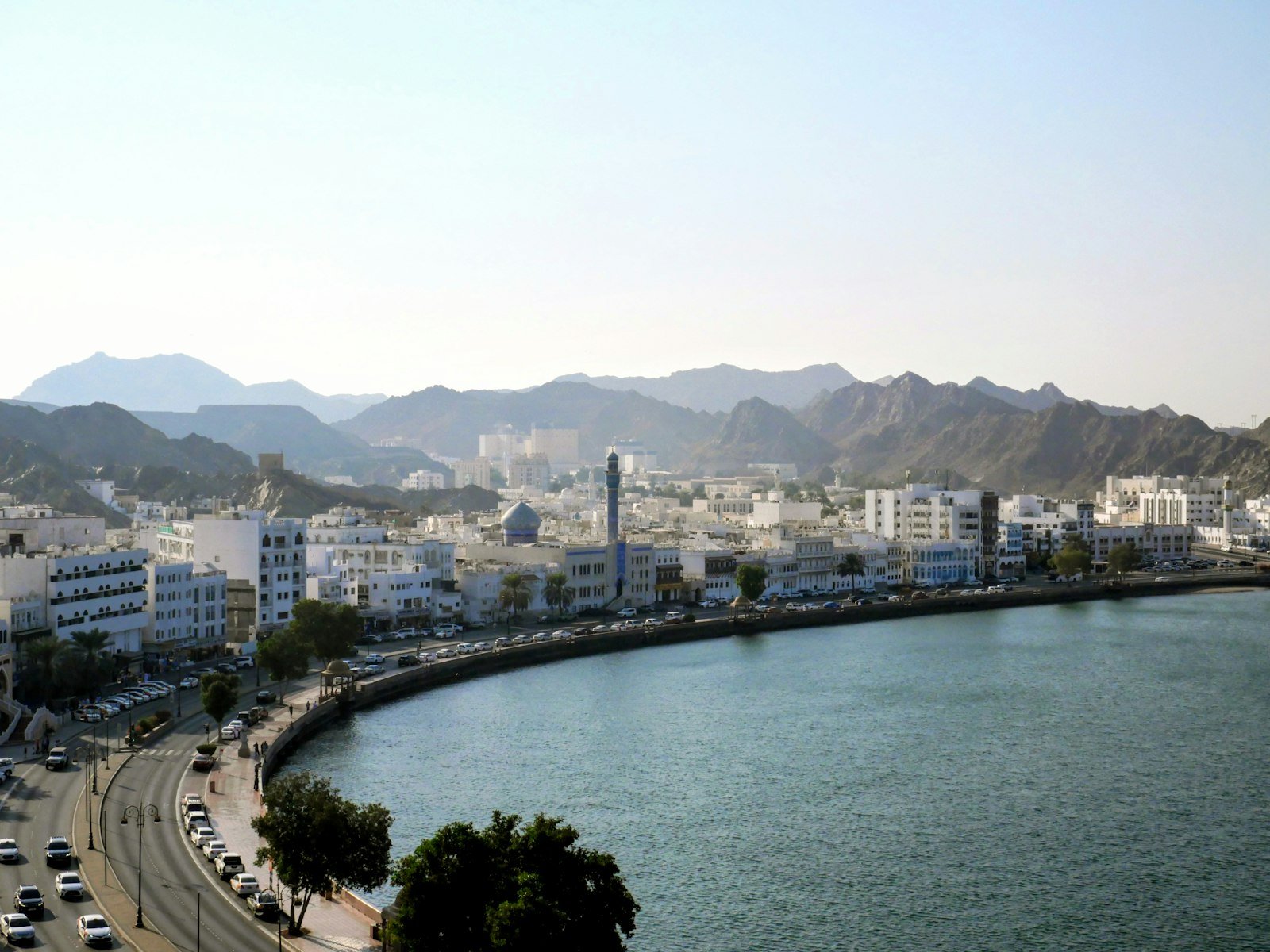
Image: Andy Arbeit / Unsplash
What Comes Next
Both governments have pointed to “the coming weeks” as the window for finalizing the MoU through their respective maritime and foreign ministries. No financial figures, binding timelines, or specific investment commitments have been disclosed publicly so far, and officials have not said whether the agreement, once signed, would be made public in full or summarized through official statements.
For now, the Gwadar-Sohar discussion stands as one more data point in a year of mixed signals about the port’s commercial direction — a diplomatic opening with real precedent behind it, but one that, by the admission of officials and analysts on both sides, still has to be converted into the kind of routine shipping traffic that would make the “sister port” label more than a label.