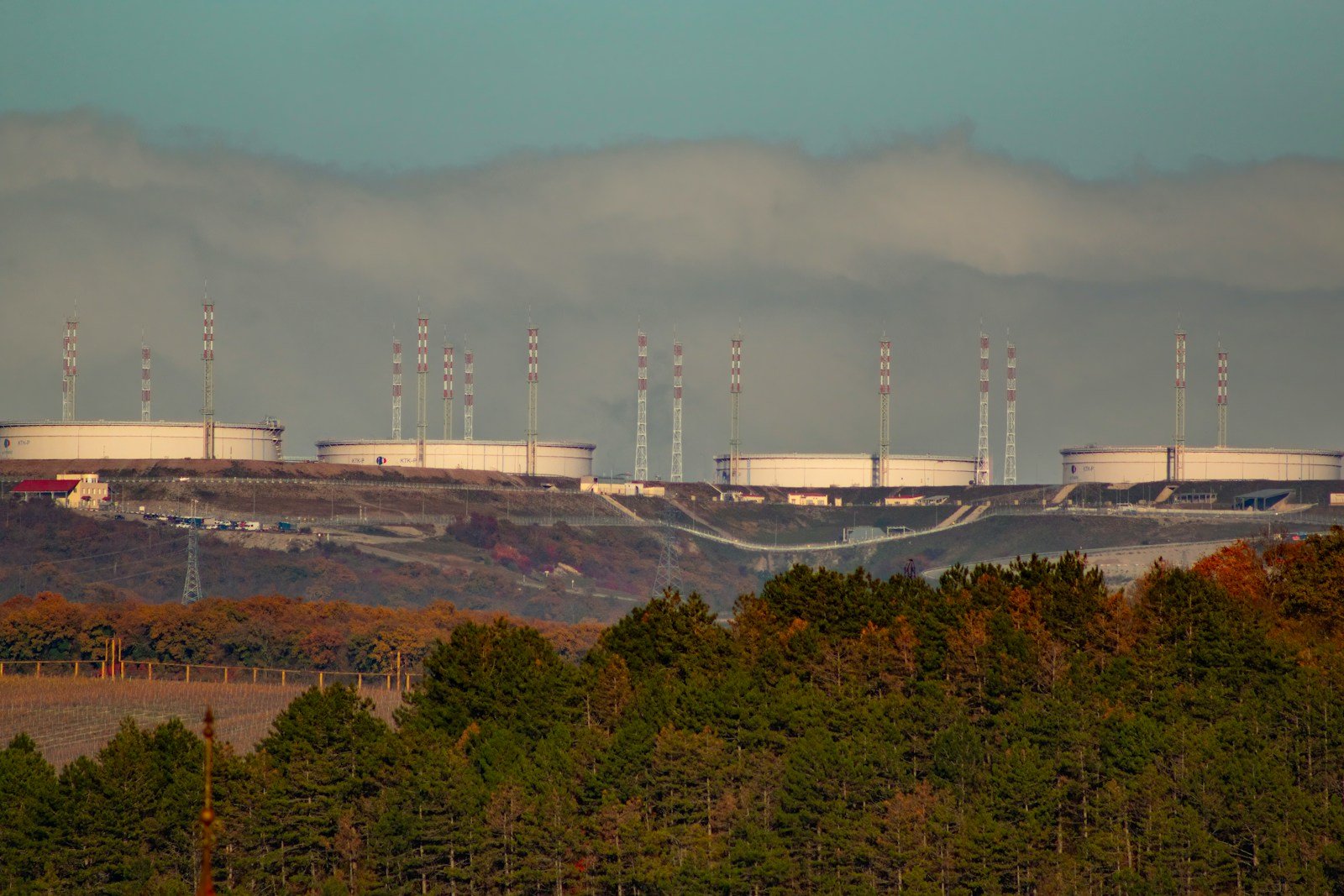
Gwadar’s port traffic still arrives a handful of ships at a time, but the pitch Islamabad is making to investors has grown considerably larger on paper. Between a free zone offering some of the longest tax holidays in the country and a proposed liquefied natural gas (LNG) terminal pitched at $3-4 billion, Pakistan is betting that incentives, not just geography, will finally fill Gwadar’s empty industrial plots.
The clearest picture of where things stand came in two separate briefings this year: one to Pakistan’s Senate in February on the state of Gwadar’s free zone, airport and highways, and another in July at a Pakistan-China logistics seminar in Beijing, where officials for the first time put concrete numbers on the next wave of projects under discussion.
What the Free Zone Actually Offers
Gwadar Free Zone spans roughly 2,281 acres and is now fully operational, according to the briefing Minister for Parliamentary Affairs Dr Tariq Fazal Chaudhry gave the Senate on behalf of Planning Minister Ahsan Iqbal. The zone’s pitch to prospective tenants rests on a short list of concessions:
- A 23-year holiday on federal, provincial and local taxes
- Land leases running up to 99 years
- Exemption from import duties and sales tax on machinery and equipment brought in for zone projects
- “One-window” facilitation meant to cut through the usual regulatory sequence
- Ready-built warehousing, office units and internal security infrastructure
The zone is being marketed specifically at agricultural processing, mineral processing and fisheries-linked industry, sectors that, on paper, line up with what Balochistan actually produces rather than industries built from nothing. Gwadar Port Authority leaned on the same free zone figures last month when pushing back on claims that the port itself is sitting idle.
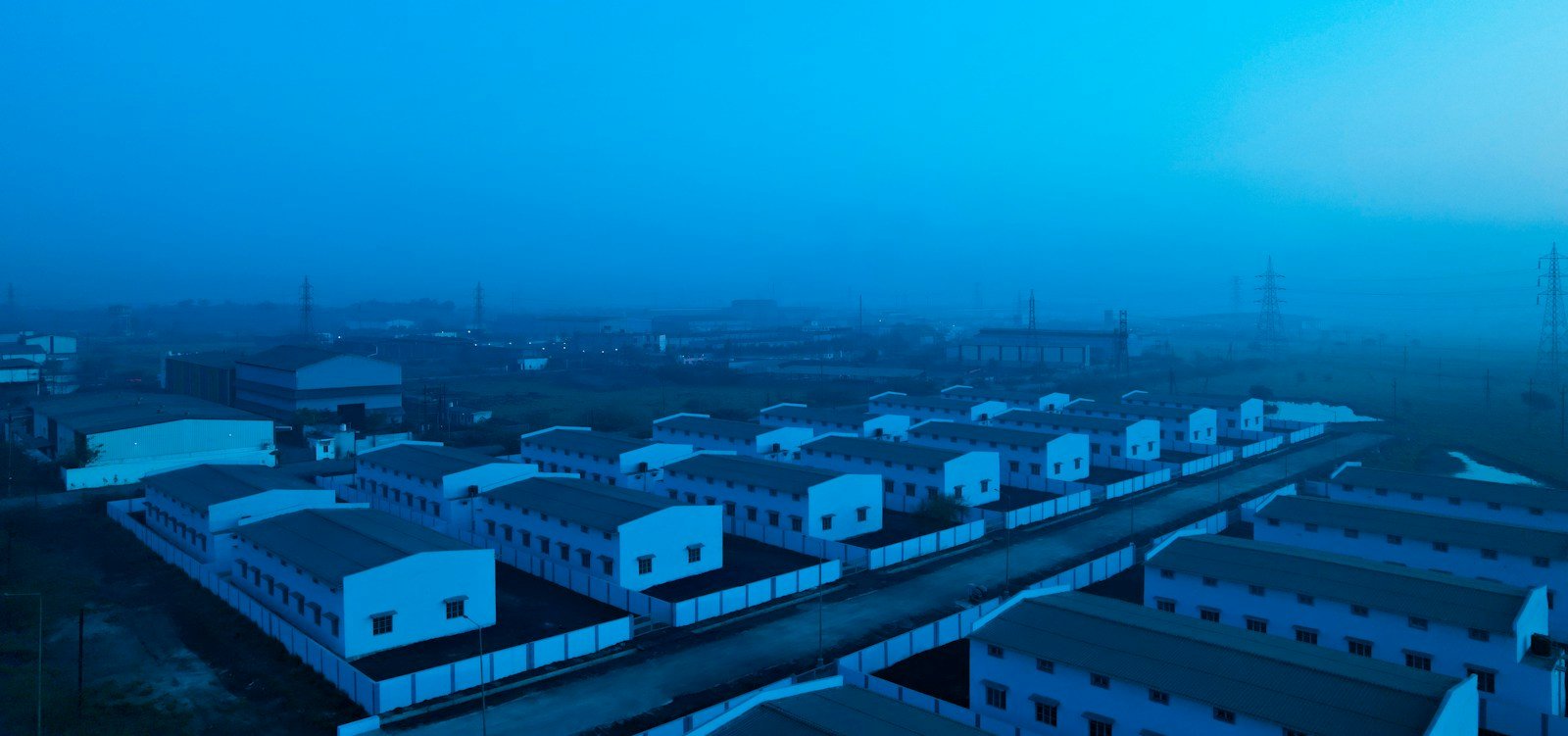
The $10 Billion Conversation in Beijing
The bigger number came out of an international seminar in Beijing in July, titled “Promoting Economic Growth through the Pakistan-China International Logistics Hub.” Federal Minister for Maritime Affairs Junaid Anwar Chaudhry led the Pakistani delegation, alongside Gwadar Port Authority Chairman Noor ul Haq Baloch and Chinese logistics investors including Lin Jianhui, chairman of Luhang Rail Transportation Technology Company, according to a readout of the seminar.
The centerpiece discussed was an LNG terminal with a proposed $3-4 billion price tag, designed around roughly 35 billion cubic feet of storage capacity spread across about 125 acres. Officials also raised port-linked industries, including warehousing, ship repair, fisheries processing and renewable energy, as areas where they want Chinese capital to follow.
“Gwadar Port, and the Gwadar Free Zone, offer significant opportunities to expand trade, investment, and economic activity across the region.”
Junaid Anwar Chaudhry, Federal Minister for Maritime Affairs
Chairman Baloch’s framing of Gwadar’s pitch was geographic as much as financial: a location he described as sitting “at the crossroads of the Middle East, Central Asia, South Asia, and western China.” It is the same argument Pakistani officials have made for over a decade, though the dollar figures attached to it keep climbing. Combined initiatives discussed at the seminar were put at more than $10 billion by officials present, a figure that covers proposals on the table, not signed, financed contracts.

The Roads Meant to Carry All of It
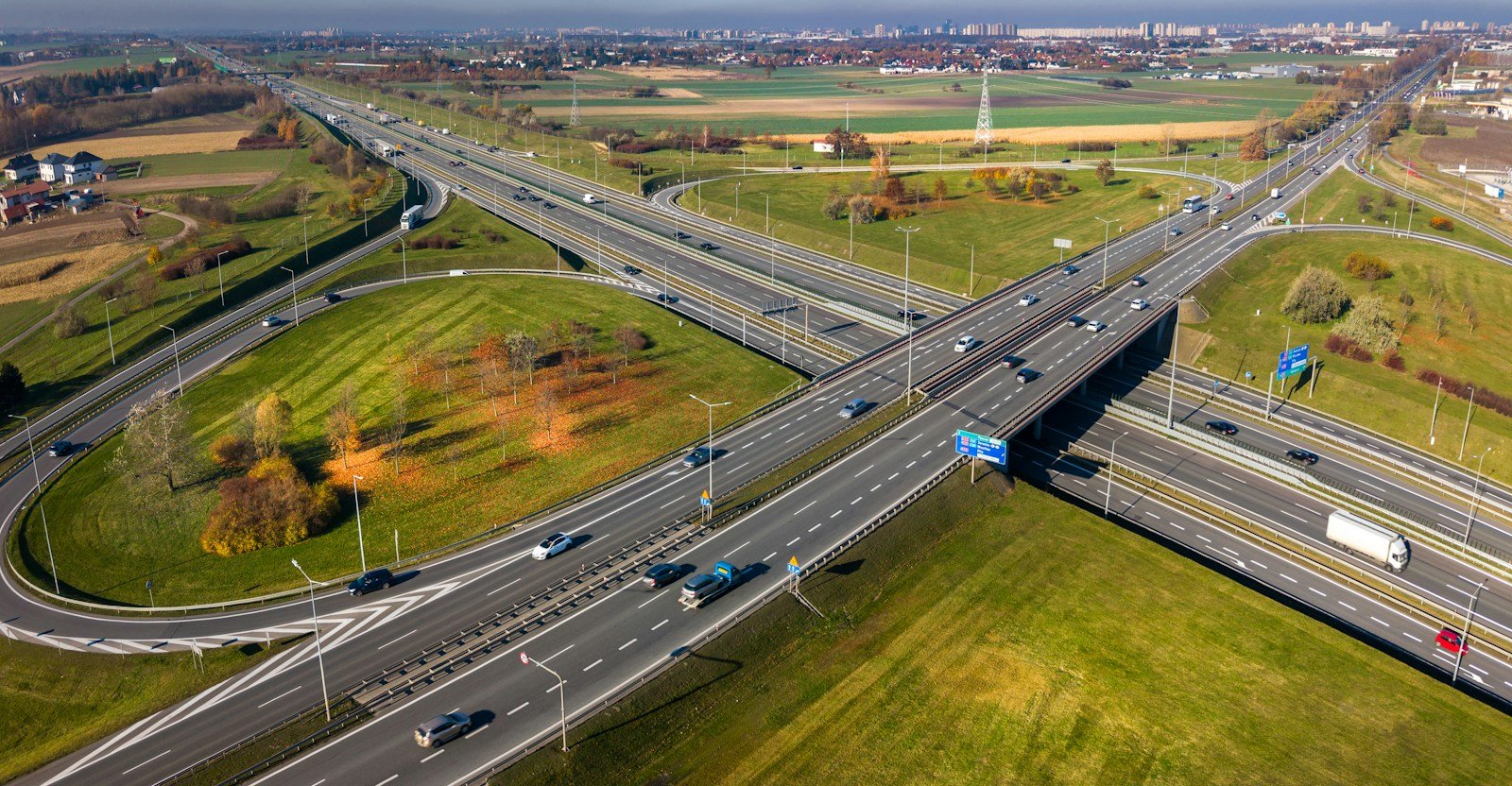
None of this works without the roads connecting Gwadar to the rest of the country. The Senate briefing listed four highways as the backbone of that plan, according to Profit by Pakistan Today’s report on the session:
- The M-8 Ratodero-Gwadar motorway
- The N-85 Hoshab-Surab highway
- The N-10 Makran Coastal Highway, linking Gwadar to Karachi via Pasni and Ormara
- The N-25 Karachi-Quetta (Chaman) highway, upgraded with federal funding
The coastal highway in particular has had a rough few weeks of its own: customs officials recently reported seizing more than Rs154 million in smuggled goods along that same route, a reminder that the corridor carries informal trade as readily as the formal kind it is meant to serve.
Gwadar’s new international airport, which became operational in January 2025, rounds out the connectivity picture the government points to when courting investors, though US-aligned interest in a rival facility at nearby Pasni has shown that Gwadar’s position as the region’s only option is no longer unchallenged.
A Pitch That Still Has to Prove Itself
Neither the incentive structure nor the Beijing seminar numbers resolve the question that has dogged Gwadar for most of the past decade: whether announced investment turns into built, operating industry. Even the port’s defenders concede commercial throughput remains modest, and the debate over whether Beijing’s enthusiasm for Gwadar is cooling has not gone away simply because a new terminal was discussed in principle.
What is different this time, on the numbers made public so far, is the specificity: a named terminal size, a named acreage, a named company at the table. Whether the $3-4 billion LNG proposal becomes a signed, financed project, or joins a long list of Gwadar announcements that stalled at the memorandum stage, is the thing worth watching over the next several Pakistan-China exchanges.
FAQ
What tax incentives does Gwadar Free Zone offer investors?
A 23-year holiday on federal, provincial and local taxes, land leases of up to 99 years, and exemptions from import duty and sales tax on machinery and equipment brought in for zone projects.
How big is the proposed Gwadar LNG terminal?
Officials have discussed a $3-4 billion facility with roughly 35 billion cubic feet of storage capacity on about 125 acres, raised at a Pakistan-China logistics seminar in Beijing in July 2026.
Which highways connect Gwadar to the rest of Pakistan?
The M-8 Ratodero-Gwadar motorway, the N-85 Hoshab-Surab highway, the N-10 Makran Coastal Highway via Pasni and Ormara, and the N-25 Karachi-Quetta highway.
Is the Gwadar Free Zone currently operational?
Yes. Pakistan’s Planning Ministry told the Senate in February 2026 that the roughly 2,281-acre zone is fully operational, targeting agricultural, mineral-processing and fisheries-linked industry.