Featured image: Compagnons / Unsplash (representative image)
Gwadar’s development authority has put a price tag on the city’s next decade: roughly Rs280 billion in planned projects under the Gwadar Smart Port City Master Plan, a phased urban programme meant to carry the port town from 2025 through 2035. The figure covers everything from a new central business district to desalination plants, and officials say the plan has now moved into its second phase. But a close look at how the number was arrived at shows it is closer to a roadmap than a funded construction budget – a distinction that has mattered before in Gwadar’s development history.
What the Plan Covers
The Gwadar Development Authority (GDA) has laid out the Rs280 billion programme across several strands, according to officials cited in Pakistani press reports in May 2026. The headline items include a Central Business District and new Special Economic Zones, an expanded GDA housing scheme, commercial centres and public spaces, and a cluster of museums and heritage facilities tied to Old Town rehabilitation. On the infrastructure side, the plan calls for internal and external road upgrades, underground electricity cabling, solar streetlighting, and roughly 200 kilometres of new water pipelines paired with desalination capacity – an echo of the desalination push that has already eased Gwadar’s chronic water shortage over the past year. Coastal and tourism-oriented resorts round out the list.
Officials describe the current stage as the plan’s second phase, with a stated focus on “modern urban infrastructure, industrial development, socio-economic improvement, environmental protection” and tourism promotion, according to reporting in The Nation. The ten-year framework is meant to build on the original Gwadar master plan, which the GDA first approved in 2019 and which the China-Pakistan Joint Coordination Committee ratified that November – a reminder that Gwadar’s urban blueprint has been revised and re-announced more than once over the past several years as funding and priorities shifted.
A Roadmap, Not Yet a Budget
The Rs280 billion figure comes with an important caveat that is easy to lose in the headline number: it represents an estimated programme of works, not money that has been allocated for construction. Provincial officials say the comprehensive plan still needs to go to the Balochistan government first, and from there to federal authorities in Islamabad, with hopes of securing a line item in the 2026–27 federal budget. Until that approval and funding process plays out, the projects on the list remain proposals rather than commitments.
That sequencing matters in a province where planned public works have a mixed record of translating into finished infrastructure on schedule. A separate Rs591 million irregularity in Gwadar’s water-sector spending, flagged by Balochistan’s Public Accounts Committee this month, is a reminder of the scrutiny large public allocations face once they do reach implementation.
Signs of Momentum at the Port Itself
Even as the master plan awaits budget approval, Gwadar Port’s operational side has shown concrete, near-term movement that officials are pointing to as evidence of momentum. In May 2026, port authorities cut berthing fees for container vessels and transit or transshipment cargo ships by 25 percent, reduced international transshipment container charges by 40 percent and transit container charges by 31 percent, and introduced a month of free storage for general cargo – incentives layered on top of the sharp rise in transit cargo the port has handled this year as shipping has rerouted around the Strait of Hormuz crisis.
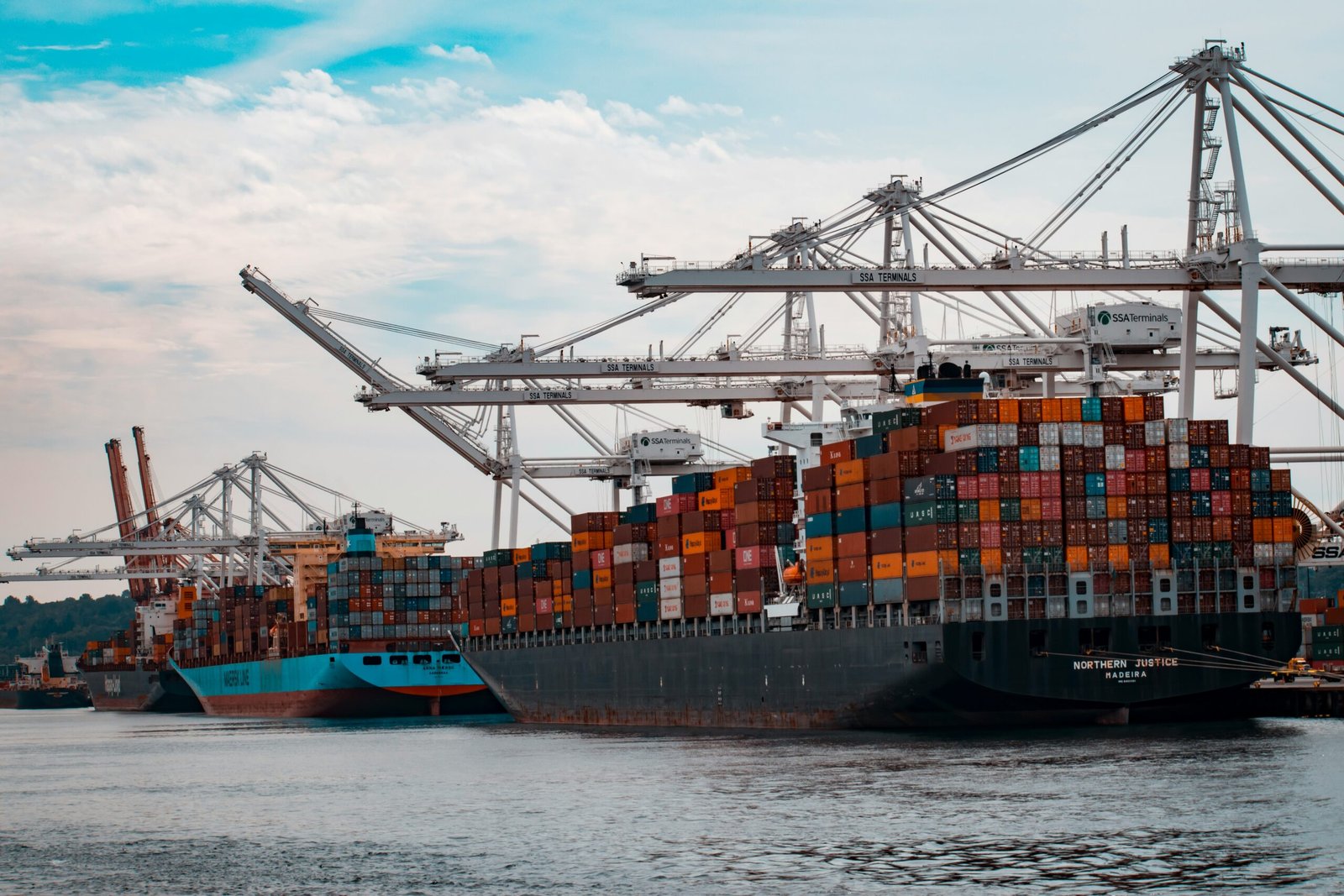
On May 24, 2026, the port processed the MV BI JIA SHAN, which arrived carrying 53,277 metric tonnes of steel billets – one of the larger single cargo calls in the port’s history and a data point officials cite as proof Gwadar can handle deep-sea vessels at scale. Separately, South Air completed a trial flight to the new Gwadar International Airport that same month, an early step toward regular domestic air links for a city whose $230 million airport has so far seen limited scheduled traffic.
The Wider Corridor Backdrop
The Gwadar plan does not exist in isolation from the broader China-Pakistan Economic Corridor. Total CPEC investment has grown from the roughly $46 billion pledged at the programme’s 2015 launch to an estimated $62 billion today, according to analysis published by The Friday Times this month, with the increase driven largely by energy projects – 14 completed power schemes have added about 8,020 megawatts to the national grid, with several more, including a 300-megawatt coal-fired plant at Gwadar, in development.
That same analysis noted that security remains the corridor’s central constraint: Pakistan has deployed a Special Security Division of more than 15,000 personnel to protect CPEC sites and Chinese nationals, alongside composite battalions along key routes, after fatal attacks on Chinese workers in past years. Balochistan’s provincial assembly has separately pushed for a greater formal role in shaping CPEC’s next phase, according to Dawn, arguing the province should have more say over how projects like Gwadar’s master plan are sequenced and funded – a debate that will likely shape whether the Rs280 billion programme moves from paper to construction sites on the timeline officials are describing.
For now, Gwadar’s next decade exists mainly as a plan awaiting a budget line. Whether the Central Business District, new SEZs and tourism resorts follow the same path as the port’s already-completed desalination and expressway projects, or join a longer list of announced-but-unbuilt schemes, will depend on decisions still pending in Quetta and Islamabad.