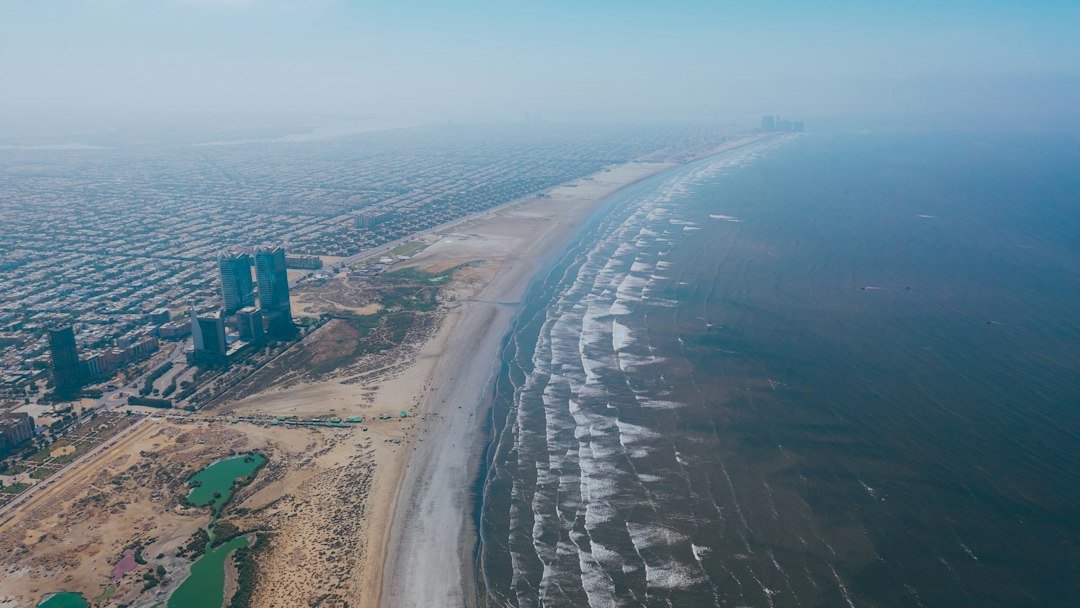
A year after it first surfaced in Financial Times reporting, a proposal to build a US-linked commercial port at Pasni — a Makran coast fishing town barely 110 kilometres from China’s Gwadar Port — is still drawing attention from regional analysts. The Diplomat revisited the question in a September 2026 analysis asking bluntly why Washington is eyeing a foothold so close to Gwadar, even as Pakistani officials continue to describe the idea as exploratory rather than settled policy.
The proposal has not resulted in a signed agreement, a construction start date, or a public US government commitment. But it has persisted in reporting and analysis for a full year, which is itself notable given how many announced Gwadar-region projects — from the original 2019 master plan to this year’s Rs280 billion master plan revision — have moved slowly from paper to construction.
What Pakistan Put on the Table
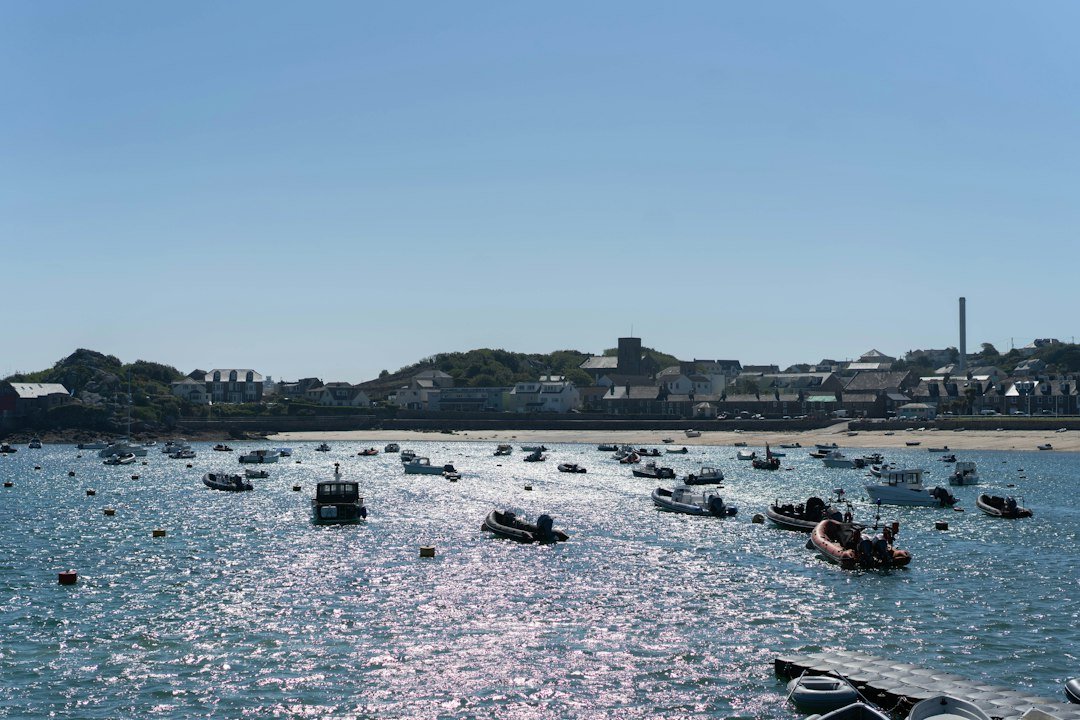
According to Financial Times reporting from October 2025, advisers to Pakistan’s army chief, Field Marshal Asim Munir, floated a plan to develop Pasni — a town of roughly 70,000 people — into a deep-sea commercial port with American investment. The estimated cost is up to $1.2 billion, financed through a mix of Pakistani federal money and US-backed development finance, with reports specifying no direct US military basing to avoid establishing a formal foreign military installation.
Geography is central to why the idea draws scrutiny. Pasni sits roughly 110–112 kilometres from Gwadar, which China’s Overseas Port Holding Company has operated under a 40-year concession since 2013, and about 150–160 kilometres from Pakistan’s border with Iran. The proposal reportedly includes a new rail line connecting Pasni to Balochistan’s Reko Diq copper-gold belt in the province’s interior, giving any future port a direct link to the minerals it would be built to export.
The Minerals Behind the Pitch
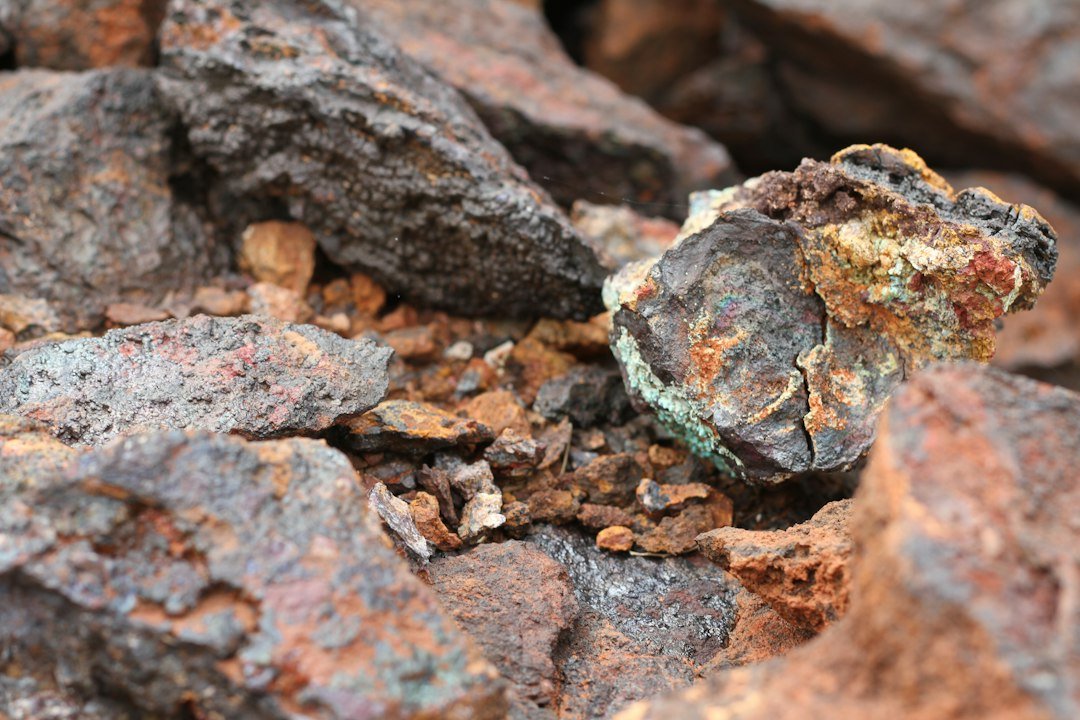
The commercial logic Pakistan has presented to Washington centres on critical minerals rather than shipping volume alone. Reports describe the port as a gateway for exporting copper, antimony, neodymium and praseodymium — inputs used in batteries, fire retardants, magnets and defence applications that the United States has designated strategically important.
That framing gained a concrete data point in September 2025, when US Strategic Metals (USSM) signed a memorandum of understanding with Pakistan’s Frontier Works Organisation to explore mineral-refining cooperation, part of a roughly $500 million collaboration. Pakistan has since shipped an initial consignment of critical minerals to USSM. The port pitch itself was reportedly shared with Munir ahead of a visit to the United States in mid-2025 and surfaced again around a White House meeting with President Trump in September 2025, where Pakistani officials presented mineral samples.
Why Washington Hasn’t Said Yes
Nothing about the Pasni proposal has moved to formal government-to-government commitment. A senior Trump administration official told reporters at the time that the president had not personally discussed such a port proposal. Pakistani security sources have been similarly careful, describing the idea as a “commercial idea” that “surfaced in private discussions” with US businesses rather than an official policy submitted through formal channels, and stating there is “no plan to hand over Pasni’s security to any foreign power.” Neither Pakistan’s government nor its Foreign Office has issued a formal denial that talks occurred, which has left the proposal in a kind of reporting limbo — acknowledged indirectly, confirmed by no one.
Retired Indian Vice Admiral Shekhar Sinha, former head of India’s Western Naval Command, has publicly questioned the strategic logic. He has noted that the US Navy’s Fifth Fleet, based in Bahrain, already covers Arabian Sea operations, and argued that placing an American-linked facility barely 110 kilometres from a Chinese-operated port would create “a direct face-off, which is tactically not a sound situation” rather than a straightforward commercial arrangement.
What It Would Mean for Gwadar
For Gwadar, the Pasni idea is less a competing port than a geopolitical neighbour. Gwadar’s own path this year has been about widening its regional network on China-aligned terms: a sister-port arrangement with Oman’s Sohar Port announced this month, a Gwadar Free Zone that still offers a 23-year tax exemption to investors as the port authority continues pushing back on claims it is being kept idle, and a cargo surge tied to disruption in the Strait of Hormuz. A US-linked commercial port less than two hours’ drive away would sit inside the same security perimeter that Pakistan has built around CPEC, including the Special Security Division protecting Chinese personnel and infrastructure, and the same stretch of coastline where an attack near the Iran border killed four National Logistics Cell employees earlier this month.
That overlapping geography is precisely what makes the proposal notable rather than incidental. Any American commercial presence at Pasni would operate in the same province, along the same coastline, and under the same security threats that have shaped Gwadar’s development for over a decade — while Pakistan continues to insist, publicly, that its 40-year concession arrangement with China at Gwadar itself is not in question.
What to Watch Next
A year on from the original Financial Times report, the Pasni proposal remains where it started: discussed, reported, analysed, but not formally confirmed by either government, funded, or broken ground on. The Diplomat’s return to the question in September 2026 suggests regional analysts still see it as unresolved rather than shelved. Whether it develops into an actual construction project, or remains a talking point in the wider US-Pakistan-China triangle over Arabian Sea access, will depend on decisions in Islamabad and Washington that, as of this month, neither side has made public.
Frequently Asked Questions
What is the Pasni port proposal?
It is a reported plan, first detailed by the Financial Times in October 2025, for Pakistan to develop a deep-sea commercial port at Pasni with US investment, estimated at up to $1.2 billion, aimed partly at giving the United States access to Pakistani critical minerals such as copper and antimony.
How far is Pasni from Gwadar?
Pasni is located roughly 110 to 112 kilometres from Gwadar, the port China has operated under a 40-year concession since 2013, and about 150 to 160 kilometres from Pakistan’s border with Iran.
Has the Pakistani government officially confirmed the Pasni plan?
No. Pakistani security sources have described it as an exploratory “commercial idea” discussed privately with US businesses, not an official government policy, and neither Pakistan’s government nor its Foreign Office has issued a formal statement confirming or denying the talks.
Why is the idea considered strategically sensitive?
Because of its proximity to Gwadar and to Iran. Critics, including retired Indian Vice Admiral Shekhar Sinha, have questioned the strategic logic of placing a US-linked facility so close to a Chinese-operated port, and the area sits within a security zone that has already seen attacks on infrastructure workers.
What minerals is Pakistan offering as part of the pitch?
Reports cite copper, antimony, neodymium and praseodymium, with a planned rail link to the Reko Diq copper-gold belt in Balochistan’s interior, alongside a separate $500 million memorandum signed with US Strategic Metals in September 2025.