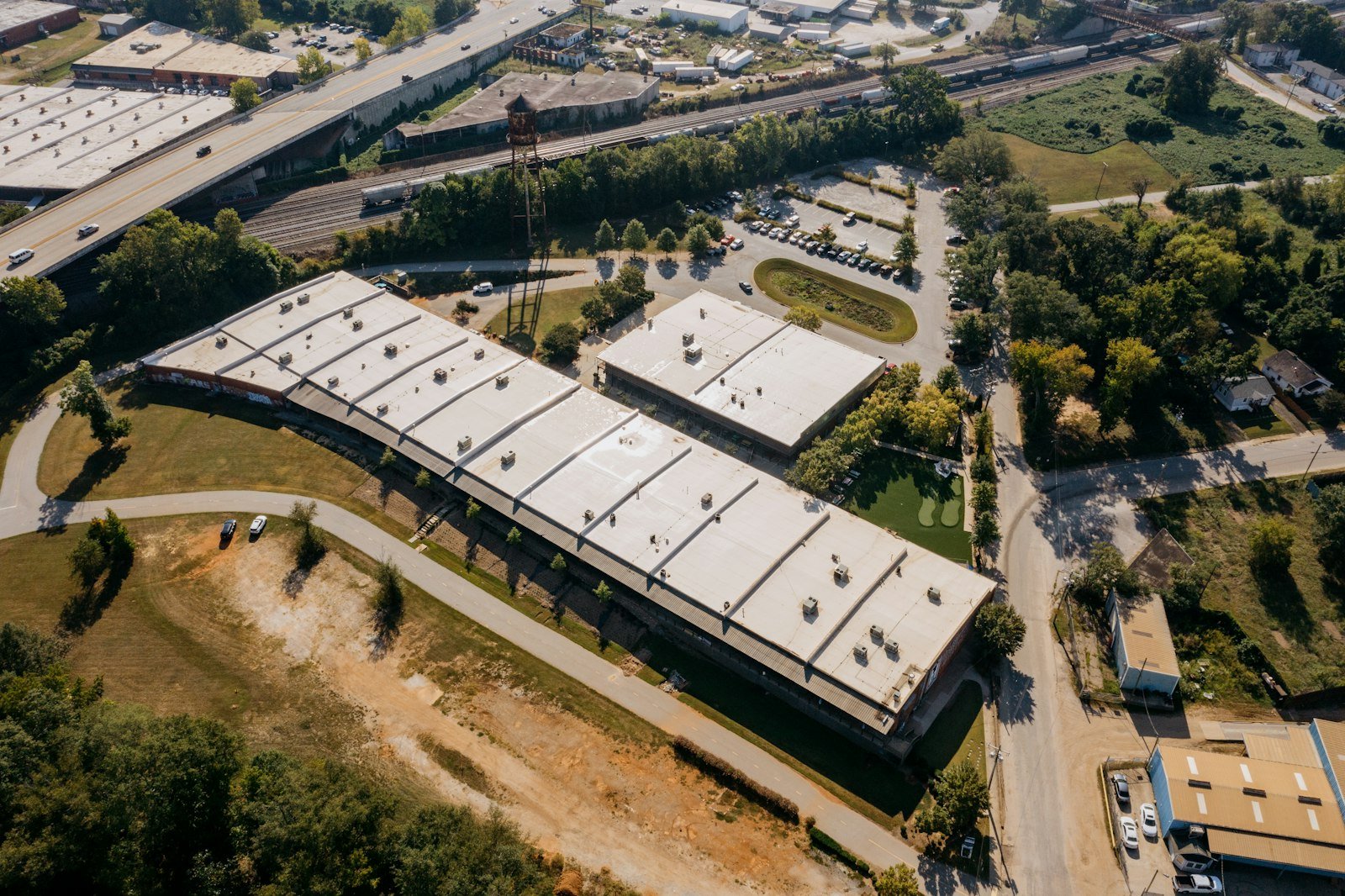
China’s Belt and Road spending figures for the first eight months of 2026 landed quietly in Beijing’s business press this week, but they carry a pointed message for Gwadar: the easy years of road-building and port concrete are giving way to a harder test of whether the city can actually attract factories, not just funding announcements.
According to data reported by The Nation on October 1, Chinese companies generated $99.39 billion in turnover from Belt and Road Initiative (BRI) projects between January and August 2026, up 12.5 percent year-on-year, while newly signed contracts were valued at $152.92 billion, a 2.4 percent increase in dollar terms. The numbers themselves are global, covering BRI engagement from Africa to Central Asia. But the shift they describe – away from pure infrastructure financing and toward investment-driven industrial cooperation – is exactly the test Gwadar has been waiting to take.
A Different Kind of Chinese Money
For most of its first decade, the China-Pakistan Economic Corridor (CPEC) was a story about things getting built: highways, a coal power plant, port berths, a free zone perimeter wall. That phase relied heavily on Chinese state financing for infrastructure that Pakistan’s own budget could not have carried alone, a point explored in our recent look at what a decade of CPEC construction in Gwadar actually produced.
What the new BRI figures describe is a different animal. Dr Hassan Daud Butt, a former CPEC Project Director who now advises Energy China, told The Nation that China’s own economy is moving “beyond growth based primarily on scale, capital accumulation and low-cost production towards advanced engineering, technological innovation.” In practice, that means Chinese capital is increasingly chasing industrial partnerships, energy and mineral development, and technology transfer, rather than simply pouring concrete for a government counterpart.
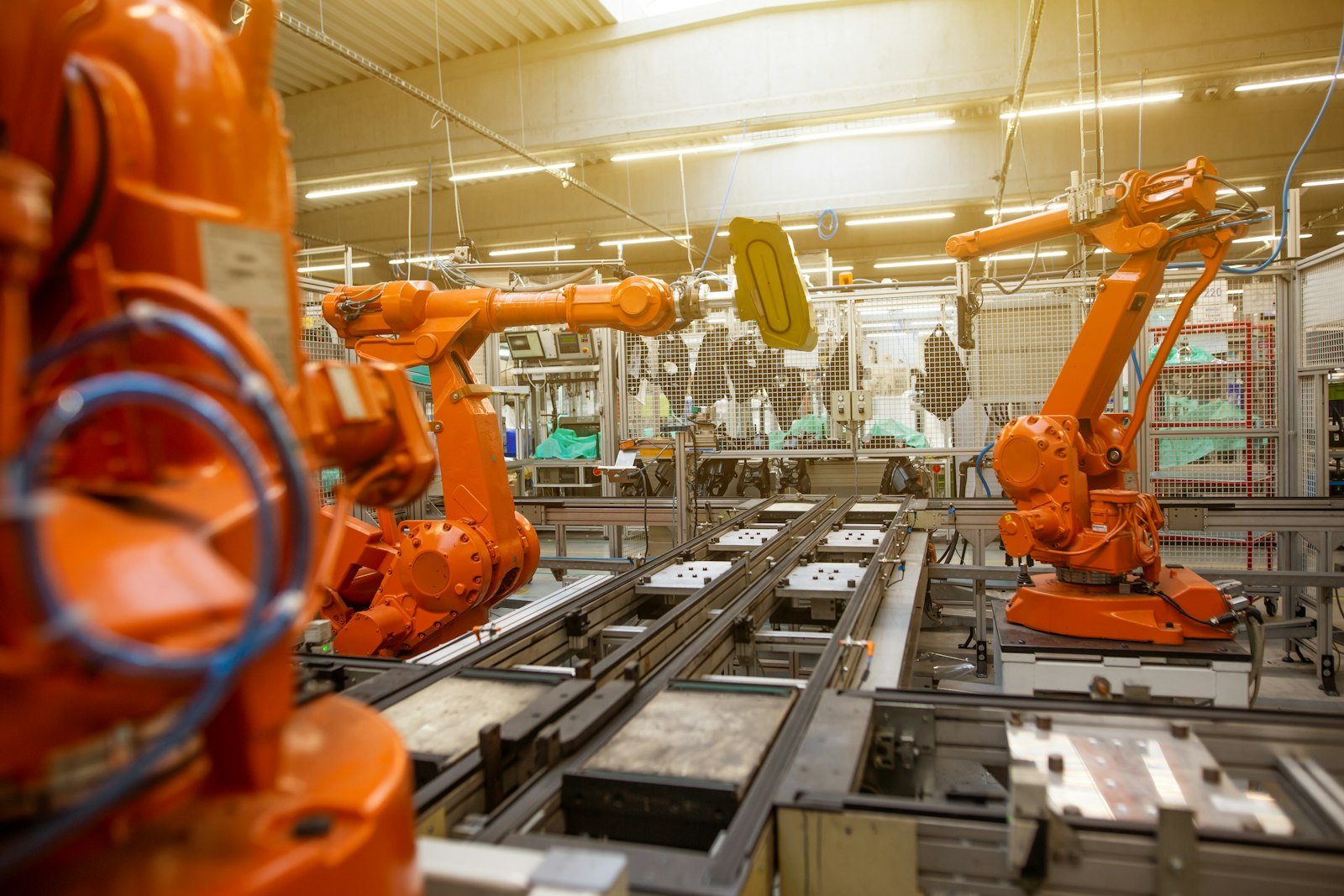
That is a harder sell for any location, because industrial investors ask different questions than infrastructure financiers do. They want reliable power and water, a trained workforce, predictable regulation, and proof that goods can move in and out profitably – not just a highway that technically connects two points on a map.
Where This Leaves Gwadar’s Free Zone
Gwadar already has the one thing this new phase of CPEC is supposed to reward: a free zone built and marketed specifically for the industries this shift favors. As we reported after the Senate’s briefing on Gwadar’s free zone, the 2,281-acre zone offers a 23-year tax holiday, 99-year land leases, and duty-free machinery imports, aimed at mineral processing, agricultural processing and fisheries-linked industry.
On paper, that lines up neatly with the sectors Dr Butt and other analysts say China’s investment model now favors: minerals, energy, and industrial processing over raw construction. Balochistan’s mineral wealth is the most obvious overlap. The province is already the subject of a separate, closely watched financing push at Reko Diq, where Pakistan has been courting US EXIM Bank financing alongside Barrick’s ongoing security review, so Gwadar’s pitch to Chinese industrial investors would not be competing in a vacuum; it would be one of several Balochistan-linked plays for the same category of capital.
The question, as it has been for years, is whether incentives on paper translate into tenants on the ground. Pakistan’s free zone pitch has existed for several years without filling most of its industrial plots, and the structural reasons for that – thin local supply chains, a small resident workforce, and the cost of importing even basic inputs to a town at the end of a long coastal highway – are not solved by a tax holiday alone.
The Capacity Gap Experts Are Flagging
Dr Mujeeb Ullah of the Pakistan Study Centre at the University of Peshawar framed the stakes in terms of what counts as a win under this new model. Investment’s value, he told The Nation, increases when it brings “technology, management practices, skills, supplier linkages and access to international markets” – not simply when a contract is signed. He argued success should be measured by concrete markers such as “financial close, joint venture production, and additional export capacity,” rather than by the size of a headline investment figure.
That is a notably stricter yardstick than the one CPEC announcements have typically been measured against, where a memorandum of understanding or a seminar pledge has often been reported as progress in itself. Dr Butt’s own recommendation for Pakistan was blunt: strengthen project preparation so that Chinese commercial interest converts into “executable projects,” rather than proposals that stall at the feasibility stage.
For Gwadar specifically, that suggests the city’s free zone marketing material and tax incentives are necessary but not sufficient. The debate over whether Beijing’s enthusiasm for the port itself is cooling – a question we examined in detail after a recent analysis reopened it – sits alongside a separate and arguably more decisive question: even where Chinese capital remains interested in Pakistan broadly, will it choose Gwadar’s industrial plots over competing sites elsewhere in the country or region.
What to Watch Next
None of the reported BRI figures name Gwadar directly, and no new Chinese industrial commitment specific to the city has been announced alongside them. What they offer instead is a clearer definition of the bar Gwadar now has to clear to benefit from CPEC’s next phase: fewer announcements, more “financial close” and operating factories.
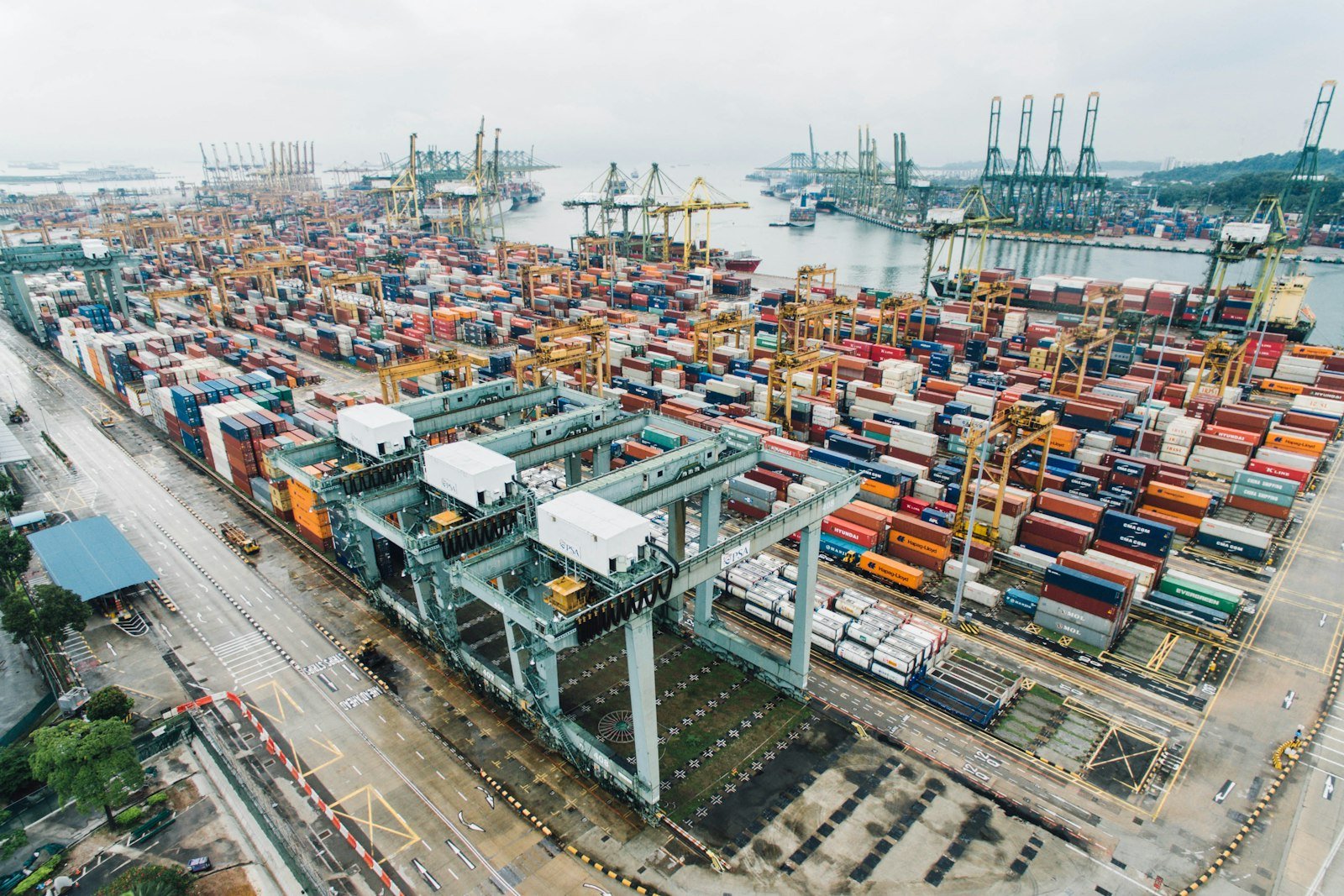
The practical markers worth tracking over the coming months are concrete and checkable: whether any mineral-processing or fisheries-linked tenant actually signs a lease in the free zone, whether the LNG terminal and other port-linked industrial proposals move from seminar discussion to financed contracts, and whether Chinese firms investing elsewhere in Pakistan’s minerals sector extend that interest to Balochistan specifically. Dr Butt’s own standard is as good a test as any for Gwadar’s next twelve months: not how large the next pledge sounds, but how many of today’s proposals turn into something a port inspector could actually walk through.
Sources
This report draws on BRI investment data and expert commentary first published by The Nation on October 1, 2026, in its report on China’s evolving overseas investment model and CPEC 2.0, alongside GwadarPost’s own prior reporting on Gwadar’s free zone incentives, the Reko Diq financing push, and the debate over China’s commitment to Gwadar Port, linked throughout this article.