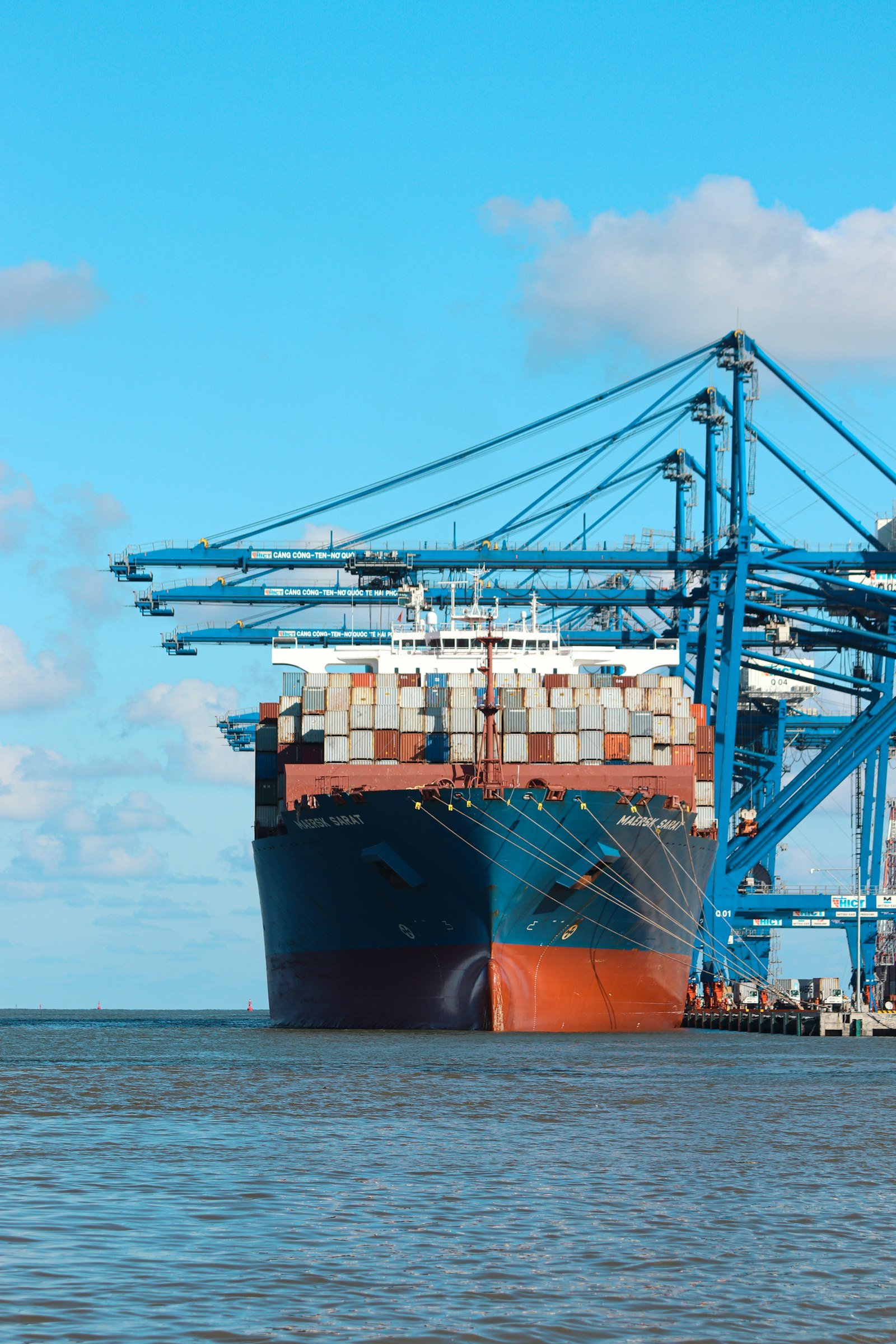
Pakistan opened its year-long chairmanship of the Economic Cooperation Organization this week by putting its seaports at the centre of the pitch. At the 30th ECO Council of Ministers meeting in Islamabad on November 15–16, Prime Minister Shehbaz Sharif told foreign ministers and heads of delegation from the bloc’s member states that Gwadar, Karachi and Port Qasim should serve as the maritime gateways for the region’s landlocked economies — a pitch aimed squarely at Central Asian states that have spent years looking for shorter, cheaper routes to open water.
A Chairmanship Built Around “Reviving Regionalism”
Pakistan formally holds the ECO chairmanship for 2026–2027 under the theme “Reviving Regionalism for a Resilient ECO,” a mandate it was handed at the organisation’s 29th Council of Ministers meeting a year earlier. This week’s two-day meeting in Islamabad, bringing together foreign ministers and senior officials from the bloc’s ten member states alongside the ECO Secretariat, marked the formal start of that term. Ministers adopted the Islamabad Communiqué and endorsed the Strategic Goals of Economic Cooperation for 2026–2035, which Sharif described as important steps toward turning the organisation’s stated priorities into practical outcomes. He urged member states to move past declarations and implement the agreements already on the books.
Why Gwadar and Karachi Matter to Landlocked Neighbours
ECO’s membership includes several countries with no direct access to the sea — Afghanistan, Kazakhstan, Kyrgyzstan, Tajikistan, Turkmenistan and Uzbekistan among them — all of which currently rely on neighbouring states for maritime trade routes. Pakistan’s pitch is that its own coastline, running from Karachi to Gwadar along the Arabian Sea, can shorten that dependency. Karachi Port and Port Qasim already handle the bulk of Pakistan’s container and cargo traffic; Gwadar, developed under CPEC as a deep-water port near the mouth of the Gulf, is being offered as a third option with room to grow. That room is, in fact, the point: a research report published earlier this month found Gwadar Port running at under 1% of its designed capacity, meaning the port has far more spare throughput than its current traffic would suggest — if the roads, rail links and customs arrangements needed to fill it can be put in place.

Five Priorities for Pakistan’s Term
Following the ministerial session, Deputy Prime Minister and Foreign Minister Ishaq Dar, who chaired the meeting, set out five priorities for Pakistan’s chairmanship: expanding market access and regional value chains; strengthening transport links between Central Asia and South Asia; modernising the ECO Trade Agreement; improving cooperation on disaster preparedness and climate resilience; and investing in human development across member states. Dar also singled out harmonised customs procedures and predictable transit arrangements as preconditions for any of this to translate into actual trade — an acknowledgment that paperwork and border coordination, not just ports and highways, have historically been the bottleneck in regional connectivity plans.
The Gap Between Ambition and Cargo
Pakistani officials have made versions of this pitch before. Sharif and his predecessors have repeatedly called Gwadar and Karachi nodes on a maritime Silk Road, including at a Regional Transport Ministers’ Conference in Islamabad last year and in meetings with Central Asian leaders going back further still. What distinguishes this round is the institutional weight behind it — an ECO chairmanship with a formal five-point agenda and a 2026–2035 strategic framework attached — set against a record of slower delivery on the ground. Gwadar’s own Free Zone came close to losing one of its few manufacturing tenants earlier this year, exposing how thin industrial activity still is even where concessional terms are already on offer. A review of the port’s master plan and a Balochistan delegation’s trip to Beijing earlier this month both point to the same underlying question Islamabad’s ECO agenda now has to answer at a regional scale: whether announced connectivity plans can be matched by financing, customs reform and construction timelines fast enough to make the ports competitive with existing routes through Iran and the UAE.

Security as the Backdrop to the Pitch
Sharif paired the trade pitch with a call for regional peace and stability, telling delegations that disputes should be resolved through dialogue and that collective effort was needed to address security threats affecting the region. The emphasis is not incidental: Balochistan, where Gwadar sits, has for years combined infrastructure investment with periodic security incidents, a pattern that has already shaped how CPEC’s current phase is being managed, including through the security-cooperation arrangements Islamabad and Beijing agreed under CPEC 2.0 earlier this month. Investors and transit operators weighing whether to route cargo through Gwadar rather than established alternatives will be watching that backdrop as closely as the customs paperwork.
What Comes Next
Beyond the trade agenda, Sharif invited ECO states to take part in activities marking Lahore’s designation as the organisation’s Tourism Capital for 2027, and confirmed Islamabad is set to host the next ECO Council of Ministers meeting and summit that same year. The chairmanship effectively gives Pakistan two years of visibility inside the bloc to show that its port and corridor plans are more than another round of the same pitch — a test that will be measured less by communiqués than by whether cargo volumes at Gwadar and transit times for Central Asian exporters actually begin to move.