
A Balochistan delegation led by foreign affairs expert Muhammad Mehdi travelled to Beijing and Tianjin this week for talks with Chinese officials on deepening cooperation around Gwadar Port and the second phase of the China-Pakistan Economic Corridor (CPEC), according to a report published Monday. The visit, arranged by the Chinese Embassy in Islamabad, paired senior Balochistan bureaucrats with counterparts from China’s Ministry of Foreign Affairs and the Tianjin International Trade and Shipping Centre.
Who Was in the Room
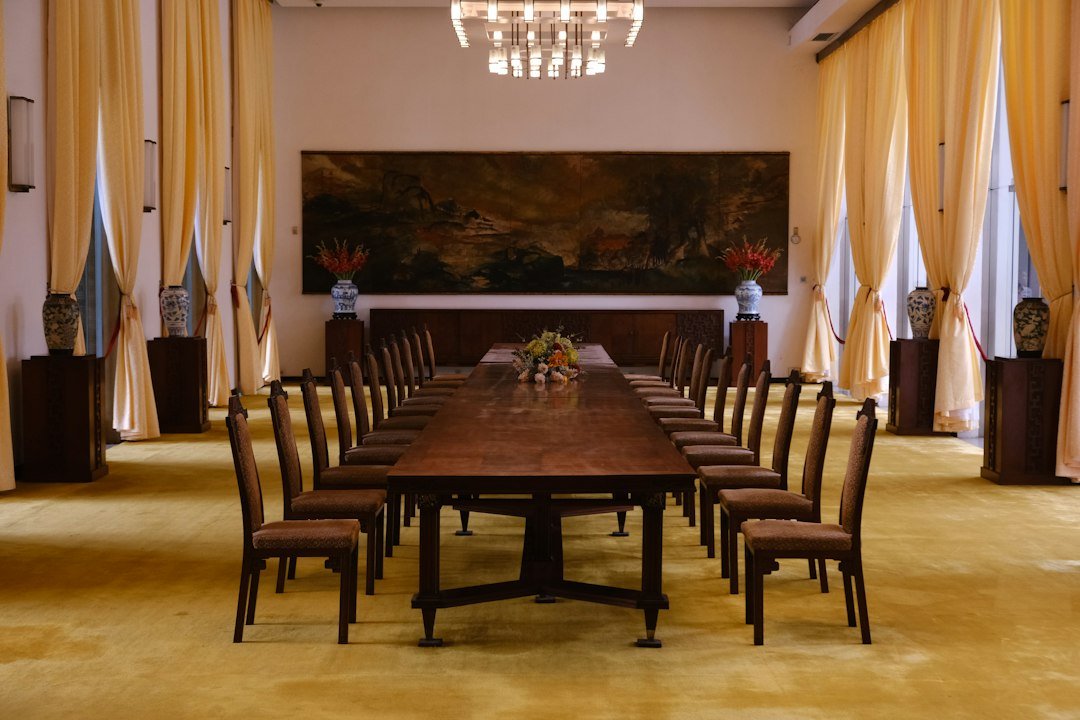
Alongside Mehdi, the delegation included Hayat Murad of Pakistan Customs, Gwadar Port Authority Director Qazi Nematullah, and Himal Dashti, who works on Gwadar Port development. On the Chinese side, the group met Cheng Wei, a counsellor in the South Asia Division of China’s foreign ministry; a deputy director-general identified in reporting as Li Xiang; and Gao Yuqing, director of the Tianjin International Trade and Shipping Centre. The delegation also visited Tianjin University as part of the trip, and Hayat Murad presented traditional Balochi shawls and caps to the Chinese hosts as a gesture of goodwill.
Gwadar as “More Than a Pakistani Facility”
Mehdi’s central pitch to his Chinese hosts was that Gwadar’s value extends well beyond Pakistan’s own trade needs. He argued the port should not be viewed solely as a Pakistani maritime facility, framing it instead as a potential gateway for China into West Asia that offers shorter maritime routes to Europe and Africa than ports further east. It’s a pitch that echoes Pakistan’s recent push at a Kazakhstan trade forum to position Gwadar and Karachi as gateways to Central Asia, and it lands amid a broader year of courting partners — from a prospective “sister port” arrangement with Oman’s Sohar Port to deeper Gulf shipping ties — aimed at diversifying who uses Gwadar and why.
On security, Mehdi told his hosts that conditions in Balochistan were “gradually improving” because of measures taken by Pakistan’s security forces, and he called for a coordinated Pakistan-China strategy to protect CPEC projects and investments going forward.
A Green-Port Model Borrowed From Tianjin
One of the more specific ideas to emerge from the visit concerned the environmental side of port development. Mehdi praised China’s plan to make Tianjin Port the world’s first carbon-free port and suggested Pakistan explore similar green-port initiatives for Karachi and Gwadar — covering areas such as shore power, renewable energy for terminal operations, and lower-emission cargo handling.

Nothing in the reporting on the trip points to a timeline or funding commitment behind the idea, and no agreement was signed during the visit. Officials on both sides described the meetings as a review of existing cooperation and a search for new areas of collaboration, rather than a negotiation that produced firm deliverables. Still, raising the idea with Chinese counterparts is notable on its own terms: Gwadar’s development has focused overwhelmingly on throughput and capacity until now, and sustainability has rarely figured in official statements about the port’s future.
A Possible New Hospital for Gwadar
Qazi Nematullah, representing the Gwadar Port Authority, used the visit to thank China for its past social-welfare and community-development support in the port city and to raise the idea of expanding healthcare cooperation, including a possible new hospital in Gwadar. China previously funded and built the Pak-China Friendship Hospital in Gwadar under CPEC’s early social-development commitments, so a further hospital proposal would extend an existing line of cooperation rather than start one from scratch.
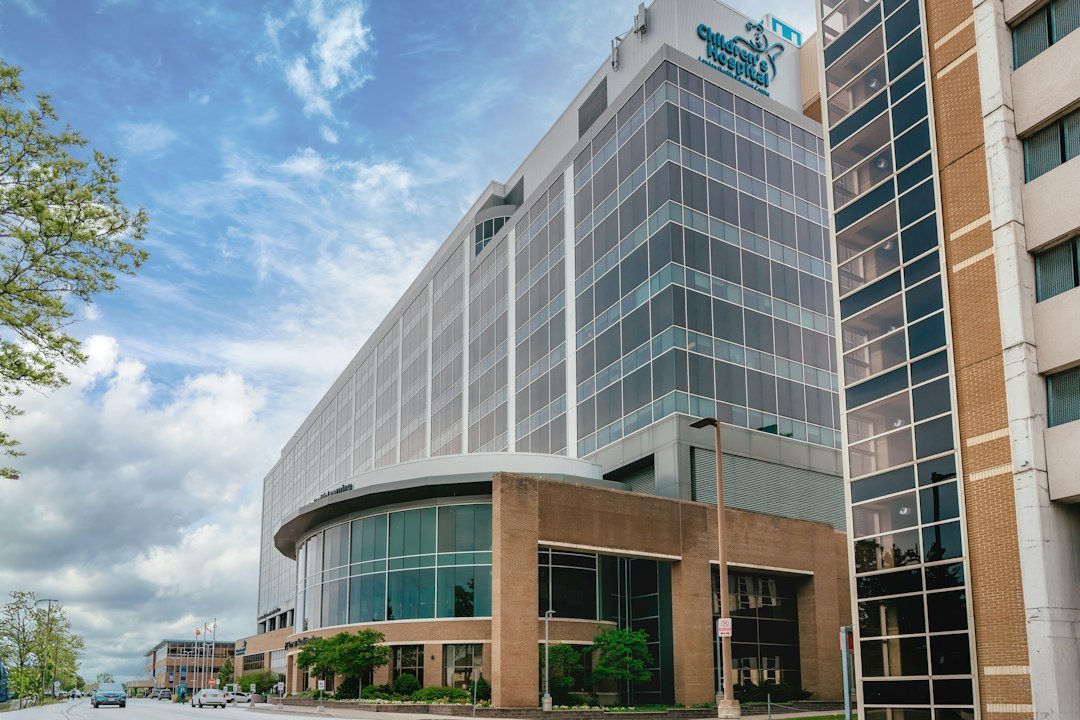
As with the green-port idea, the hospital proposal remains exactly that for now — a proposal raised in discussion, with no funding, design, or construction timeline attached. The meetings also touched on sustainable port development more broadly, improved maritime connectivity, and trade and investment partnerships, though the report offered no specifics beyond those headline areas.
Where This Fits
The Beijing trip lands roughly a week after China publicly reaffirmed, through its embassy, that CPEC’s second phase would extend its $25.9 billion-plus investment push to benefit Balochistan specifically — a commitment the province’s own assembly has pressed for repeatedly, arguing Balochistan has seen too little return relative to what has been invested in and around it. Set against that backdrop, this week’s delegation reads as Balochistan’s own officials working to ensure the province’s priorities — healthcare, environmental standards, and a bigger regional role for Gwadar — are built into whatever CPEC Phase-II ultimately delivers, rather than waiting for federal and Chinese negotiators to settle those questions without them.
No agreements were signed, and officials on both sides described the trip as exploratory. Whether the green-port and hospital proposals advance beyond discussion, and whether Balochistan’s push for a defined place in CPEC Phase-II gets more concrete backing, will depend on follow-up meetings that have not yet been scheduled.
Sources: Pakistan Times reporting on the Balochistan delegation’s visit to Beijing and Tianjin, November 2026; Gwadar Post’s earlier coverage of China’s CPEC Phase-II commitments to Balochistan and Pakistan’s Central Asia and Gulf port diplomacy.