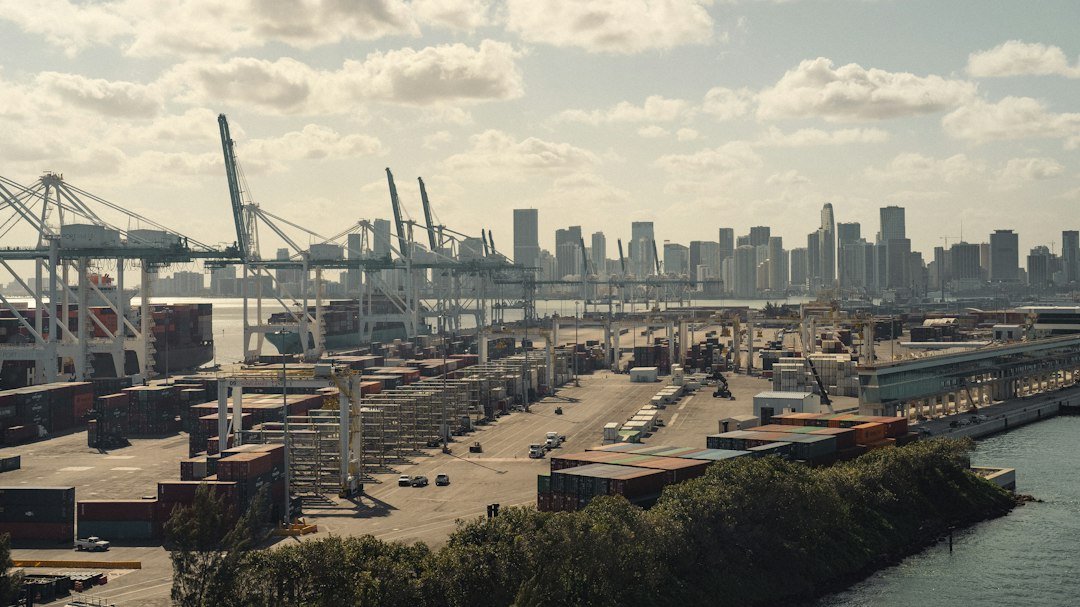
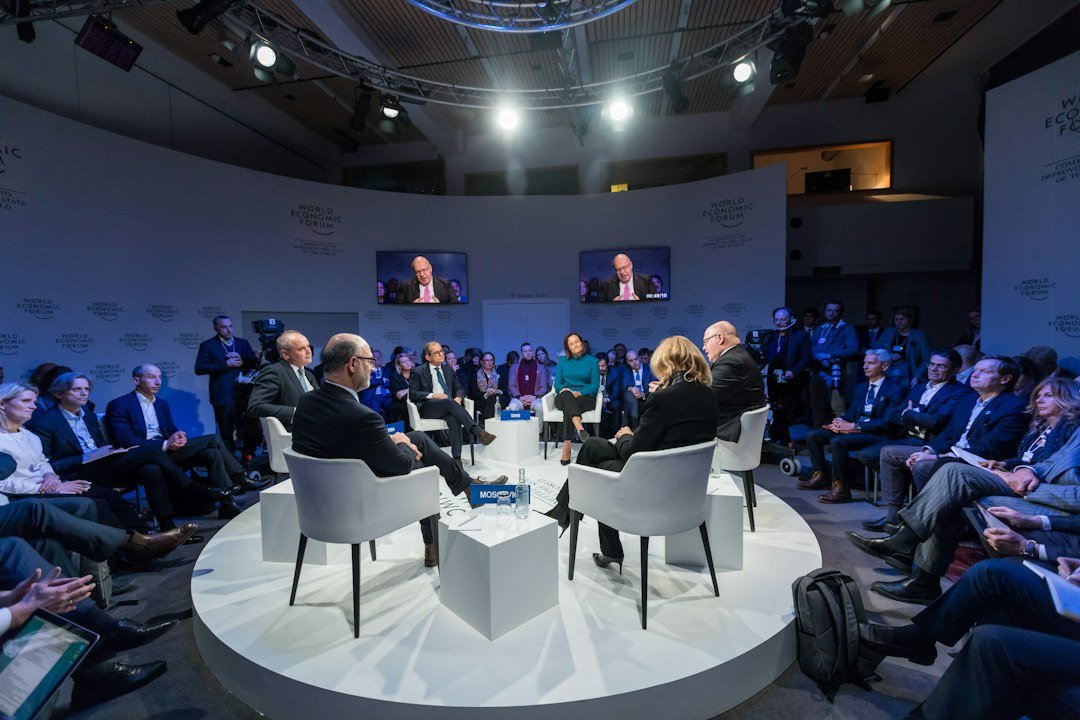
Almaty — Pakistan used the opening session of a major Central Asian investment forum in Kazakhstan this week to make its most direct pitch yet for Gwadar and Karachi to serve as the region’s southern gateway to the sea, telling delegates that landlocked Central Asian economies could route trade through Pakistani ports rather than longer routes to the north and west. Federal Minister for the Board of Investment Qaiser Ahmed Sheikh told the Second Tianshan Forum for Central Asian Economic and Quality Investment in Almaty on November 2 that Karachi Port, Port Qasim and Gwadar Port were “strategic gateways” that could anchor regional trade, framing the pitch around Pakistan’s geography rather than new financing commitments.
A Pitch at the Second Tianshan Forum
The two-day forum, held under the theme “Strengthening Resilient Connectivity and Quality Investment in Central Asia,” wrapped up in Almaty on November 3. It followed on from an inaugural Tianshan Forum held in China and is aligned with the Central Asia Regional Economic Cooperation (CAREC) Institute’s 2026–2030 strategy, according to Dawn and the Associated Press of Pakistan. Sheikh told the opening session that regional connectivity “was not merely about linking roads, ports and markets, but also about connecting economies and building shared prosperity,” and invited delegates to explore opportunities in energy, infrastructure, logistics, transportation, manufacturing and trade.
Sheikh singled out Karachi as Pakistan’s established industrial and commercial hub, pointing to its financial institutions, business infrastructure and existing port facilities as reasons it already functions as a trade anchor. Gwadar, by contrast, was described in more forward-looking terms: a port that “could further strengthen regional connectivity and economic cooperation” as it continues to build out under the China-Pakistan Economic Corridor (CPEC). He also cited Pakistan’s demographics — nearly 60 percent of the population under working age — as a selling point for investors weighing where to place regional logistics and manufacturing capacity.
Why Landlocked Central Asia Needs a Southern Port
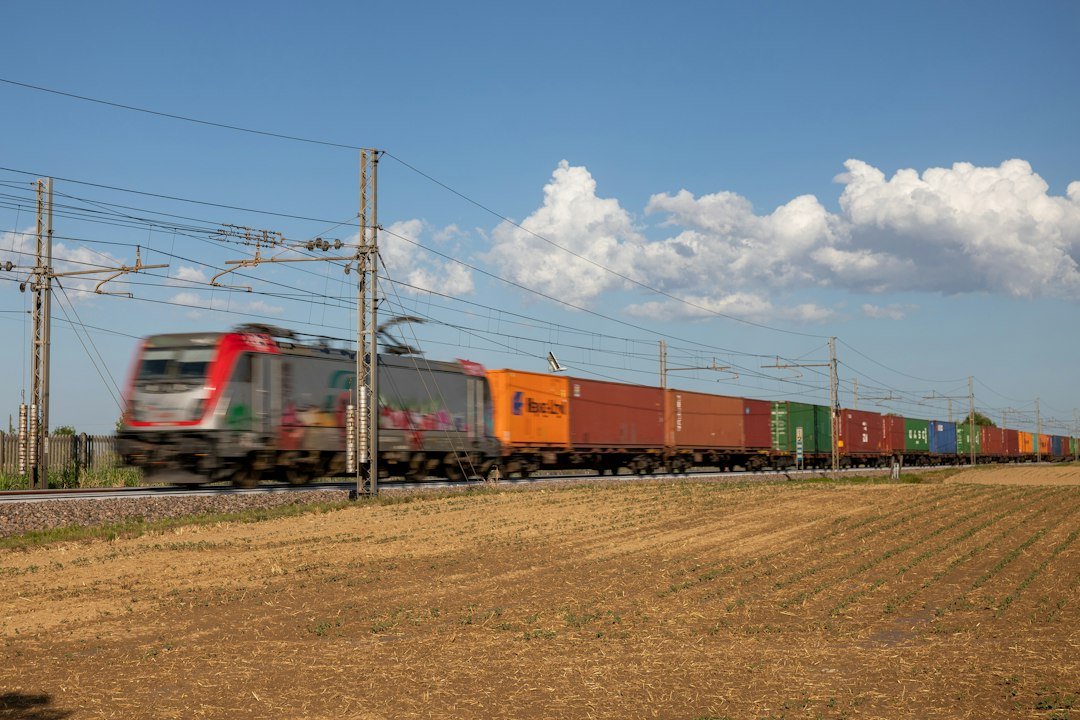
The pitch is built around a basic geographic fact: Kazakhstan, Uzbekistan, Tajikistan, Kyrgyzstan and Turkmenistan have no direct sea access, and goods moving to or from world markets typically travel overland through Russia, Iran or China before reaching a port. Pakistani officials have argued for years, including at prior CAREC and Belt and Road-linked forums, that a southern route through Gwadar or Karachi could shorten that journey for trade bound for the Gulf, East Africa and South Asia. The argument has been made before without producing large cargo volumes, and this week’s remarks did not include new throughput figures or shipping data to show the route is yet being used at scale.

Kazakhstan’s Interest Predates the Forum Pitch
The Almaty remarks build on a bilateral relationship that has been warming for most of 2026. In February, Kazakh President Kassym-Jomart Tokayev visited Islamabad, where the two countries announced a strategic partnership, signed 37 memorandums of understanding, and set a target of $1 billion in bilateral trade within a year, according to Arab News Pakistan. In May, Maritime Affairs Minister Muhammad Junaid Anwar Chaudhry hosted an 11-member Kazakh delegation led by Freedom Holding Corp chief executive Timur Turlov, inviting the group to explore joint ventures in Gwadar’s free zones, transshipment operations and dry-dock facilities. Turlov said at the time that his delegation had “strong interest in investing in the maritime sector,” though no deal has since been announced publicly.
CAREC: The Framework Pakistan Keeps Citing
Pakistani officials have repeatedly pointed to the Central Asia Regional Economic Cooperation Program, a multilateral platform backed by the Asian Development Bank that groups Pakistan with Afghanistan, China, Kazakhstan, Kyrgyzstan, Mongolia, Tajikistan, Turkmenistan, Uzbekistan and Azerbaijan, as the institutional structure meant to carry a Gwadar-Central Asia corridor from talking point to functioning trade route. Sheikh credited CAREC with “providing a valuable platform for strengthening economic partnerships between Pakistan and Central Asian states.” The forum’s own agenda, as reported by Dawn, acknowledged the scale of the problem: intra-regional trade across CAREC members remains limited, transport bottlenecks keep costs high, and member states have “large gaps in backbone infrastructure, digital skills, and regulatory coherence.”
A Pipeline Still Mostly on Paper
What was discussed in Almaty this week was framework and sentiment rather than contracts: no financing figures, cargo targets or construction timelines for new Central Asia-facing infrastructure at Gwadar or Karachi were announced alongside Sheikh’s remarks. The gap between pitch and pipeline is a familiar pattern in Balochistan’s development story — officials have made similar arguments about Gwadar’s potential role for Central Asian trade for more than a decade, while the physical and regulatory links needed to move cargo overland through Afghanistan or along upgraded road and rail corridors remain only partially built. The May meeting with the Kazakh delegation produced an invitation to invest, not a signed agreement, and the Almaty forum’s own documentation flagged persistent digital and regulatory gaps across CAREC states as a reason trade volumes have not matched the rhetoric.
How It Fits Into Balochistan’s Wider CPEC Story
For Gwadar specifically, a Central Asia trade role would sit alongside, rather than replace, the port city’s other pending ambitions. Planners have already built a prospective sister-port arrangement with Oman’s Sohar Port into Gwadar’s pitch to regional shippers, and the broader 10-year Smart Port City master plan treats expanded trade volume as a precondition for the housing, utilities and free-zone industry the blueprint promises. Islamabad has also tied its CPEC Phase-II diplomacy with Beijing to extending the corridor’s benefits further into Balochistan, and a working Central Asia corridor would, in theory, give that pledge another concrete use case. As with those earlier announcements, the test will be whether follow-through on infrastructure and financing keeps pace with the diplomatic messaging.
What Happens Next
No further Pakistan-Kazakhstan meetings on port access were announced at the close of the Almaty forum on November 3. The next concrete marker for Balochistan’s broader investment push is the Pakistan Minerals Investment Forum in Islamabad on November 12–13, where Central Asian and Gulf delegations are expected to engage with Pakistani officials again, this time on mining rather than maritime trade. Whether Monday’s pitch in Almaty turns into measurable cargo moving through Gwadar or Karachi will likely depend on whether Kazakhstan, Uzbekistan or other CAREC members follow the May 2026 delegation visit with an actual joint-venture agreement.
Quick Facts
- What: Pakistan pitched Gwadar, Karachi and Port Qasim as trade gateways for landlocked Central Asian states
- Where: Second Tianshan Forum for Central Asian Economic and Quality Investment, Almaty, Kazakhstan
- When: Forum held November 2–3, 2026; remarks delivered at the opening session on November 2
- Key official: Federal Minister for the Board of Investment Qaiser Ahmed Sheikh
- Framework cited: Central Asia Regional Economic Cooperation (CAREC) Program, 2026–2030 strategy
- Background: February 2026 Pakistan-Kazakhstan strategic partnership; 37 MoUs signed; $1bn trade target
- Prior outreach: May 2026 visit by an 11-member Kazakh delegation led by Freedom Holding Corp CEO Timur Turlov, discussing Gwadar free-zone joint ventures
- Financing status: No new contracts, cargo targets or construction timelines announced at the forum
- Next milestone: Pakistan Minerals Investment Forum, Islamabad, November 12–13, 2026
Sources: Dawn, “At Kazakhstan forum, Pakistan presents Karachi and Gwadar ports as ‘strategic gateways’ for Central Asian trade” by Amin Ahmed (November 2, 2026); Associated Press of Pakistan, “Pakistan offers Central Asia gateway to global markets through regional connectivity: BOI Minister” (November 2, 2026); Arab News Pakistan, “Maritime minister pitches Gwadar free zones, port infrastructure to Kazakh investors” (May 20, 2026).