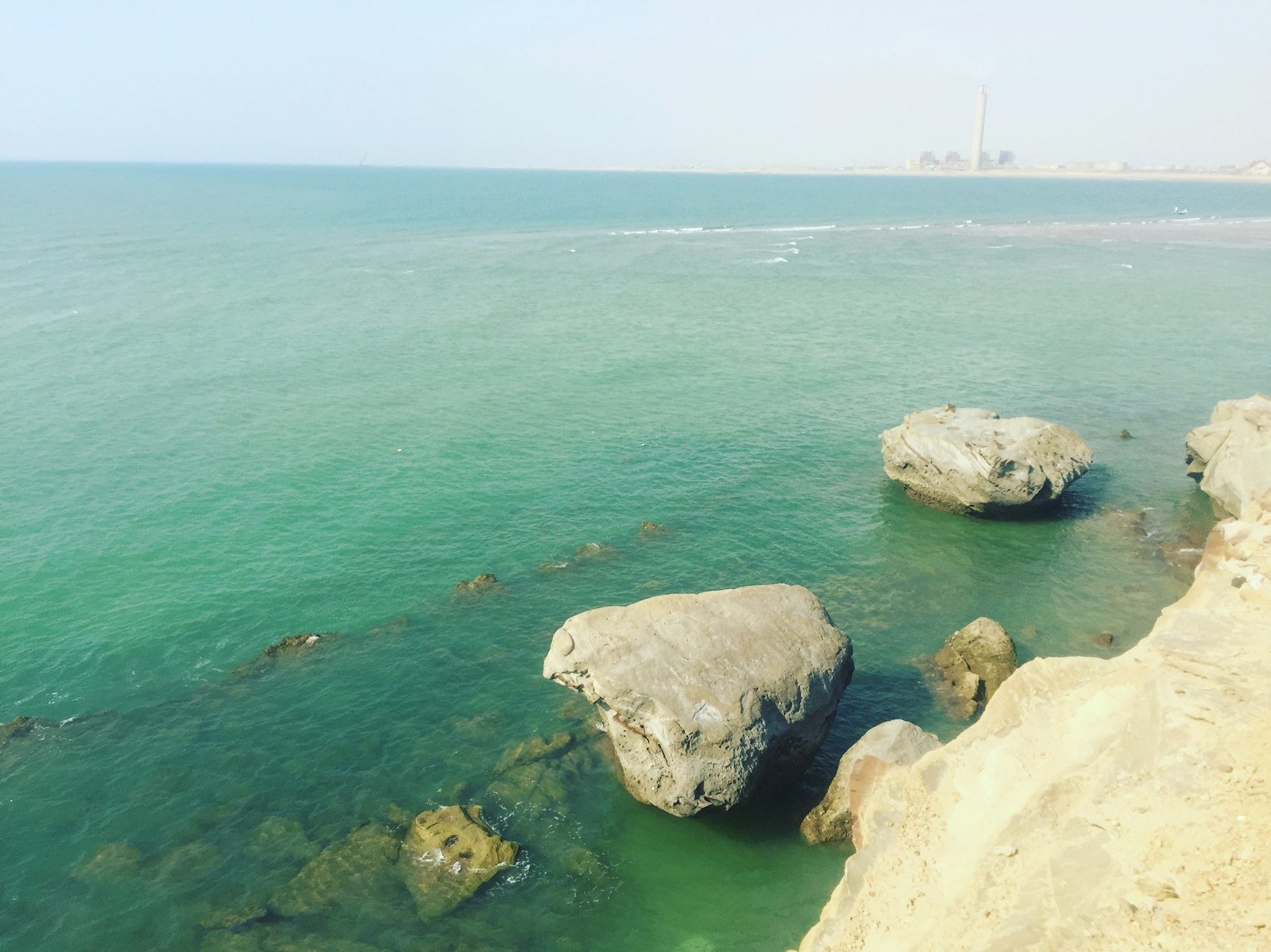
GWADAR — Pakistan and Oman are working to finalize a long-discussed agreement that would designate Gwadar and Oman’s Sohar Port as “sister ports,” a step officials on both sides say could open a more direct maritime link between the China-Pakistan Economic Corridor (CPEC) and Gulf and Central Asian markets. Gwadar Port Authority (GPA) Chairman Noorul Haq Baloch met Oman’s Consul General, Sami Abdullah Salim Al Khanjari, in early September, and both officials said they want a memorandum of understanding (MoU) signed before the year is out.
The push is not new. Baloch has described a process that has been moving through diplomatic channels for roughly three years, gaining fresh momentum only with this year’s meetings. What sister-port status would actually change, and what stands in the way of it delivering real cargo and investment, says as much about Gwadar’s current limits as about its ambitions.
A Three-Year Process Finally Nearing a Signature
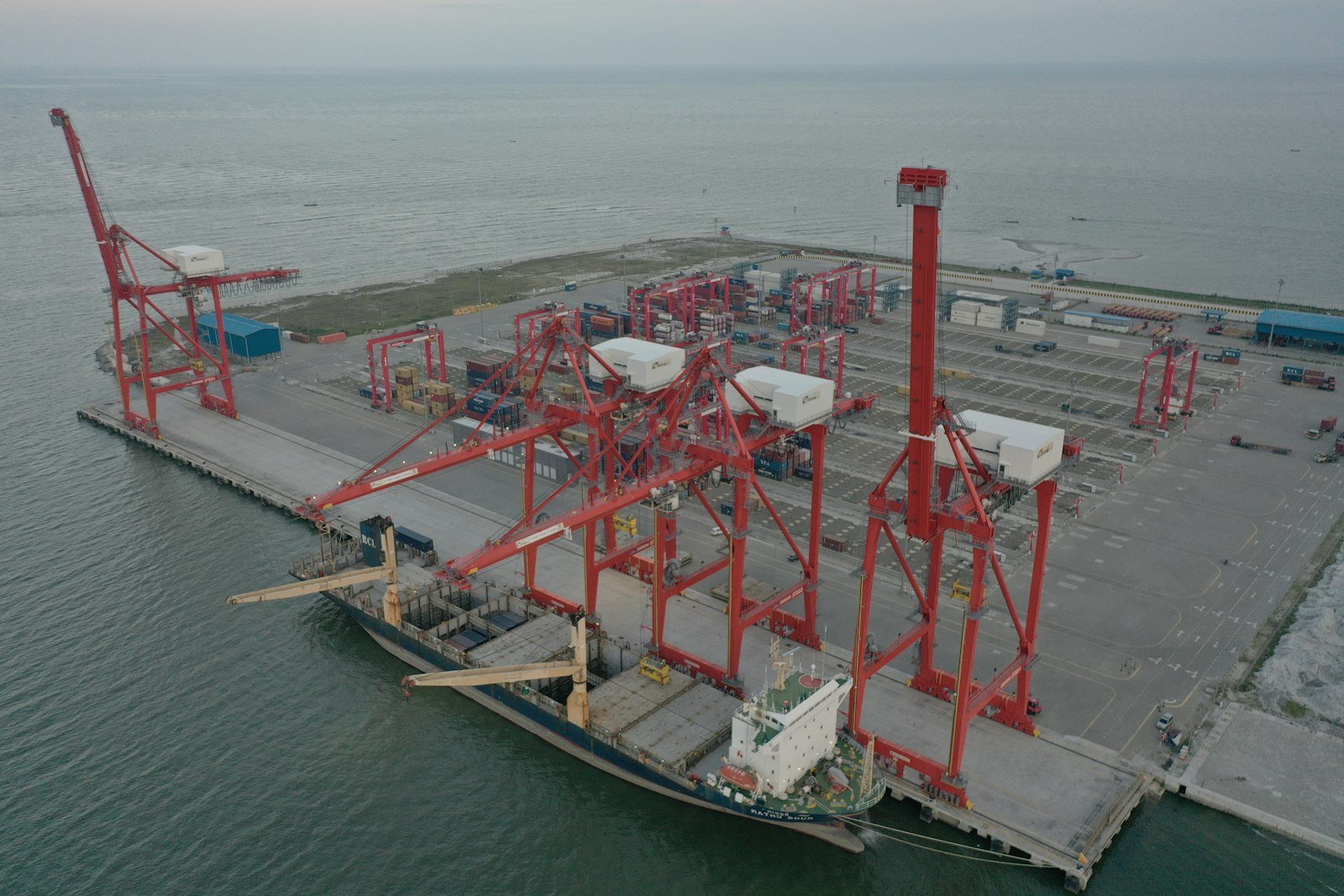
Speaking after the September meeting, Baloch said the sister-port initiative had been “going on for three years toward signing of the MoU,” and that because the federal government had already approved the concept, his role was now to work out the details with Oman’s consul general. He called Sohar and Salalah — Oman’s two largest commercial ports — “natural partners” for Gwadar, and said the goal was trade development and mutual benefit rather than a one-off gesture.
Baloch was also careful to frame the timing. He said the initiative is a longer-term strategic plan and is not a reaction to the shipping disruptions that followed the US-Iran conflict near the Strait of Hormuz earlier this year — disruptions that have, separately, pushed some shipping lines to reroute cargo toward Gwadar. Both sides now say they want the MoU finalized within the year, though neither has set a specific signing date.
What “Sister Port” Status Would Actually Change
Because the MoU has not been signed, its exact terms remain undecided. Mohammed A. Rajpar, chairman of the Pakistan Ship Agents Association (PSAA), told Arab News that the real-world benefits would depend on what the two governments and port authorities ultimately agree, but said sister-port arrangements typically cover a consistent set of areas:
- Exchange of port operations knowledge between the two authorities
- Mutual training of port officials and staff
- Joint discounts for shipping lines that call at both ports
- Operational priority for each other’s vessels
Officials on both sides have also flagged broader technical cooperation on port management, dredging, and digital port operations, alongside capacity-building for staff — areas where Sohar, a far larger and more established container and industrial port, has decades of operating experience that Gwadar’s still-young port authority does not.
Beyond Cargo: Flights, Free Zone Investment and Fisheries
The September talks ranged well beyond shipping. Officials also discussed direct air links between Gwadar and Oman via the Omani low-cost carrier Salam Air, using the newly operational New Gwadar International Airport that GwadarPost has covered this month — a facility that, as of this month, was still running a thin schedule of flights relative to its capacity. A regular Gulf route could be one of the more immediate, visible results of warmer Gwadar-Oman ties, well before any shipping cooperation produces measurable cargo volumes.
Also on the table: possible Omani investment in the Gwadar Free Zone, where GwadarPost recently reported on the port chief’s review of a slaughterhouse project aimed at export growth, plus joint ventures in logistics, warehousing and fisheries — sectors where Oman’s own Duqm and Sohar free zones have built up experience that Gwadar’s Free Zone is still working to replicate at scale.
Sohar’s Numbers Set a High Bar
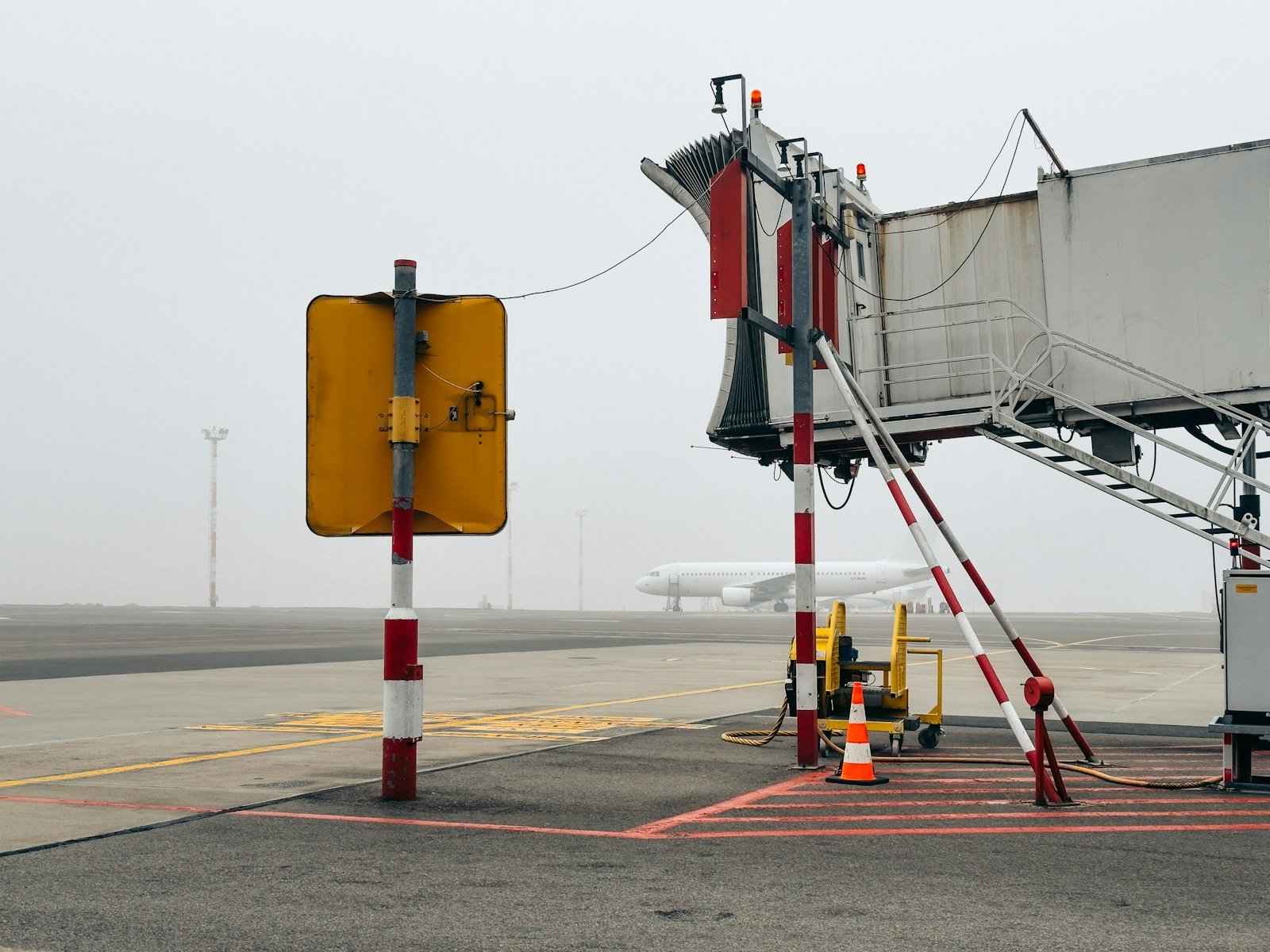
Whatever Gwadar gains from the arrangement, the scale gap between the two ports is wide. Sohar Port handled roughly 52 million tonnes of total cargo in the first half of 2026, up 52 percent year-on-year, with container throughput of about 545,000 TEUs, a jump driven largely by transshipment traffic, according to figures cited in regional trade reporting. Gwadar, by contrast, is still measuring progress in individual vessel calls: port officials have highlighted single transshipment ships carrying 13,000 to 20,000-plus tonnes of cargo as notable milestones over the past year.
That gap is precisely why officials describe the Sohar relationship as valuable — access to an established Gulf logistics hub, and to the shipping lines and customers that already move cargo through it, is harder to build from scratch than to borrow through partnership.
The Obstacles Officials Aren’t Advertising
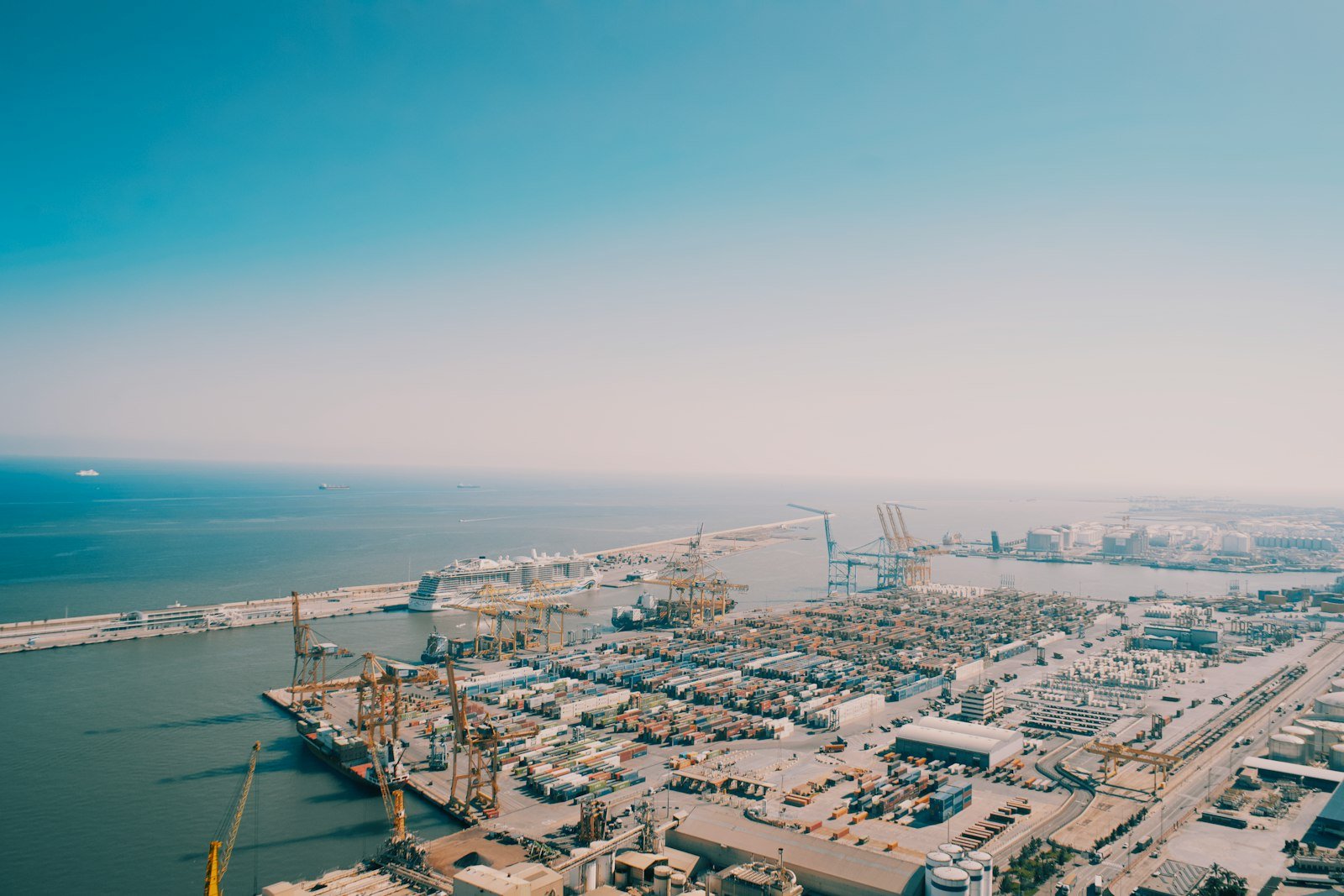
Neither government has publicly addressed what analysts covering the deal see as the harder problem: geography and a signed MoU do not, by themselves, move cargo. Shipping lines choose ports based on predictable volumes, competitive handling costs, efficient customs clearance and dependable inland connectivity — none of which a sister-port designation creates on its own. Regional trade commentary has specifically flagged Gwadar’s road and rail links, including the M-8 motorway and the planned ML-4 rail corridor, as essential but still-unfinished pieces of the puzzle.
That inland-connectivity gap is a familiar theme for GwadarPost readers: CPEC’s Western Route highway projects through Balochistan, which this site covered earlier this month, have received billions of rupees in funding but still face funding gaps and incomplete sections. Until Gwadar’s hinterland is reliably connected to the port by road and eventually rail, a sister-port agreement with Sohar is more a diplomatic head start than a guarantee of new cargo.
How This Fits Gwadar’s Wider Build-Out
The Oman initiative also sits alongside Gwadar’s other efforts to diversify its trade relationships beyond a single corridor. GwadarPost has reported this month on traders repeatedly pressing Gwadar Port’s chairman over customs and infrastructure snags on the Iran transit route through Gabd-Rimdan, a separate push to open a shorter path to Central Asian markets. Taken together, the Iran corridor and the Oman sister-port talks point to the same underlying strategy: Gwadar is trying to become more than a single-purpose CPEC transshipment point by building parallel trade relationships with its immediate maritime and overland neighbors.
Pakistan’s Planning Ministry has previously cited the short maritime distance between Gwadar and Muscat as a specific opportunity for a Pakistan-Gulf Cooperation Council trade corridor, framing Oman not just as a bilateral partner but as a gateway Gwadar could use to reach wider Gulf and South Asian markets.
What to Watch Next
The markers worth tracking from here are concrete ones: whether the MoU is actually signed before the end of the year, as both sides have said they intend; whether its final terms include the training, discount and priority-berthing provisions officials have floated; and whether any Salam Air route or Omani Free Zone investment materializes with an announced date attached. For a port whose biggest wins so far have been single, celebrated vessel calls, a working relationship with an established Gulf hub like Sohar would mark a genuine step up — but only once the paperwork turns into traffic.
Sources
This report draws on Dawn’s September 2026 coverage of talks between Gwadar Port Authority Chairman Noorul Haq Baloch and Oman’s Consul General on designating Gwadar and Sohar as sister ports, Arab News Pakistan’s reporting on the three-year history of the initiative and comments from Pakistan Ship Agents Association chairman Mohammed A. Rajpar, and Balochistan Pulse’s analysis of Sohar Port’s trade figures and the infrastructure challenges facing the plan, alongside GwadarPost’s own prior reporting on the New Gwadar International Airport, the Gwadar Free Zone slaughterhouse project, CPEC’s Western Route funding, and the Iran trade corridor talks, linked throughout this article.