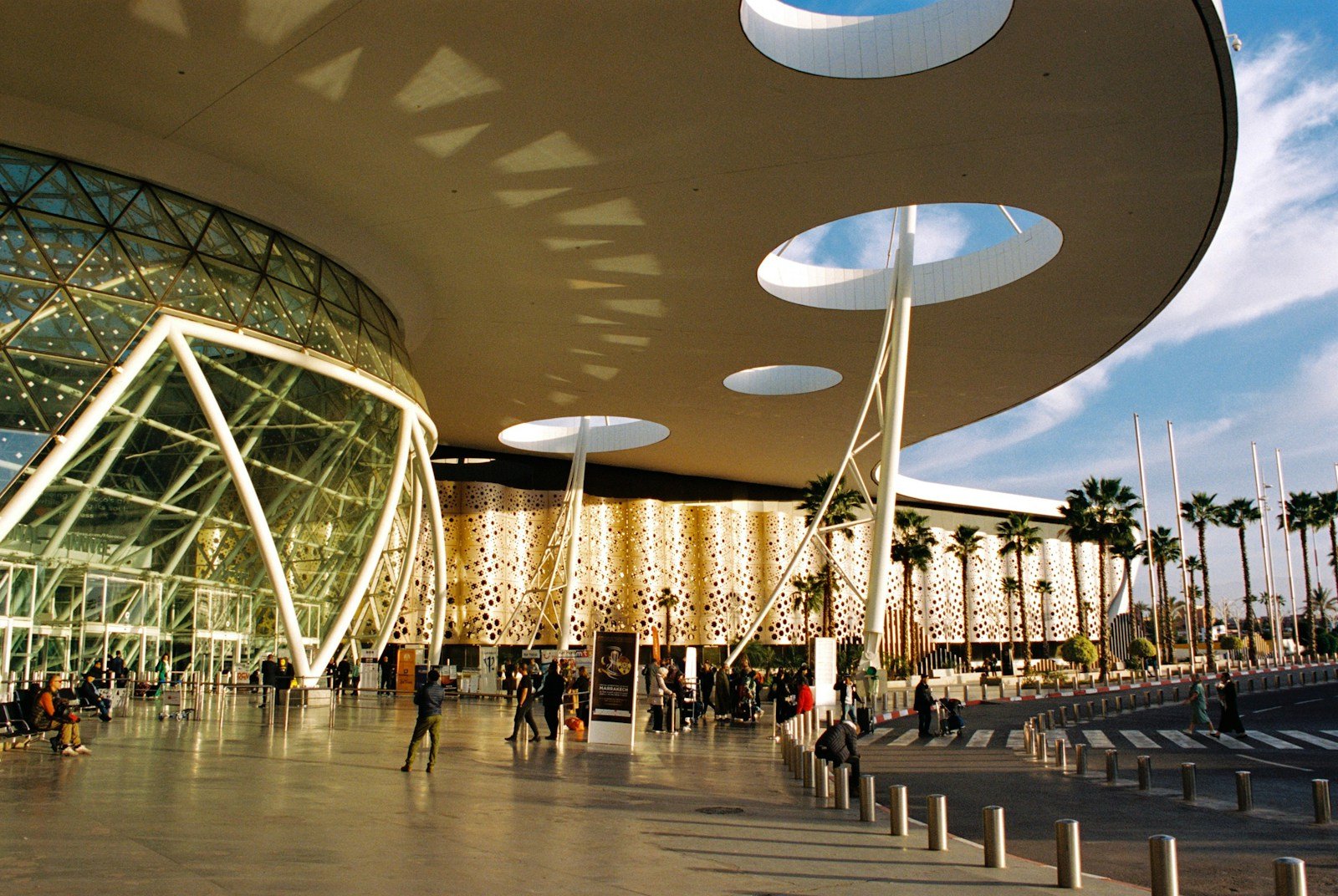
GWADAR — New Gwadar International Airport (NGIA) was built as one of the largest aviation projects in Pakistan, sprawling across roughly 4,300 acres and engineered to 4F category standards capable of handling wide-body jets such as the Airbus A380. Nearly two years after it opened, the terminal’s busiest moment each week is still just two scheduled flights, run by a single small carrier on a route that links Gwadar to Karachi and Quetta.
The gap between the airport’s scale and its traffic has become one of the clearest illustrations of where Gwadar’s development stands: the infrastructure for a regional aviation hub exists, but the airlines, passengers and cargo volumes that would justify it are still catching up.
A Rs60 Billion Gateway Built for the Future
NGIA was developed as a China-Pakistan Economic Corridor (CPEC) project at a cost of roughly Rs60.208 billion, funded through a Chinese grant. It opened on January 20, 2025, and is Pakistan’s largest airport by land area — built with the intention of turning Gwadar into a regional trade and logistics center as the adjoining port and Free Zone grow. The scale was deliberate: planners designed the runway and terminal to accommodate the largest commercial aircraft flying today, well beyond what Gwadar’s current passenger numbers require.

Image: Ivan Lau / Unsplash (representative image)
Two Flights a Week: What’s Actually in the Air
The airport’s only scheduled service currently comes from South Air Pakistan, a newly certified carrier that began flying the route on July 9 after the Pakistan Civil Aviation Authority (CAA) issued its Air Operator Certificate. The schedule, which the airline has run through October 31, offers two flights a week: a Thursday round trip between Karachi and Gwadar, and a Saturday service that extends the route onward to Quetta before returning to Karachi by way of Gwadar.
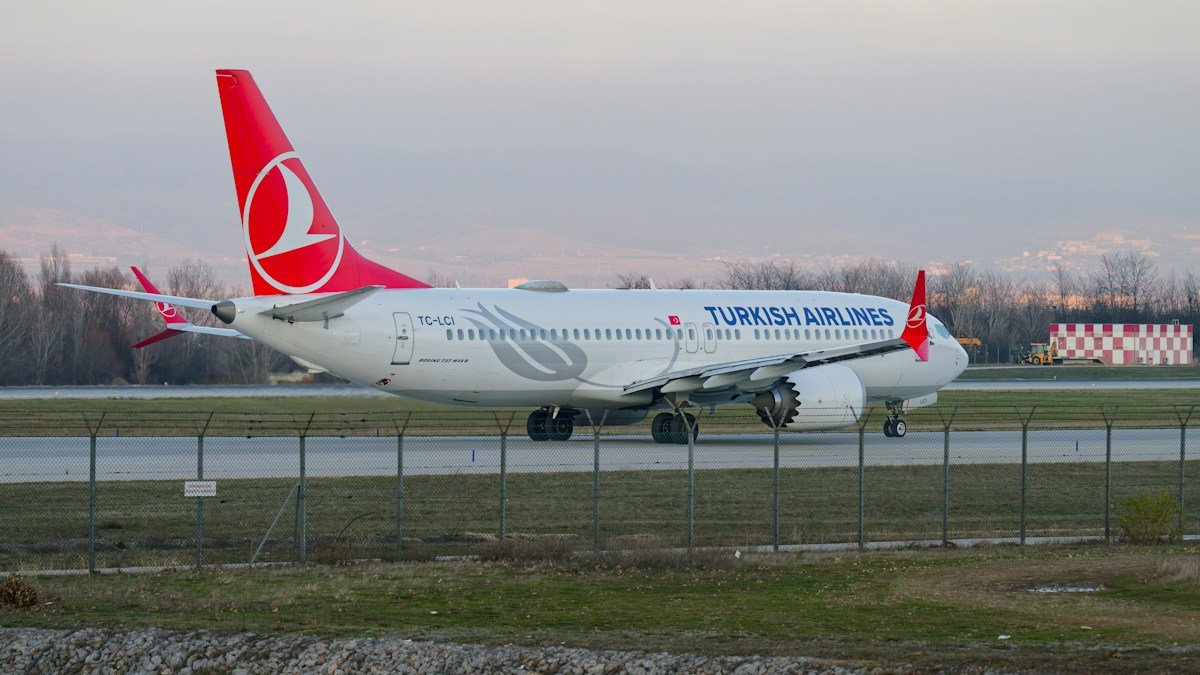
Image: Sevcan Alkan / Unsplash (representative image)
Muhammad Saleem, Gwadar’s station manager, said the schedule was designed to improve passenger convenience and strengthen the city’s air links with Karachi and Quetta. CAA Director General Nadir Shafi Dar, who signed off on South Air’s certification, said the authority remained committed to supporting the growth of Pakistan’s aviation sector. Officials have said the Ministry of Defence and the CAA both backed the certification process that let the carrier begin operating.
- Land area: approximately 4,300 acres — Pakistan’s largest airport by footprint
- Runway category: 4F, able to handle wide-body aircraft up to the Airbus A380
- Construction cost: about Rs60.208 billion, funded by a Chinese grant under CPEC
- Opened: January 20, 2025
- Current scheduled carrier: South Air Pakistan, operating Karachi–Gwadar–Quetta twice weekly since July 9
Fuel and Infrastructure Are Falling Into Place
Behind the limited flight schedule, the airport has been quietly adding the operational pieces a working aviation hub needs. A temporary aircraft refueling station, set up in partnership with Pakistan State Oil (PSO), became operational in February and was formally launched at NGIA in early March. Airport officials said the facility was intended to provide timely and secure fuel supply, support safer air traffic management, and mark a step toward establishing Gwadar as a regional aviation hub — though it remains a temporary arrangement rather than a permanent fueling depot.
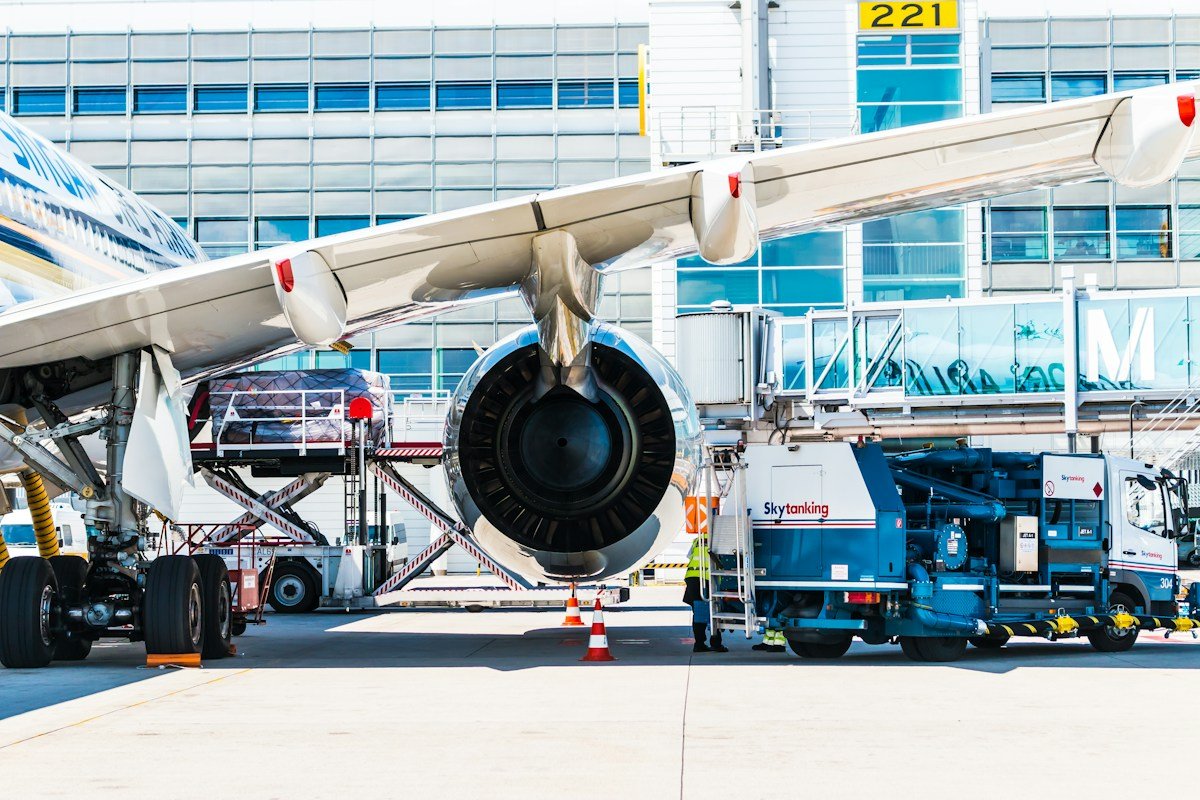
Image: Emily Rusch / Unsplash (representative image)
That kind of incremental build-out mirrors what has been happening elsewhere in Gwadar’s CPEC footprint. The Free Zone next to the port has been adding industrial tenants and export lines step by step rather than all at once, and the city’s customs operations have been working through bottlenecks in cross-border trade with Iran in parallel.
Read our earlier coverage: Gwadar Port, Customs Plan Fix for Persistent Iran Trade Hurdles
Why the Seats Mostly Stay Empty
The mismatch between NGIA’s capacity and its traffic has drawn criticism from analysts and commentators who track CPEC’s progress. A recurring point raised in that commentary is that no major national or international carrier has yet added Gwadar to a year-round schedule, leaving a single small operator to run a thin, seasonal-looking timetable on an airfield built for wide-body jets. Analysts tracking the corridor have also pointed to the security environment in parts of Balochistan — including a toll of attacks on CPEC-linked infrastructure and personnel documented over recent years — as a factor that has made airlines and investors more cautious about committing to new routes.
Image: Eric Prouzet / Unsplash (representative image)
South Air’s current certification runs its Gwadar schedule only through the end of this month, and neither the airline nor the CAA has publicly said whether the route will be extended or expanded afterward. For now, the airport’s road and rail links remain just as thin as its flight schedule — a gap that overland projects elsewhere in Balochistan are attempting to close from the ground up.
What Would It Take to Fill the Terminal?
Officials involved in CPEC’s next phase have repeatedly cast Gwadar’s development — port, Free Zone and airport together — as a priority area, alongside industrialisation, mining and agriculture elsewhere in Balochistan. But turning NGIA from a twice-weekly regional link into the trade and logistics hub it was designed for will likely depend on the same conditions that have shaped the rest of Gwadar’s build-out: steadier security, a larger resident and business population to generate demand, and enough confirmed cargo and passenger volume to persuade a bigger carrier to commit to the route.
Until then, South Air’s twice-a-week service remains the clearest working link between Pakistan’s largest airport by land area and the rest of the country — a modest start for a runway built to welcome the world’s biggest jets.