GWADAR — Behind the headlines about ports, airports and highways, a quieter planning document is meant to tie Gwadar’s growth together: the Smart Port City Master Plan, a 10-year development vision for 2025-2035 that the Balochistan government reviewed in detail this year. Chaired by Provincial Minister for Planning and Development Mir Zahoor Buledi, the review brought the Gwadar Development Authority’s (GDA) second-phase program into one picture — desalinated water, new housing, a special economic zone, beach tourism and welfare projects for the fishing community that has lived on this coast long before CPEC arrived.
The plan does not replace the port, airport and highway projects GwadarPost has covered this month. It is the municipal and civic layer meant to sit underneath them — the water, power, housing and public space a resident city needs if Gwadar is going to function as more than a transit point for cargo.
What the Master Plan Actually Covers
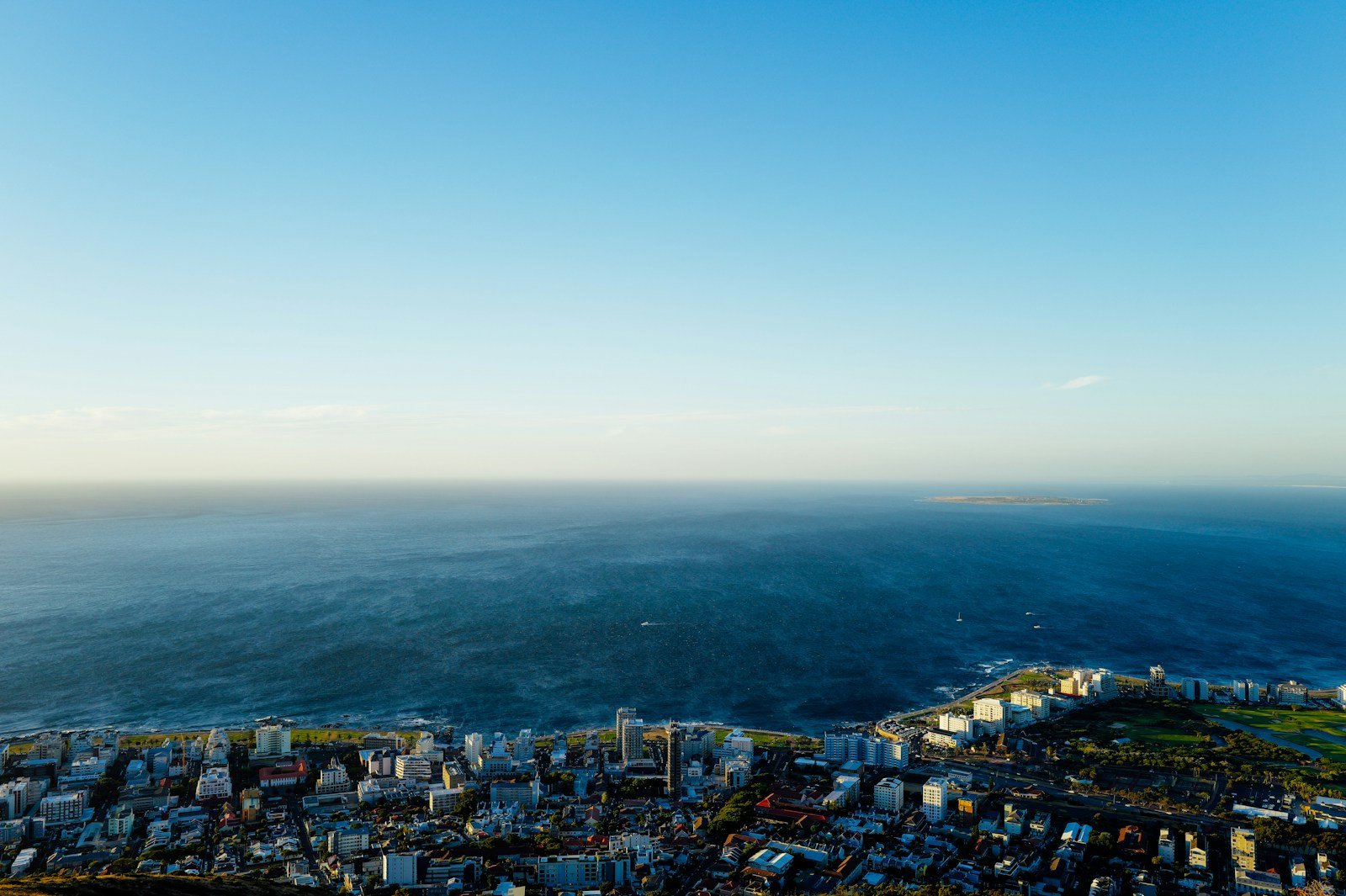
According to the briefing GDA Director General Moin-ur-Rehman Khan gave the provincial planning minister, the second phase of the master plan groups projects into several tracks: road expansion and a new water-supply network; a 20-million-gallon desalination plant; underground power cabling and solarization work; tree plantation and environmental initiatives; and upgrades to sewerage, drainage and fisheries infrastructure. A separate urban-planning track covers a Central Business District, a Special Economic Zone, a GDA Housing Scheme and neighborhood-level master planning for areas including Gwadar city, Surbandar and Pishkan.
A third track is built around tourism and recreation: a Grab Beach Park, a GDA Club, a Foreigners Resort and a Coastal Beach Resort. Officials have framed these as revenue-generating assets — the GDA was explicitly told to develop viable business models for them rather than treat them purely as public amenities, since the authority has been asked to move toward financial self-sufficiency.
Why Water Comes First
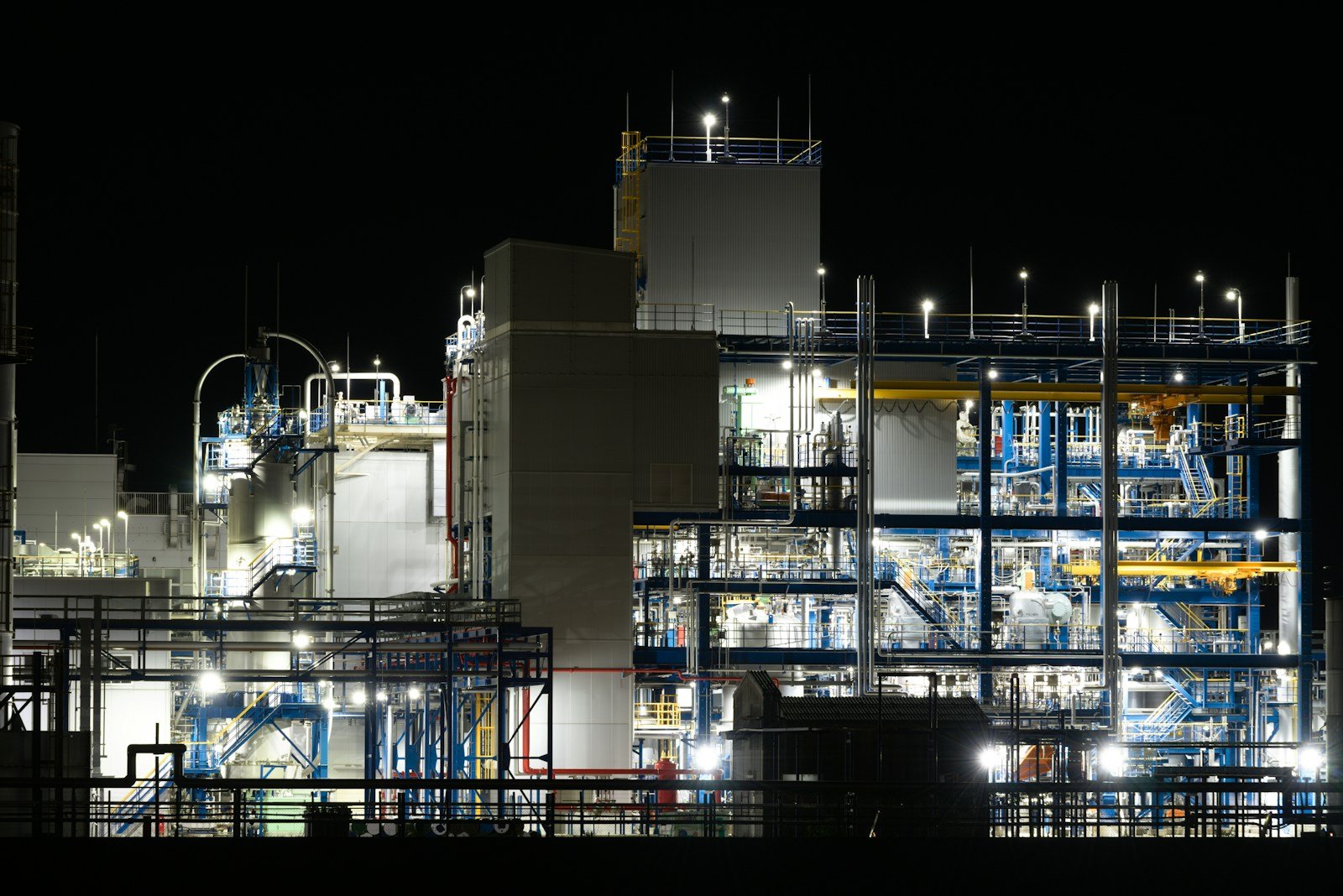
Gwadar’s reputation as a water-stressed city is older than CPEC itself; the city has gone through recurring dry spells over the past two decades, at times relying on tankered water and emergency supply schemes while a port city of its ambitions was being built around it. The 20-million-gallon desalination plant in the current plan sits alongside new supply networks and drainage upgrades as the pieces meant to finally put Gwadar’s domestic water supply on a permanent footing rather than a crisis-response one. No completion date has been given for the plant, and the plan does not specify how its output will be allocated between residential, industrial and Free Zone users.
The emphasis on underground power cabling and solarization points the same way — toward basic utility reliability for a city whose population is expected to grow as port, Free Zone and airport activity expands, rather than toward a single flagship project.
Housing and Land: The Part Still Catching Up
The GDA Housing Scheme and the plan’s neighborhood-level planning for Gwadar city, Surbandar and Pishkan land directly on top of an issue GwadarPost has already reported on this month: unresolved land disputes in Gwadar’s New Town, where authorities recently set a one-week deadline for residents to resolve competing claims. A master plan that adds a formal housing scheme and micro-level planning is, in effect, an attempt to get ahead of exactly that kind of dispute before it recurs elsewhere in the city — though the review meeting did not describe how existing New Town claims would be reconciled with new housing allocations.
At the same meeting, Gwadar’s MPA, Maulana Hidayat-ur-Rehman, pressed for urgent civic work not just in Gwadar city proper but in Surbandar and Pishkan specifically — a reminder that “Gwadar” as a planning area extends well beyond the port and the city center into surrounding settlements that have historically received less attention and investment.
Fishermen: Named in the Plan, Still Waiting on Specifics
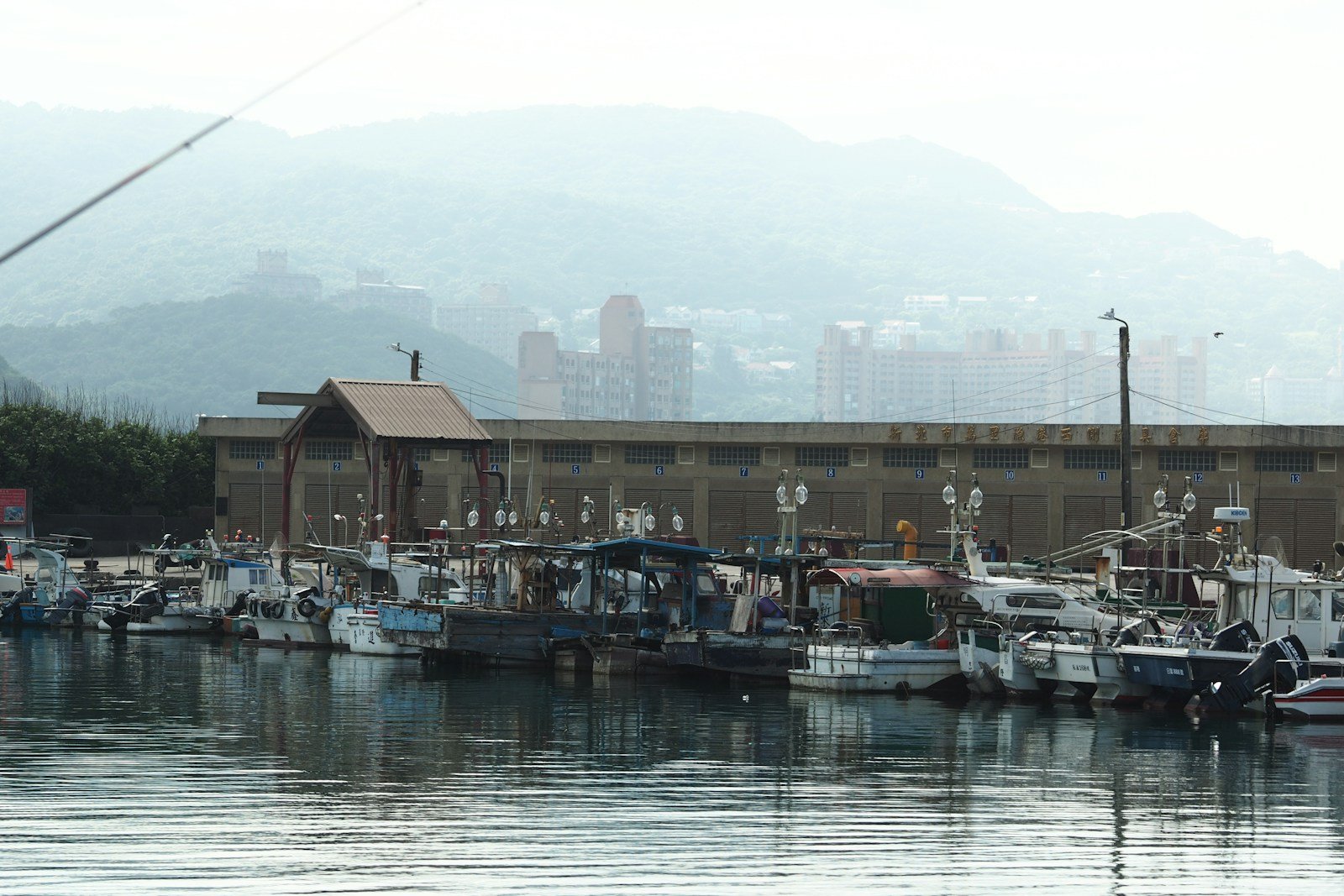
Fisheries upgrades and fishermen’s welfare got their own mention at the review, where Chief Engineer for Federal Projects Dr. Sajjad Baloch proposed welfare schemes for the fishing community and said the federal government, not the province, would fund them. That matters because fishermen’s livelihoods and coastal access have been one of the more contentious threads running through Gwadar’s development story for years, and the master plan’s fisheries and drainage upgrades are the closest thing to a formal commitment to address that alongside the city’s bigger infrastructure projects.
The welfare pledge also lands in the same month Balochistan’s provincial assembly has been debating a new Fisheries Bill that fishing communities in Gwadar have pushed to have a direct voice in shaping — two separate processes, legislative and administrative, both converging on the same question of how much say local fishermen get over rules and projects that affect their waters and their coastline.
How This Fits the Rest of Gwadar’s Build-Out
The master plan review did not attach a consolidated budget figure to the full 10-year program, which makes it harder to weigh against the hard numbers already on record for Gwadar’s other federally funded projects — including the roughly Rs54.9 billion released so far for CPEC’s Western Route highways meant to connect Gwadar’s hinterland to the rest of Balochistan, and the twice-weekly flight schedule still running at the New Gwadar International Airport, built for far more traffic than it currently carries. Seen together, the pattern across Gwadar’s development is consistent: large-scale infrastructure moving ahead on federal money and timelines, while the municipal layer — water, housing, drainage, fisheries — advances through provincial planning reviews that set direction without yet attaching firm budgets or completion dates.
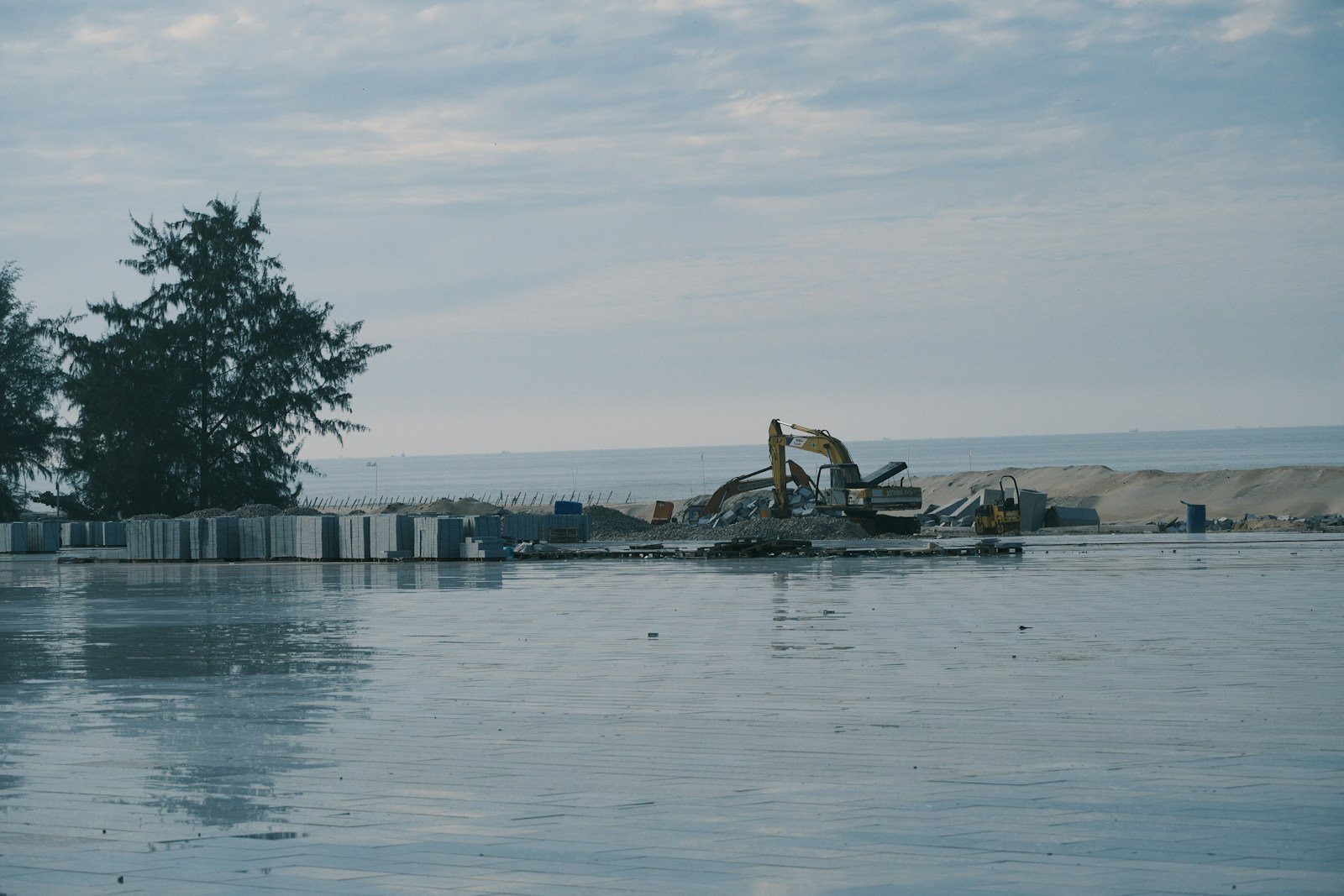
Also on the table at the same review: a proposal from the Chief Engineer for Federal Projects to complete the Gwadar Northern Bypass through the National Highway Authority, and praise from Gwadar’s MPA for progress on restoring the city’s historic Old Town — both signs that the master plan is meant to be read alongside, not instead of, Gwadar’s other ongoing projects.
What to Watch Next
Provincial officials said the program would be prioritized against available resources before going to Chief Minister Sarfraz Bugti for final approval — meaning the version reviewed this year is a working draft, not a locked plan. The markers worth tracking from here are concrete ones: whether a budget and timeline get attached to the desalination plant and housing scheme, whether the promised fishermen’s welfare projects get federal funding commitments with numbers attached, and whether the Special Economic Zone and Central Business District move from planning-document line items to projects with contractors and ground-breaking dates. For a city whose large infrastructure has tended to arrive well ahead of its municipal services, the master plan’s real test will be whether that order finally starts to reverse.
Sources
This report draws on the Associated Press of Pakistan’s coverage of the Balochistan government’s review of the Gwadar Development Authority’s Smart Port City Master Plan (2025-2035), alongside GwadarPost’s own prior reporting on Gwadar’s New Town land disputes, the Balochistan Fisheries Bill 2026, CPEC’s Western Route highway funding, and New Gwadar International Airport’s flight schedule, linked throughout this article.