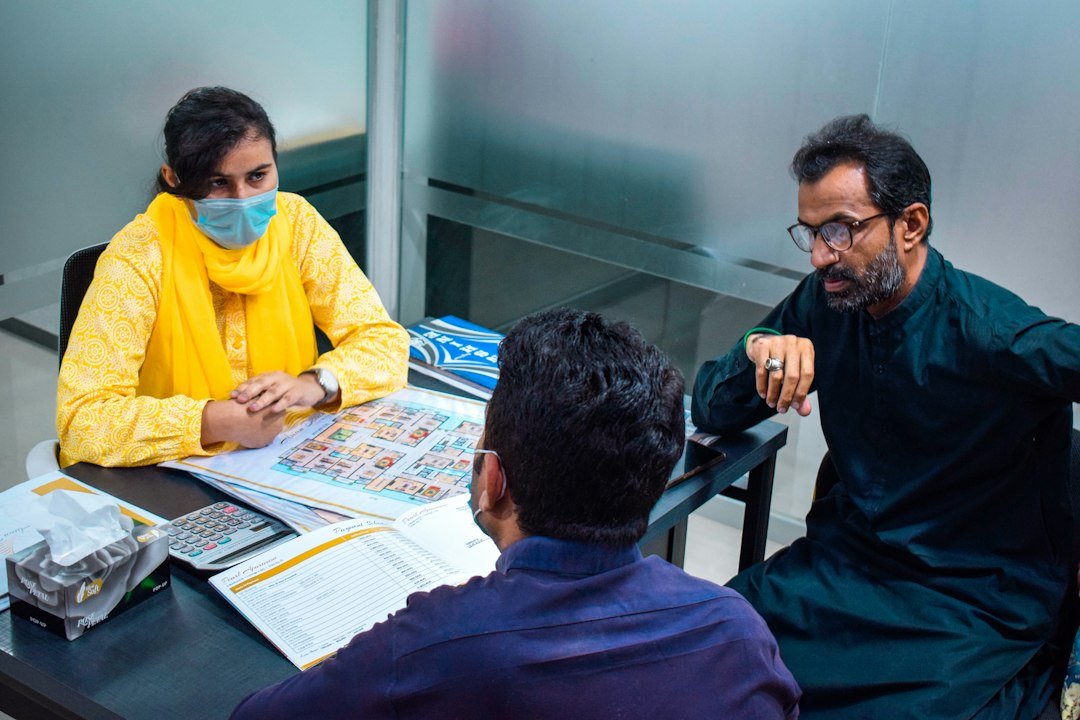
Gwadar’s New Town has spent years as the address on every CPEC-era investment pitch – the planned grid of plots meant to house the city’s free zone, its port workforce, and its promised population boom. This week it was also the address of a formal deadline. On October 6, the Deputy Commissioner of Gwadar gave ten parties caught up in five separate land disputes exactly one week to settle their claims, or face the matter decided under the law instead.
According to a report published by Daily Independent on October 7, Deputy Commissioner Gwadar Naqeebullah Kakar chaired a hearing covering disputes among New Town’s original allottees and parties accused of encroaching on or illegally occupying the same plots. The ruling did not come out of nowhere – it follows a province-level order, issued just days earlier, to speed up land settlement and record-keeping across the entire district.
A Week to Settle, Then the Law Takes Over
Ten parties appeared before DC Kakar across the five cases, Daily Independent reported. He heard both the original allottees and the alleged occupants, then directed all sides to pursue “mutually acceptable settlements” under the supervision of the district administration. Cases that remain unresolved once the week is up, he said, will be pursued under the applicable legal framework instead of left to negotiation.
New Town Project Director Dr. Abdul Shakoor, naib tehsildars, and other revenue and settlement officials sat in on the hearing. Kakar told them to handle every case with transparency and fairness and to stick to proper legal procedure, framing the administration’s position as a balancing act: protecting the legitimate rights of original allottees while still addressing illegal occupation and encroachment where it has occurred. He added that the rights of both public and private property owners need to be protected equally, and that the goal is a durable fix rather than a one-off resolution that resurfaces later.

The Bigger Push Behind the Deadline
DC Kakar’s hearing did not happen in isolation. Four days earlier, on October 2, Commissioner Makran Division Dr. Tufail Ahmed Baloch had chaired a separate meeting ordering authorities to expedite the land settlement and record-completion process across the whole of Gwadar district, Daily Independent reported in an October 3 report. That meeting reviewed settlement progress across various mouzas – the local revenue units into which Gwadar’s land is divided – along with the state of land records, pending issues, and the arrangements for handing completed records over to the district administration.
Commissioner Baloch set his own one-week deadline: records for every mouza where settlement work is complete were to be handed over to the district administration within seven days. He formed a dedicated task force to speed up the process, directed officers to deploy extra manpower wherever the backlog demanded it, and warned that negligence, non-cooperation, or avoidable delay would invite action under the law – including, he said, possible dismissal from service for officials found responsible. DC Kakar, Settlement Officer Makran Division Zahid Langove, Additional Deputy Commissioner Revenue Gwadar Zahoor Baloch, and Tehsildar Settlement Gwadar Akbar Baloch were among those who attended.
Read together, the two meetings describe a single administrative push moving down the chain of command: a divisional order to finish the paperwork, followed days later by a district-level hearing applying that same urgency to the specific disputes already sitting on New Town’s docket.
Why New Town’s Land Keeps Ending Up in Dispute
New Town is the planning-stage half of Gwadar – the area earmarked for the housing, services, and workforce population that the port and free zone were always meant to attract. That is precisely what makes its land some of the most contested in the district. Plots allotted years ago, before CPEC-era development turned Gwadar property into a speculative asset, have repeatedly overlapped with later claims, informal occupation, and allotments that were never fully recorded in the first place – the same gap in paper records that Commissioner Baloch’s task force now exists to close.
That tension sits just beneath the surface of the Gwadar Development Authority’s own civic infrastructure push, which depends on clear land status to plan roads, drains, and schools without them later being challenged by a competing claimant. It also echoes the pattern we described in our look at a decade of CPEC construction in Gwadar: big-ticket announcements move faster than the underlying administrative groundwork, leaving land records, like water and power supply, as unglamorous but necessary work that has to catch up. Unresolved land status also shapes how ordinary residents experience development, in much the same way Gwadar’s fishing community has pushed for a say in the fisheries law rewrite affecting their own access and rights.
What to Watch Next
Neither report gives a public list of the disputed plots, the parties involved, or the allotment dates at issue, so the practical test of this week’s orders will be visible rather than announced. The first marker falls around October 13 – one week after DC Kakar’s hearing – when the five New Town cases either produce settlements or move into formal legal proceedings. The second falls on a similar timeline for Commissioner Baloch’s records handover, when mouzas with completed settlement work are supposed to transfer their records to the district administration.
Whether either deadline holds will say something about how much institutional weight is actually behind this push, after a string of similar directives in Gwadar’s recent history. For a district where land status underpins everything from housing to the free zone’s investment pitch, a cleared backlog of disputes and completed records would be a quieter but no less consequential outcome than any single infrastructure announcement.
Sources
This report is based on reporting published by Daily Independent on October 7, 2026 (“Parties Given One Week to Settle New Town Encroachment Disputes: DC Gwadar”) and October 3, 2026 (“Gwadar Land Settlement Process to Be Fast-Tracked”), alongside GwadarPost’s own prior reporting on Gwadar’s Old Town rehabilitation push, a decade of CPEC construction in the city, and Balochistan’s fisheries law, linked throughout this article.