Gwadar’s biggest headlines this year have gone to the free zone’s tax breaks, the CPEC investment pivot, and the Reko Diq financing hunt. A review meeting chaired by Balochistan’s planning minister this week was about none of that. It was about trees, sewage drains, a school, a hospital, and a fish landing jetty – the civic basics that have to work before any of the bigger pitches mean much on the ground.
According to a report published by Dawn on October 5, Provincial Planning and Development Minister Mir Zahoor Buledi chaired a review of the Gwadar Development Authority (GDA), going through what the authority has built, what it still owes the city, and where the money for the next phase needs to come from.
A Different Kind of Review Meeting
The meeting brought together provincial lawmakers with a direct stake in Gwadar – Maulana Hidayatur Rehman, Syed Zafar Ali Agha, and engineer Abdul Majeed Badini – alongside GDA Director General Mujeebur Rehman Qambrani and other authority officials, Dawn reported. Unlike the briefings that tend to make international wire copy, this one stayed close to the ground: urban rehabilitation, water supply, sports facilities, and education, with the Old Town Rehabilitation Project named as the centerpiece.
That framing matters. Much of the reporting on Gwadar over the past decade, including our own look at what a decade of CPEC construction in the city actually produced, has centered on the port, the highways, and the free zone perimeter – the assets built to serve trade and industry. A GDA review meeting is a reminder that a separate, less-photographed layer of infrastructure has to be maintained in parallel: the drains, parks, and municipal services that make Gwadar livable for the people who already call it home.
What the Old Town Rehabilitation Project Covers
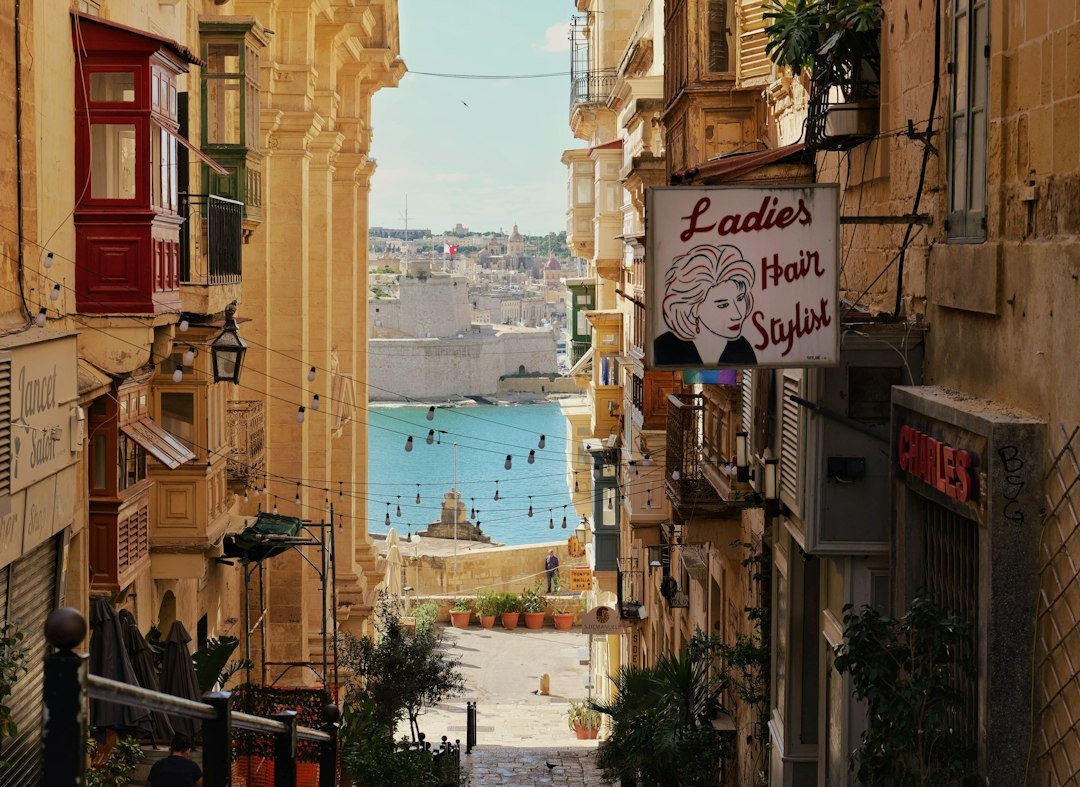
Dawn’s report describes the Old Town Rehabilitation Project as “a comprehensive master plan aimed at urban development, provision of basic civic amenities and preservation of Gwadar’s historical and cultural heritage.” That dual mandate – modernizing services while protecting the old quarter’s character – is a different kind of planning challenge than laying a highway or digging a berth, and one that gets far less attention in Gwadar’s usual news cycle of port tonnage and investment pledges.
Heritage preservation also carries an economic argument of its own. A historic waterfront quarter that is rehabilitated rather than redeveloped is the kind of asset that could eventually support the tourism ambitions Gwadar’s planners have floated for years, alongside its role as a port and industrial city. For now, though, the reporting suggests the project remains at the planning and prioritization stage, with funding requirements for the wider programme still being worked out rather than finalized.
The Infrastructure Gwadar Already Has on the Books
The meeting also served as a stock-take of what the GDA already maintains across the city, according to Dawn. The figures given were specific: more than 5,000 trees planted, roughly 31 kilometres of sewage drains and about 23 kilometres of rainwater drainage channels under upkeep, three sports stadiums, three public parks, and over 250 kilometres of roads. The authority’s civic footprint also includes a GDA-run school, a GDA hospital, and a Fish Landing Jetty – the kind of facility that matters directly to the fishing community whose livelihood and legal standing we covered after Balochistan’s fisheries law reached Gwadar.
Sanitation, beach and avenue maintenance, and upkeep of public spaces fall under the same authority, the report noted. None of this is new construction announced at the meeting; it reads instead as an inventory of what Gwadar’s municipal body is responsible for keeping functional day to day, against which the Old Town project and any future funding requests will be measured.
Why Municipal Basics Matter for Gwadar’s Bigger Pitch
Dawn’s report also noted that the meeting reviewed water supply improvements carried out over the preceding year, without giving further technical detail on capacity or coverage. Water has historically been one of Gwadar’s most persistent constraints, and it is also one of the baseline requirements that our recent reporting on CPEC’s shift toward industrial investment identified as exactly what prospective factory operators and free zone tenants now ask about before committing capital – reliable power and water, a trained workforce, and liveable conditions for the people who would staff any new industry.
Seen that way, a GDA meeting about sewage drains and school upkeep is not a separate track from the free zone’s tax-holiday pitch to investors; it is the groundwork underneath it. A tax exemption does not build the workforce housing, schooling, or water supply that an operating factory would actually need on site. If Gwadar’s industrial ambitions are to clear the higher bar that analysts have set for CPEC’s next phase, the municipal basics reviewed this week are part of what has to hold up alongside the bigger-ticket announcements.
What to Watch Next
Dawn’s report did not disclose a specific budget figure or completion timeline for the Old Town Rehabilitation Project, and no new funding commitment was announced at the meeting itself. The practical markers worth tracking from here are concrete: whether the Old Town master plan is published in a form residents and heritage advocates can review, whether the funding requirements discussed this week show up in Balochistan’s next provincial budget, and whether the water-supply gains reported over the past year are followed by public figures on capacity rather than a general assurance that improvements were made.
None of that is as dramatic as a port tonnage record or a multibillion-dollar financing pitch. But for a city whose bigger promises depend on being a functioning place to live and work, it is the infrastructure that has to get built regardless of how CPEC’s next phase turns out.
Sources
This report is based on reporting by Saleem Shahid published in Dawn on October 5, 2026, on the Gwadar Development Authority’s review meeting chaired by Provincial Planning and Development Minister Mir Zahoor Buledi, alongside GwadarPost’s own prior reporting on CPEC construction in Gwadar, the Gwadar Free Zone incentives, the CPEC 2.0 investment pivot, and Balochistan’s fisheries law, linked throughout this article.