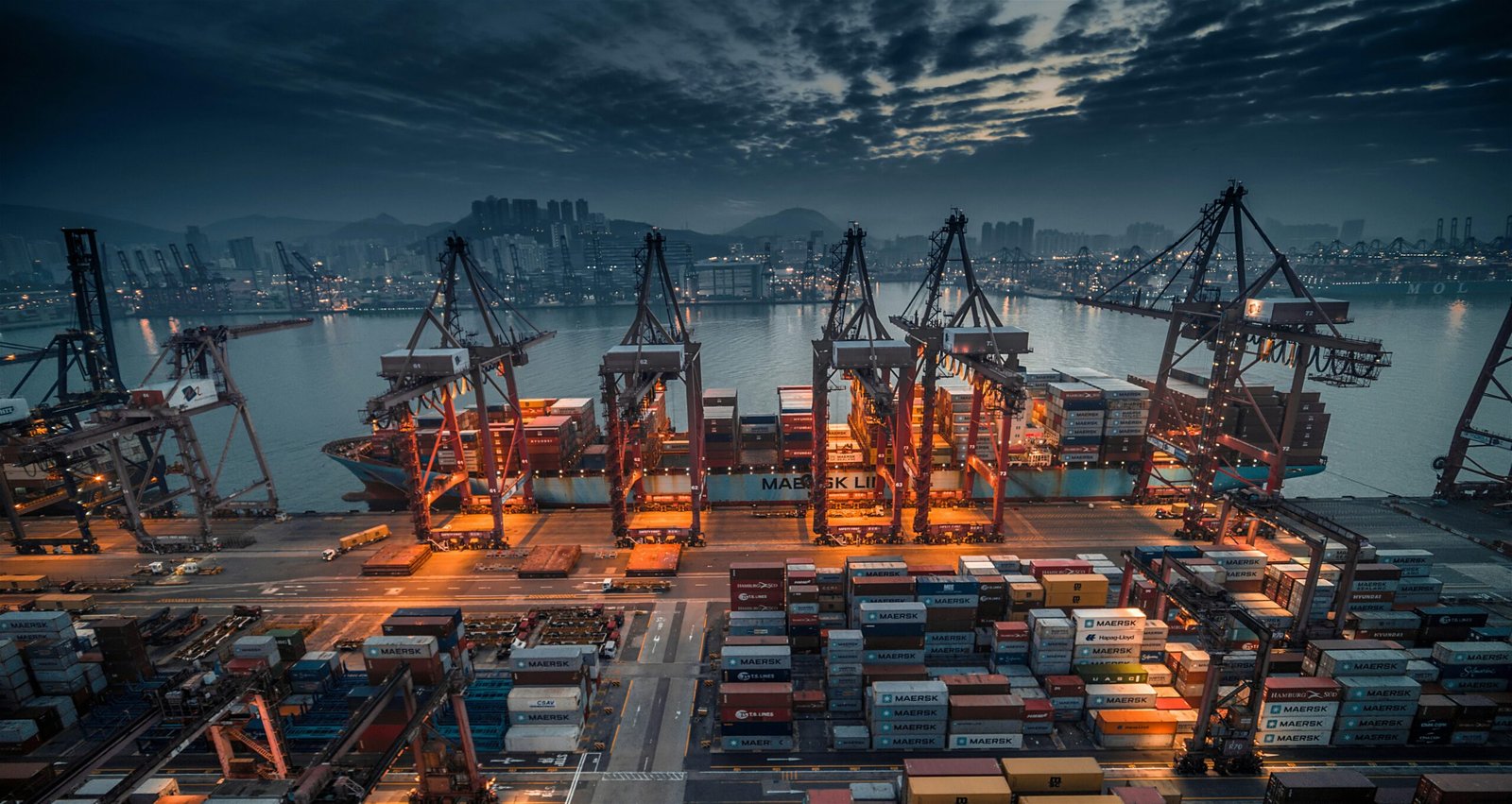
Two opinion pieces published this week in a leading Pakistani English-language daily are making an unusual argument about Gwadar Port: that its long-term value has less to do with great-power rivalry and more to do with something more mundane — logistics, warehousing, fisheries processing and vocational training. The two-part series, “Chokepoints to Connectivity,” by policy analyst Ayesha Rafiq, ran in The Nation on September 26 and 27, 2026, and reframes Gwadar as one node in a wider Eurasian connectivity system rather than a standalone bet on Chinese strategy or American counter-positioning.
The timing is notable. The series lands just as separate reporting has spent much of 2026 asking whether China is quietly losing patience with the port, whether a US-linked facility at nearby Pasni is a live option, and whether Reko Diq’s stalled mining review is a sign the whole province has become too risky for outside capital — questions this site examined in detail last week. Rafiq’s argument does not dispute that those security and geopolitical pressures are real. It simply asks a different question: even if the geopolitics settles down, does Gwadar have an economic case that stands on its own?
The Case for Connectivity Over Geopolitics
The numbers Rafiq cites are meant to establish scale. Citing UN Trade and Development data, she notes that more than 80 percent of goods traded globally by volume move by sea, and that the international trade in ocean-related goods reached roughly $1 trillion in 2025, up 7.8 percent from the year before. Maritime trade volumes grew 2.2 percent in 2024, but ton-miles — a measure of cargo multiplied by distance travelled — rose nearly 6 percent, as rerouted shipping lanes and geopolitical disruption made voyages longer and costlier. Growth is projected to slow to around 0.5 percent in 2025, a sign, she argues, that shippers are actively rethinking supply chains rather than defaulting to pre-pandemic routes.
Gwadar’s pitch in that environment, according to the series, is as a complementary option alongside Karachi Port and Port Qasim rather than a replacement for either, offering landlocked Central Asian economies, western China and Afghanistan another route to open water. The Gwadar Free Zone has drawn roughly $270 million in initial Chinese development investment, backed by a 23-year tax holiday and land leases running up to 99 years. The newly floated sister-port arrangement with Oman’s Sohar Port — reported on this site when it was announced earlier this month — is presented as an example of what that connectivity looks like in practice: cooperation on port operations, professional training, shipping incentives, logistics, warehousing and fisheries, rather than a purely symbolic diplomatic gesture.
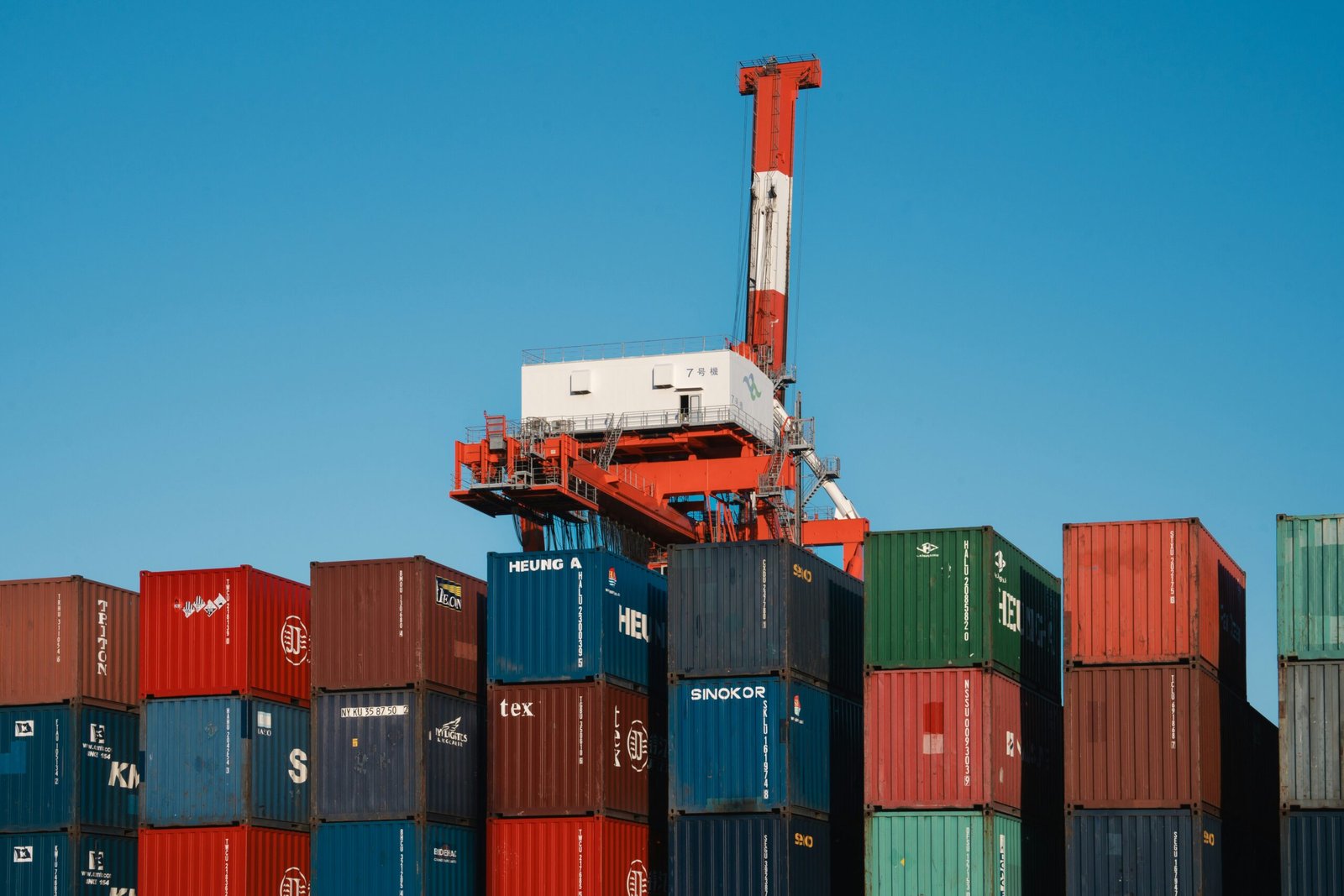
Rafiq’s broader point is that infrastructure only pays off for the people living around it when connectivity translates into local jobs in fisheries processing, logistics, warehousing and vocational training — not simply when a berth count rises. It is a framing aimed as much at Balochistan’s own residents as at foreign investors.
What a Decade of Construction Has Actually Produced
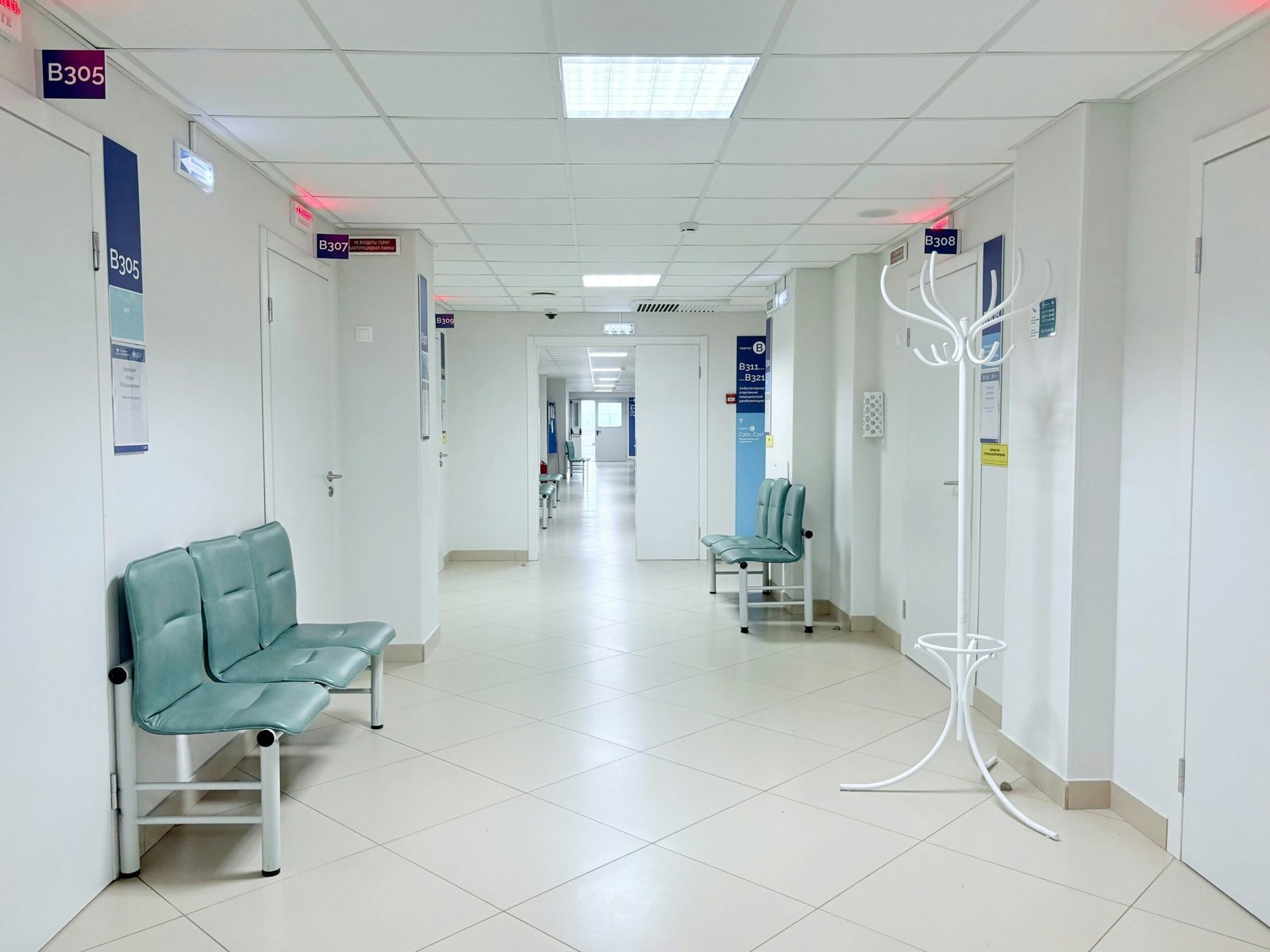
Set against that vision, the record from CPEC’s first decade at Gwadar is mixed, and reasonably well documented in Pakistani reporting through 2026. On the functioning side: the Pak-China Friendship Hospital, built with roughly $100 million in investment, treated an estimated 43,000 patients in 2025 alone. A $13.97 million desalination plant with 1.2 million-gallon-a-day capacity has supplied around 8 million gallons of drinking water to residents. A $10 million Chinese grant funded the Pak-China Technical and Vocational Institute, which now offers free diploma and degree programmes — exactly the kind of local skills investment the connectivity argument depends on. The $168 million Eastbay Expressway, linking the port to the free zones and city area, was completed in 2022 and carries commercial traffic today.
Chinese officials, for their part, describe the next phase of CPEC in similarly broad terms. A Chinese embassy deputy chief has said the priorities include Gwadar’s comprehensive development, a second phase of the Karakoram Highway, and expansion into industrialisation, agriculture, mining, IT, cybersecurity, the digital economy and artificial intelligence — a portfolio that goes well beyond port throughput.
The Roads and Berths Still Waiting to Be Finished
The gaps are just as well documented. Gwadar Port itself still operates with only three berths and four cranes after a decade of development, and its own operator has acknowledged a basic commercial shortfall: China Overseas Port Holding Company chairman Yu Bo has said the port lacks “the proper international shipping lines required to operate the port at an optimum level.” The port reportedly missed staff salary payments for November and December 2025 amid a financial crunch, even as electricity supply to the port was raised to 30 megawatts to meet operational needs.
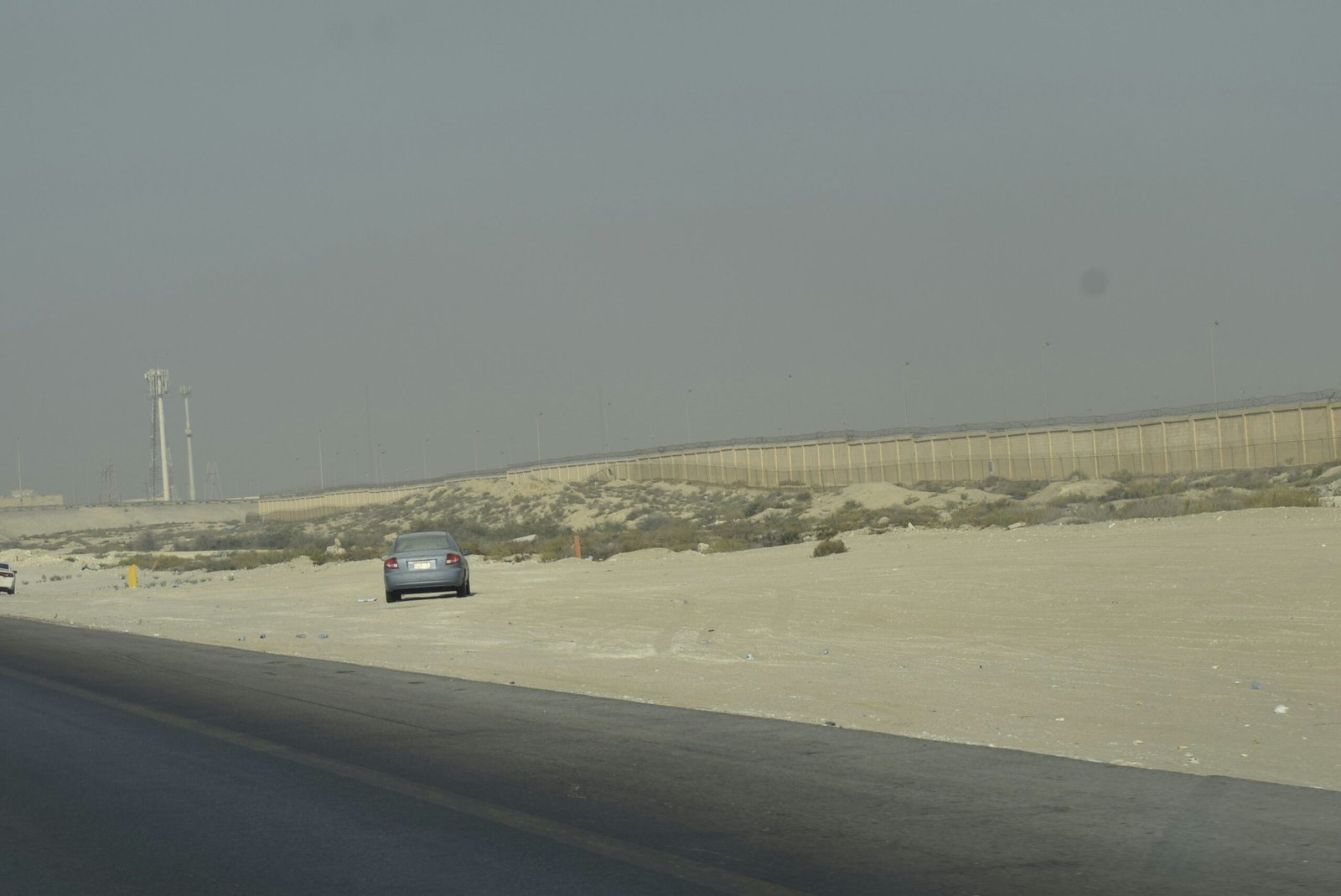
The road and rail links meant to feed that port tell a similar story. The Rs3.3 billion Gwadar Safe City project, which was to install 411 surveillance cameras across the city, has reported no visible progress, with a local deputy director describing it simply as “long overdue.” The Rs30.13 billion Eastbay Expressway Phase II, which would connect New Gwadar International Airport to the port itself, has been described in Pakistani reporting as being “in the doldrums.” The 893-kilometre M-8 motorway linking Gwadar to Ratodero in Sindh and on to the Khunjerab border has been under construction for more than ten years, with several contractors abandoning sections over security concerns; the Frontier Works Organisation has since been contracted for just a 200-kilometre stretch of it, still incomplete. Of nine planned Special Economic Zones nationally, only three currently have operational enterprises, and Gwadar’s own North Free Zone — spanning 2,240 acres — has attracted just two operating companies so far, a fertiliser firm and a meat-processing plant.
New Gwadar International Airport, a roughly Rs60 billion ($320 million-class) facility opened in January 2025 and billed as the country’s largest airport by area, has likewise fallen short of early expectations. Pakistan’s Civil Aviation Authority and Airports Authority have issued a series of limited flight schedules through 2026 — as few as two or three designated flight days a week, for a few hours at a time — rather than the steady commercial traffic officials once projected, and one September 2026 report described the terminal as largely inactive on any given day. The Rs280 billion master plan revision approved earlier this month, which folds several of these delayed upgrades into a single funded roadmap, is in effect an acknowledgment from Islamabad that the original build-out timeline slipped.
Sunk Cost or Strategic Bet? Two Ways of Reading the Same Port
A separate analysis published in Dawn on September 7 frames this same gap in blunter terms, arguing that China’s continued spending at Gwadar despite thin commercial returns reflects a deliberate strategic calculation rather than a business plan. Political economy professor Aasim Sajjad Akhtar is quoted describing Beijing’s position as a “sunk cost” embedded in “a grand design” to secure long-term access near a critical shipping chokepoint, while Oxford historian Peter Frankopan has separately characterised Gwadar as a form of “geopolitical insurance” — valuable for its long-run strategic position at the mouth of the Strait of Hormuz regardless of whether individual berths turn a profit this decade.
That reading sits in tension with Rafiq’s connectivity argument, but the two are not necessarily incompatible. A port can be both a long-horizon strategic asset for its largest external backer and, separately, a genuine economic opportunity for the province around it — provided the unglamorous pieces get built: reliable shipping-line agreements, finished roads, functioning free zones, and training pipelines that put local residents into the jobs connectivity is supposed to create. On the evidence compiled so far, Gwadar has built some of that foundation — a functioning hospital, a working desalination plant, a training institute, one completed expressway — while several of the pieces that would make the port itself commercially viable, from berths to the motorway network that should feed it, remain unfinished more than a decade after the concession was signed.
What to Watch Next
Three things will show whether the connectivity argument is more than an appealing framing device. First, whether the Gwadar-Sohar sister-port arrangement produces an actual signed agreement with concrete shipping and training commitments, rather than remaining at the memorandum stage. Second, whether Eastbay Expressway Phase II and the M-8 motorway see contractors return and construction resume, given that both are explicitly meant to connect the port and airport to the rest of the country. Third, whether Gwadar Port itself can attract the “proper international shipping lines” its own chairman says it currently lacks — the single change that would do the most to convert a decade of surrounding infrastructure into actual cargo volume.
Frequently Asked Questions
What does the “Chokepoints to Connectivity” series argue?
The two-part series, published in The Nation on September 26 and 27, 2026, argues that Gwadar Port’s long-term value depends on economic connectivity — logistics, warehousing, fisheries and training that benefit surrounding communities — rather than solely on its geopolitical significance to China, Pakistan or the United States.
How much has been invested in the Gwadar Free Zone?
The Gwadar Free Zone has received an estimated $270 million in initial Chinese development investment, with incentives including a 23-year tax holiday and land leases of up to 99 years for investors.
What CPEC infrastructure in Gwadar is actually working?
Functioning projects include the Pak-China Friendship Hospital (which treated about 43,000 patients in 2025), a desalination plant supplying roughly 8 million gallons of water, a Chinese-funded technical and vocational institute, and the completed Eastbay Expressway Phase I, finished in 2022.
What Gwadar-related projects remain stalled?
The Gwadar Safe City surveillance project, the Eastbay Expressway Phase II linking the airport to the port, and the 893-kilometre M-8 motorway to Sindh have all seen significant delays, with the motorway under construction for more than a decade. New Gwadar International Airport, opened in January 2025, has also operated well below its designed capacity.
Why does Gwadar Port still handle limited cargo?
The port operates with only three berths and four cranes, and its operator, China Overseas Port Holding Company, has said it lacks the international shipping line agreements needed to run at full capacity, a gap that has also contributed to periods of financial strain, including delayed staff salaries in late 2025.