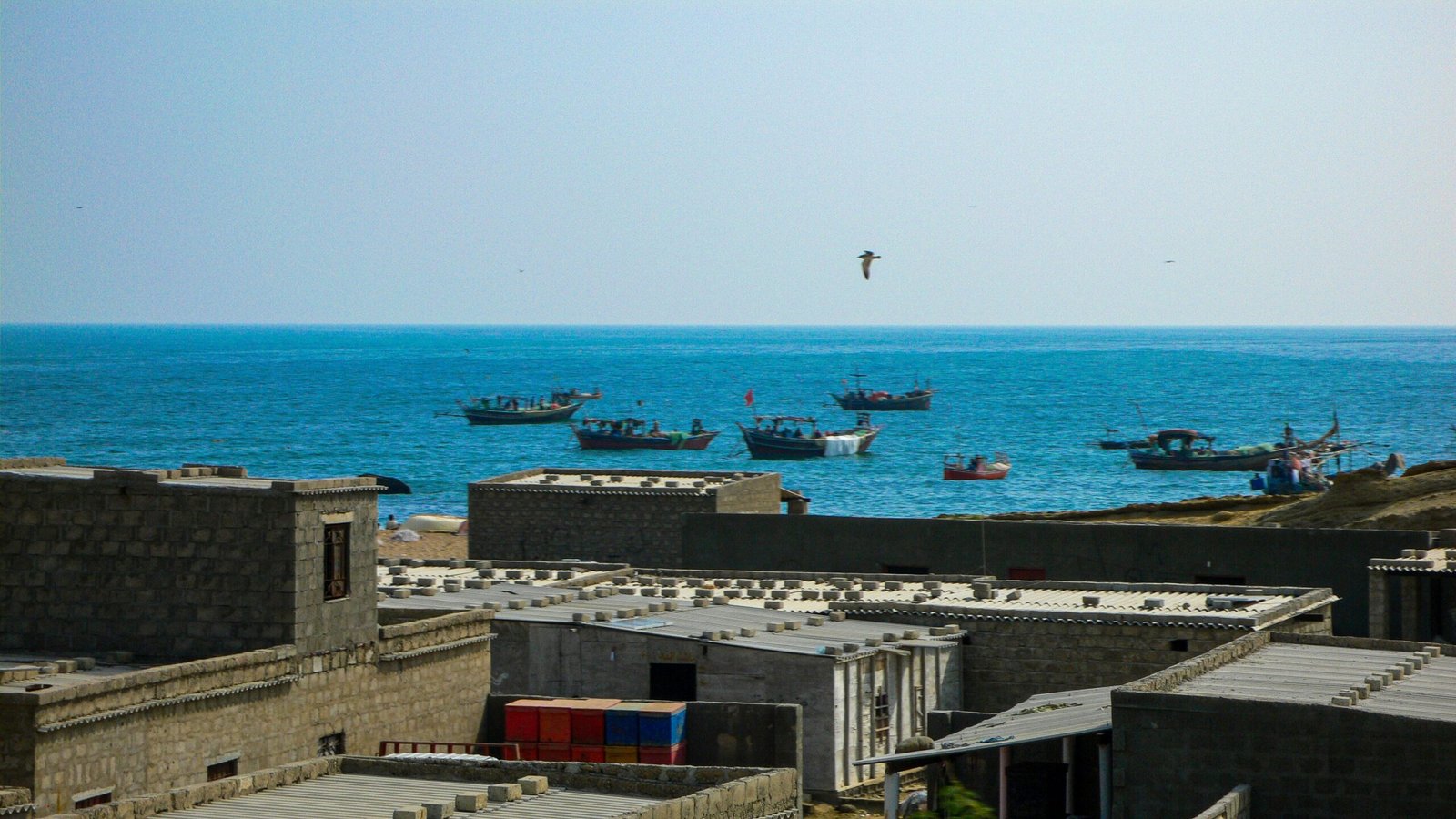
Gwadar is still, by most official counts, a fishing city first. Roughly 80 percent of its population depends on the sea for a living, and Balochistan’s 770-kilometre coastline is one of the least-exploited fisheries anywhere on the Arabian Sea. Yet nearly every number attached to Gwadar’s development in the past decade has been about the port, the airport, the free zone, or the roads connecting them. The sector that actually employs most of the city’s residents has waited longest for its own infrastructure — and that gap is now central to whether CPEC’s “blue economy” promises in Balochistan turn into cargo and income, or stay a line in press releases.
A Coastline Built for Fish, Not Yet for Processing
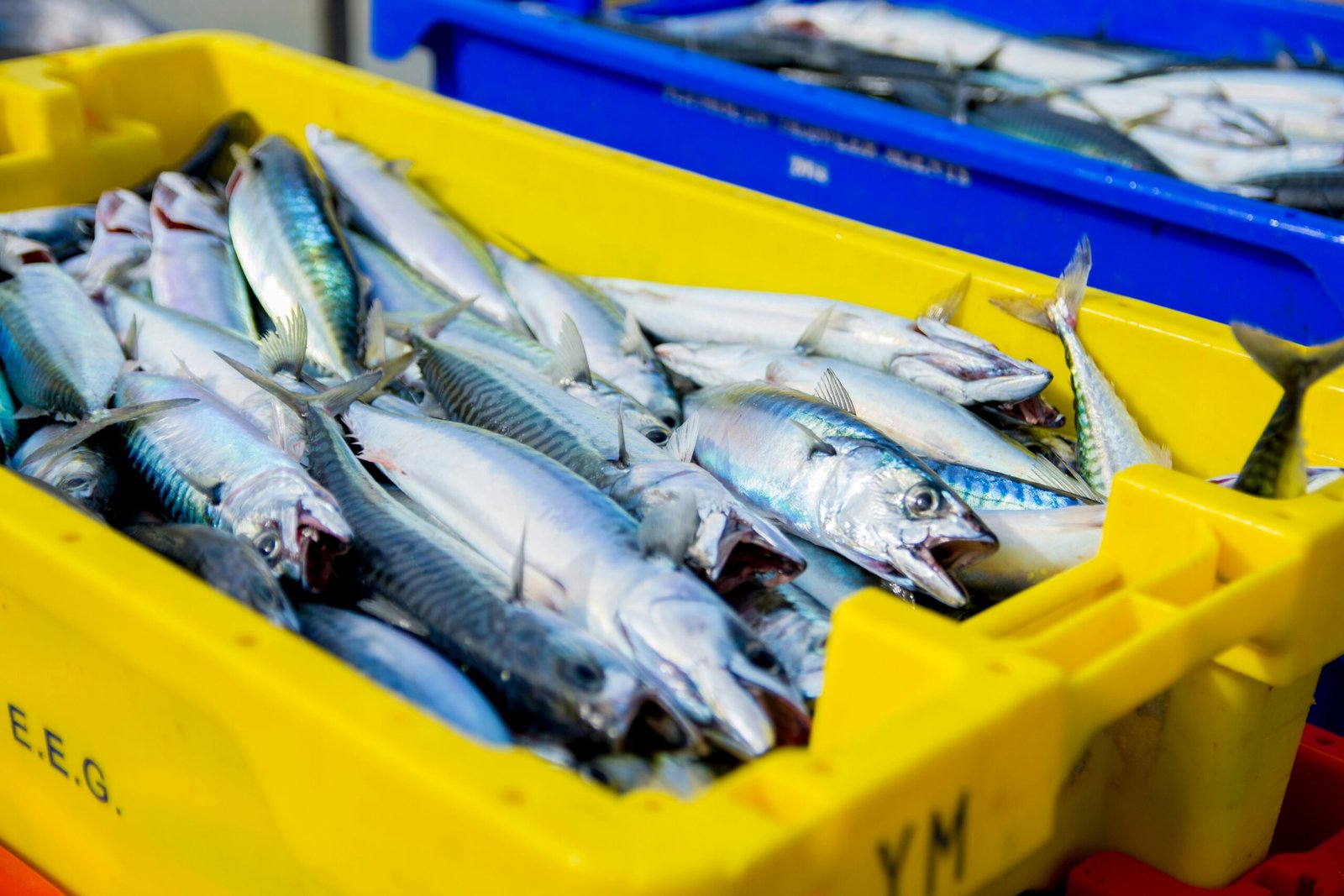
The scale of the opportunity is not really in dispute. A policy paper from the Pakistan Institute of Development Economics (PIDE), cited in this site’s recent coverage of Gwadar Port’s low capacity utilisation, estimates Balochistan’s annual catch potential — with adequate processing infrastructure — at around 300,000 tonnes, worth roughly $645 million in exports. National seafood exports crossed $500 million for the first time this year, with China alone importing more than 83,000 tonnes worth $149 million. Balochistan’s coastline supplies a meaningful share of that national catch, but very little of the value-added processing happens there.
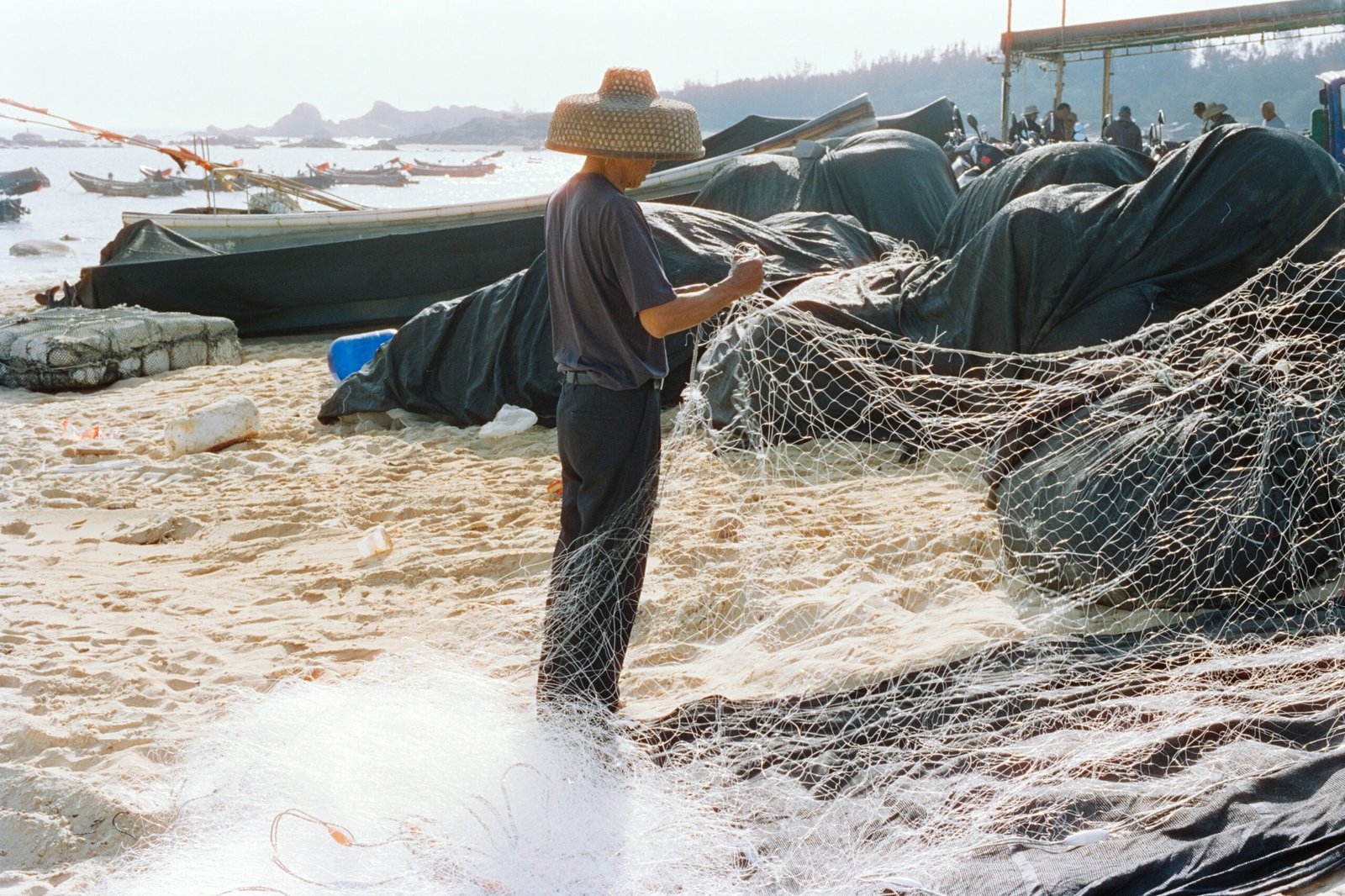
The infrastructure gap is specific and well documented. Gwadar’s South Free Zone currently hosts a 2,000-tonne cold storage facility for seafood exports — the only sizeable one in the city — while a larger North Free Zone facility remains under development. Balochistan-wide, officials count 34 seafood processing units, but many need upgrades to meet the standards required for premium export markets. Fishermen in towns like Ormara and Pasni still describe the same complaint: no ice plants, no modern landing sites, and high post-harvest losses because catch spoils before it reaches a buyer willing to pay export prices.
A Decade of Targeted Relief Schemes
Successive governments have tried to close the gap fisherman by fisherman rather than through sector-wide infrastructure. The clearest example dates to 2022, when the federal cabinet approved Rs823 million to distribute 2,000 free boat engines — later expanded to 3,291 fishermen at Rs250,000 each — alongside a pledge of 200 acres of land for a fishermen’s housing colony near Gwadar. Balochistan’s provincial government followed in 2026 with a “Green Fibreglass Boats Scheme,” subsidising 90 percent of the cost of 92 modern 24-foot fibreglass vessels with 85-90 horsepower engines, aimed at replacing the wooden boats still common along the coast. Health cards for Gwadar’s fishing community were rolled out in phases, with Lasbela and Hub districts meant to follow.
Each of these schemes addresses a real need, and each has taken years to move from announcement to delivery — the boat-engine disbursement alone spanned a 2022 pledge, a 2022 cabinet approval, and a later review that considered switching to cash transfers because engines weren’t reaching fishermen on schedule. That pattern — announced relief outpacing actual distribution — is one the sector’s bigger blue-economy ambitions risk repeating at a larger scale.
Illegal Trawling Remains the Unsolved Problem
No infrastructure fix addresses the complaint fishermen have raised most consistently for years: large commercial trawlers, often licensed elsewhere in Pakistan, fishing illegally in Balochistan’s waters and depleting stocks that coastal communities depend on. Protests under this banner have recurred for years, including a month-long sit-in that drew a prime ministerial response, periodic bans on trawling within 12 nautical miles of Gwadar, and recurring arrests of trawler crews — 84 people and four vessels seized in one sweep alone. A nighttime fishing ban imposed more recently added further restrictions on when and where local fishermen themselves can operate, even as the enforcement gap against larger illegal vessels persists. Any blue-economy plan that boosts exports without resolving this tension risks rewarding the same large-scale operators fishermen have been protesting against.
The Bigger Numbers Are Still Mostly on Paper
Against that backdrop of unresolved local grievances, the figures attached to Gwadar’s blue economy keep growing. Pakistan’s Maritime Affairs Ministry has put Gwadar’s value-added seafood and date export potential at over $850 million annually, and officials have described the wider blue economy — fisheries, aquaculture, port trade and renewable energy combined — as capable of adding $850 million to exports under the 2025-2035 strategy. China Overseas Port Holding Company has partnered with a Chinese aquaculture firm on deep-sea fish farming near Gwadar, and separately, Chinese and Australian firms signed a memorandum of understanding to build a dedicated seafood park with blast-freezing, quality-testing labs and cold-chain logistics. These are the kind of announcements that, like the Free Zone’s own history of signed-but-unrealised investment commitments shows, do not automatically translate into operating facilities on a fixed timeline.
What Would Actually Move the Needle
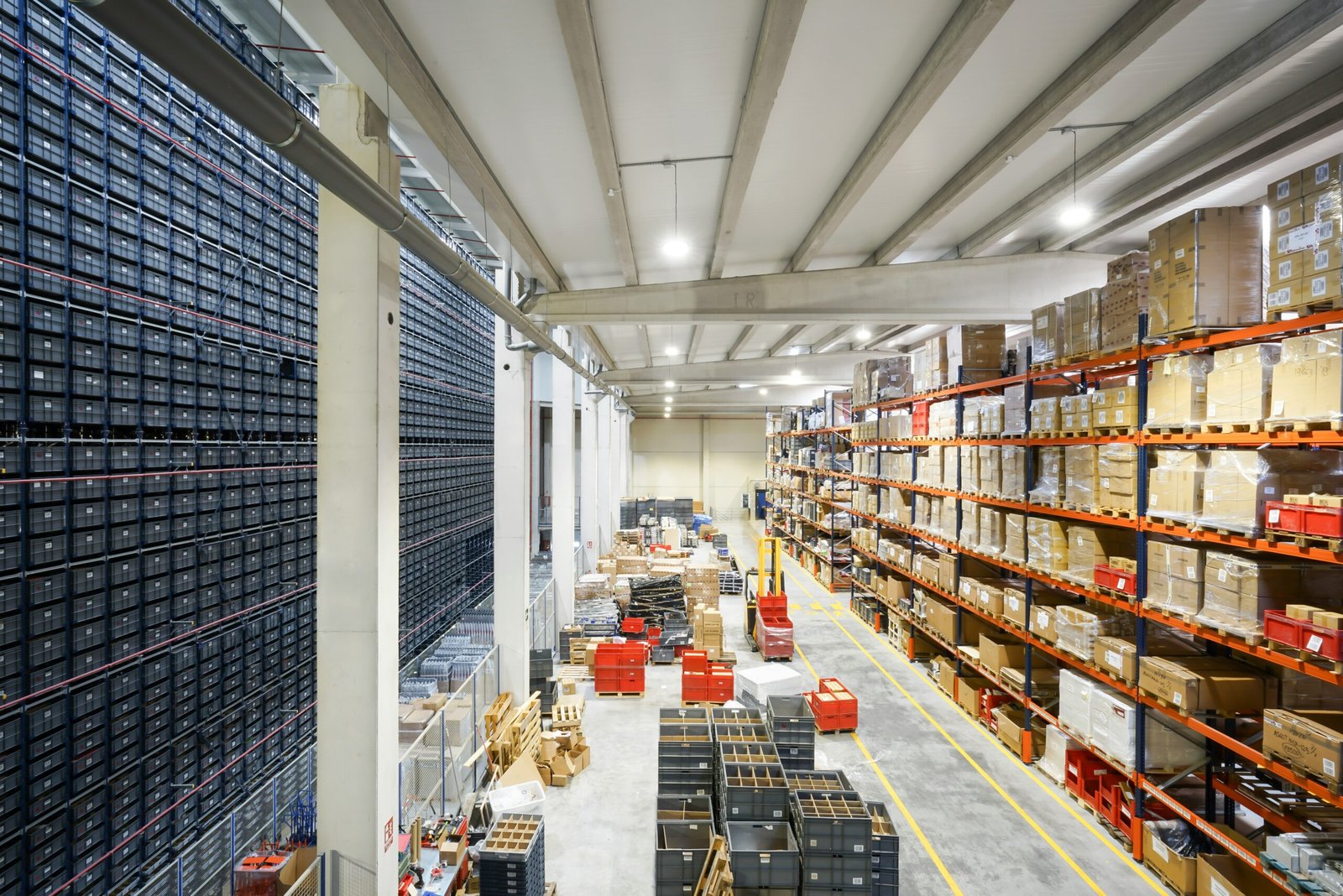
The PIDE paper’s recommendations, aimed primarily at the port’s transhipment ambitions, apply just as directly to fisheries: channel new investment through fishing cooperatives rather than displacing small operators in favour of corporate tenants, and treat local inclusion as a commercial necessity rather than a side benefit. For Gwadar specifically, that means scaling cold storage well past the current 2,000-tonne ceiling, upgrading the 34 existing processing units to export standard, and continuing the shift from wooden boats to fibreglass vessels that preserve catch quality. None of this requires Gwadar’s port or free zone to succeed first — fisheries is one piece of the city’s economy that does not depend on transhipment volumes or rail links to Reko Diq’s mineral wealth. It depends on whether the cold-storage, licensing and enforcement gaps get closed as deliberately as the port’s berthing-fee discounts have been.
FAQ
How much of Gwadar’s population works in fishing?
Officials and advocacy groups commonly cite a figure of roughly 80 percent of Gwadar’s population depending on fishing for its livelihood, making it the city’s largest employment sector by far, ahead of port and free-zone jobs.
How big is Balochistan’s seafood export potential?
A PIDE policy paper estimates Balochistan’s annual catch potential, with adequate processing infrastructure, at around 300,000 tonnes worth approximately $645 million in exports — well above what current cold storage and processing capacity can support.
What is being done about illegal trawling off Gwadar?
Balochistan’s government has periodically banned trawling within 12 nautical miles of the Gwadar coast and carried out enforcement sweeps arresting crews of illegal trawlers, but fishermen’s protests over continued illegal trawling by larger commercial vessels have recurred for years.
Sources: Mujtaba Arshad, “Winning Transhipment: A Roadmap to Make Gwadar a Preferred Hub for Global Shipping Lines,” PIDE Policy Viewpoint No. 72:2026; Zameen.com, “Gwadar’s blue economy projected to add USD 850m to exports”; Daily Times, “Seafood exports cross $500m milestone for first time” and “Chinese, Australian firms sign MoU to develop seafood park in Gwadar”; Dawn, “Gwadar’s fishermen to get 2,000 marine engines, 200 acres land for colony: PM” and related coverage of Balochistan fishermen’s protests against illegal trawling; INP Pak-China, “Balochistan to provide subsidised fibreglass boats to Gwadar fishermen”; Dawn, “Maritime minister underscores $850m export potential of Gwadar’s value-added seafood and date industries.”