As CPEC moves from building ports and highways to running mines, factories and farms, Pakistan and China are turning their attention to a less visible but equally critical piece of the corridor: security. A senior Chinese Communist Party official’s visit to Islamabad earlier this month, a joint military exercise in Xinjiang, and renewed calls from analysts for a formal security framework all point to how central that question has become to the next phase of the roughly $62 billion initiative — one that runs directly through Gwadar and the province hosting it, Balochistan.

A Shift From Concrete to Cooperation
For much of the past decade, CPEC’s story in Gwadar was about construction: the port’s berths, the East Bay Expressway, the new international airport. Officials on both sides now describe a second phase, often called “CPEC 2.0,” built around industrial zones, agriculture, mining projects such as Reko Diq, and technology cooperation rather than fresh roads and terminals, even as the port’s own master plan continues to move forward.
Analysts covering the shift argue that it changes the security calculus. Guarding a handful of fenced construction sites is a different problem from protecting supply chains, factories and foreign technicians spread across a province that has for decades contended with a separatist insurgency.
What Happened in Islamabad This Month
On November 2, Liu Haixing, minister of the International Department of the Communist Party of China’s Central Committee, met Prime Minister Shehbaz Sharif and Chief of Defence Forces Field Marshal Syed Asim Munir in Islamabad. According to The Daily CPEC, the talks covered trade, investment, connectivity, information technology and agriculture alongside regional security, and were framed by both sides as a reaffirmation of existing cooperation rather than a new agreement.
The visit followed a joint statement issued in May 2026 during Prime Minister Sharif’s trip to China, which referenced a proposed China-Pakistan Security Partnership, Beijing’s Global Security Initiative, and expanded military-to-military engagement, with Islamabad committing to specific measures to protect Chinese personnel and projects. That statement also named the Tehreek-e-Taliban Pakistan and the Eastern Turkistan Islamic Movement as shared concerns, reflecting worries on both sides about militant activity spilling over from Afghan territory.

Why Balochistan and Gwadar Are the Hard Case
Security analysts repeatedly single out Balochistan as the most difficult part of the corridor to protect. The province hosts Gwadar Port, the Reko Diq copper and gold project, and a long-running insurgency led by groups including the Balochistan Liberation Army and the Baloch Liberation Front, which have attacked security forces, infrastructure and, on several occasions, Chinese nationals working on CPEC projects.
Writing in Asia Times, Qazi Zaheer Ahmad, a former senior Pakistani government official who served as CPEC project director from 2020 to 2023, pointed to attacks including the March 2024 suicide bombing near Besham that killed five Chinese nationals working on the Dasu hydropower project, and an October 2024 attack near Karachi’s airport that killed two more Chinese nationals. He argued that protecting CPEC’s industrial phase will require intelligence-led security and consistent protocols across both state and private guards — and, just as importantly, addressing local grievances over water, electricity, jobs and fishing rights that militant groups can otherwise exploit for recruitment and sympathy.
A Joint Exercise and a Push for New Institutions
Military ties have deepened alongside the diplomacy. China’s Ministry of National Defense says the two countries’ armed forces held “Karakoram 2026,” a nine-day joint counterterrorism exercise in high-altitude terrain in Xinjiang from October 14 to 22 — the kind of training exercise increasingly framed by both governments as practice for securing shared infrastructure rather than a purely symbolic gesture.
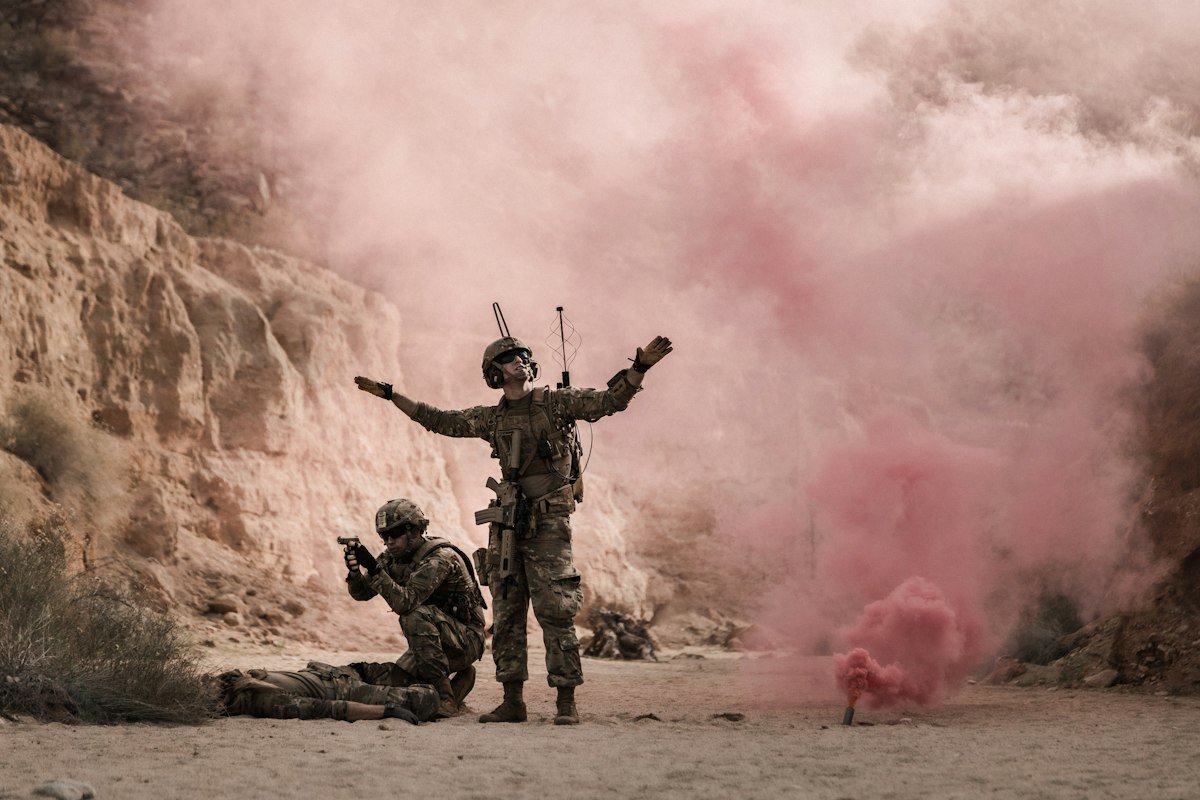
Separately, commentary from Pakistan’s Center for Knowledge and Public Policy, carried by The Daily CPEC, has proposed a “Pakistan-China Corridor of Safety, Security and Counterterrorism” built around four pillars: physical security and counterterrorism using surveillance, drones and AI-assisted monitoring; a joint body for structured intelligence sharing; a joint cybersecurity operations group to protect critical infrastructure; and governance measures — including investment channelled through the Special Investment Facilitation Council — intended to give Balochistan’s population a tangible stake in the corridor. These remain proposals rather than signed agreements, and officials on both sides have so far described the current cooperation as evolving rather than formally restructured.
What It Means for Gwadar
For Gwadar’s residents and the port’s operators, this institutional debate is not abstract. Every security setback carries knock-on effects for the shipping volumes, free-zone investment and jobs that the port’s master plan is built around, and every new mining or manufacturing project — from Reko Diq’s logistics needs to new local factories such as Gwadar’s first tuff tiles plant — adds another site that needs protecting.
Whether the current round of diplomacy and the province’s own outreach to Beijing translate into an integrated security framework of the kind analysts are calling for, or stay at the level of statements and exercises, is likely to shape how quickly CPEC’s industrial phase actually reaches the coast.
Sources: The Daily CPEC; Asia Times; China’s Ministry of National Defense statements on the Karakoram 2026 exercise.