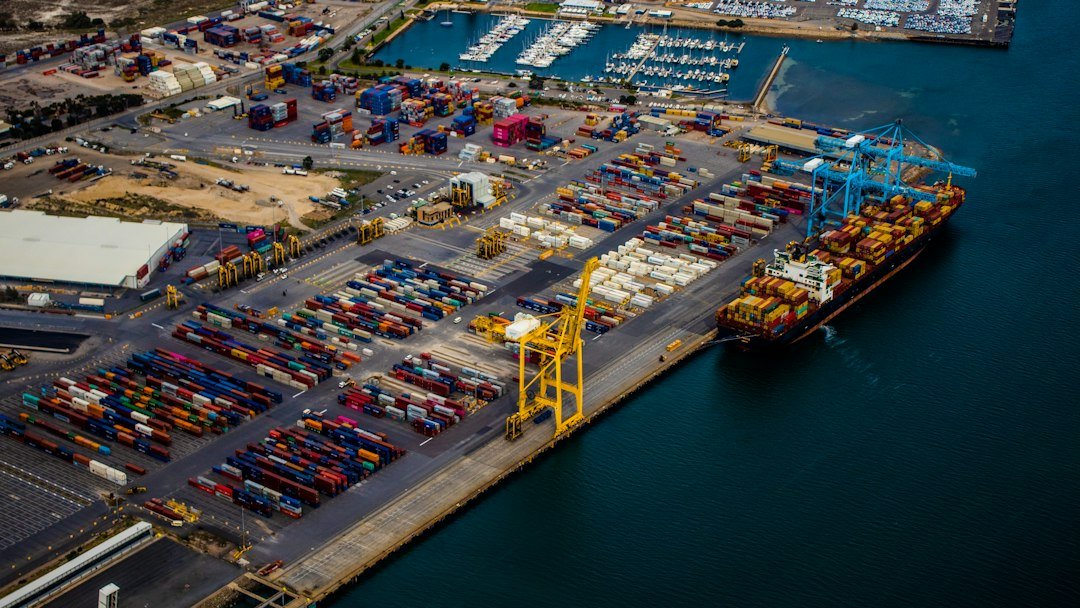
Gwadar Port’s top administrators sat down last month for a wide-ranging review of the projects meant to turn the deep-sea port into the commercial hub Islamabad and Beijing have promised for more than a decade. The meeting, held in Gwadar and chaired by Maritime Affairs Secretary Muhammad Khurram Agha, took stock of everything from the port’s long-term master plan to the desalination plant meant to fix the city’s chronic water shortage.
Gwadar Port Authority (GPA) Chairman Noorul Haq Baloch briefed the secretary on the port’s overall progress, according to Dawn, which first reported on the meeting. The session was framed as a chance for the visiting secretary to get a firsthand, administrative-level look at how Gwadar’s flagship projects are actually moving, rather than relying on paperwork from Islamabad.
What the Meeting Covered
Officials discussed four areas in particular:
- The 1.2-million-gallon-per-day seawater desalination plant that is meant to end Gwadar’s long-running water crisis.
- Commercial and industrial activity inside the Gwadar Free Zone.
- Operational matters involving Gwadar International Terminal Limited (GITL), the entity that runs day-to-day terminal operations at the port.
- The GPA’s master plan, which officials described as central to the port’s future development and to attracting further commercial and industrial investment.
Dawn‘s report did not include cost figures, revised completion dates, or a breakdown of how far along each project now stands — a reminder that, as with much CPEC-linked infrastructure in Balochistan, Islamabad’s public updates on Gwadar tend to be long on intent and short on specifics.
The Desalination Plant: An Old Problem, Still Unsolved
Water scarcity has dogged Gwadar for years despite its location on the Arabian Sea. The fishing town has periodically relied on tanker trucks and emergency supplies even as port infrastructure around it expanded. The 1.2 MGD desalination plant — first proposed as part of Gwadar’s broader development package and backed in earlier years by Chinese and Gulf partners — is intended to secure a reliable freshwater supply for both residents and the port’s expanding workforce.
Progress on the plant has been reported in fits and starts over the years, which is part of why its inclusion in last month’s review matters: it signals that the water issue remains a live administrative priority rather than a project quietly shelved.

Image: Julia Taubitz / Unsplash (representative image)
Free Zone and GITL: The Commercial Backbone
The Gwadar Free Zone is the part of the port complex meant to house manufacturing, warehousing, and trading operations that take advantage of duty concessions and the port’s position outside the congested Gulf shipping lanes. Its first phase opened years ago with a modest roster of tenants; officials have since talked up plans to expand it into a fuller industrial park.
GITL’s operations, meanwhile, are the practical test of whether Gwadar can actually handle rising cargo traffic — an issue this site has covered in detail in our look at why Gwadar Port still can’t dock its biggest ships. Earlier this year, the port drew attention when a Hong Kong-flagged vessel diverted from a planned Gulf stop and berthed at Gwadar instead, carrying more than 53,000 metric tons of Chinese steel billets — a cargo volume officials cited as evidence that international shipping lines are growing more confident in the port’s readiness. Reviewing GITL’s operational matters alongside the master plan suggests Islamabad is trying to make sure the terminal’s day-to-day capacity keeps pace with that kind of occasional high-volume traffic, rather than treating each big vessel as a one-off.

Image: Waheed Javed / Unsplash (representative image)
Why the Master Plan Matters
Of everything on the agenda, the GPA master plan is arguably the most consequential, because it is the document meant to tie the rest together — zoning for the Free Zone’s expansion, the sequencing of terminal upgrades, and the commercial and industrial development the port authority hopes will eventually justify Gwadar’s enormous infrastructure spend. Pakistani officials have periodically revised elements of the plan as funding and Chinese partner commitments shifted; last month’s briefing suggests another round of stock-taking is underway, coming just days after a Balochistan delegation pitched Gwadar as a regional hub during talks in Beijing.
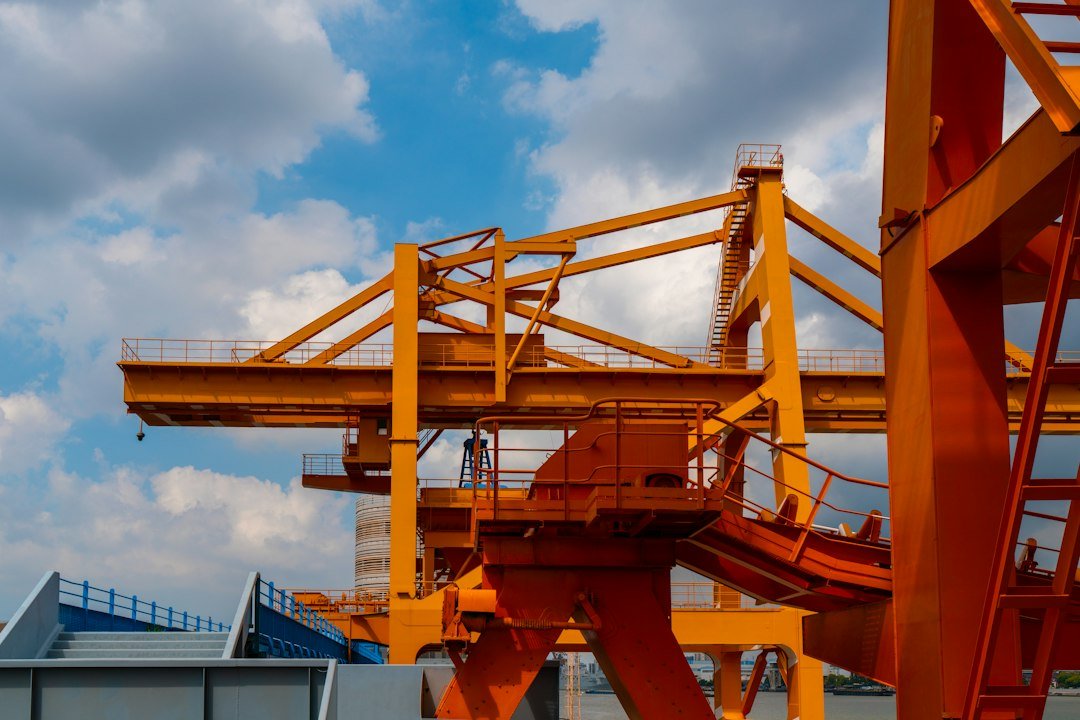
Image: Declan Sun / Unsplash (representative image)
Part of a Wider Push
The review comes against the backdrop of a broader effort by Islamabad and Beijing to reposition Gwadar as the push into “CPEC 2.0” continues. In a joint communiqué issued after Prime Minister Shehbaz Sharif’s official visit to China earlier this year, the two governments explicitly committed to transforming Gwadar Port into a regional connectivity hub as part of the corridor’s upgraded phase — a commitment this site examined in more detail in our report on China’s vow to extend CPEC Phase-II benefits to Balochistan.
Social-development projects tied to the port have moved in parallel. The Pakistan-China Joint Chamber of Commerce and Industry has backed a Balochistan government scheme to build low-cost housing for Gwadar’s fishing community on land the provincial government has begun demarcating — part of an effort to show that CPEC’s benefits extend beyond cargo throughput to residents of the port town itself.
Structural Challenges Still Loom
None of this resolves the structural questions that have shadowed Gwadar for years. A Dawn editorial earlier this year argued that regional shipping disruptions have handed Gwadar a geopolitical opening, but cautioned that weak road, rail, and warehousing links, an underdeveloped industrial base, and persistent security concerns in Balochistan still limit how much of that opportunity the port can actually capture. Attracting an occasional diverted cargo ship is different from becoming a routine stop on global shipping lanes.
For now, the message from last month’s meeting is incremental rather than transformative: the water plant, the Free Zone, the terminal operator, and the master plan are all still being actively managed, reviewed, and — at least in official telling — advanced. Whether that steady administrative attention translates into the commercial activity Gwadar has long been promised remains the open question hanging over every one of these projects.
Sources
- Gwadar port development projects reviewed — Dawn
- Gwadar Port Authority, Chinese firm agree to boost investments — Dawn
- Pakistan’s Gwadar port berths vessel with 53,000 metric tons amid rise in transshipment — Arab News
- China, Pakistan aim to revamp economic corridor, Gwadar port — Business Recorder
- PCJCCI supports Gwadar housing scheme for fishermen — Business Recorder
- Gwadar rising? — Dawn (editorial)