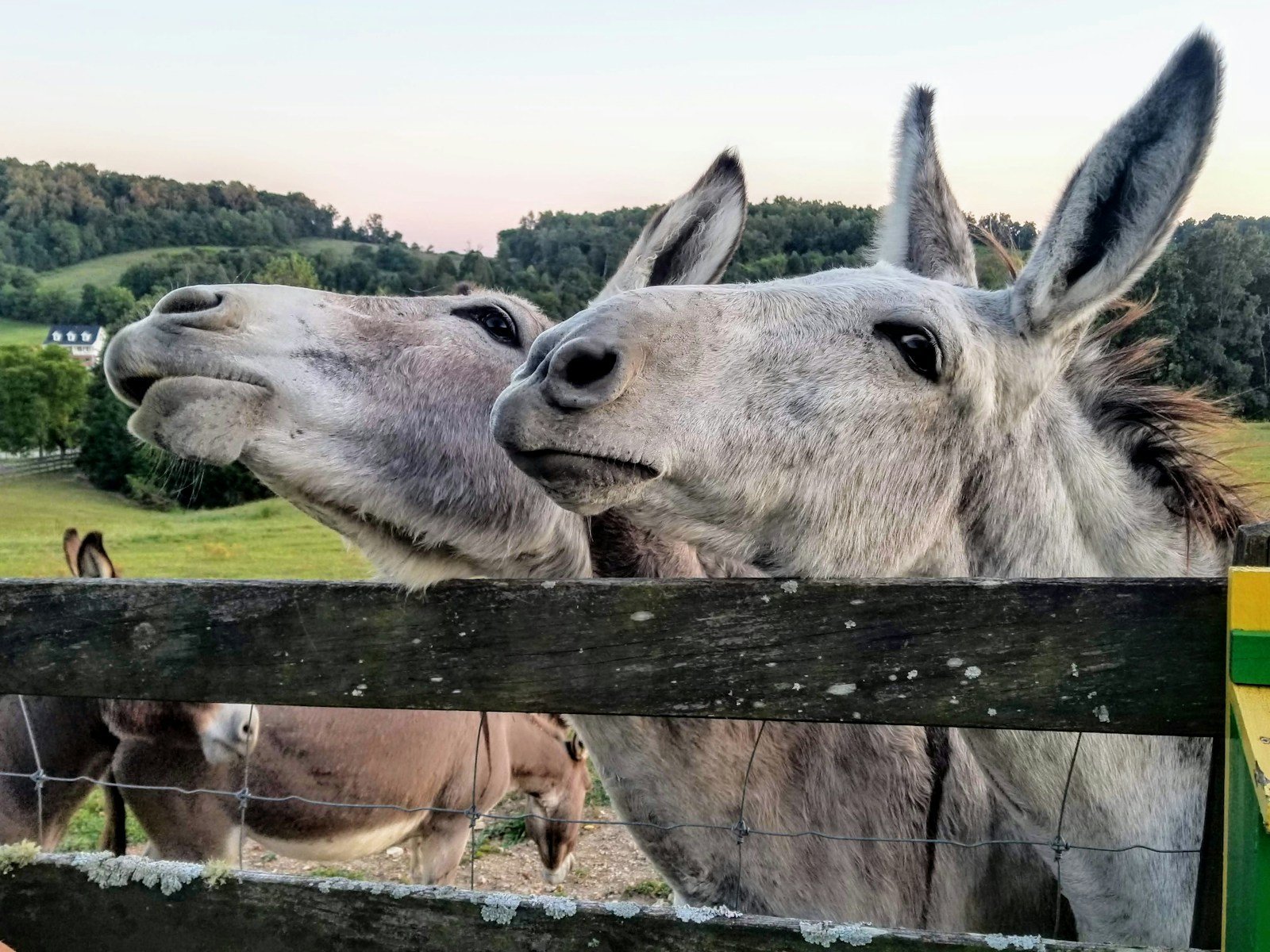
Pakistan’s Economic Coordination Committee (ECC) has given formal approval for donkey meat and hides to be exported from the Gwadar Free Zone, capping more than a year of stop-start regulatory wrangling over what has become one of the port city’s more unusual — and unusually lucrative — export ventures.
The ECC, chaired by Federal Minister for Finance and Revenue Senator Muhammad Aurangzeb, cleared the export on Monday, September 7, 2026, according to reporting by ProPakistani, Business Recorder, The Nation and ARY News. The approval is conditional: exporters must meet “all prescribed regulatory and safety requirements” under safeguards recommended by the Ministry of National Food Security and Research (MoNFS&R), which had reviewed the sector after months of complaints from Chinese investors about delays.
What the ECC Approved
The committee’s decision applies specifically to operators in the Gwadar North Free Zone, where Pakistan’s small but growing donkey-processing industry is concentrated. Officials framed the move as a way to boost commercial activity inside the Free Zone and strengthen its role as an export-oriented hub under the China-Pakistan Economic Corridor (CPEC), rather than a one-off approval for a single shipment.
It is not, however, the first time the ECC has weighed in on the trade. An earlier ECC meeting in late April 2026 approved “disposal of existing inventory” under existing export protocols, and a May session added conditions requiring a traceability system, a regulatory framework and a restriction limiting donkey slaughter and processing to the Gwadar North Free Zone only. September’s decision effectively formalizes and extends that framework as more operators enter the business.
A Rocky Road to Export Approval
Gwadar’s donkey trade has had a bumpier start than most CPEC-linked ventures. Export protocols between Pakistan and China were first finalized back in 2024, but the industry’s first mover, a Chinese-backed firm most commonly referred to as Hangeng (also transliterated Hengeng) Trade Company, ran into trouble almost as soon as its $50 million Gwadar slaughterhouse was ready to ship product.
On May 1, 2026, Hangeng announced it was shutting down its Gwadar operation and laying off staff, saying its exports remained blocked despite the facility meeting inspection and food-safety standards. The threatened closure drew attention at the highest levels of government: Prime Minister Shehbaz Sharif and Planning Minister Ahsan Iqbal both intervened, and on May 2 the Animal Quarantine Department issued approval for exports to proceed “strictly in accordance with the import policy of the destination country.” Hangeng reversed its shutdown decision within days, with a company spokesperson telling reporters the problem “has been resolved with the support of the prime minister and the minister of planning.”
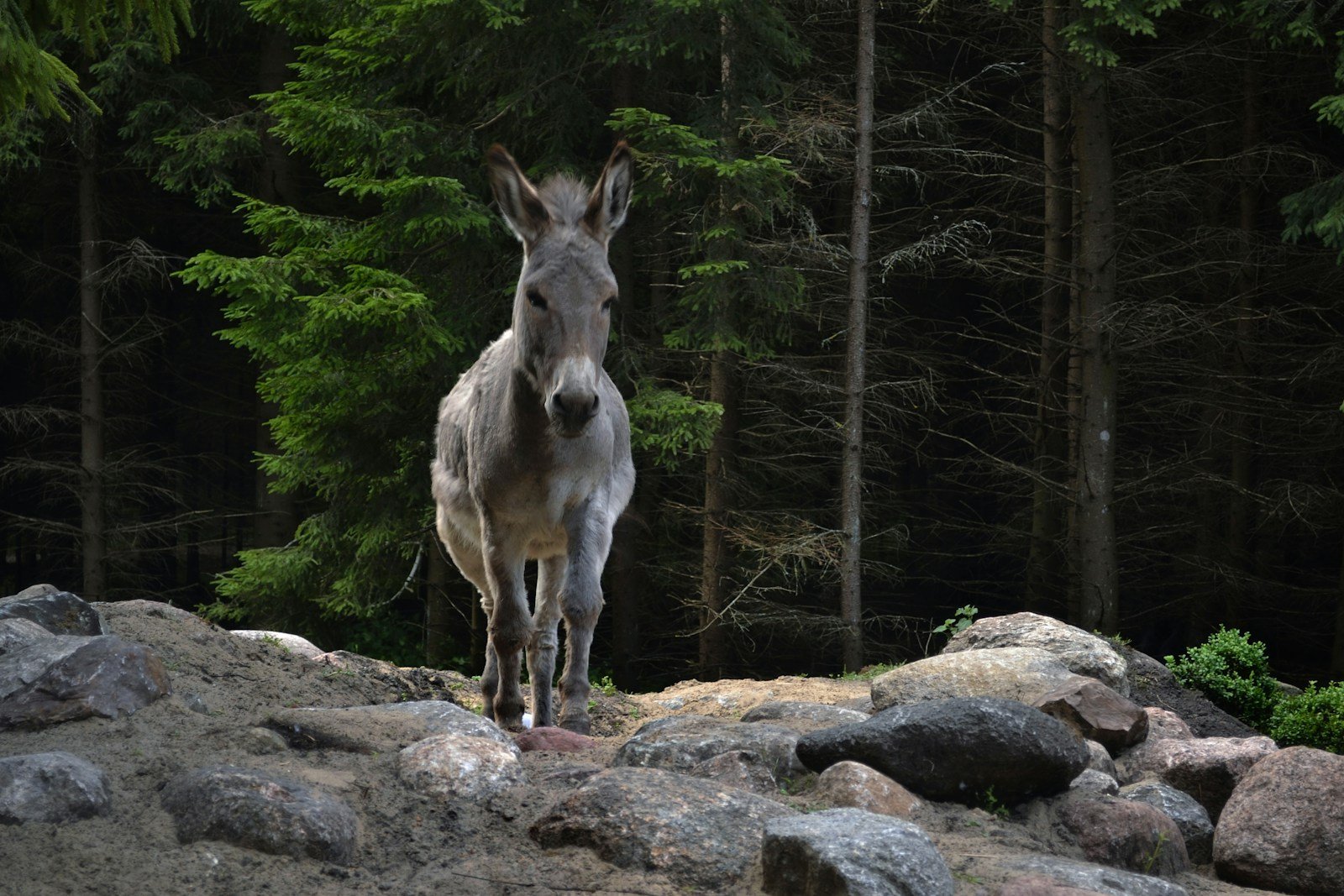
That intervention cleared the way for a milestone: in July 2026, Pakistan’s first shipment of donkey meat cleared customs at Tianjin Port in China, described by industry sources as the first food product manufactured in the Gwadar Free Zone to reach the Chinese market. Two consignments shipped that summer were reportedly worth a combined $195,425 — modest in absolute terms, but a proof of concept for a trade that officials hope will scale considerably.
A Second Operator, and a Bigger Bet
Hangeng is no longer the only player. On August 14, 2026, a second Pakistani-Chinese venture, Shahzad and Shao (Private) Limited, was allocated four acres of land in the Gwadar North Free Zone for its own slaughterhouse and processing facility, with an annual quota of up to 150,000 donkeys. The company has said it has already completed soil testing and secured licenses from the MoNFS&R, Pakistan’s Animal Quarantine Department and China’s General Administration of Customs, and is working to develop donkey-rearing arrangements with farmers in Sindh and Punjab to feed the new plant’s supply chain.
Pakistan is home to an estimated 5.8–5.9 million donkeys, the third-largest population in the world, most of them working animals in rural households rather than commercially bred livestock. That scale is part of what has made the country an attractive supplier as China’s own domestic donkey herd has shrunk over recent decades.
Why China Wants Pakistan’s Donkeys
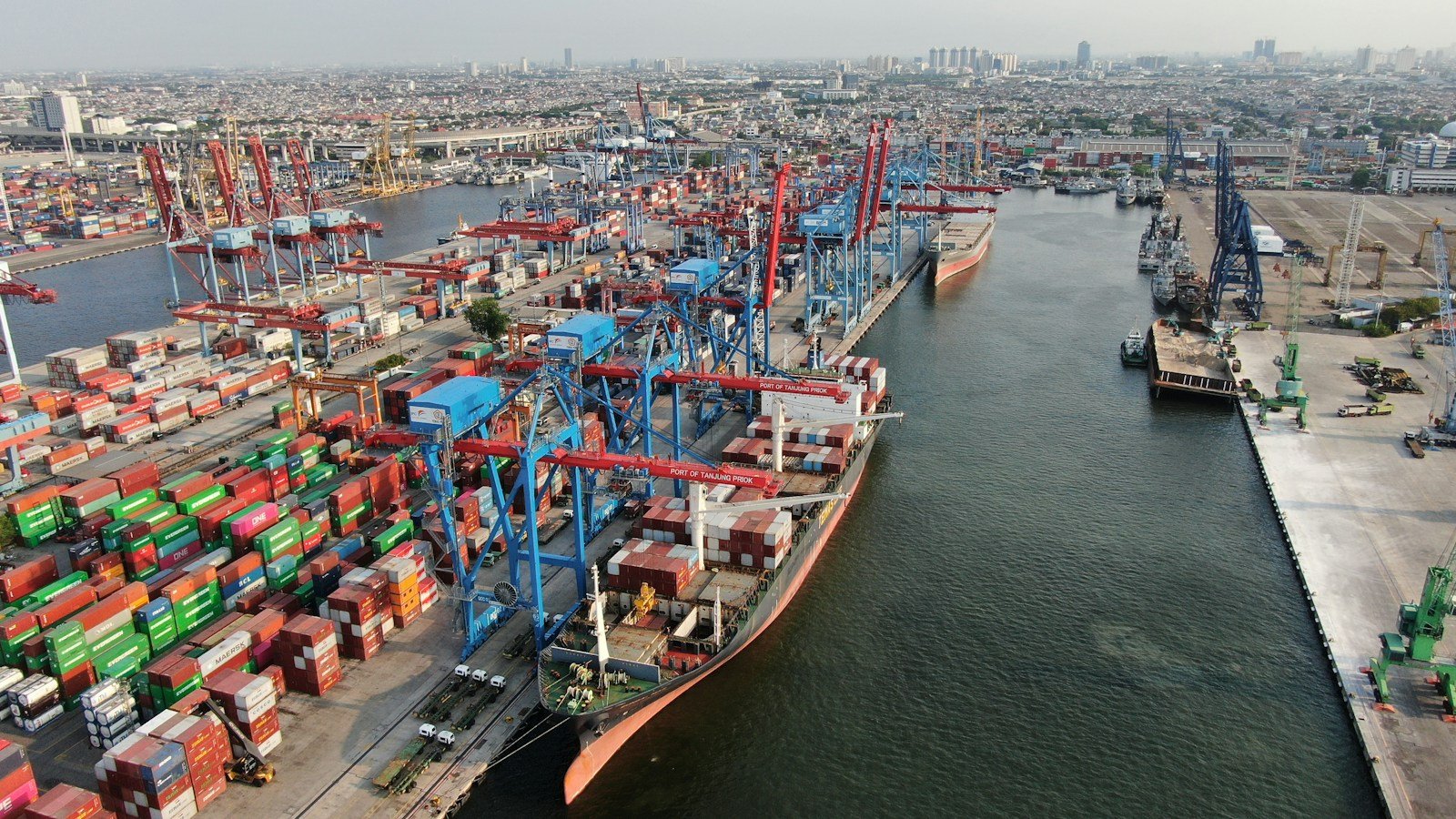
Donkey meat is not consumed in Pakistan, where it is prohibited under Islamic dietary law, but both meat and hides are valued in China. The hides are the more commercially significant product: they are the raw material for ejiao, a gelatin derived from boiled donkey skin that has been used for centuries in traditional Chinese medicine and is increasingly marketed as a health and beauty supplement. Demand for ejiao has outpaced China’s shrinking domestic donkey population for years, driving Chinese buyers and investors to source hides from Africa, Central Asia and now Pakistan.
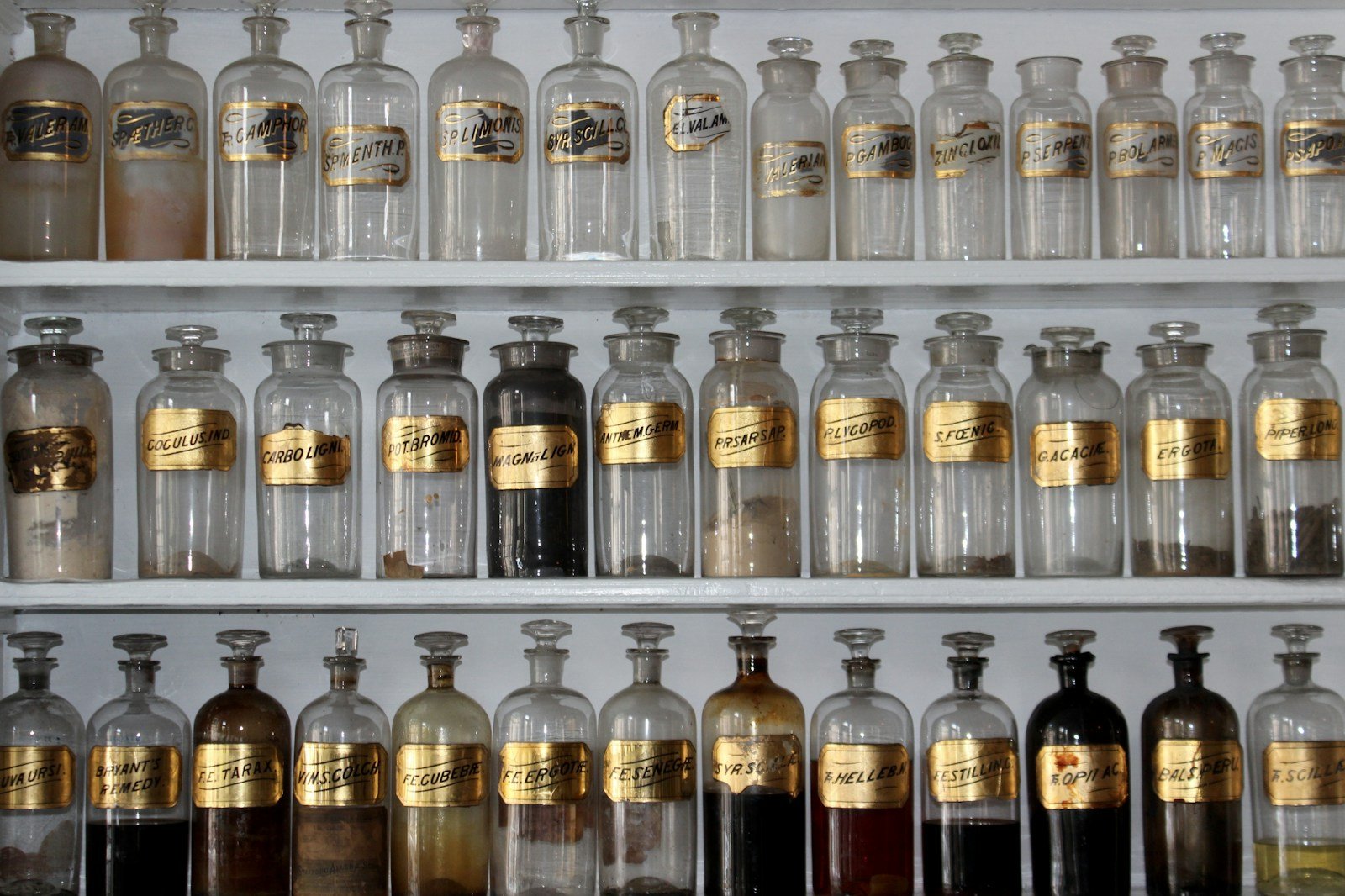
For Gwadar, the appeal is straightforward: it is a Free Zone project that generates export revenue and, its backers say, jobs and rural income without competing for water, power or berth capacity the way larger port and industrial projects do. That has made it one of the few CPEC-adjacent ventures in Gwadar to move from announcement to actual export volumes within a single year, even with the mid-year scare over Hangeng’s near-closure.
What Happens Next
China’s customs authority, GACC, has previously restricted imports of donkey meat produced before January 16, 2026, underscoring how tightly Beijing controls the animal-product trade even as it welcomes new suppliers. With the ECC’s September approval now in place, the immediate test will be whether Gwadar’s two operators can scale shipments — and whether the traceability and regulatory systems mandated after May’s crisis hold up as more exporters, and potentially more slaughterhouses, seek a foothold in the Free Zone. No production or export targets have been made public for the months ahead, and officials have not said whether further Free Zone operators will be permitted beyond the two currently licensed.
Frequently Asked Questions
Why is donkey meat being exported from Gwadar specifically?
Pakistan’s export protocol restricts donkey slaughter and processing for export to facilities inside the Gwadar North Free Zone, where operators can access Free Zone incentives and where Pakistani and Chinese quarantine and customs authorities have jointly approved the supply chain.
Is donkey meat eaten in Pakistan?
No. Donkey meat is not part of the Pakistani diet and is prohibited under Islamic dietary law. The entire output of Gwadar’s donkey-processing facilities is intended for export to China.
What is ejiao, and why does it matter to this trade?
Ejiao is a gelatin made by boiling donkey hides, used in traditional Chinese medicine and marketed as a health supplement. Rising Chinese demand for ejiao, combined with a shrinking domestic donkey population in China, is the main driver behind Pakistan’s donkey export trade.
How many donkeys does Pakistan have, and how many will be exported?
Pakistan has an estimated 5.8–5.9 million donkeys, the third-largest population of any country. One licensed Gwadar operator, Shahzad and Shao, has been granted a quota of up to 150,000 donkeys per year; no nationwide export quota has been announced.
Sources
- ProPakistani: “ECC Allows Donkey Exports From Gwadar Under Strict Conditions”
- Business Recorder: “Donkey meat from Gwadar free zone will be allowed for export”
- ARY News: “ECC approves export of donkey meat and hides from Gwadar”
- Arab News Pakistan: “Chinese firm reverses decision to shut Gwadar operations after government intervention”
- ProPakistani: “Pakistan Debuts Donkey Meat in Chinese Market”
- The Nation: “Pak-Sino company gets 4-acre land for donkey plant in Gwadar”