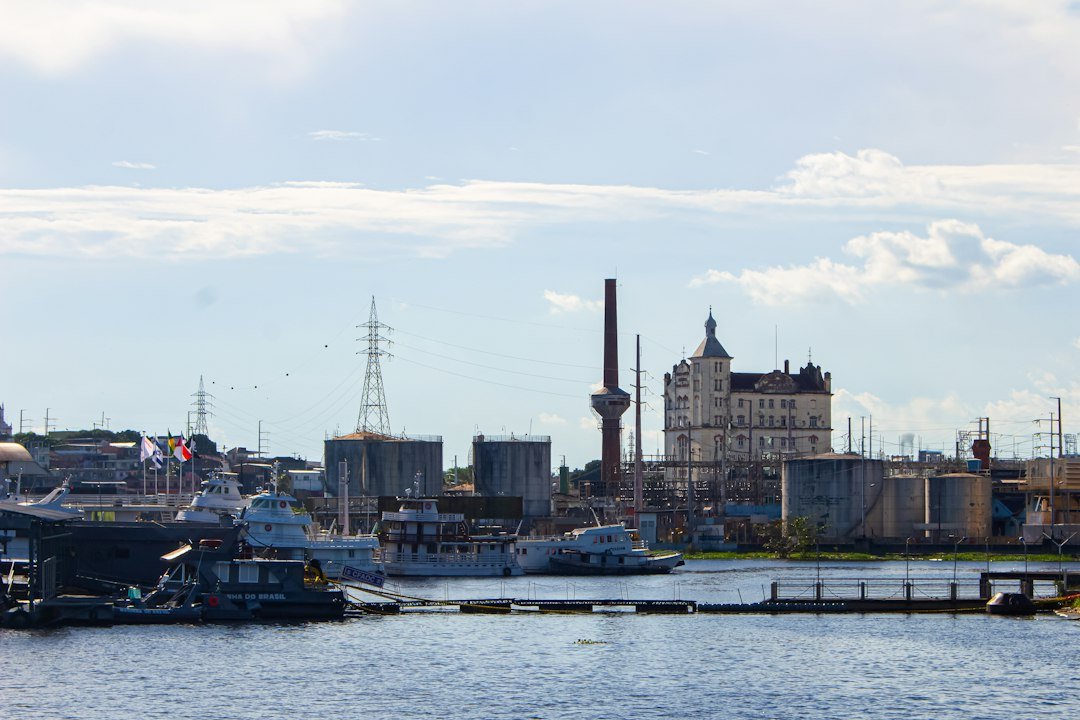
GWADAR — Gwadar Port Authority (GPA) Chairman Noor-ul-Haq Baloch toured a slaughterhouse and donkey-farming facility inside the Gwadar Free Zone on October 14, reviewing the operations of Hangeng Trading Enterprise, the Chinese firm that runs the plant, as the company presses ahead with plans to grow its meat and hide exports to China.
Baloch was briefed on the facility’s production operations and the donkey-farming grounds the company has built alongside the slaughterhouse, according to reports published Wednesday and Thursday by Quetta Voice and Daily Independent. He was quoted, in paraphrase, saying industrial projects of this kind inside the Free Zone could help strengthen Pakistan’s economy, create local jobs and push Gwadar further toward becoming a regional trade and logistics hub. He added that the Gwadar Port Authority is giving “special attention” to investment and industrial development inside the zone.
A Free Zone Facility Built Around China’s Donkey Demand
Hangeng Trading Enterprise has spent roughly six years and about $50 million building the slaughterhouse and associated donkey-farming operation in the Gwadar Free Zone, according to a Bloomberg-sourced account reported by Business Today. The plant currently processes hundreds of donkeys a day and the company has said it intends to raise daily slaughter capacity to around 800 animals within months. It employs nine Chinese managers and roughly 500 local workers, sources donkeys from 11 registered suppliers with individual animal tagging for traceability, and plans to eventually draw from about 50 farms.
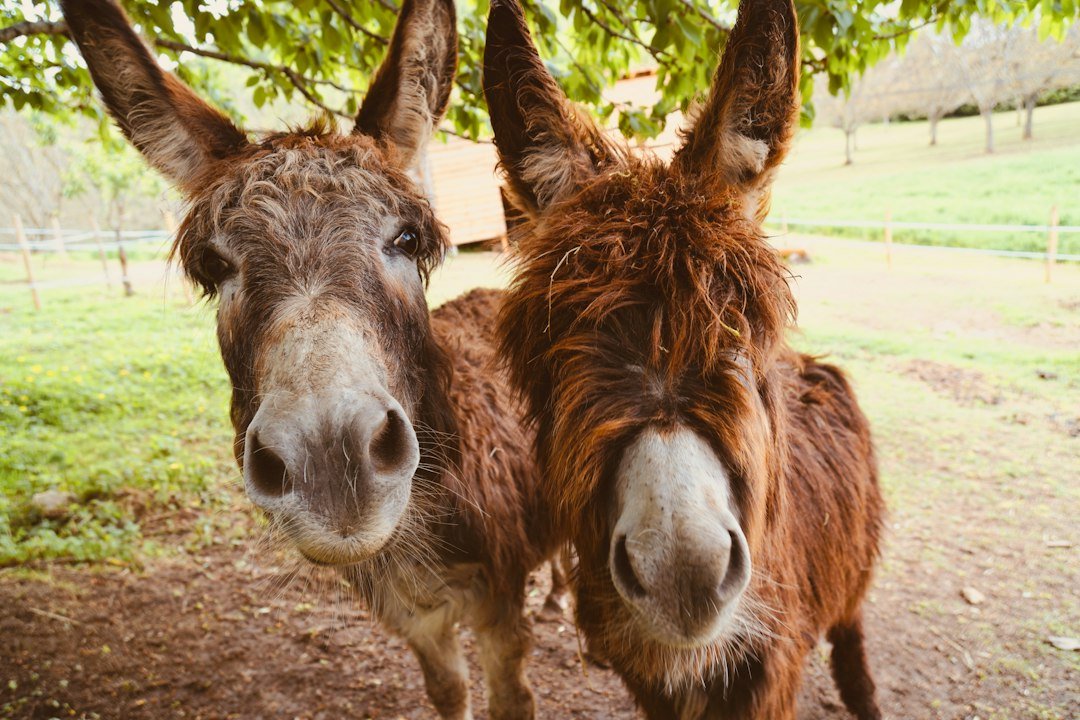
Image: Erwan Hesry / Unsplash (representative image)
From Gwadar to Tianjin: Pakistan’s First Export Run
The facility’s output is not new to international markets. In June 2026, a shipment of donkey meat and hides produced at the Gwadar Free Zone cleared customs at China’s Tianjin Port — described at the time as the first food product manufactured in the Free Zone to reach the Chinese market. Pakistani and Chinese authorities had finalised export protocols for donkey meat and hides in 2024, after which Pakistan amended its export policy to permit shipments from approved slaughterhouses in the zone. Gwadar Post reported on October 10 that the Free Zone had shipped a further 81 tonnes of donkey meat to China, underscoring that exports have continued to move in regular batches since that first consignment.
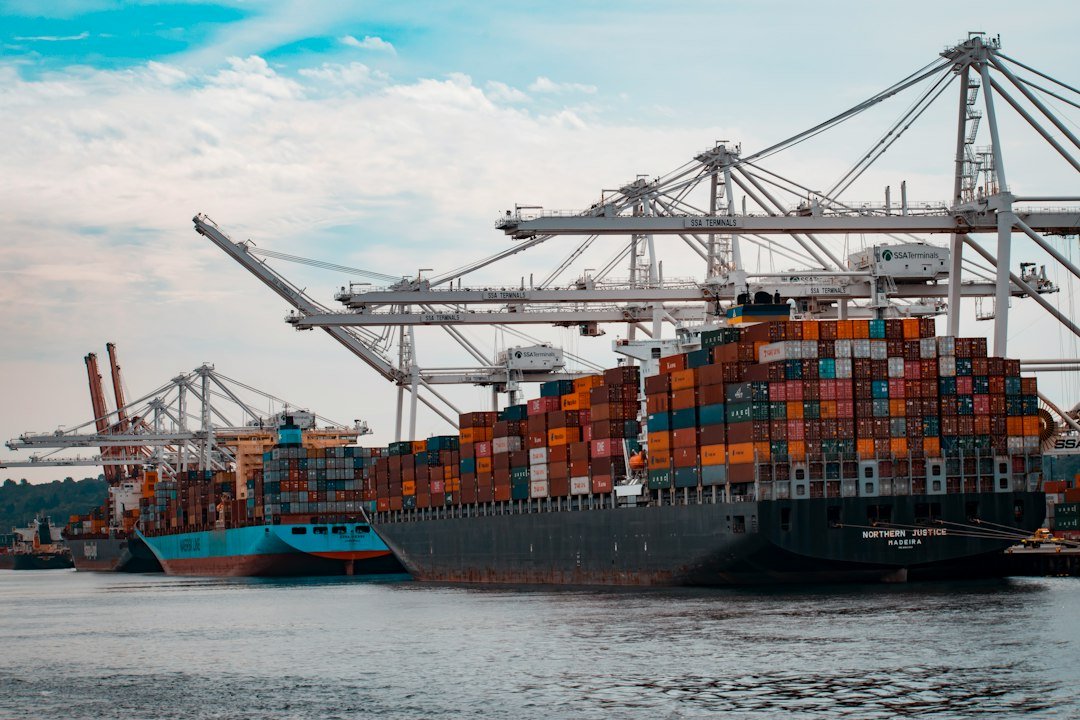
Image: Andy Li / Unsplash (representative image)
Why China Wants Pakistani Donkeys
Donkey meat is not widely eaten in Pakistan for religious and cultural reasons, but it is treated as a delicacy in parts of China. The more valuable part of the trade, however, is the hide, which is boiled down to make ejiao, a collagen-rich ingredient used in traditional Chinese medicine as a blood tonic and in cosmetics marketed for anti-ageing effects. The Chinese ejiao market was valued at roughly $7.8 billion in 2021. China’s own donkey population has fallen sharply over the past two decades, pushing buyers toward Pakistan, Brazil and Australia; Africa, long a major hide source, adopted a continent-wide moratorium on donkey slaughter for skins in 2024 after animal-welfare concerns, tightening supply further and adding to demand for alternative sources such as Gwadar’s Free Zone operation.
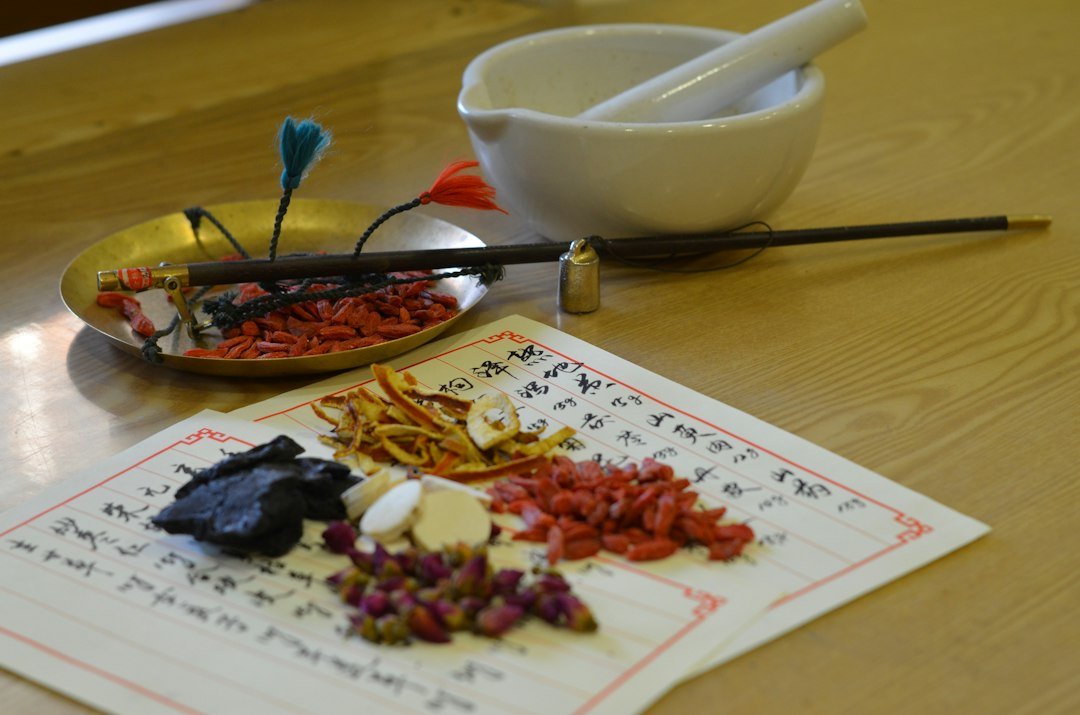
Image: kian zhang / Unsplash (representative image)
Framed as Part of CPEC’s Second Phase
When the first shipment went out in mid-2026, the exporter credited Pakistan’s Ministry of National Food Security and Research, the CPEC Authority, Prime Minister Shehbaz Sharif and Planning Minister Ahsan Iqbal for clearing the approvals, framing the project as an early example of the “second phase” of the China-Pakistan Economic Corridor, which officials have repeatedly said will emphasise industrial cooperation, agriculture and value-added exports rather than only infrastructure. That framing sits alongside other CPEC-linked spending in the province, including the roughly Rs54.9 billion recently allocated to the Western Route road network, though Gwadar Post reported this month that funding gaps continue to slow several of those road projects.
What’s Still Unclear
Neither the Quetta Voice nor the Daily Independent account of Tuesday’s visit included updated figures on investment, export volumes or revenue, and the Gwadar Port Authority has not released its own statement with numbers attached. The only revenue projections on record come from the company itself: CEO Andy Liao has estimated the business could generate roughly $5 million a month in foreign exchange within six months, rising to about $7 million within two years, according to the Bloomberg-sourced report — a company target rather than a confirmed government or audited figure. Hangeng has also said it plans to expand into donkey breeding, set up a laboratory, and eventually move into seafood exports from the same Free Zone base, though timelines for those plans have not been disclosed.
For now, the chairman’s visit signals that the Port Authority continues to treat the slaughterhouse as one of the more tangible industrial tenants inside a Free Zone that Islamabad has long promoted — with mixed results — as the commercial engine behind Gwadar’s port-led development.