For a city built around a deep-sea port, Gwadar’s oldest and most stubborn problem has never been shipping — it has been drinking water. For years, residents of the port city relied on tankers hauling water from distant dams, often at high cost and with no guarantee of supply. That picture has shifted significantly over the past year, as a Chinese-backed desalination plant, a restored pipeline from Shadi Kaur Dam, and a fast-tracked solar power push have combined to give Gwadar something closer to a permanent water system.

A Plant Years in the Making
The centrepiece of that system is a 1.2-million-gallon-per-day (MGD) seawater desalination plant built under the China-Pakistan Economic Corridor (CPEC). According to the project’s official record, the implementation agreement was signed on July 5, 2021, and the plant was completed and inaugurated on December 4, 2023, at a cost of $12.7 million funded with Chinese support. Its job is straightforward but critical: convert seawater into potable water for Gwadar city and port, easing pressure on dam storage and the tanker trade that long filled the gap.
Getting the plant built was one challenge. Keeping it running reliably has been another. The facility sat idle for stretches after commissioning before being brought back to full, steady operation through 2025, a restoration that proved its worth during what officials describe as a prolonged dry spell last year. The plant’s progress sits alongside other milestones under review as the Gwadar Port Authority revisits its master plan.
From Emergency Tankers to a Permanent Network
The scale of the earlier crisis is visible in the numbers the Gwadar Development Authority (GDA) itself has released. In August 2025, responsibility for the city’s water supply was transferred from the provincial Public Health Engineering Department back to GDA — a handover GDA officials have called a major challenge taken on in difficult circumstances.
To bridge the gap while permanent infrastructure came online, GDA leaned on three emergency sources: roughly 84 million gallons trucked in by tanker from Mirani Dam, about 173 million gallons from Shadi Kaur Dam, and 78 million gallons from the Gwadar Port Authority’s desalination plant — a combined 335 million gallons, at a tanker-operation cost GDA puts at around Rs 700 million.

That stopgap has since given way to permanent fixes. A roughly 150-kilometre pipeline from Shadi Kaur Dam, non-functional for three and a half years amid power shortages, equipment theft and security challenges, has been restored and now delivers 1.8 to 1.9 million gallons a day to Gwadar — with the same line also supplying Pasni and villages along its route, pushing total throughput above 2.5 million gallons daily. GDA says Mirani Dam tanker runs, which it describes as the most expensive option, have now been phased out entirely in favour of the Shadi Kaur line and the desalination plant.
On the ground, GDA reports more than 300 kilometres of distribution lines reactivated, 11 pumping stations back in service, four new storage tanks built, and over 15,000 household connections shifted onto the rebuilt network. A dedicated GDA Water Section has also been set up, splitting the city into north and south zones for management, with a billing system — a flat Rs 300 monthly fee proposed for domestic users and usage-based rates for commercial consumers — now being introduced for the first time. The rebuild comes as Gwadar’s broader investment climate faces its own scrutiny, including the Gwadar Free Zone’s recent investment gap.
Keeping the Plant Running: Chemicals and Power

A desalination plant is only as reliable as its supply chain. In February 2026, the Gwadar Port Authority awarded a contract to local firm Zabaad Private Limited to supply the critical chemicals the reverse-osmosis plant needs for uninterrupted operation, after the company met GPA’s pre-qualification requirements. Output data cited around that time showed the plant producing in the range of half a million to just over a million gallons on individual days — evidence, GDA’s water management reporting suggests, of its role as what officials term a “backbone” source for Gwadar’s Old Town in particular.
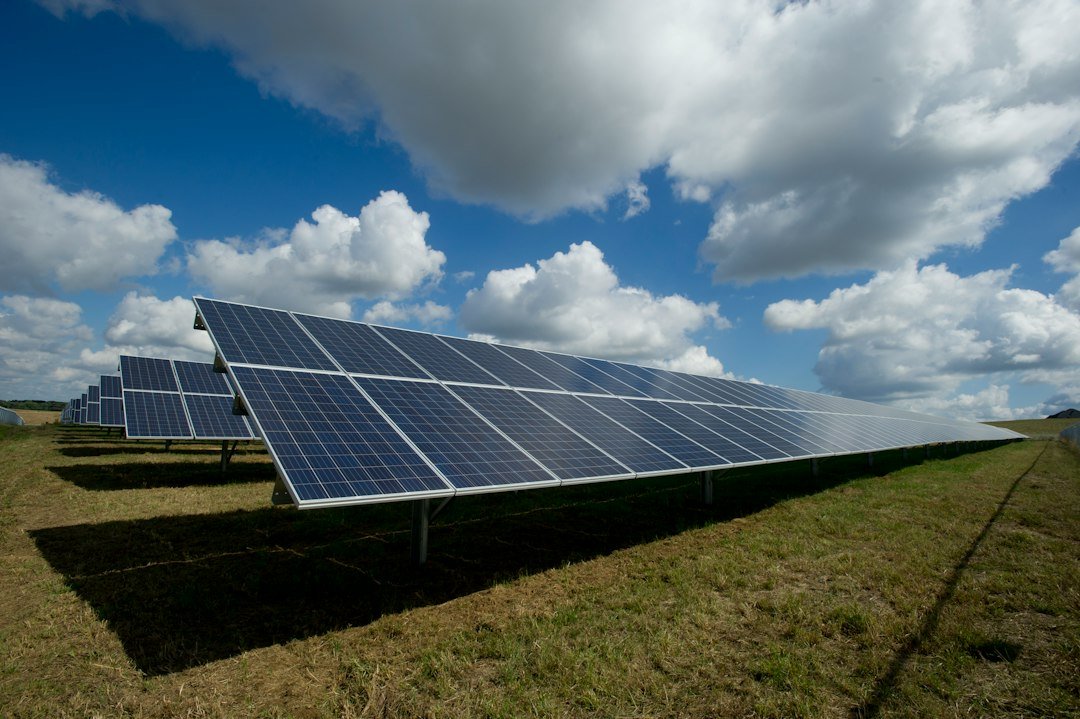
Power supply is the other pressure point. Federal Planning Minister Ahsan Iqbal has ordered fast-tracked solarisation of the desalination plant and its pumping stations, paired with 132 kV grid-stability upgrades, aimed squarely at the electricity shortages that have historically threatened to undercut the water system even when the plant itself is working — shortages that also compound the strain on port infrastructure described in reports on why Gwadar Port still can’t dock its biggest ships.
A Fragile but Real Turnaround
None of this erases Gwadar’s underlying vulnerability. The city still depends on a single desalination plant, a long and once-dormant pipeline, and dams vulnerable to the same dry spells that caused the last crisis. GDA’s own account acknowledges it inherited “old, dilapidated” infrastructure from the previous department and had to rebuild trust with tanker operators and residents largely from scratch. The newly introduced billing system, while intended to make supply sustainable, will also be a test of how residents respond to paying for a service many went without reliably for years.
Still, officials point to a concrete shift: from emergency tanker convoys and intermittent supply to a metered, zoned network with its own chemical supply contract and a dedicated solar-power upgrade plan. For a city whose entire development case — port, free zone, airport — rests on CPEC investment, securing something as basic as the municipal water supply may prove just as consequential to Gwadar’s future as any single port or trade announcement.
FAQ
Where does Gwadar’s drinking water come from?
Primarily two sources now: the 1.2 MGD seawater desalination plant built under CPEC, and the restored pipeline from Shadi Kaur Dam, supplemented by a 12 MGD Chinese-backed desalination facility for the Old Town.
How much did the CPEC desalination plant cost?
$12.7 million, funded with Chinese support, under an implementation agreement signed July 5, 2021, and inaugurated December 4, 2023.
Has Gwadar’s water crisis been resolved?
Officials describe it as “largely brought under control” rather than fully resolved — supply has become far more reliable, but the system still depends on a small number of sources vulnerable to dry spells and power shortages.
Sources: Independent News Pakistan (INP) — Pak-China desk, citing Gwadar Pro and official CPEC project records; Gwadar Development Authority public statements on its water-management programme.