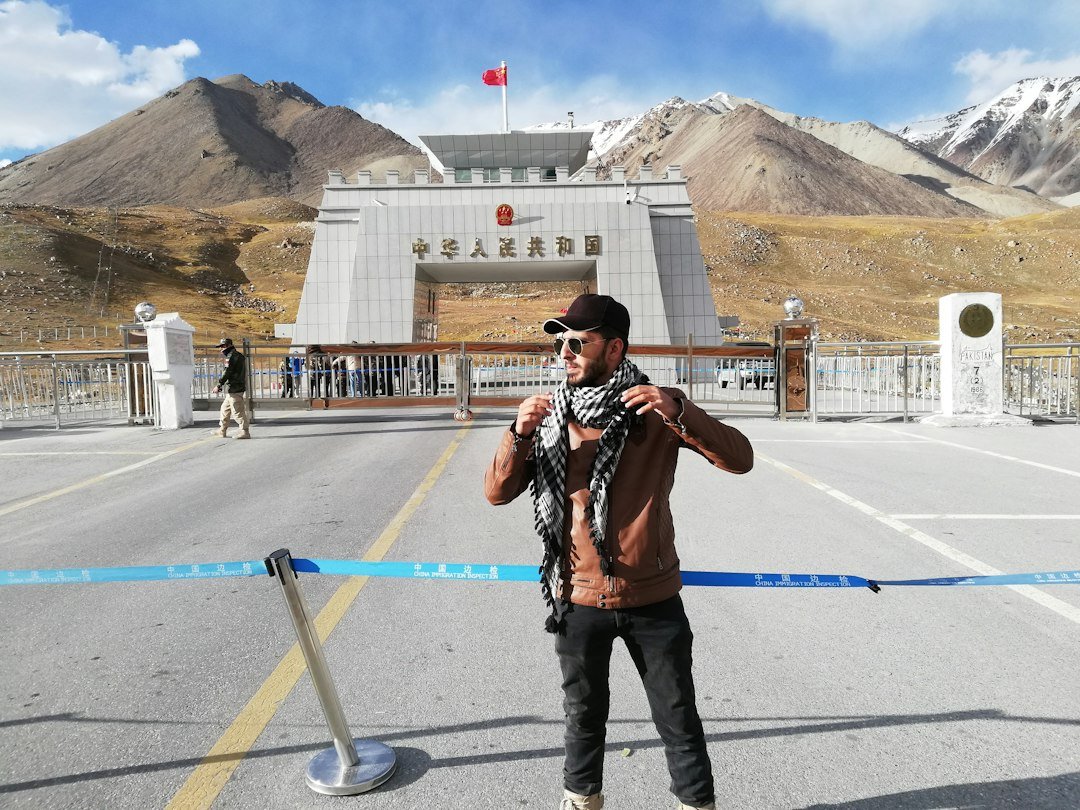
Chinese Ambassador to Pakistan Jiang Zaidong said on Friday, October 30, that China intends to extend the gains of the China-Pakistan Economic Corridor (CPEC), including its second phase, to communities across Pakistan, citing $25.9 billion in direct investment delivered under the initiative so far. The pledge, made at the 2026 China-South Asia Forum on Poverty Reduction and Development Cooperation in Islamabad, comes as Balochistan — home to the CPEC flagship Gwadar Port — continues to press for a larger and more visible share of the corridor’s benefits.
What China Announced in Islamabad
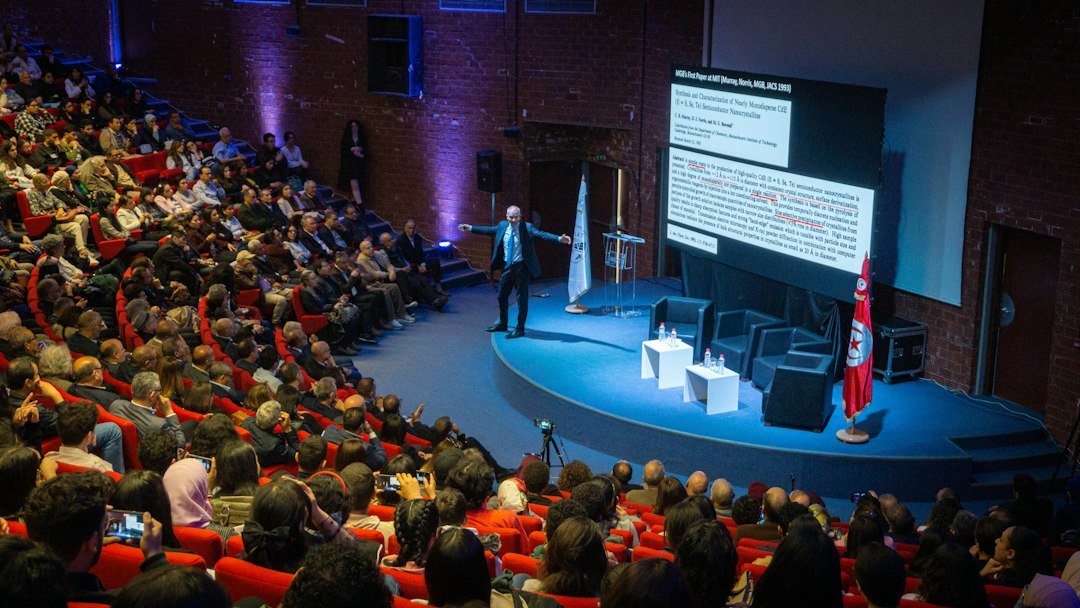
Speaking at the forum, organised by the China International Communications Group (CICG) with the Understanding China Forum under the theme “Creating Development Opportunities for Common Prosperity,” Ambassador Jiang described poverty alleviation as a shared global responsibility and said Beijing remains committed to development cooperation with Pakistan and other Global South countries. According to Pakistan Today, he said China would work to ensure CPEC’s benefits, including those under CPEC Phase-II, reach communities nationwide, and he singled out agriculture as a priority area for expanding trade ties to help improve Pakistan’s trade balance with China.
Dr Zafar Uddin Mahmood, the Prime Minister’s Special Representative on China Affairs and president of the Understanding China Forum, told the gathering that China’s development experience offers lessons for other countries, stressing the need to combine economic growth with governance reform, education, healthcare and job creation, according to Pakistan Observer.
The Numbers Behind CPEC So Far
Ambassador Jiang laid out figures meant to show the corridor’s scale to date. As reported by Pakistan Observer, these included:
- US$25.9 billion in direct investment delivered under CPEC
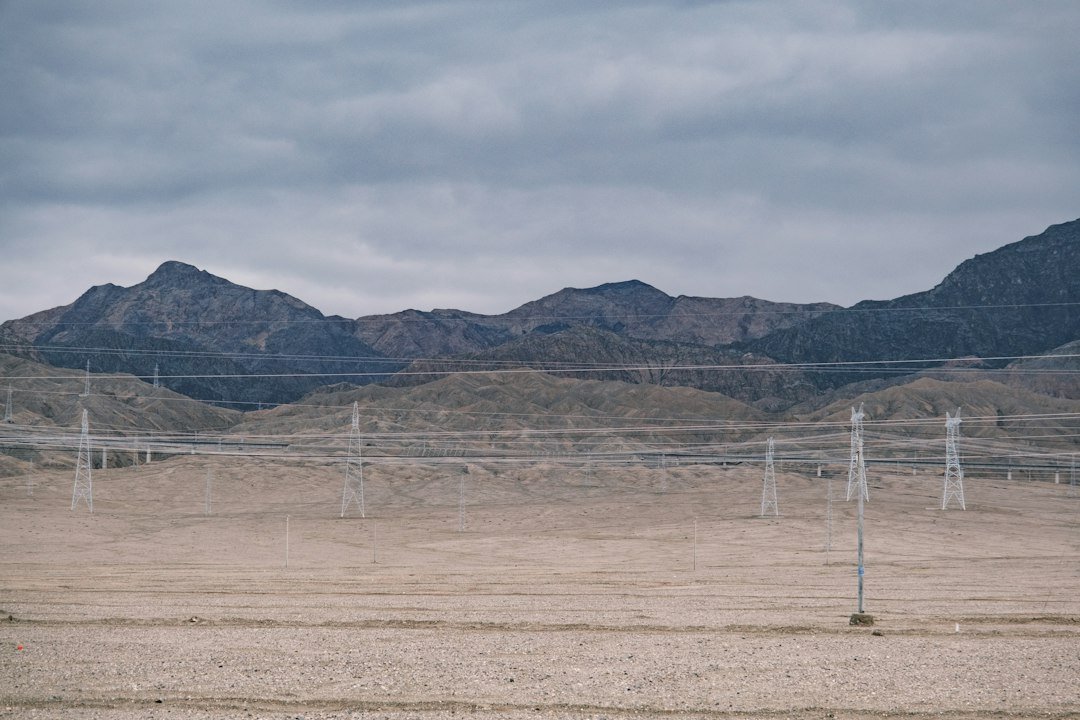
- More than 8,000 megawatts of added power generation capacity
- Over 260,000 jobs created
- CPEC 2.0 (Phase-II) planned to widen cooperation into agriculture, industry and other productive sectors
The pivot toward agriculture and industry marks a shift from the first decade of CPEC, which was dominated by energy plants, highways and port infrastructure. Officials framed the move as an attempt to spread the corridor’s benefits more directly to households rather than concentrating them in large-scale construction projects.
What It Means for Balochistan
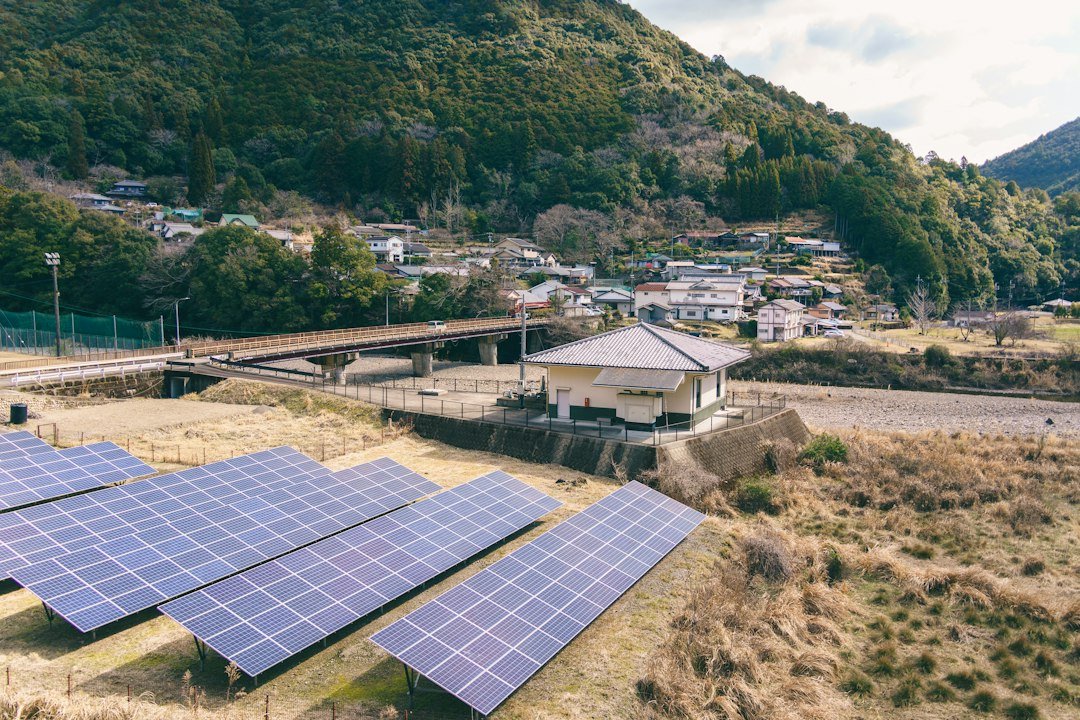
For Balochistan specifically, Minister of State for Planning, Development and Special Initiatives Chaudhry Armaghan Subhani told the forum that CPEC has already improved roads and electricity supply in the province, and that joint social projects are expanding access to healthcare, clean drinking water and modern farming methods. He said roughly 15,000 solar home lighting units have been distributed to households in Balochistan so far, Pakistan Today reported.
The scale of that rollout is modest set against the province’s needs. Gwadar itself, the port city at the centre of CPEC, has long relied on imported Iranian electricity rather than the national grid — a dependence this outlet has previously reported on in detail. Subhani said future cooperation should prioritise direct, local benefits — vocational training, small-business support and access to essential services — noting that Balochistan, like much of the wider region, continues to face poverty, unemployment, flood risk and unequal access to basic facilities.
CPEC Phase-II: Context and the Road Ahead
Friday’s pledge lands against a backdrop in which Balochistan’s political leadership has repeatedly argued the province has not received funding proportional to its role as host of the corridor’s maritime gateway. This outlet reported earlier this month that CPEC’s Western Route through Balochistan was allocated Rs54.9 billion, even as funding gaps persisted on the ground. Officials at the Islamabad forum framed Phase-II as a chance to correct that imbalance by extending cooperation beyond roads and power plants into agriculture, vocational training and small-business support — sectors that generate more direct local employment than large infrastructure builds.
Why It Matters for Gwadar
For Gwadar, where the port has been working to diversify its regional role — including a prospective sister-port arrangement with Oman’s Sohar Port — Friday’s pledge is a reminder that the corridor’s success is increasingly measured not only in berths, highways and megawatts, but in whether ordinary households across the province see tangible, local gains. Residents and local officials will likely be watching whether the rhetoric from Islamabad translates into specific, costed projects reaching Gwadar and its surrounding districts, rather than remaining a bilateral pledge exchanged at a conference podium.
Quick Facts
- Event: 2026 China-South Asia Forum on Poverty Reduction and Development Cooperation, Islamabad, October 30, 2026
- Key speaker: Chinese Ambassador to Pakistan Jiang Zaidong
- CPEC investment cited: US$25.9 billion
- Power capacity added: 8,000+ MW
- Jobs created: 260,000+
- Balochistan solar lights distributed: approximately 15,000 households
Sources: Pakistan Today, Pakistan Observer.