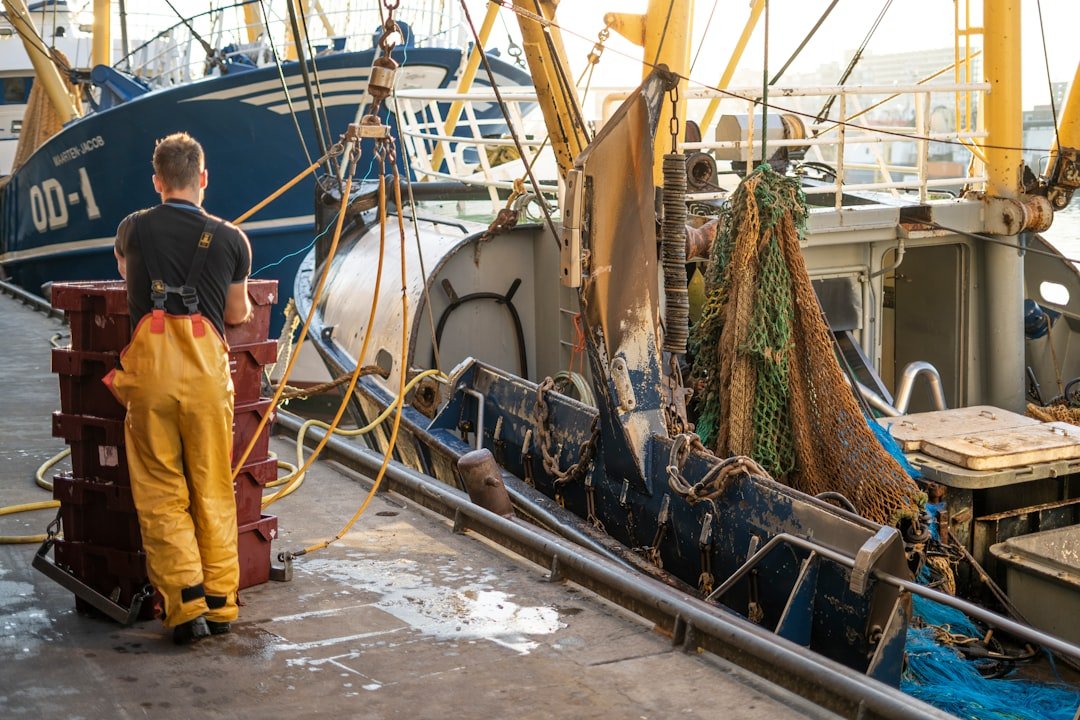
Two threads of Balochistan’s fisheries reform converged this week — one in Quetta’s assembly chambers, the other on the jetties of Pasni and Pishukan. On September 11, 2026, the Balochistan Assembly’s Standing Committee on Fisheries reviewed a sweeping new law meant to replace decades-old regulations governing the province’s coastline, even as field teams from the Fisheries Department fanned out along Gwadar’s coast to register and inspect fishing boats under an accelerated licensing drive.
Together, the two developments mark one of the most significant pushes in years to modernize how Balochistan regulates its fishing industry — a sector that sustains tens of thousands of families along the Gwadar coast, even as the city’s port and CPEC-linked infrastructure projects tend to draw most of the national attention.
A New Legal Framework for Balochistan’s Fisheries
The Balochistan Fisheries and Aquaculture Bill, 2026 proposes folding four separate, decades-old laws into a single, modern framework covering sustainable fisheries management, harbor operations, licensing, environmental protection and fishermen’s rights. The laws it would replace are the Balochistan Fisheries Ordinance 1961, the Balochistan Sea Fisheries Ordinance 1971, the Pasni Fisheries Harbour Authority Ordinance 1983, and the Balochistan Coastal Development Authority Act 1998 — the oldest of which has governed the sector for more than six decades.
Among its more consequential provisions, the bill would dissolve both the Pasni Fisheries Harbour Authority and the Balochistan Coastal Development Authority, transferring their functions to the provincial Fisheries and Coastal Development Department. Consolidating oversight under a single department is intended to simplify a regulatory landscape that fishermen and officials alike have long described as fragmented, with harbor management, boat licensing and coastal zoning previously split across separate bodies operating under separate, decades-old laws.
For a coastline where the newest of the four outgoing laws is itself nearly 30 years old, the bill also gives the province a legal basis to address issues — from aquaculture regulation to environmental safeguards for fishing grounds — that barely existed as policy concerns when the original ordinances were drafted.

Committee Review and a Planned Gwadar Consultation
The Standing Committee on Fisheries, chaired by Maulana Hidayat-ur-Rehman Baloch, reviewed the draft bill on September 11 with members Abdul Majeed Badini, Zafar Ali Agha, Barkat Ali Rind, Mir Zahoor Buledi and Safia Fazal in attendance. The committee agreed that its next session should be held in Gwadar itself, so fishing communities, fish farmers and other coastal stakeholders can weigh in directly, with officials indicating a public seminar could substitute for formal committee proceedings if that format draws wider participation.
“Protecting fishermen’s livelihoods and securing meaningful participation of affected communities should remain central to the legislative process,” the committee said, according to reporting on the session. No date has yet been announced for the Gwadar meeting.
On the Water: Boat Registration Accelerates in Pishukan and Pasni
While lawmakers debated the bill’s text in Quetta, the Fisheries Department was already moving on the ground in Gwadar district. Director General Fisheries Atiqullah Khan directed field officers on September 8 to “accelerate the registration, inspection and licensing of fishing boats to facilitate local fishermen,” with Assistant Director Nooruddin Hasni leading inspection teams through Pishukan and surrounding areas.
Inspectors examined vessel structure, dimensions and engines, and checked required documentation before issuing registration numbers to compliant boats. Three days later, on September 11, a separate Fisheries Pasni team — Assistant Director Muhammad Aslam Askani, Fisheries Officer Muhammad Younis, and inspectors Zarif Nosherwani, Rahim Bakhsh and Hasil Khan — extended the drive to boat landing sites in Pasni. Fishermen there were advised to complete registration and obtain crew member cards promptly, to avoid complications during deep-sea fishing trips.
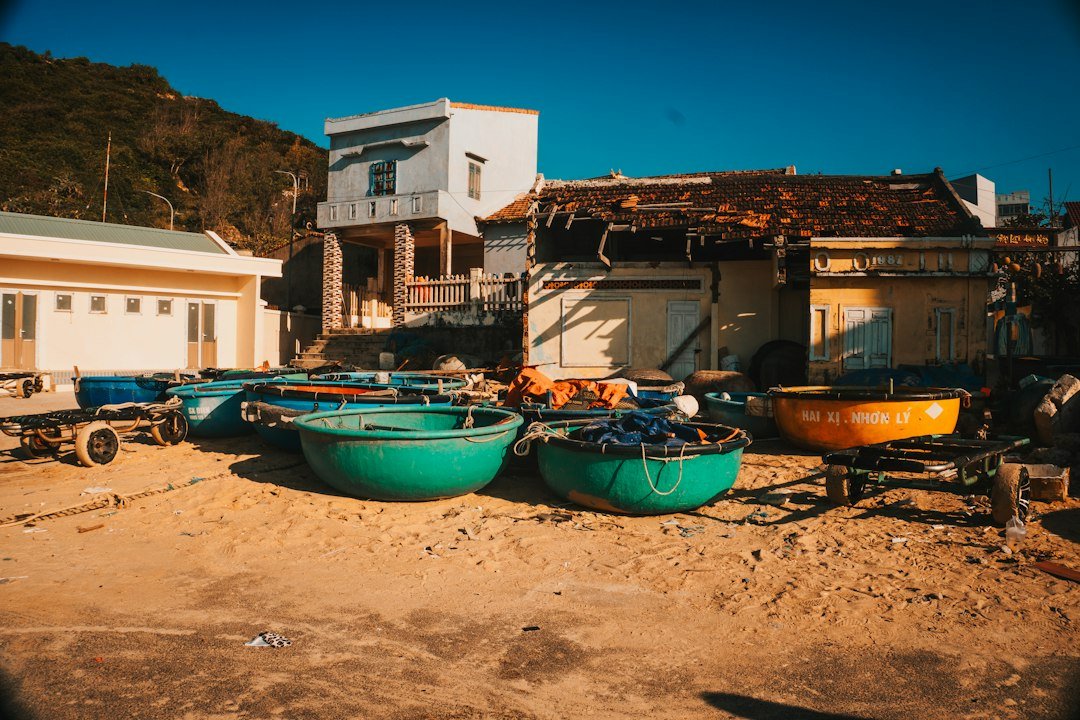
Officials describe the campaign as part of a “fishermen-friendly policy” intended to improve documentation and give the department better oversight of vessels operating off the Balochistan coast. A transparent registration and licensing system, they say, protects fishermen’s interests while formalizing an industry that has often operated with minimal paperwork.
Why This Matters for Gwadar’s Fishing Communities
The fishing sector remains central to Gwadar’s economy and identity, even as the city’s port and CPEC-linked projects tend to dominate the national conversation. Gwadar Post has previously reported on the provincial government’s Rs2.44 billion fishermen housing scheme, which is creating nearly 3,000 new plots for fishing families, and on the CPEC review that discussed a proposed new fish harbor for the city’s West Bay. Taken together with this week’s bill and registration drive, it’s a reminder that formal government attention to the fishing sector is expanding on several fronts at once — infrastructure, housing and regulation alike.
A modern legal framework paired with faster boat registration could address long-standing complaints from local fishermen about opaque licensing processes, competition from unregistered or out-of-area vessels, and limited legal recourse during disputes over fishing grounds. Replacing a 1961-era ordinance with a single, updated law is also likely to matter for how the province manages sustainability as commercial and industrial activity around Gwadar Port continues to expand, and as more of the coastline comes under formal development plans.

What Happens Next
The Fisheries and Aquaculture Bill, 2026 still needs further committee work and a full Assembly vote before it becomes law, and no date has yet been set for the committee’s promised session in Gwadar. Meanwhile, the registration and inspection drive is expected to continue moving along the coast, with the department urging fishermen who have not yet registered their boats to do so within the “stipulated timeframe” to avoid disruption to their livelihoods.
Gwadar Post will continue to follow both the legislative process in Quetta and the implementation of the registration drive along the coast.