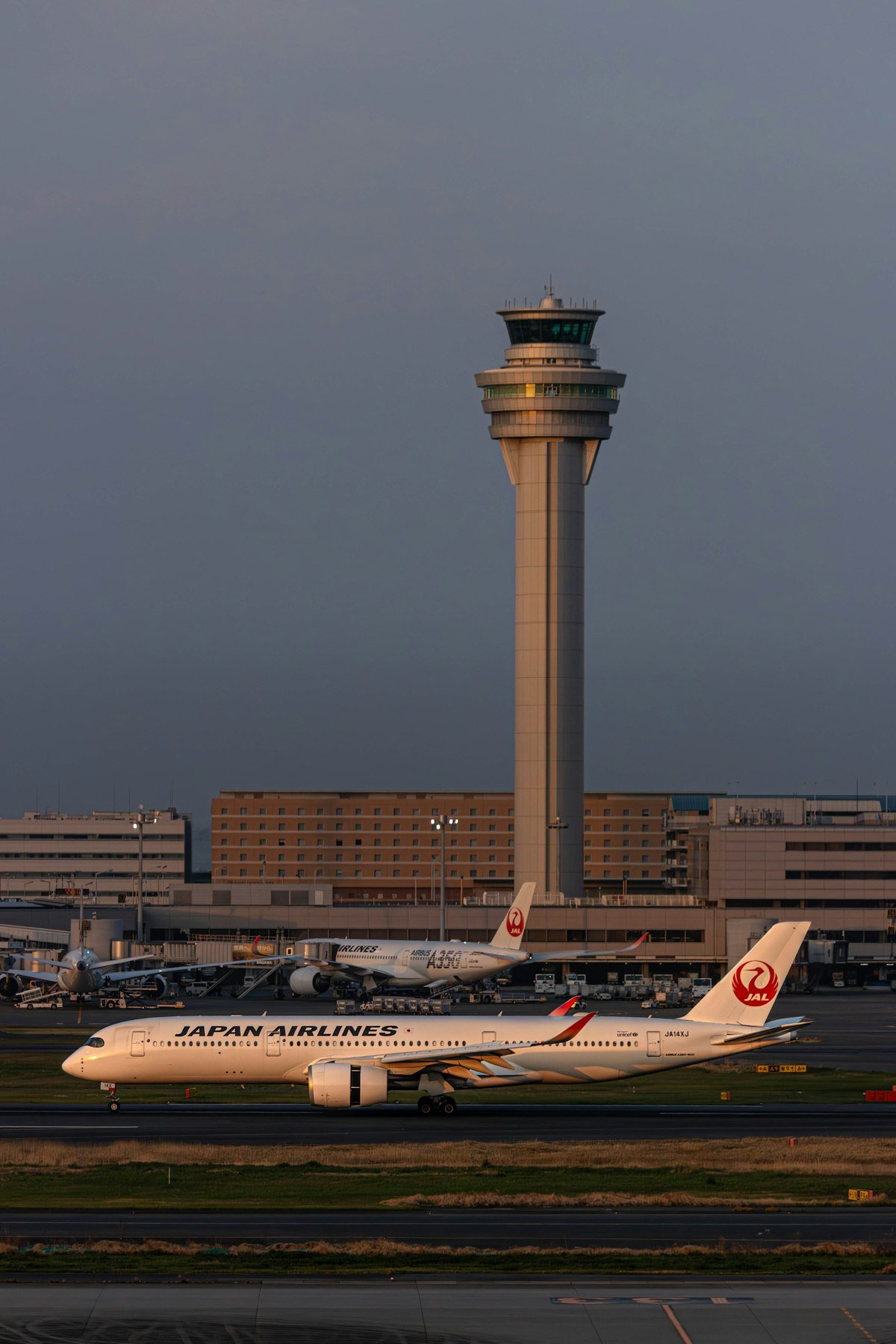
South Air is now flying scheduled service into New Gwadar International Airport, becoming the second airline to operate at Pakistan’s newest and largest airport alongside national carrier PIA. The airline’s first commercial flight landed on July 22, 2026, carrying 54 passengers on a Karachi–Gwadar–Quetta–Gwadar–Karachi rotation, following a test flight in early June. The milestone arrives nearly two years after the Chinese-funded airport was formally inaugurated, at a moment when the facility is still running on a restricted, twice-weekly schedule rather than the daily service originally envisioned for a gateway meant to anchor Gwadar’s economic future.
A Second Carrier Takes Off
South Air completed its first test flight to New Gwadar International Airport in early June 2026, according to reporting by The Daily CPEC, becoming the airport’s second scheduled airline after PIA. The airline followed up with its inaugural commercial rotation on July 22, flying from Jinnah International Airport in Karachi to Gwadar and on to Quetta before returning, with 54 passengers aboard the first leg, per Daily Independent.
The Pakistan Airports Authority (PAA) said it was “supporting domestic and international airlines by ensuring safe, efficient and passenger-focused airport services,” adding that the new service was “expected to enhance connectivity, promote tourism and trade, and contribute to the economic development of Gwadar and the wider Balochistan region.”
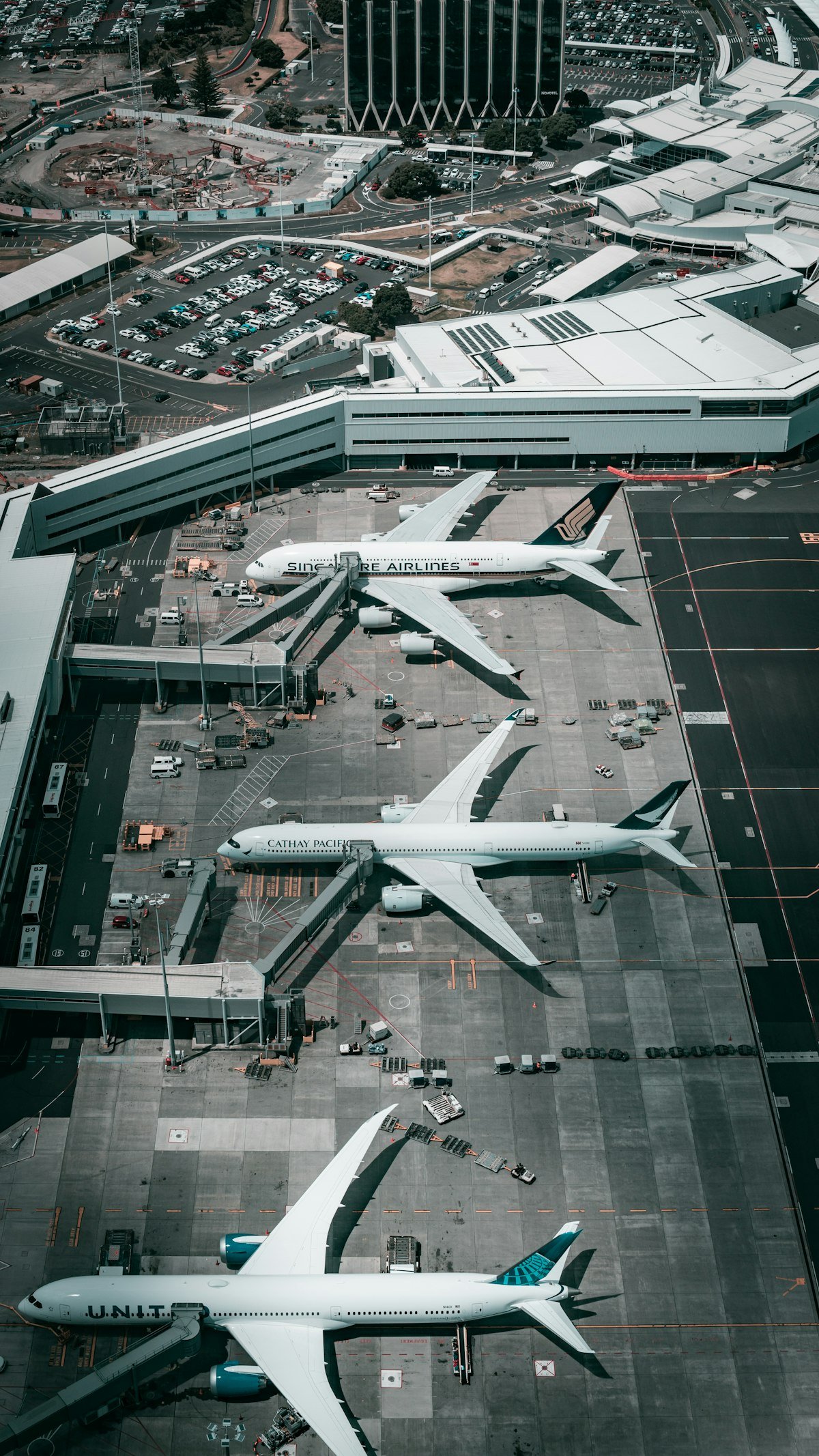
Inside Pakistan’s Newest Airport
New Gwadar International Airport was formally inaugurated on October 14, 2024, in a ceremony attended by Prime Minister Shehbaz Sharif and Chinese Premier Li Qiang, though commercial flights did not begin until January 20, 2025. Built at a cost of roughly Rs66 billion (about $237 million), the project was financed primarily as a grant from China, which covered around 67 percent of the cost, with Pakistan and Oman also contributing.
Spread across 4,300 acres, it is the largest airport in Pakistan by land area and only the country’s second purpose-built greenfield airport after Islamabad International. Its 3,658-metre runway can accommodate wide-body aircraft up to an Airbus A380 or Boeing 747-8, and its cargo terminal is designed to handle 30,000 tonnes of freight a year, including refrigerated space for perishables. In its first months, the facility drew international attention — including a widely circulated CNN report — for having almost no scheduled flights despite its scale, prompting some observers to label it a “ghost airport.” The airport’s status was also reviewed as part of preparatory talks ahead of the 9th CPEC Joint Working Group meeting on Gwadar, underlining how closely its progress is tied to the broader corridor agenda.
A Schedule Still Finding Its Footing
PIA added two extra Karachi–Gwadar flights in the first week of August 2025. Federal Minister for Maritime Affairs Muhammad Junaid Anwar Chaudhry said at the time that “this expansion is not just about flights; it’s about unlocking Gwadar’s full economic potential,” arguing that better air links would ensure “smoother coordination of CPEC-related projects.”
Even so, operations remain constrained. In June 2026 the PAA issued a temporary schedule limiting civil flights to two designated days a week, with any additional civil or military movements requiring at least 24 hours’ advance coordination with airport authorities. That pattern of narrow, revisable operating windows has persisted even as the roster of airlines has grown to include PIA, South Air and charter operator Rotana Jet. It is a reminder that, as detailed in Gwadar Post’s recent look at how CPEC has completed 45 projects worth $25.61 billion while Gwadar-specific schemes continue to lag, the port city’s marquee infrastructure often outpaces the day-to-day activity needed to make full use of it.
Why Flights Alone Won’t Transform Gwadar
Analysts covering the airport’s slow ramp-up point to two structural constraints: Gwadar’s small resident population limits everyday passenger demand, and the security situation in Balochistan continues to weigh on both traveller confidence and investment decisions. For now, the added flights are expected to mainly serve business travellers, government officials and investors visiting Gwadar’s port and free-zone projects, rather than generate a large jump in air cargo volumes.
Most experts argue that Gwadar’s long-term viability as a trade hub will depend far more on road and rail connectivity — including links toward Central Asia — along with secure logistics networks and streamlined customs procedures, than on the pace of new flight announcements. That view lines up with recent trade data: as Gwadar Post reported when transit cargo through Gwadar Port topped 200,000 tonnes amid shipping disruptions in the Strait of Hormuz, it is sea and land freight, not passenger aviation, that is currently doing the heavy lifting for the port city’s trade ambitions.
What Comes Next
South Air’s entry gives Gwadar its second scheduled carrier and, on paper, more redundancy if one airline scales back service. The real test over the coming year is whether the twice-weekly schedule now in place gives way to more frequent, predictable service — and whether that, in turn, translates into the tourism, investment and business travel that officials have repeatedly promised since the airport’s 2024 inauguration. Until then, New Gwadar International Airport remains a striking example of infrastructure built well ahead of the demand it was designed to serve.
Frequently Asked Questions
Which airlines currently fly to Gwadar?
PIA and South Air both operate scheduled flights to New Gwadar International Airport, while Rotana Jet has flown charter services there.
When did New Gwadar International Airport open?
It was formally inaugurated on October 14, 2024, but commercial flights did not begin until January 20, 2025.
How was the airport funded?
The roughly Rs66 billion ($237 million) project was financed primarily as a grant from China, covering about 67 percent of the cost, with additional contributions from Pakistan and Oman.