A commentary published this week by the Sydney-based Lowy Institute has reignited a familiar but rarely settled question about Gwadar Port: is China’s enthusiasm for the project actually fading? The piece, written by an India-based security analyst and picked up by wire services across South Asia, argues that Beijing is growing weary of a port that has cost more than it has earned and predicts Gwadar could be scaled back to “a minor, heavily fortified naval refuelling station.” No Chinese or Pakistani official has confirmed anything of the sort. But the specific numbers behind the claim are worth examining against what Gwadar Port has actually reported in recent months.
What the New Analysis Argues
The piece, titled “China’s Gwadar Gamble Isn’t Paying Off,” was published on Lowy’s The Interpreter platform on September 25 by Jaideep Saikia, a Distinguished Fellow at the Council for Strategic and Defence Research in New Delhi. It argues that under the 40-year concession agreement signed in 2013, China’s Overseas Port Holding Company retains roughly 91 percent of Gwadar’s port revenues — yet the port itself generates little income to split. The analysis says major shipping lines continue to route around Gwadar toward established regional hubs, that planned Special Economic Zones sit largely empty, and that the “Give Rights Movement,” a Gwadar-based civil protest campaign, has repeatedly disrupted port operations over fishing rights and resource-sharing grievances.
Security is the piece’s other central theme. It points to the Balochistan Liberation Army’s Majeed Brigade shifting from small-scale attacks to higher-casualty suicide bombings aimed at Chinese personnel, and argues that Pakistan’s dedicated protection force has struggled to keep pace. “China is growing weary of sacrificing both capital and the lives of its citizens to defend a commercial failure,” the analysis states — a blunt line that has been the most widely quoted part of the piece since it began circulating.
The Security Costs Behind the Claim
The underlying security concerns are not invented. This site has previously reported on the toll CPEC-linked attacks have taken, including the 2021 bus bombing in Dasu that killed nine Chinese engineers and the 2024 suicide attack in Shangla that killed five more, part of a broader pattern covered in detail as CPEC entered what officials call its next phase. In response, Pakistan built the Special Security Division, a force of more than 15,000 personnel dedicated to protecting Chinese nationals and CPEC installations, and has expanded intelligence-sharing arrangements with Beijing. Whether that architecture is “failing,” as the Lowy piece asserts, or simply managing a persistent risk, is a matter on which reasonable analysts disagree — and one that is difficult to settle from published casualty figures alone.
What Gwadar’s Own Numbers Show
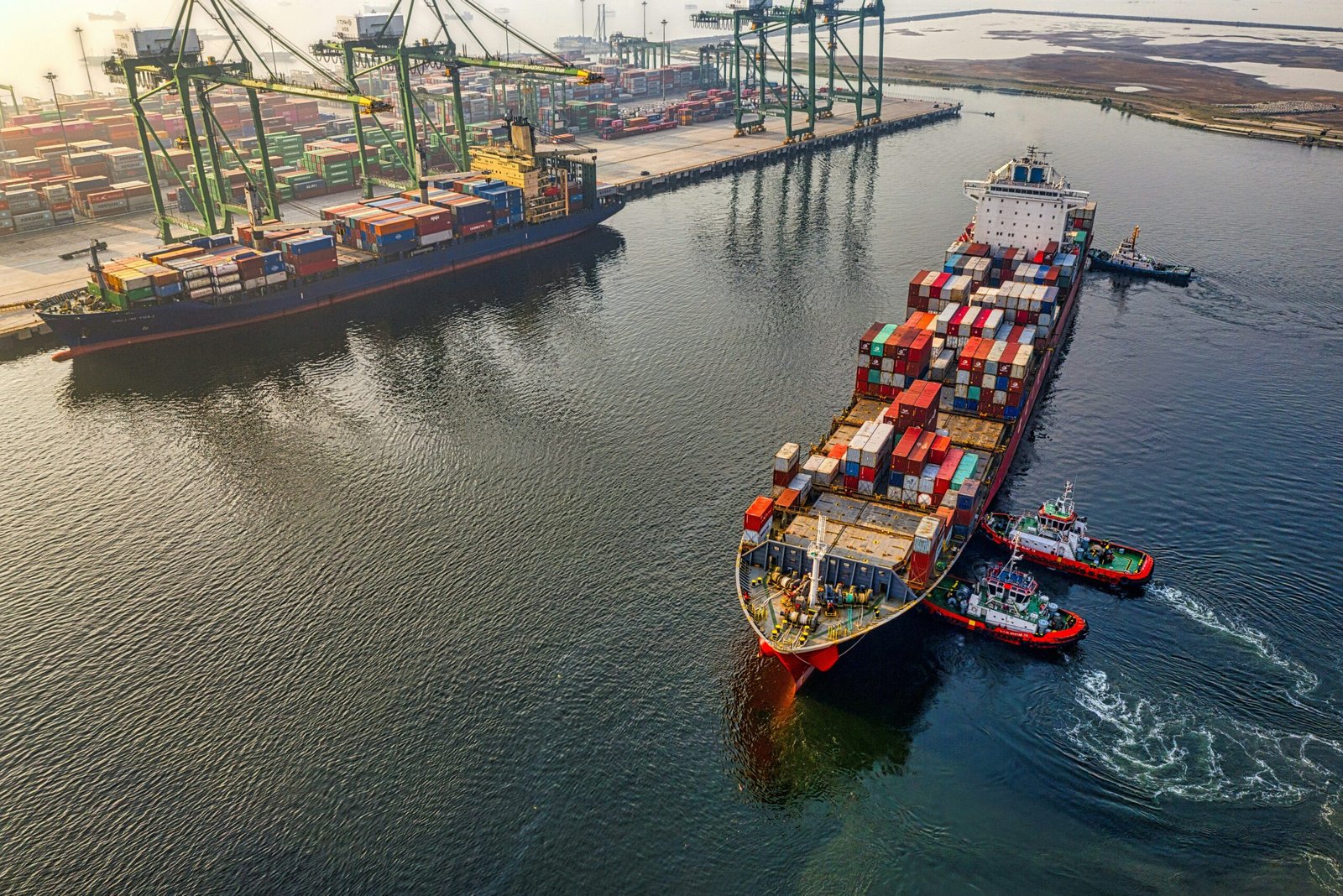
Set against the retreat narrative is a set of figures this outlet has tracked through 2026. Gwadar Port handled roughly 8,300 twenty-foot equivalent container units in all of 2025; April 2026 alone saw around 11,000 containers move through the port, and a separate three-month stretch this year added roughly 200,000 tonnes of transit breakbulk cargo, much of it tied to shipping diversions during Strait of Hormuz tensions. Earlier this month, Islamabad approved a Rs280 billion master plan revision covering roads, utilities and housing for the wider port city, folding several long-delayed upgrades into a single funded roadmap — not the profile of a project being quietly wound down, whatever its underlying strain.
Chinese commercial interest has also continued in smaller, less publicized steps. In August 2025, the Gwadar Port Authority signed a cooperation agreement with Chinese firm Xinning Enterprise aimed at developing Gwadar as a regional transshipment hub and boosting Free Zone occupancy, with Pakistan’s maritime affairs minister calling it part of transforming the port into “a global maritime and industrial gateway.” That kind of incremental deal-making is harder to headline than a dramatic pullback, but it is the pattern that has actually shown up in the public record so far.

Islamabad’s Rebuttal — and a Widening Circle of Partners
Pakistani officials have pushed back on the “idle port” framing well before this week’s analysis. Speaking to Quetta’s business community on September 24, Gwadar Port Authority Chairman Noorul Haq Baloch rejected claims that the port was being deliberately kept idle, pointing to a 23-year tax exemption for Free Zone investors, a planned 2,700-kilometre road corridor to Tashkent dubbed the “Blue Gold Route,” and the newly operational Gabd border terminal into Iran as evidence the authority is actively courting cargo rather than sitting on unused capacity.
Gwadar’s outreach has also extended beyond its relationship with Beijing. Earlier this month, Pakistani and Omani officials agreed to explore designating Gwadar and Oman’s Sohar Port as sister ports, a framework that would open Omani investment in the Free Zone and a direct maritime link toward Gulf and Central Asian markets — the kind of diversification that would matter less if Gwadar’s only patron were quietly stepping back.
Reading the Debate Correctly
It is worth being precise about what this week’s analysis actually is: an opinion piece published on a think tank’s commentary platform, written by an analyst based at an Indian strategic-affairs institute, rather than a leaked government assessment or a statement from Chinese or Pakistani authorities. That does not make its underlying data points wrong — the revenue split, the underused Special Economic Zones and the gap between Gwadar’s three operational berths and Karachi’s roughly forty are all real and documented. But it does mean the word “retreat” is the analyst’s forecast, not a confirmed policy shift, and it sits inside a broader, often adversarial commentary space where Indian and Pakistani analysts frequently reach opposite conclusions from overlapping facts.
What can be said with more confidence is that Gwadar remains a project under genuine strain: real security costs, a cargo base still far below designed capacity, and a Chinese economy that has grown more cautious about high-risk overseas megaprojects generally. Whether that strain ends in a quiet downscaling, a renegotiated lease, or the kind of diversified growth Pakistani officials describe will likely become clearer at the next round of CPEC Joint Cooperation Committee talks and in the monthly cargo figures this site has been tracking — not in a single commentary piece, however widely it circulates.
Frequently Asked Questions
Has China officially said it is withdrawing from Gwadar Port?
No. Neither the Chinese government nor Gwadar’s operator, China Overseas Port Holding Company, has made any statement about scaling back or withdrawing from the port. The retreat scenario comes from an outside analyst’s commentary, not an official announcement.
What is China’s actual financial stake in Gwadar?
China Overseas Port Holding Company operates Gwadar under a 40-year concession signed in 2013 and, according to the terms widely reported since, retains the large majority of port revenues generated during that period.
How much cargo does Gwadar Port currently handle?
Gwadar handled roughly 8,300 TEUs of container traffic in all of 2025, but volumes rose sharply in 2026, with April alone accounting for around 11,000 containers, partly driven by shipping diversions linked to Strait of Hormuz disruptions.
Is Gwadar Port only dependent on China?
No. Pakistan has been actively pursuing other partners, including a proposed sister-port arrangement with Oman’s Sohar Port and reported discussions around a separate, US-linked port project at nearby Pasni.