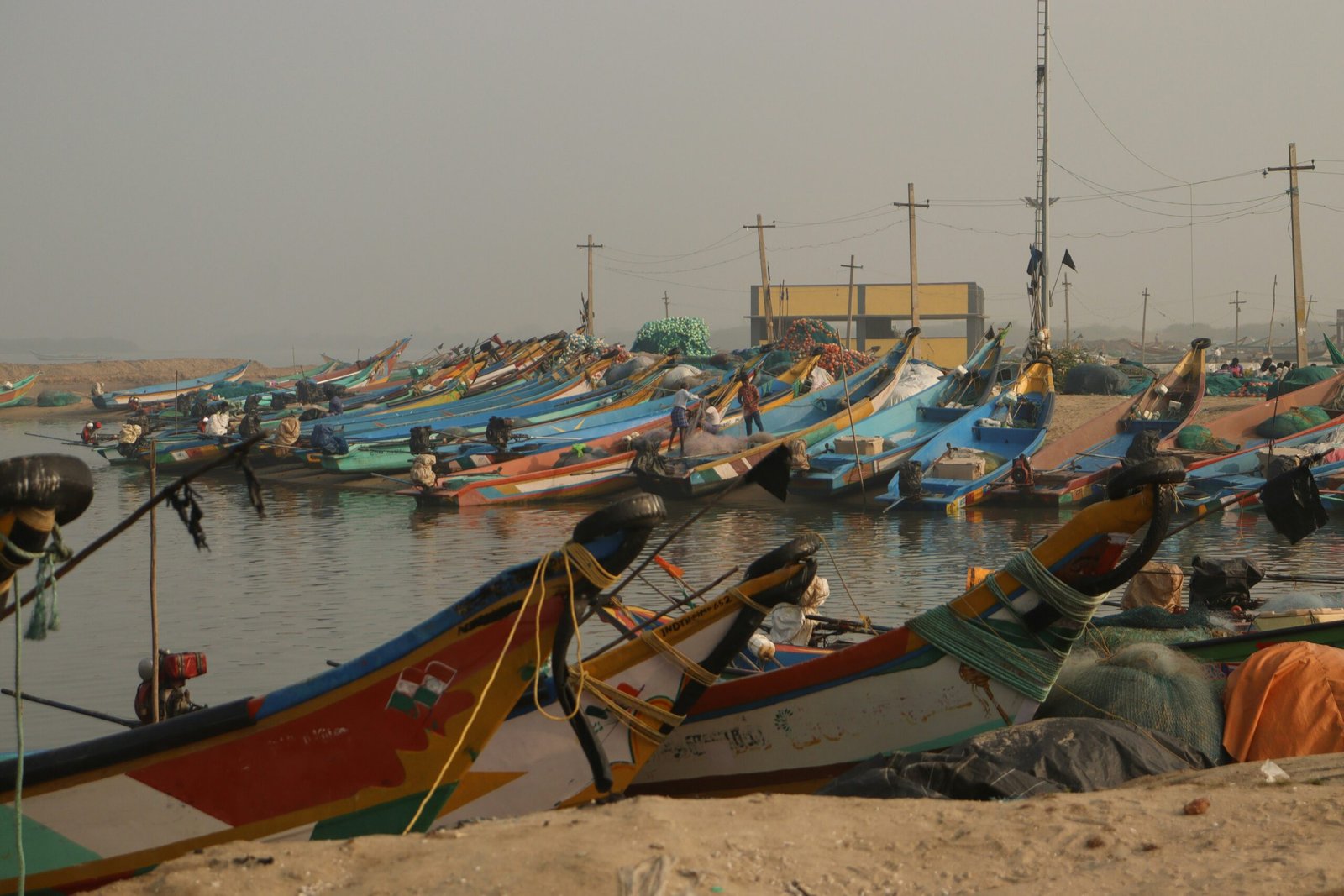
For the first time, a Balochistan Assembly standing committee has taken its hearings to the coast it legislates for. The Standing Committee on Fisheries held its session in Gwadar on October 3, gathering fishermen, officials and experts to debate the draft Balochistan Fisheries and Aquaculture Bill 2026 — a law more than two years in the making that aims to overhaul how the province manages its marine resources.
The meeting, chaired by committee chairman Maulana Hidayat-ur-Rehman Baloch, marked the first time the Fisheries Committee has met outside Quetta — a deliberate choice, organizers said, to let the people the bill most affects speak directly to lawmakers before the draft is finalized.
A First for Gwadar
Fisheries Secretary Tariq Qamar opened the session with a briefing on the bill, followed by nearly three hours of questions and discussion from attendees. Their recommendations and concerns were formally recorded for consideration before the legislation is finalized.
The consultation drew a wide circle of stakeholders: provincial planning and development minister Mir Zahoor Ahmed Buledi, MPAs Abdul Majeed Badini and Zafar Agha, Gwadar Port Authority chairman Noor-ul-Haq Baloch, Gwadar Development Authority director general Moin-ur-Rehman Khan, Fisheries Balochistan director general Atiqullah Khan, and director fisheries Ahmed Nadeem, alongside local fishermen, legal officials and community representatives.
According to officials, the draft itself has been shaped over roughly two to two-and-a-half years of consultations with fishing communities, technical experts and relevant institutions — a timeline organizers pointed to as evidence the bill was not drafted in isolation from the people it governs.
Fishermen’s Grievances: Illegal Trawling and Banned Nets
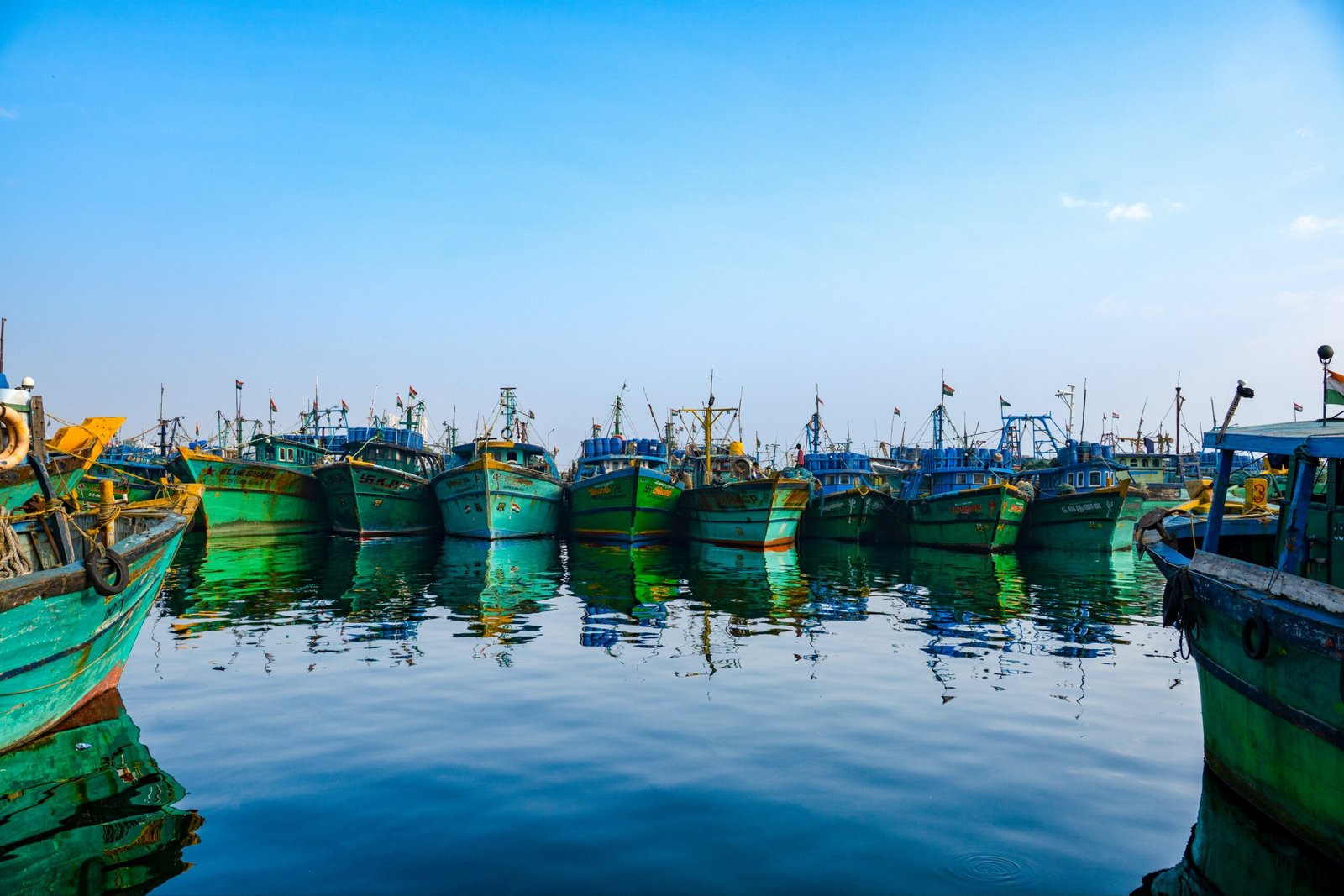
For the fishermen in the room, the most pressing complaints were practical rather than procedural. Several raised concerns about illegal trawling operations and the continued use of wire mesh and other prohibited fishing nets along the coast, which they said were depleting stocks and undercutting those who fish within the rules. Attendees pressed the committee for effective, enforceable penalties rather than rules that exist only on paper.
Those complaints fed directly into one of the bill’s central proposals: a science-based fishing-season closure policy, timed to the breeding cycles of commercially important fish species, intended to let depleted stocks recover on a predictable schedule rather than through ad hoc bans.
What the Draft Bill Proposes
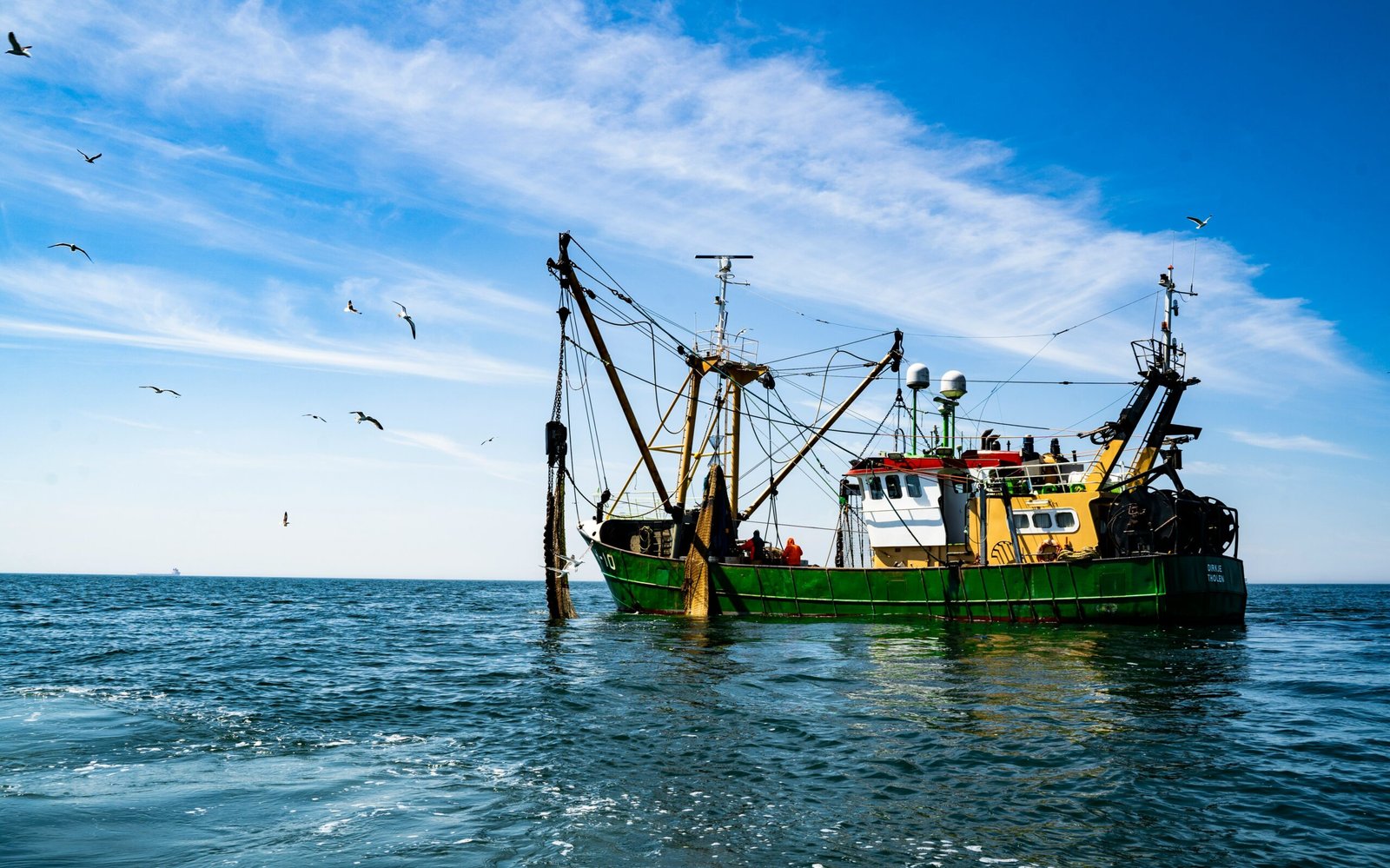
Beyond the seasonal closures, the draft Balochistan Fisheries and Aquaculture Bill 2026 sets out a broader restructuring of how the province oversees its marine sector. Officials described plans to:
- Strengthen the Fisheries Department’s research capacity and improve data collection on fish stocks.
- Expand the role of the Fisheries Council in shaping policy and managing the sector.
- Promote aquaculture as a complement to wild-catch fishing.
- Create three new directorates — Harbor and Coastal Development, Marine, and Inland — to divide oversight more clearly.
- Integrate staff from related institutions into the Fisheries Department to reduce overlap.
- Improve transparency around funds and assistance channeled to fishermen.
The bill’s broader aim, as officials framed it, is to protect the legitimate rights and interests of local fishermen while conserving Balochistan’s marine and aquatic resources for the long term. The committee has not yet released the bill’s exact legal text, including specific penalties or licensing provisions, which will need to be finalized before the draft advances.
Why It Matters Beyond Gwadar’s Harbor
Fisheries policy rarely makes the same headlines as port expansions or CPEC financing, but it touches a much larger share of Gwadar’s population directly. While much of the city’s recent news cycle has centered on China’s broader investment pivot toward Gwadar and on administrative disputes such as the one-week deadline recently set on New Town land disputes, fishing remains the livelihood that predates the port and will outlast any single phase of its development.
A fisheries law with real enforcement teeth would mark a rare instance of Balochistan’s legislative machinery moving at the pace of the coastal communities it is meant to serve, rather than the other way around.
What Happens Next
Chairman Hidayat-ur-Rehman Baloch said the committee would give due consideration to the recommendations of fishermen and other stakeholders before the bill is finalized. Feedback judged feasible will be folded into the draft once the consultation process concludes; the bill will then have to clear the standard legal and constitutional procedures of the Balochistan Assembly before it can be presented for final approval.
No date has yet been announced for the next committee session or for when the finalized bill might be tabled in the Assembly. Gwadar Post will continue following the legislation as it moves through the approval process.

Sources: Balochistan Assembly Standing Committee on Fisheries consultation, Gwadar, October 3, 2026, as reported by Daily Independent Pakistan and The Daily CPEC.