Gwadar Port Chairman Noorul Haq Baloch met a delegation from the Gwadar Chamber of Commerce and Industry (GCCI) on October 15 to press ahead on removing the customs, transport and infrastructure snags still slowing cross-border trade with Iran through the Gabd-Rimdan crossing — the second high-level session on the route in little more than a week.
Gwadar Port Director General Dawood Kalmati also attended the meeting, which brought together Taftan-based exporter Amanullah Jamaldini, former GCCI presidents Jaheend Hoth and Shamsul Haq Kalmati, and former GCCI general secretary Khalid Saif to walk through the practical problems traders say are still holding up cargo at the border.

What the GCCI Delegation Asked For
The discussion centred on use of the International Road Transport (TIR) system, customs clearance procedures, container movement, and transport and security arrangements along the shorter land route linking Gwadar with Iran. Chairman Baloch called for removing the “transportation, customs, security and infrastructure-related obstacles” that traders say continue to slow the crossing despite repeated government assurances this year.
Business representatives were specific about what they want fixed. They asked for dedicated parking areas and vehicle weighbridges at the Gabd-Rimdan crossing to speed up the movement of commercial vehicles — practical, unglamorous infrastructure that traders argue has been missing even as policy-level trade corridors have opened on paper.
A Direct Follow-Up to Last Week’s Pledge
Thursday’s meeting is the concrete follow-through on a commitment made barely a week earlier. On October 8, GwadarPost reported that Gwadar Port Authority and Pakistan Customs had agreed, after a meeting between Baloch and Customs Transit Trade Director General Irfan Javed, to convene a broader multi-stakeholder session to produce an action plan for the same crossing. This week’s GCCI meeting, with its specific asks for parking space and weighbridges, reads as traders putting concrete items on that action plan rather than waiting for officials to define the agenda alone.

No date has been set for the next round. According to Thursday’s discussion, the border infrastructure requests and other trade issues raised by the delegation will be carried to customs authorities and other relevant departments at an upcoming meeting in Gwadar — language that echoes, almost exactly, what officials said after the October 8 session.
Why the Gabd-Rimdan Corridor Keeps Coming Up
Gabd-Rimdan links Gabd, in Balochistan, with Rimdan in Iran’s Sistan-Baluchestan province, giving cargo moving through Iran a path onward to Central Asian markets, chiefly Uzbekistan. Pakistan’s National Logistics Corporation activated the terminal for the TIR international transit system in April 2026, and the corridor’s first consignment — a shipment of frozen meat — travelled from Karachi to Tashkent under the new arrangement.
The Ministry of Commerce followed in April with the Transit of Goods through Territory of Pakistan Order 2026, which named several routes for Iran-bound transit trade, including a direct Gwadar–Gabd corridor alongside longer overland paths through Khuzdar, Dalbandin and Taftan. Officials have framed the push as giving Pakistan a shorter, safer alternative to routes through Afghanistan and a way to diversify export paths at a time when disruptions near the Strait of Hormuz have made shippers more cautious about relying on a single route.
The Economic Stakes for Gwadar and Balochistan
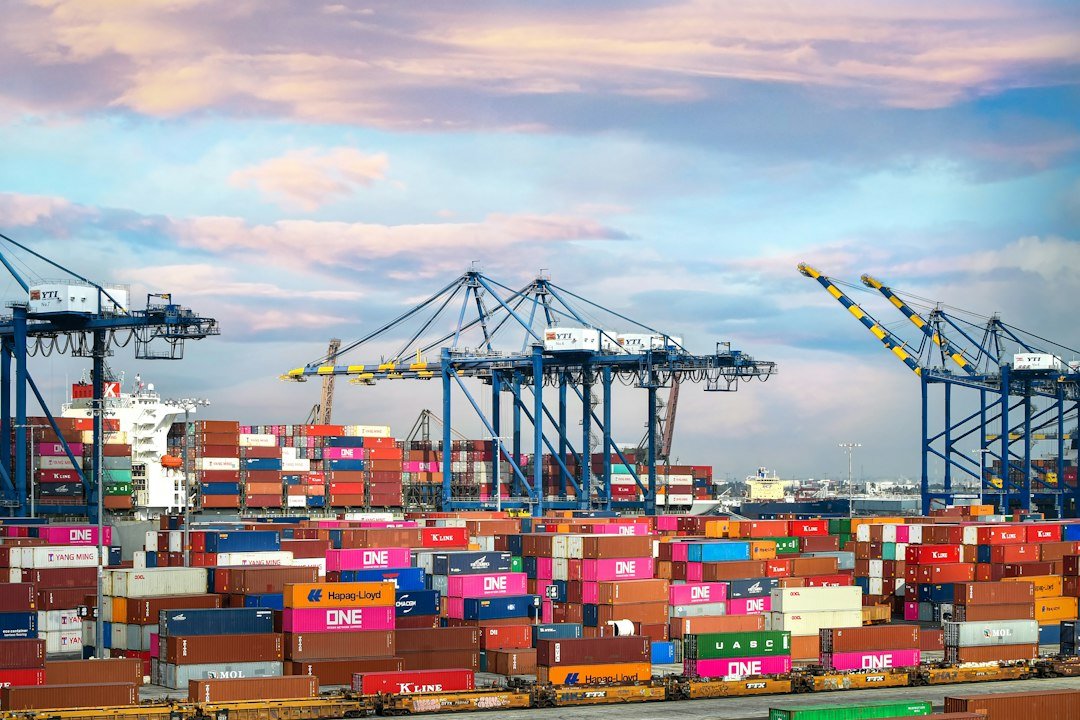
Chambers of commerce across Balochistan have welcomed the broader transit-trade push on the grounds that it could generate local jobs and foreign exchange from transit fees, port handling and logistics work, even as traders on the ground keep flagging the same operational gaps meeting after meeting. The push for smoother Iran transit also sits alongside Gwadar’s other recent export news, including the port chief’s review of the Free Zone’s slaughterhouse project aimed at export growth and the continuing build-out of CPEC’s Western Route highways meant to connect Gwadar’s hinterland to the rest of the province — a reminder that a transit corridor is only as useful as the roads, customs posts and parking lots that feed it.
What to Watch Next
Neither this week’s meeting nor the one that preceded it on October 8 has produced a published timeline. The markers worth tracking are concrete ones: whether the parking areas and weighbridges traders asked for actually appear at Gabd-Rimdan, whether the promised follow-up session with customs authorities gets a date, and whether cargo volumes through the crossing show any measurable change once — if — those fixes land. For now, the pattern across three Gwadar meetings in as many weeks is the same: officials and traders agreeing on what is wrong with the Iran trade route, with the actual repair work still ahead.
Sources
This report draws on coverage of the October 15 Gwadar Port–GCCI meeting on Iran transit trade, alongside GwadarPost’s own prior reporting on the October 8 Gwadar Port Authority–Customs meeting, the April 2026 activation of the Gabd-Rimdan TIR corridor and the Ministry of Commerce’s Transit of Goods through Territory of Pakistan Order 2026, and GwadarPost’s coverage of the Gwadar Free Zone slaughterhouse review and CPEC Western Route funding, linked throughout this article.