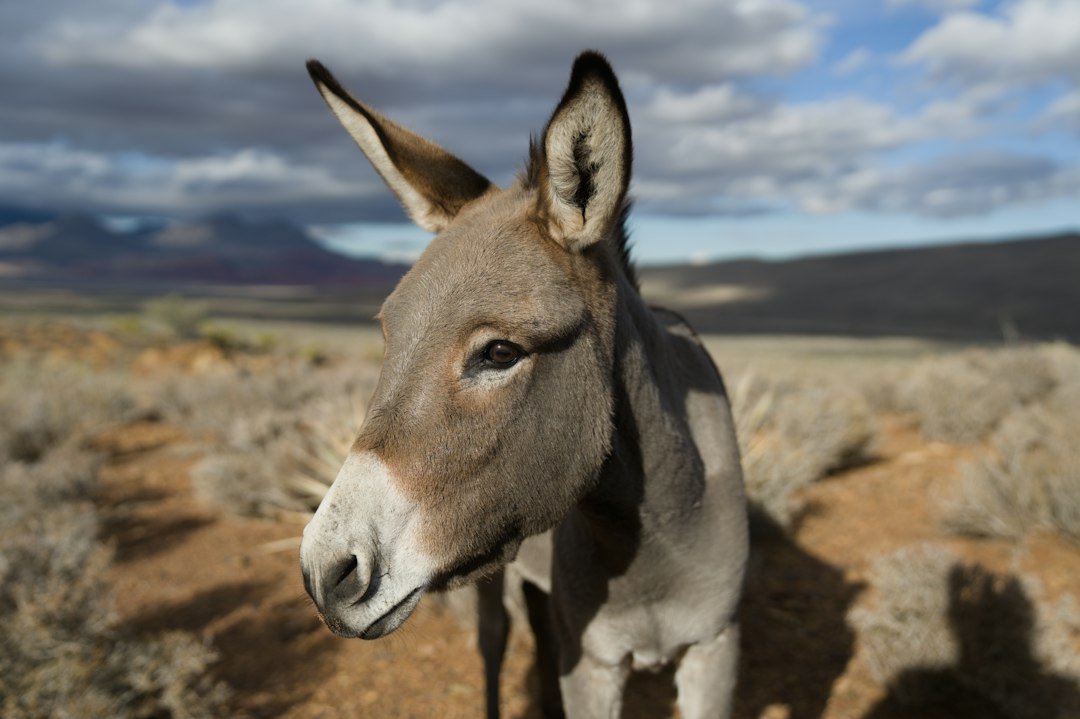
Gwadar — A Pakistani-Chinese joint venture broke ground on October 18 on a donkey farm and processing facility inside Gwadar’s Free Zone, the latest agriculture and livestock project aiming to turn the free trade area into more than a shipping waypoint. The venture, run by Shahzad and Shao Private Farm Co., Ltd., plans to raise, slaughter and process donkeys for export to China, where donkey hide is a key raw material for Ejiao, a traditional medicine product derived from donkey-hide gelatin.

What the Venture Involves
Gwadar Port Authority (GPA) Chairman Noor-ul-Haq Baloch and Maritime Affairs Secretary Captain (retd) Muhammad Khurram Agha attended the groundbreaking, alongside Shao Yunfei, chief executive of the new company. According to The Daily Independent and The Daily CPEC, the farm site covers roughly 16,500 square metres, including about 5,000 square metres of building area, with initial soil testing carried out on August 10. A separate four-acre plot in the Gwadar North Free Zone has been earmarked for a slaughterhouse and processing factory. Reports put the investment at an estimated 52 million yuan (roughly $7 million) and project about 120 local jobs, with technical training for Gwadar’s youth.
Agha said the venture would create jobs and help link local resources to international markets, while Baloch said industrial growth in the free zone could open access to global markets through Gwadar Port. Shao said the project would generate local employment and help meet “China’s food requirements,” according to the reports.
Why Donkeys: The Trade Behind the Project
Donkey hide is the primary raw material for Ejiao, a gelatin-based product used in traditional Chinese medicine and in some cosmetics, and demand for it has long outpaced what China’s own, shrinking donkey herds can supply. That gap has pushed Ejiao producers and traders to look for hides and live donkeys from Africa, Central Asia and South Asia over the past decade, a pattern documented by international animal-welfare researchers and reported on by outlets including Reuters and the BBC. The Gwadar venture is a local entry point into that same supply chain, pairing a Pakistani livestock base with Chinese processing capital and export know-how.
Approvals, Supply Chains and the Numbers
A Gwadar Port Authority official told The Daily CPEC that the company holds the licenses and no-objection certificates needed to operate, including clearances from Pakistan’s Ministry of National Food Security and Research, the Animal Quarantine Department, and China’s General Administration of Customs. Gwadar Pro, a Chinese-language outlet focused on CPEC, reported the facility is designed to handle a slaughter quota of up to 150,000 donkeys a year, though reaching that figure will depend on how quickly supply chains develop.

The company is reportedly exploring sourcing partnerships with donkey farmers in Sindh and Punjab rather than relying solely on Balochistan’s own herds. The Daily CPEC cited Pakistan’s national donkey population at an estimated 5.8 million animals — a potentially large base, but one that would need organized collection, veterinary screening and transport networks to feed a processing plant at scale, none of which currently exist in Gwadar.
Part of a Broader Push to Fill Gwadar’s Free Zone
The donkey farm is not the only agriculture-linked project drawn to the zone recently. GPA officials have said other companies — including MLG Farms, Sang Yang Global Limited, and Foshan Brothers and Sisters Trading Company — have also applied for land there. Baloch has repeatedly pointed to Balochistan’s agriculture, fisheries and livestock potential as an underused asset, citing dates grown in Kech and Panjgur as another product that could be processed locally and exported through the port.
Officials also pointed to basic infrastructure that has been catching up with the zone’s ambitions: the port authority’s desalination plant, with a capacity of 1.2 million gallons a day, has been supplying water to Gwadar city since July 2025. Water and power shortages have been cited for years as the biggest obstacles to attracting large-scale industry to the free zone, alongside broader questions about financing for projects tied to CPEC’s second phase, which Chinese officials have pledged will extend the corridor’s benefits more directly into Balochistan.
Why It Matters for Gwadar
On its own, a single farm generating roughly 120 jobs is a modest addition against the scale of ambition long attached to Gwadar’s Free Zone, which planners have cast as a pillar of the port city’s 10-year Smart Port City master plan. But it is a concrete, on-the-ground data point in a zone whose progress has often been measured in announcements and pledges rather than operating facilities. Combined with Gwadar Port’s other recent efforts to diversify its role in regional trade — including a prospective sister-port arrangement with Oman’s Sohar Port — the venture adds agro-processing and livestock exports to a list of sectors officials are betting on to give the free zone an economic life beyond container transshipment.
Whether the project scales to anything near its stated 150,000-donkey capacity will depend on factors outside the free zone itself: whether farmers in Sindh, Punjab and Balochistan can be organized into a reliable supply chain, and whether China’s Ejiao demand remains strong enough to sustain the trade over the years it will take the venture to ramp up.
Quick Facts
- Venture: Shahzad and Shao Private Farm Co., Ltd. (Pakistan-China joint venture)
- Groundbreaking: October 18, 2026, Gwadar Free Zone
- Estimated investment: 52 million yuan (roughly $7 million)
- Jobs projected: approximately 120 local positions, with technical training
- Farm site: approximately 16,500 square metres (about 5,000 sqm of building area)
- Processing site: 4 acres in Gwadar North Free Zone for a slaughterhouse and processing factory
- Stated capacity: up to 150,000 donkeys per year, per Gwadar Pro
- Pakistan’s donkey population: estimated at 5.8 million
- Desalination plant: 1.2 million gallons/day, supplying Gwadar city since July 2025
Sources: The Daily Independent Pakistan (October 19, 2026); The Daily CPEC, citing Gwadar Pro and a Gwadar Port Authority official (October 20, 2026).