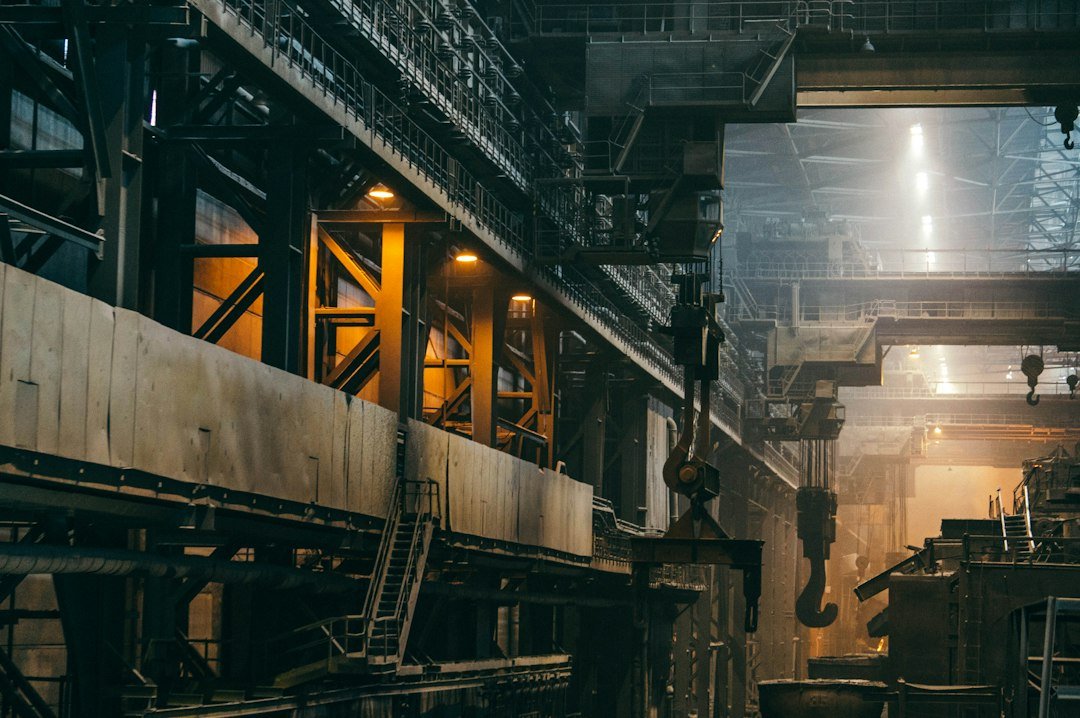
On May 1 this year, on the eve of International Labour Day, a Chinese company operating inside Gwadar Free Zone announced it was shutting its factory and laying off its entire workforce in both Pakistan and China. The firm, Hangeng Trade Company, said it had met every technical requirement China’s customs authorities demanded, cleared its bills, and waited three months for an answer that never came — and still couldn’t get permission to ship its product out of the country. The crisis was resolved within 48 hours, after intervention from the top of Pakistan’s government. But the episode is one of the clearest illustrations yet of a gap this site has tracked through its coverage of Gwadar’s port-capacity numbers and master-plan reviews: generous incentives on paper, and a much harder road to actually operating inside them.
A Tax Holiday, a Concession, and Not Much Company
The Gwadar Free Zone was designed in phases between 2015 and 2030, with its first section opened in 2018 on roughly 25 hectares and a larger northern expansion of nearly 900 hectares to follow. At its launch, Gwadar Port’s operator said about 30 companies — spanning hotels, banking, logistics and fish processing — had committed direct investment of around $474 million, with expectations of $790 million once fully operational. Those figures have been repeated by officials for years since.

The terms on offer remain generous. Gwadar Port Authority (GPA) Chairman Noorul Haq Baloch told the Gwadar Chamber of Commerce and Industry last year that investors would get government plots on concessional rates, a 23-year tax holiday, customs duty exemptions and “international-standard amenities.” Yet actual industrial tenancy has stayed thin. At the time of the Hangeng crisis in May, only two Chinese firms had committed physical manufacturing operations to the Free Zone’s northern section, according to reporting on the episode — a shortfall the Gwadar Development Authority has attributed to infrastructure constraints, even as affected investors point instead to administrative delay.
What Hangeng Actually Exports
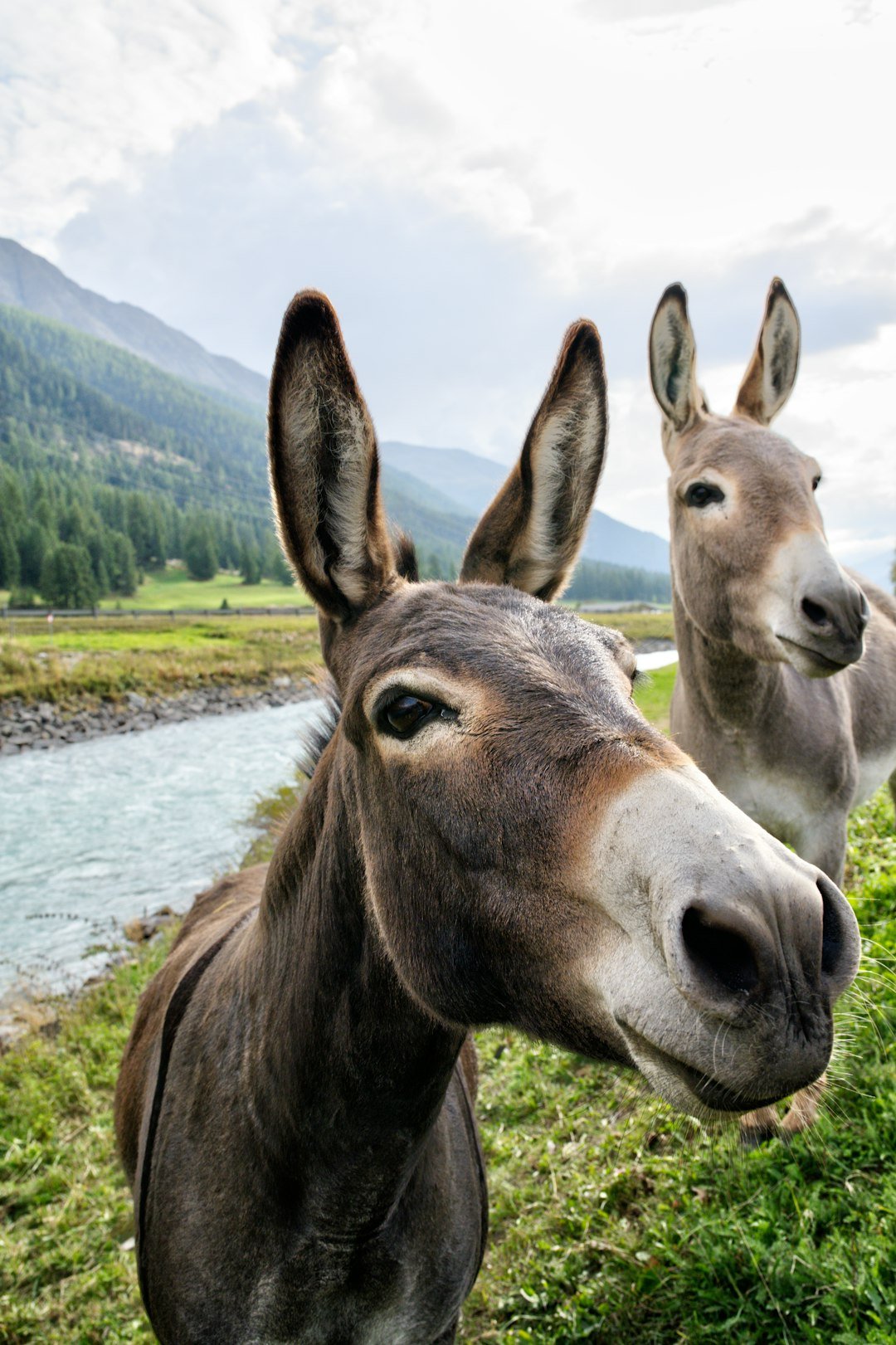
Hangeng Trade Company (SMC-Private) Limited built its Gwadar facility to process and export donkey meat and hides to China. Pakistan holds one of the world’s largest donkey populations — 5.9 million animals, as of a 2024 count — and while donkey meat isn’t eaten locally for religious reasons, it’s valued in China both as food and as the raw material for “ejiao,” a gelatin derived from hides and used in traditional medicine for blood health and immunity. It’s a niche but genuine foreign-exchange earner Islamabad has specifically tried to cultivate. Under the Free Zone’s rules, the Hangeng plant operates on an “exit only by air or sea” protocol, designed to keep its by-products from ever entering Pakistan’s domestic market.
Three Months of Silence, Then a Shutdown Notice
According to the company’s own account, its Gwadar facility met the inspection, quarantine and food-safety standards China’s customs authorities require. The problem was on the Pakistani side: the exports stayed blocked for lack of a government approval the company said it had been chasing for three months without resolution. On May 1, Hangeng announced an immediate shutdown, reporting three straight months of losses that included container demurrage charges and contractual penalties. Before closing its doors, it said it had cleared every outstanding due — three months of staff salaries, penalties and electricity bills among them. The company thanked Pakistan’s government and the Ministry of Planning for supporting bilateral economic ties, but it also urged other prospective Chinese investors to “carefully assess the potential policy execution gaps and institutional uncertainties” before committing capital to Gwadar.
A 48-Hour Reversal
The timing was awkward for Islamabad: the notice landed just weeks before Prime Minister Shehbaz Sharif’s scheduled visit to China for a business investment forum. Within two days, “the highest levels” of the Pakistani government had intervened. On May 2, the government’s animal quarantine department sent Hangeng a letter citing a federal approval on record since April 2025, instructing the company to specify its export destination so a formal permit could finally be issued. By May 3, a Hangeng spokesperson confirmed the standoff “had been resolved with the support of the prime minister and the minister of planning,” and the facility reopened. In a statement posted on X, the company called Sharif and Planning Minister Ahsan Iqbal “true friends of China” who were “committed to cutting red tape and facilitating foreign investment” — a conciliatory close to an episode that, as Arab News noted at the time, had already exposed the “persistent challenges of red tape in Pakistan.”
What It Means for Gwadar’s Pitch to Investors
This site’s look at a recent PIDE policy paper on Gwadar’s low capacity utilisation identified limited industrial activity inside the Free Zone as one of three structural reasons the port has struggled to generate cargo of its own, alongside weak rail links and thin integration into global shipping networks. Earlier this month, a review of Gwadar Port Authority’s master plan listed “commercial and industrial activity inside the Gwadar Free Zone” as one of four priority areas under official scrutiny, without elaborating on what that activity actually looks like day to day. Hangeng’s near-exit is precisely the kind of granular episode that broad line item was likely meant to cover — one of a small handful of operating tenants nearly walking away over an approval that, on paper, had existed for a year before anyone acted on it.
GPA’s continuing outreach to local and foreign investors offers the same concessional package that drew Hangeng to Gwadar in the first place. Whether that pitch lands differently this time will depend less on the tax holiday than on whether the next company’s paperwork moves without needing a shutdown notice — and a prime ministerial visit on the calendar — to get it unstuck.
Sources
- May Day blow: firm shuts plant, sacks workers — The Express Tribune
- Chinese firm reverses decision to shut Gwadar operations after government intervention — Arab News Pakistan
- Chinese firm exits Gwadar, says Pakistan’s systemic barriers cripple business — Asianet Newsable
- Investors invited to set up industrial units in Gwadar — Dawn
- Companies, entrepreneurs flock to Gwadar port free zone — Customs Today