For a decade, the pitch behind the China-Pakistan Economic Corridor in Balochistan has rested on infrastructure: a deep-sea port, a new international airport, a desalination plant, kilometres of resurfaced highway. The harder promise — that this construction phase would turn into lasting jobs for the province’s own workforce — has moved far more slowly. A 1,000-acre industrial zone outside Quetta, largely empty for years, is now being treated by federal and provincial planners as one of the clearest tests of whether that promise can be kept.
A Zone Meant to Answer Gwadar’s Own Complaint
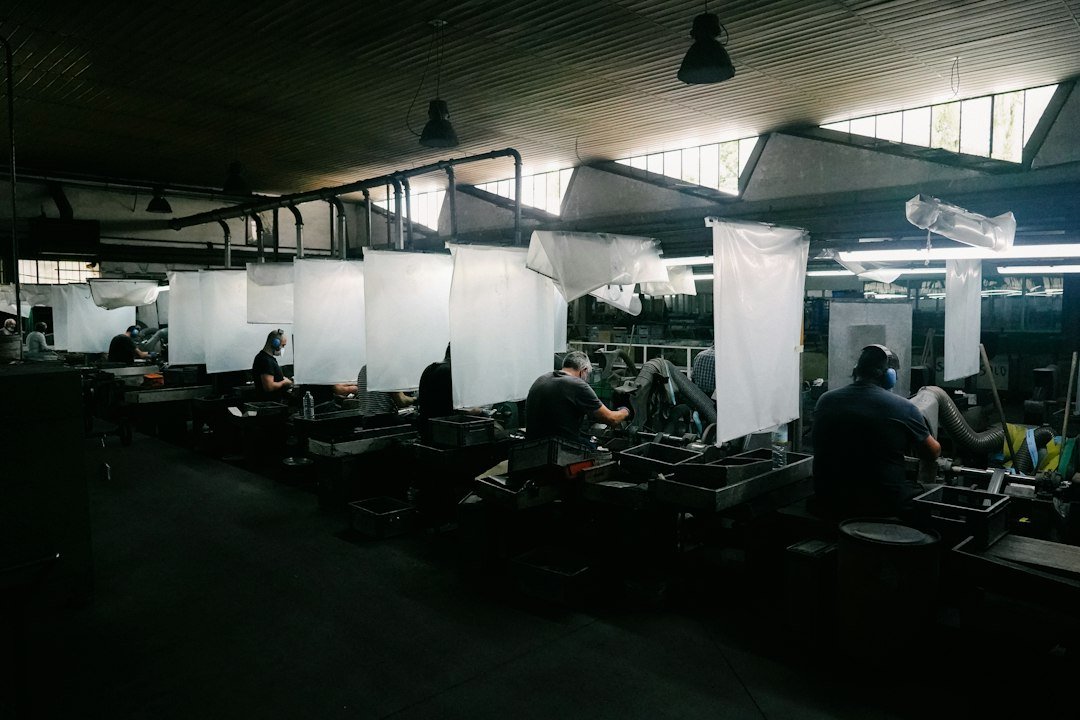
The Bostan Special Economic Zone sits in Pishin district, roughly 23 kilometres from Quetta’s airport, and was first proposed under CPEC’s industrial-cooperation framework in the project’s early phases. Progress stalled for years over feasibility and coordination delays. That changed in November 2025, when Balochistan’s cabinet approved a dedicated Bostan SEZ Council to tighten coordination between the provincial government and Chinese investors, with the chief minister describing the zone as a cornerstone of the province’s industrial future.
The incentive package mirrors what Gwadar’s own Free Zone has long offered: a ten-year tax exemption on income generated inside the zone, utilities priced near cost, and customs relief for qualifying enterprises. Where the two diverge is in what they’re built to produce. Gwadar’s zone is oriented toward export processing tied to the port; Bostan is pitched at inland industries that draw on Balochistan’s own produce and raw materials — fruit and agricultural processing, farm machinery, pharmaceuticals assembly, motorcycle assembly and ceramics — rather than seaborne trade. That distinction matters given how thin industrial tenancy turned out to be at the Free Zone earlier this year, when a near-shutdown by one of its few manufacturing tenants exposed the gap between concessional terms on paper and the slower reality of operating inside them.
What’s Actually Been Built So Far
Around 200 of Bostan’s 1,000 acres have been developed with basic infrastructure, according to provincial officials, and the site is now counted among four Special Economic Zones nationally that have moved from paper approval into active implementation. Roughly two dozen enterprises have reportedly been allotted plots there. Public reporting on how many have actually broken ground — let alone started hiring — remains thin, a familiar gap in CPEC’s industrial-zone record across the province.
The Numbers Behind the Jobs Promise
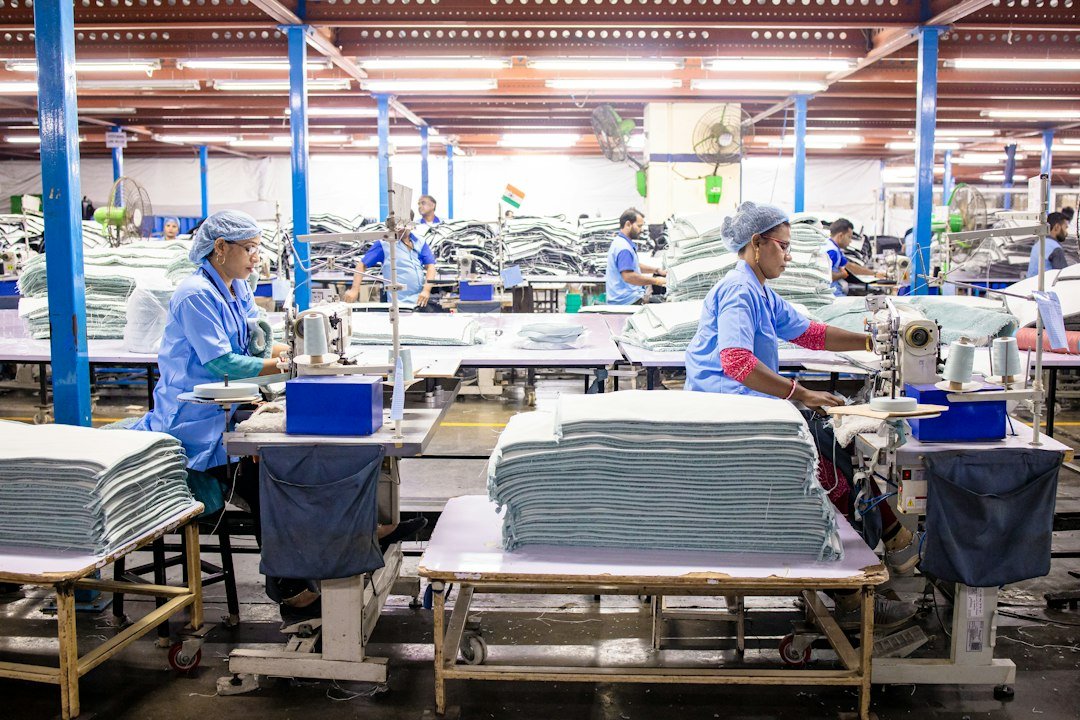
Official figures compiled across CPEC’s first decade in Balochistan show how far the employment pledge still has to travel. Road, energy, port, health and education schemes linked to the corridor have together engaged roughly 7,313 workers province-wide to date. The breakdown skews toward individual facilities rather than broad industrial hiring: the Pak-China Friendship Hospital in Gwadar accounts for 515 of those positions, 441 of them held by Balochistan domicile-holders; Gwadar Port and its Free Zone list 216 posts, 214 local; and the New Gwadar International Airport reports 107 jobs, 63 of them going to Balochistan residents — above the 6% provincial hiring quota the federal government sets for such projects.
Those ratios look respectable on paper, but nearly all describe construction-phase or facility-operating roles tied to single projects, not the kind of broad-based industrial employment a functioning SEZ is meant to generate on an ongoing basis. Higher-skilled technical positions across these schemes still lean toward workers brought in from other provinces or from China, a pattern officials and independent researchers trace to a provincial workforce that industrial investors do not yet consider trained to the standard they need.
Training a Workforce Before the Jobs Exist
That training gap is where the Pak-China Vocational and Technical Institute in Gwadar fits in. The institute graduated its largest cohort to date — 1,200 students — in January 2026, part of an effort to build a pipeline of skilled local labour ahead of the industrial jobs CPEC’s second phase is meant to deliver. The arithmetic remains uneven: those graduates now need employers inside Balochistan willing to hire them rather than openings in Karachi or further afield, and Bostan’s still-developing factory floor is one of the few concrete places that demand is supposed to come from.

CPEC 2.0’s Bigger Bet on Industrial Zones
Bostan’s fortunes are tied to a wider institutional shift. The 14th Joint Cooperation Committee meeting in Beijing, held in September 2025, adopted an action plan that envisions expanding Pakistan’s network of Special Economic Zones from seven notified zones to 44, including 37 newly designated sites coordinated through the Board of Investment. Bostan is one of only four zones nationally that officials describe as having moved into active implementation rather than remaining at the feasibility stage, alongside the Hub SEZ closer to Karachi.
The plan also leans on Balochistan’s mineral wealth to eventually feed zones like Bostan with raw material. The province holds the large majority of Pakistan’s identified mineral reserves, and the Reko Diq copper-gold project alone is projected to generate billions of dollars a year in export revenue once production begins near the end of the decade — though, as this site has reported, that cargo is currently contracted to move through Port Qasim rather than Gwadar, pending a rail link still awaiting financing. A related logistics gap — the absence of a rail connection between Gwadar and the national network — was flagged by researchers at the Pakistan Institute of Development Economics as one of three structural reasons the port itself has struggled to generate cargo of its own, alongside the same thin industrial tenancy that Bostan is meant to help correct.
A Province Still Waiting on the Harder Layer
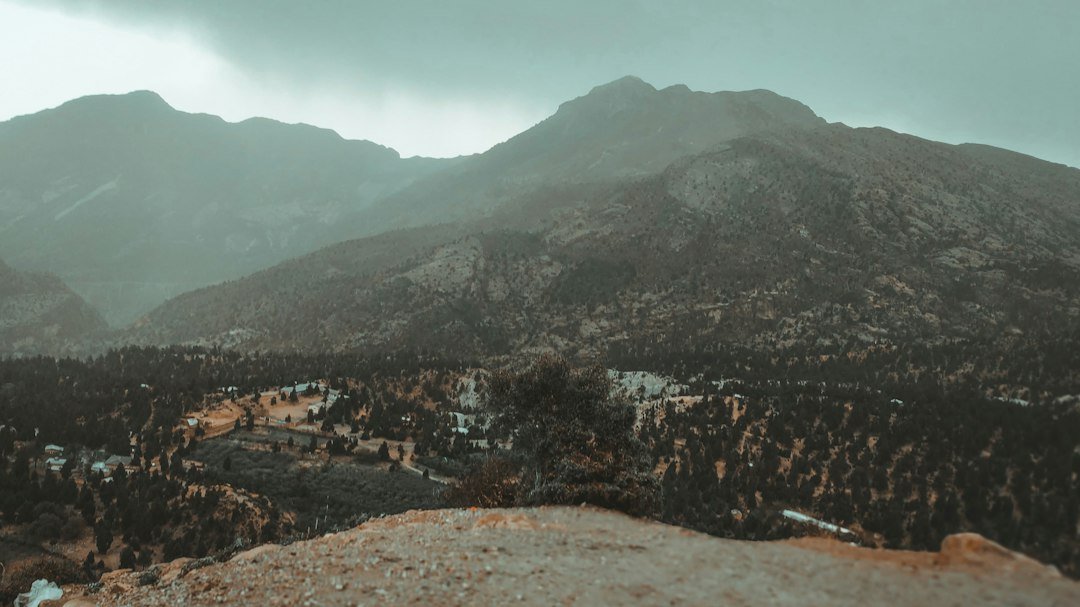
Balochistan’s provincial GDP is projected to grow faster than the national average in the coming fiscal year, and federal development spending for the province has risen to a record allocation under the current Public Sector Development Programme. But the gap officials themselves acknowledge — between plots allotted and payrolls running — is precisely what Bostan’s next phase has to close. Provincial officials have framed the completion of SEZ infrastructure and the shift from construction to production as the zone’s central task, a framing that echoes the same investor-confidence questions raised by Gwadar Port Authority’s recent master-plan review, where industrial activity inside free zones was listed as one of four priorities still under official scrutiny.
Whether Bostan succeeds will likely be measured less by acreage developed than by a simpler count: how many of the province’s own vocational graduates end up drawing a paycheck from a factory inside it, rather than one in Karachi or Lahore.
FAQ
What is the Bostan Special Economic Zone?
It is a 1,000-acre industrial zone in Pishin district, about 23 km from Quetta, developed under CPEC’s industrial-cooperation framework to attract manufacturing and agro-processing investment to Balochistan.
How many jobs has CPEC created in Balochistan so far?
Official figures put the total at roughly 7,313 workers engaged across road, energy, port, health and education projects linked to the corridor, with most positions tied to specific facilities rather than ongoing industrial employment.
How many Special Economic Zones does CPEC now plan for Pakistan?
An action plan adopted at the September 2025 Joint Cooperation Committee meeting envisions expanding the network from seven notified zones to 44, including 37 newly designated sites.
Sources: Rabia Abrar, “CPEC gave Balochistan roads and power. CPEC 2.0 must deliver jobs,” Asia Times, July 1, 2026; The Express Tribune, “Bostan SEZ council approved,” November 12, 2025; Associated Press of Pakistan, reporting on Balochistan Board of Investment and Trade statements on the Hub and Bostan Special Economic Zones; ICMA Pakistan sector brief, “Special Economic Zones in Pakistan.”