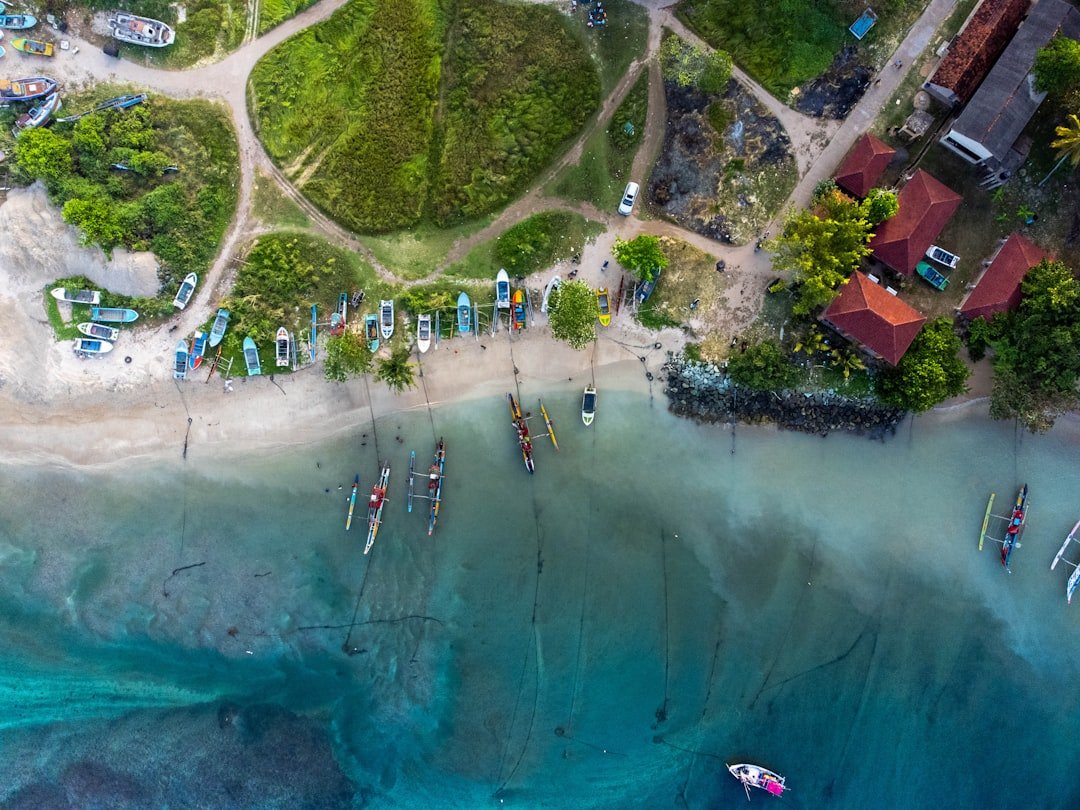
Gwadar’s fishing communities have waited years for the port city’s development boom to translate into something as basic as a home with a formal address. That wait now has a concrete shape: a Rs2.44 billion low-cost housing scheme, known as the Fishermen Colony, that will carve out nearly 3,000 residential plots for local fishing families on the edge of the city. The project has provincial approval and Balochistan’s business community is publicly backing it, but it is still waiting on the one thing that will actually get shovels moving: federal funding.
The Numbers Behind the Fishermen Colony
The scheme is being developed on more than 200 acres of land at Mouza Ankada South, near the junction of Jiwani and Awaran Avenues and adjacent to the Gwadar Sports Complex. According to project documents cited by Business Recorder and INP, the layout and costs break down as follows:
- Cost: Rs2,439.6 million (roughly Rs2.44 billion)
- Land area: over 200 acres
- Residential plots: approximately 2,970
- Plot size: 120 square yards each
- Location: Mouza Ankada South, at the Jiwani-Awaran Avenue junction
Beyond the plots themselves, the plan includes clean drinking water, sewerage, roads, electricity, schools, mosques, a hospital and parks — the basic civic infrastructure that has long been in short supply in Gwadar’s fishing settlements even as the city’s Rs29 billion water scheme and other mega-projects move through the approval pipeline.
A Promise Three Years in the Making
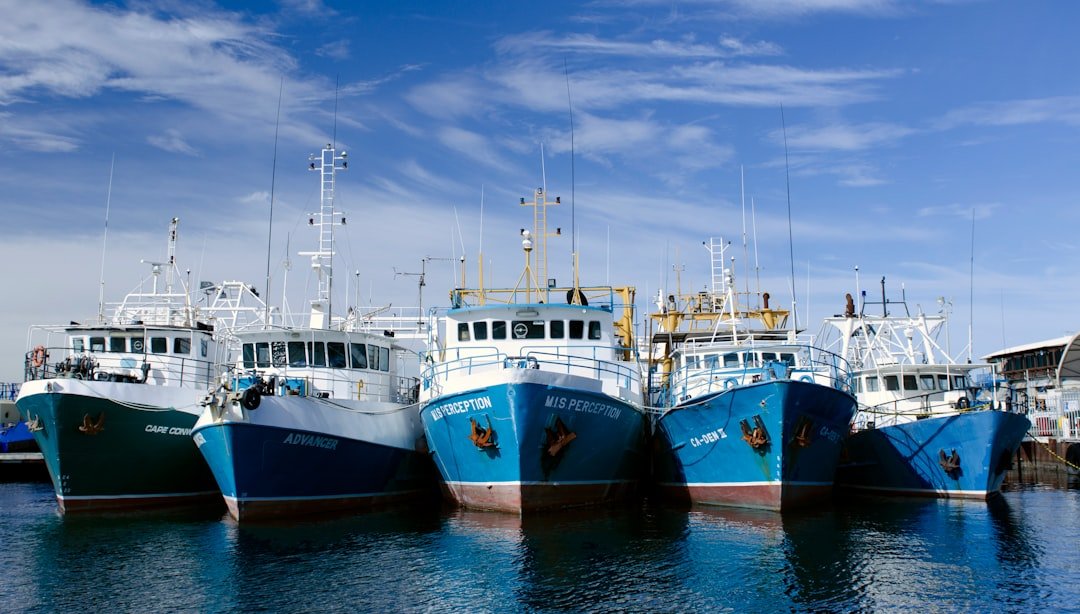
The Fishermen Colony is not a new idea. According to INP, it was first announced roughly three years ago by the Prime Minister of Pakistan during a visit to Gwadar, framed as a welfare measure for the city’s fishing population. Since then, the Balochistan government’s Planning and Development Department has approved the project’s PC-II documentation, and the provincial government formally allocated the 200-plus acres of land earlier this year.
What has not yet happened is the release of federal funds needed to begin actual development work — grading the land, laying roads and utilities, and building the promised schools and clinics. Officials say that once funding materialises, a digital database of allottees will be created to keep the allotment process transparent, addressing a long-standing complaint in Gwadar that connected or influential applicants, rather than genuine fishing families, end up benefiting from such schemes.
Why Housing Matters on Gwadar’s Coast
Gwadar is home to roughly 100,000 people, the majority of them from an indigenous Baloch fishing community whose livelihoods depend almost entirely on the sea. Reporting on the community’s living conditions has repeatedly described erratic electricity, scarce clean water, and incomes squeezed by illegal deep-sea trawling that has depleted local fish stocks of sardines, mackerel, pomfret, shrimp and prawns. Many fishing families still live in informal, poorly serviced settlements despite the port city’s decade of CPEC-linked construction elsewhere.
Against that backdrop, a formally planned colony with legal plots, piped water, sewerage and schools would mark a tangible shift — not a mega-project measured in billions of dollars of port infrastructure, but a housing scheme sized to the everyday needs of the families the port was originally supposed to benefit. It also lands amid wider political friction over how much of Gwadar’s development reaches ordinary residents, an argument that has flared again this year alongside debate over the city’s administrative status.

Business Community Throws Its Weight Behind the Project
The Pakistan-China Joint Chamber of Commerce and Industry (PCJCCI) publicly endorsed the scheme in early August, framing it as evidence that CPEC-era development can be made to serve local residents rather than bypass them.
PCJCCI President Nazir Hussain said the initiative “reflects the government’s commitment to ensuring that the benefits of CPEC and Gwadar’s development directly reach the local population.” Vice President Amir Ali added that “adequate housing is a key component of socio-economic development and will contribute to improving education, healthcare access, and living standards,” while Secretary General Salahuddin Hanif said such projects would “strengthen public confidence in CPEC” and promote sustainable urban growth in the port city.
The chamber’s intervention matters because it signals that Gwadar’s housing needs are increasingly being framed as part of the broader CPEC narrative, alongside the port, roads and energy projects that have historically dominated coverage of the corridor — including CPEC’s wider $25.61 billion project portfolio, where Gwadar-specific schemes have often lagged behind national totals.
What Happens Next
For now, the Fishermen Colony sits in a familiar Gwadar limbo: approved on paper, backed publicly by both government and business voices, and waiting on federal money to move from plan to plot. If funds are released, officials have indicated allotment to eligible fishing families could begin relatively quickly, given that land allocation and planning approvals are already in place.
Local residents and fishing community representatives will be watching two things closely: how fast the federal release actually comes through, and whether the promised digital allotment database is used to keep the process transparent once it does. Given how often large Gwadar announcements have stalled at the funding stage, both will be the real test of whether this scheme becomes a functioning neighbourhood or another approved-but-unbuilt line item.
Quick Facts: Gwadar Fishermen Colony
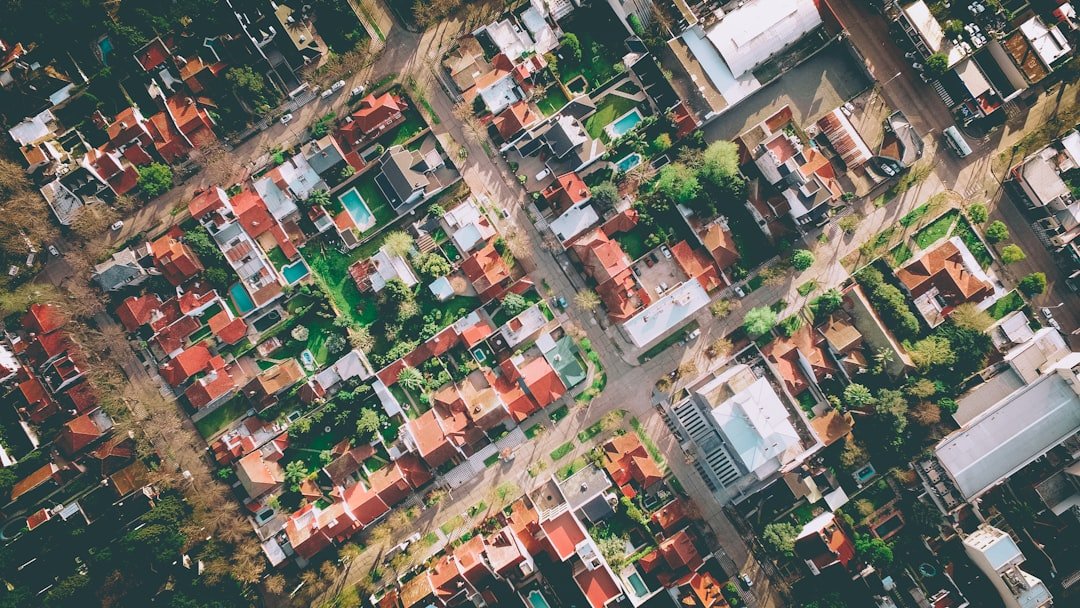
- Cost: Rs2.44 billion (Rs2,439.6 million)
- Plots: ~2,970, at 120 square yards each
- Land: over 200 acres at Mouza Ankada South, near Jiwani-Awaran Avenue
- Status: land allocated and PC-II approved; awaiting federal fund release
- Backers: Balochistan government, Gwadar Development Authority, publicly supported by PCJCCI
Frequently Asked Questions
How many families will benefit from Gwadar’s Fishermen Colony?
The scheme is designed to allot approximately 2,970 plots of 120 square yards each to low-income fishing families in Gwadar, once federal funding is released and the allotment process begins.
When was the Fishermen Colony project first announced?
According to Pakistani news reports, the project was first announced around three years ago by the Prime Minister during a visit to Gwadar, though land allocation and formal provincial approvals only progressed through 2026.
What is holding up construction?
The land has been allocated and the project’s planning documentation (PC-II) has been approved by Balochistan’s Planning and Development Department, but development work is pending release of federal funds.
As with many announcements tied to Gwadar’s development, the gap between approval and execution will determine whether this scheme changes daily life for the city’s fishing families or simply adds another entry to the list of promised projects awaiting funding.
Sources: Business Recorder, INP (Pak-China News), and Dawn reporting on conditions faced by Gwadar’s fishing community.