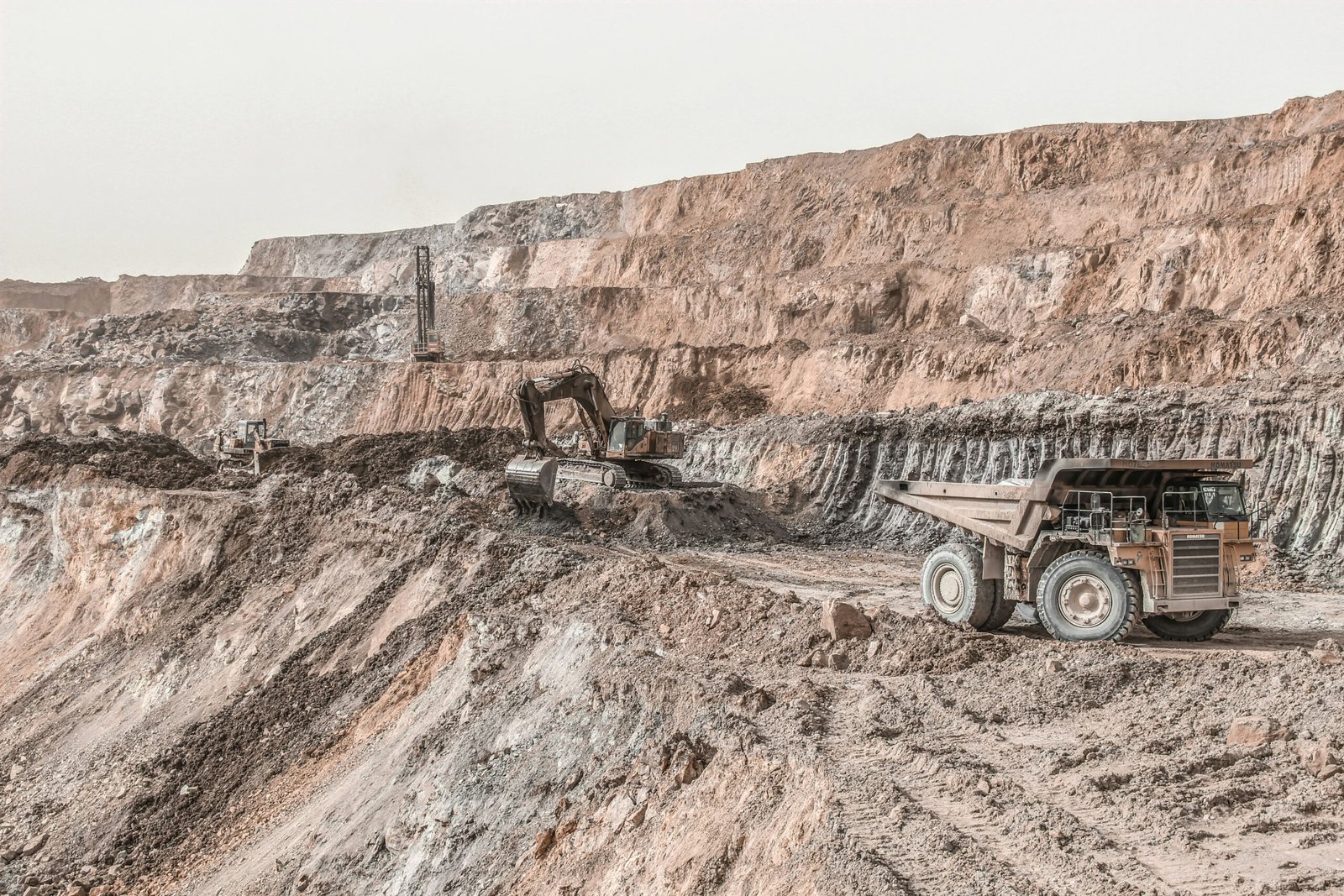
Pakistan’s finance minister made a direct pitch to Washington this week for one of Balochistan’s largest and most closely watched development projects. Senator Muhammad Aurangzeb met US Export-Import Bank Chairman John Jovanovich in New York on September 25, and among the items on the table was financing for Reko Diq, the copper-gold mine in Chagai district that Islamabad has spent a decade trying to turn into a reality. The meeting comes five months after the project’s majority developer, Canada’s Barrick Mining, warned that a worsening security picture in Balochistan could push back both the timeline and the cost of building it.
What Was Discussed in New York
According to a Thursday readout of the meeting, Aurangzeb “emphasized the project’s importance to Pakistan’s future exports and the cost of delays, and welcomed US EXIM Bank’s continued commitment to the project.” Reko Diq financing was raised alongside two other items: possible EXIM support for Pakistan International Airlines’ purchase of Boeing 787 Dreamliners and spare parts for its grounded 777 fleet, and financing for refinery upgrades. Both sides agreed to keep working on what officials described as a broader cooperation framework, prioritising financing structures such as aircraft pre-delivery payments, though no dollar figures were disclosed for any of the three initiatives.
A separate social media update from the finance ministry’s adviser, Khurram Schehzad, on Saturday confirmed the Reko Diq discussion and stressed that “no sovereign guarantee or taxpayer-funded loan has been announced,” framing the government’s role as facilitating financing access rather than committing public money directly.
Why Reko Diq Needs Fresh Financing
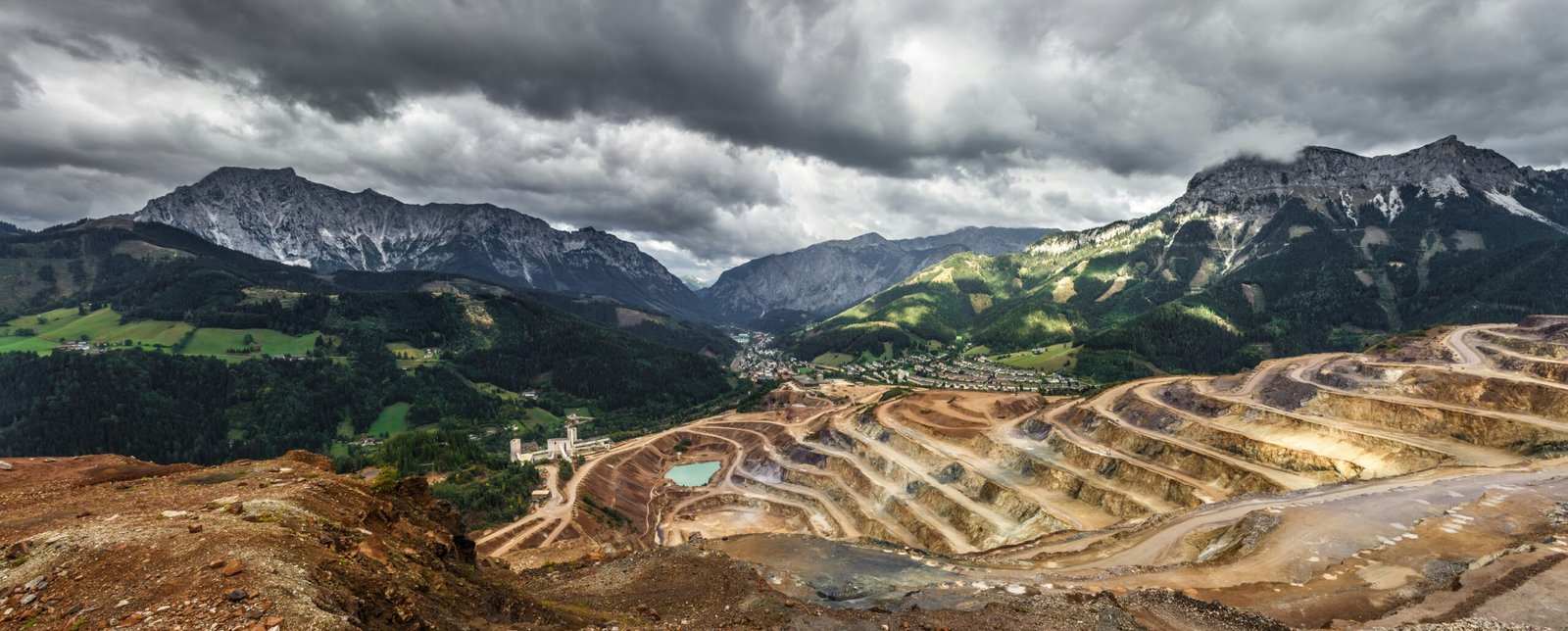
Reko Diq is one of the largest undeveloped copper-gold deposits in the world, and Barrick’s own projections give a sense of why Islamabad is chasing outside capital to build it. Barrick chief executive Mark Bristow said in January 2025 that the mine could generate roughly $74 billion in free cash flow over a 37-year life once operational. The project is owned 50 percent by Barrick and 50 percent between Pakistani federal state-owned enterprises and the Government of Balochistan, and it is being built in two phases: an initial phase targeting around 200,000 tonnes of copper a year at an estimated cost of $5.6 billion to $6 billion, followed by a second phase priced at roughly $3.3 billion to $3.6 billion that would roughly double output. First production had been targeted for the end of 2028.
Those numbers explain the scale of financing Reko Diq still needs, and why Pakistani officials keep returning to potential lenders and investors. Saudi Arabia’s Manara Minerals has spent much of the past year in discussions to acquire a stake reported at between 10 and 20 percent, a deal that, if it closes, would bring in Gulf capital alongside Barrick’s. The EXIM Bank conversation is a separate, parallel track aimed at US government-backed financing rather than equity investment.
The Security Pause That Triggered the Financing Push
The backdrop to this week’s New York meeting is a slowdown Barrick itself announced on April 2, 2026. The company told investors it would reduce capital spending and extend its technical and financial review of Reko Diq to mid-2027, citing, in its own words, “the further escalation of security issues in Pakistan and the region.” Barrick added that the review could ultimately produce “significant increases” to the project’s previously disclosed budget and timeline, without putting a number on how large those increases might be. The company said the project would remain under “active management with a reduced capital spend” while the review continues, rather than being shelved outright.
That announcement landed at a sensitive moment for Balochistan’s investment climate more broadly. This site has previously reported on the security costs tied to CPEC-linked infrastructure, including the more than 15,000-strong Special Security Division Pakistan has built to protect Chinese nationals and installations, and on the wider debate over whether security concerns are pushing outside investors to pull back from the province. Reko Diq’s April pause is one of the clearest data points on that side of the ledger: a Fortune 500 mining company, not a commentator, deciding the risk picture had changed enough to slow a multi-billion-dollar commitment.
Islamabad Keeps the Coordination Channel Open
Pakistani officials have not treated Barrick’s April pause as the end of the conversation. Petroleum Minister Ali Pervaiz Malik met Barrick chairman John L. Thornton in Islamabad on May 10 specifically to “review progress and discuss future steps,” according to a readout at the time, with Malik stressing that Reko Diq would “play a key role in attracting investment, generating employment opportunities, and accelerating socio-economic development in Balochistan.” Barrick, for its part, reaffirmed its commitment to the project and acknowledged continued government backing. Neither side offered a revised construction timeline at that meeting, and none has been made public since.
This week’s outreach to the US EXIM Bank fits the same pattern: rather than waiting out Barrick’s mid-2027 review in silence, Pakistani officials are working parallel tracks, courting Gulf equity through Manara Minerals and US government-backed debt through EXIM, so that financing is lined up whenever Barrick’s own review concludes.
Why This Matters Beyond Chagai District
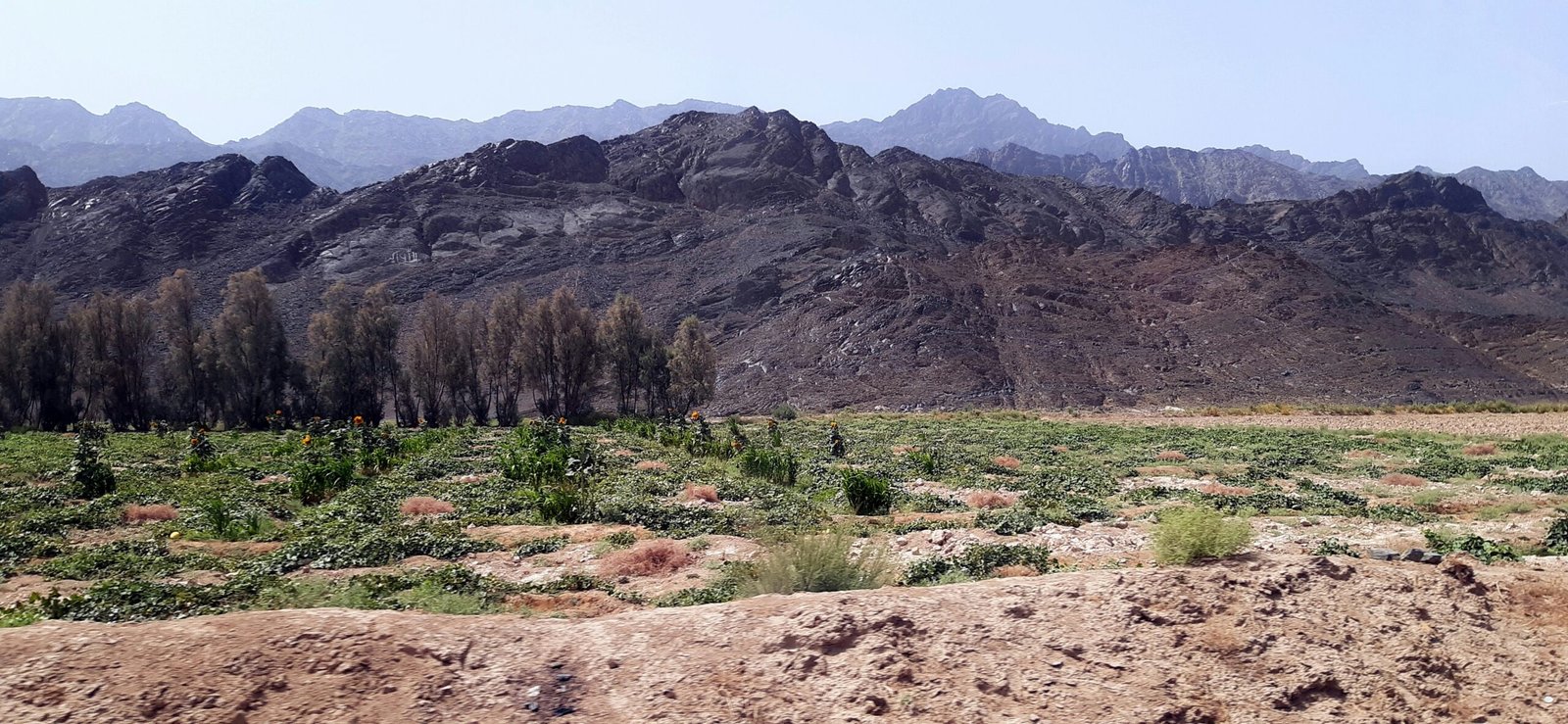
Reko Diq sits inland, in Balochistan’s remote Chagai district near the Afghan and Iranian borders, so it will never load a ship directly. How and where its copper concentrate eventually reaches port is its own unresolved question, and one that touches the coastal projects this site covers closely. Pakistan International Bulk Terminal disclosed to the stock exchange that Port Qasim in Karachi, not Gwadar, has been selected as the preferred marine terminal for Reko Diq’s exports, with the terminal operator planning infrastructure upgrades to handle specialised mineral concentrates alongside its existing 12 million tonnes of annual imports and 4 million tonnes of exports.
That is not necessarily the final word on the mine’s logistics, however. The US-linked port proposal at Pasni, just 110 kilometres from Gwadar, was pitched in part on a planned rail line connecting the port directly to Balochistan’s mineral belt, including Reko Diq, as a way to move copper, antimony and rare earth elements to the coast without routing everything through Karachi. With that Pasni proposal still unconfirmed and Reko Diq’s own financing still being assembled, the question of which coastline ultimately benefits from Balochistan’s mineral wealth remains as open as the mine’s construction timeline itself.
What to Watch Next
Three threads are worth tracking together. First, whether Barrick’s review, due to conclude by mid-2027, ends with the project restarting at scale, restarting on a smaller footprint, or facing a further delay. Second, whether Manara Minerals’ long-discussed stake purchase actually closes, which would be the clearest signal yet that outside investors still see Reko Diq as bankable despite the security concerns Barrick has flagged. Third, whether this week’s EXIM Bank conversation produces an actual financing commitment or remains, like much of Reko Diq’s recent history, a statement of continued interest rather than a signed deal. For a province whose officials have spent years arguing that its resource wealth has not translated into local benefit, the gap between “financing discussed” and “financing secured” is the one that will decide whether Reko Diq’s promised $74 billion arrives on anything like its original schedule.
Frequently Asked Questions
What is Reko Diq and why is it significant?
Reko Diq is a copper-gold deposit in Balochistan’s Chagai district, considered one of the largest undeveloped copper-gold projects in the world. Barrick’s chief executive has said it could generate roughly $74 billion in free cash flow over a 37-year mine life once fully operational.
Why did Barrick slow down the Reko Diq project?
Barrick announced on April 2, 2026 that it would reduce capital spending and extend its review of the project to mid-2027, citing an escalation of security issues in Pakistan and the region. The company said the review could lead to significant increases in the project’s budget and timeline.
Who owns Reko Diq?
The project is owned 50 percent by Barrick Mining and 50 percent jointly by Pakistani federal state-owned enterprises and the Government of Balochistan. Saudi Arabia’s Manara Minerals has been in discussions to acquire a stake of roughly 10 to 20 percent from within the existing ownership structure.
What did Pakistan discuss with the US EXIM Bank?
Finance Minister Muhammad Aurangzeb met US EXIM Bank Chairman John Jovanovich in New York on September 25, 2026 to discuss potential financing for Reko Diq, alongside separate financing conversations covering PIA aircraft purchases and refinery upgrades. No specific dollar amounts were disclosed.
Will Reko Diq’s copper be exported through Gwadar?
Not under current plans. Pakistan International Bulk Terminal has said Port Qasim in Karachi has been selected as the preferred export terminal for Reko Diq. A separate, unconfirmed proposal for a US-linked port at Pasni near Gwadar has floated a rail link to Reko Diq as an alternative route, but that project remains unresolved.