Gwadar Port handled roughly 200,000 tonnes of transit breakbulk cargo over the past three months, port operator China Overseas Ports Holding Company (COPHC) announced at the Pakistan Logistics & Shipping Summit 2026 held in early August. The figure, disclosed by COPHC chairman Yu Bo, is one of the clearest signs yet that Gwadar’s long-promised role as a regional transit hub is starting to take shape on the ground, even as the port continues to wrestle with the deeper structural problems detailed in our earlier report on Gwadar Port’s development bottlenecks.
A New Land Bridge to Iran and Central Asia
Much of the growth traces back to trade facilitation measures Pakistan introduced this year. On April 25, 2026, the Ministry of Commerce issued the Transit of Goods Through Pakistan Order 2026, opening six overland transit routes between Gwadar and the Pakistan-Iran border.
The centerpiece is the 87-kilometre Gwadar-Gabd corridor, which gives Gwadar a direct land link into Iran and, from there, onward access to Central Asia’s landlocked economies. According to COPHC, the corridor cuts transit time to just 2-3 hours, compared with 16-18 hours via the traditional Karachi-Taftan route — a time saving of up to 87 percent and cost savings estimated at 45-55 percent.
Officials frame the corridor as central to Gwadar’s pitch as an alternative gateway for Central Asian countries seeking sea access without routing cargo through more congested regional ports.
Container Volumes Climbing From a Low Base
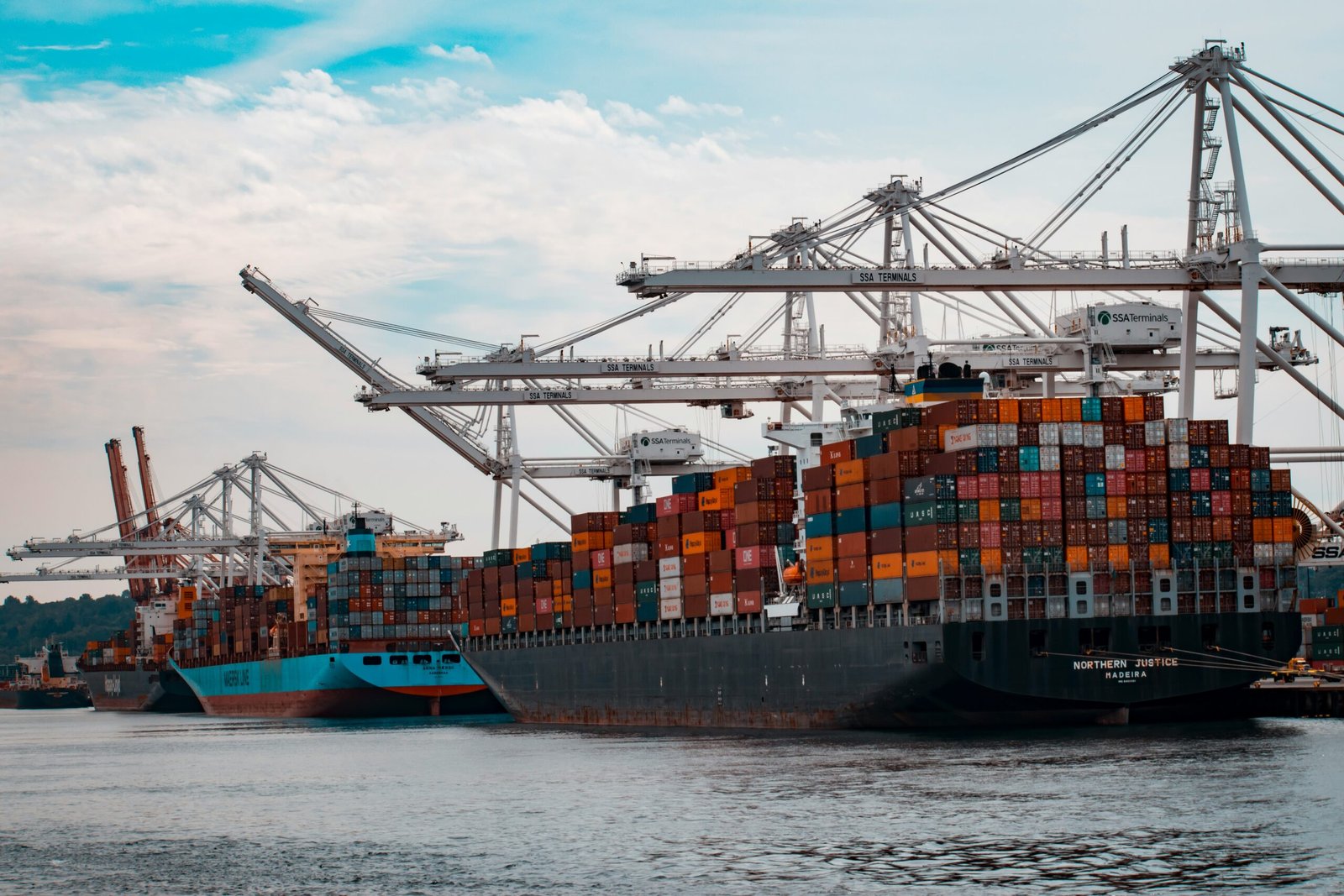
Container traffic tells a similar story of momentum, if still modest in scale. Gwadar Port handled around 11,000 containers in April 2026 alone — more than the roughly 8,300 containers the port processed across the whole of 2025, according to figures cited at the summit.
The port’s berths can accommodate Panamax-class vessels of up to 5,000 TEU with a 12-metre draft, leaving room to grow container throughput well beyond current volumes if cargo keeps arriving at this pace.
Strait of Hormuz Tensions Are Reshaping Shipping Patterns
Yu Bo linked the cargo increase directly to instability around the Strait of Hormuz, the narrow waterway through which a large share of Middle East oil and trade normally passes. “Global trade and supply chains are undergoing profound changes,” he told the summit, pointing to shipping-safety concerns and shifting Middle East geopolitics that have made shippers more cautious about routing cargo through the strait.
Gwadar’s location on the Arabian Sea, outside the strait itself, has made it a more attractive alternative for some Iran-bound and regional cargo. That said, US secondary sanctions on Iran continue to create legal uncertainty for companies moving goods along the new transit routes, a complication that could temper how quickly volumes scale up.
Modest Revenue, Bigger Ambitions
COPHC’s own projections put annual revenue from the expanded transit trade — spanning logistics, warehousing, trucking and port handling fees — at $24-32 million once the routes are fully utilised. That is a small fraction of the up to $25 billion in annual economic impact that Pakistani officials have floated for Gwadar’s long-term potential, a gap our earlier coverage examined in detail.
Pakistan’s Ministry of Maritime Affairs and the Gwadar Port Authority have both backed COPHC’s incentive push with operational support, and further upgrades to customs facilitation, road networks and multimodal infrastructure are reportedly underway to keep pace with the new traffic.
What It Means for Gwadar’s Trajectory
Three months of data is not proof that Gwadar has solved the volume problem that has held it back for a decade. But the combination of a functioning Iran transit corridor, rising container numbers and a geopolitical tailwind from Hormuz-related disruption gives the port a genuine, verifiable growth story for 2026 — one built on regulatory changes and shipping data rather than long-range promises.
Whether the momentum holds will depend on factors outside Gwadar’s control, from the durability of Hormuz-related shipping diversions to how sanctions risk is managed along the Iran transit routes. For now, the numbers point in the right direction.
Frequently Asked Questions
What is the Gwadar-Gabd corridor?
It is an 87-kilometre overland route connecting Gwadar Port directly to the Pakistan-Iran border, part of six transit routes opened under the Transit of Goods Through Pakistan Order 2026. It cuts transit time to 2-3 hours versus 16-18 hours via the older Karachi-Taftan route.
How much cargo has Gwadar Port handled recently?
COPHC reported approximately 200,000 tonnes of transit breakbulk cargo over the three months to early August 2026, alongside roughly 11,000 containers in April 2026 alone.
Why is Gwadar Port seeing more transit traffic now?
Trade facilitation measures introduced in April 2026, combined with shippers diverting some cargo away from the Strait of Hormuz amid regional tensions, have pushed more Iran-bound and transit trade through Gwadar.
Are there risks to this growth continuing?
Yes. US secondary sanctions on Iran create legal uncertainty for cargo moving along the new transit routes, and current volumes remain small relative to Gwadar’s stated long-term potential.
What vessels can Gwadar Port currently handle?
The port can accommodate Panamax-class vessels of up to 5,000 TEU with a 12-metre draft.