
Pakistan’s Planning Commission convened a preparatory session in Islamabad on August 27 ahead of the 9th Joint Working Group (JWG) meeting on Gwadar under the China-Pakistan Economic Corridor, bringing officials from the Gwadar Development Authority and Gwadar Port Authority together to line up the agenda for talks with Chinese counterparts the following week.
The session, chaired by Planning Commission Secretary Dr. Muhammad Tahir Noor, is the clearest signal yet of what Islamabad intends to push for in the next formal round of Gwadar-focused negotiations: an expanded hospital, a bigger push on vocational training, a new fishing harbor at West Bay, and continued work on the port’s free zone, airport link and water supply. The preparatory meeting was reported by The Daily CPEC and CPEC Info.
Port, Free Zone and the Airport Link
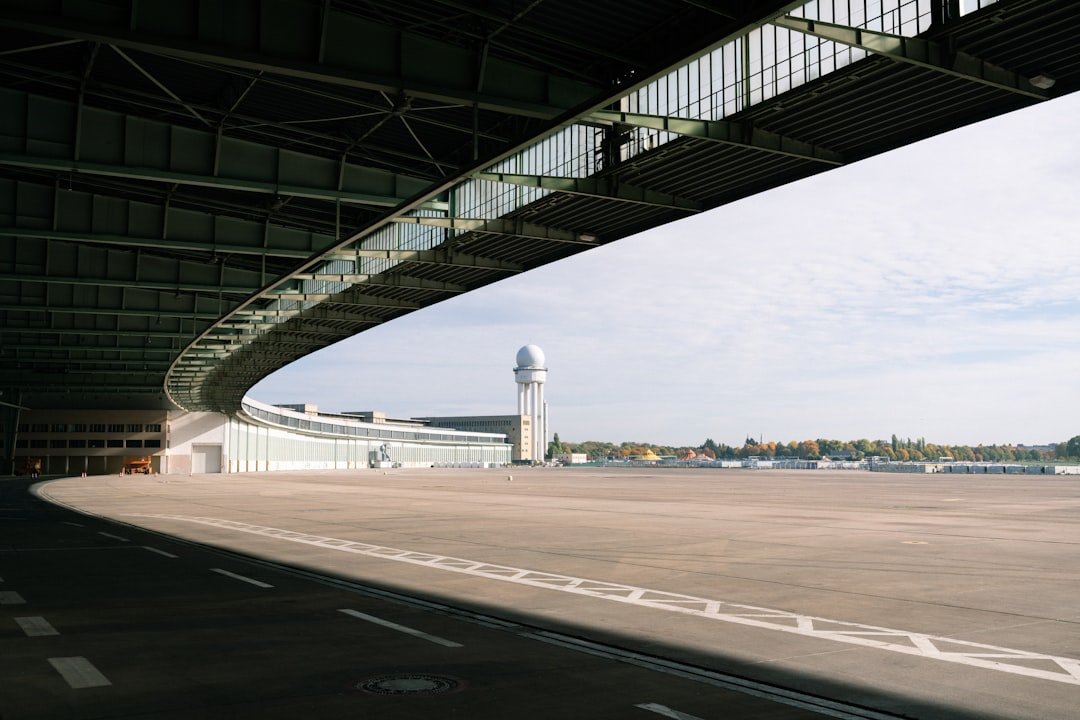
Officials used the session to review progress on the projects that have anchored Gwadar’s CPEC portfolio for a decade: the Gwadar Port and Free Zone, where Phase-I is complete and Phase-II remains under development, the New Gwadar International Airport, and the East Bay Expressway connecting the two. Also on the list were the Pak-China Technical and Vocational Institute, ongoing water supply and desalination work, and the Gwadar Smart Port City Master Plan, which sets out a development roadmap for the city running to 2050.
None of these are new commitments — a government progress report reviewed by this site last week put 45 CPEC projects nationwide at a combined $25.61 billion completed, while flagging Gwadar’s hospital and vocational institute specifically as behind schedule. The preparatory meeting suggests those delays are now a formal agenda item rather than a footnote.
The East Bay Expressway is a useful illustration of how slowly these links have come together. Its first phase — 19 kilometres, built by China Communications Construction Company under a 2017 contract — was inaugurated in June 2022. A second, 13.8-kilometre phase connecting the expressway to the New Gwadar International Airport was approved on a roughly Rs 30 billion budget, funded almost entirely by a Chinese grant, with construction assigned to China Harbour Engineering Company. Officials at the preparatory session did not give a fresh timeline for finishing that second phase, underscoring why it remains a standing item on the JWG agenda rather than a closed file.
A Bigger Push on Healthcare and Skills
The Gwadar Development Authority used the session to formally propose expanding the Pak-China Friendship Hospital to 300 beds, alongside new medical and nursing colleges attached to the facility — a significant scale-up from the hospital project as originally planned. The proposal directly addresses a gap this site has previously reported on: a shipping-industry official’s complaint, cited in our coverage of the port’s operational bottlenecks, that a lack of trained local labor was holding back Gwadar’s ability to attract shipping lines.
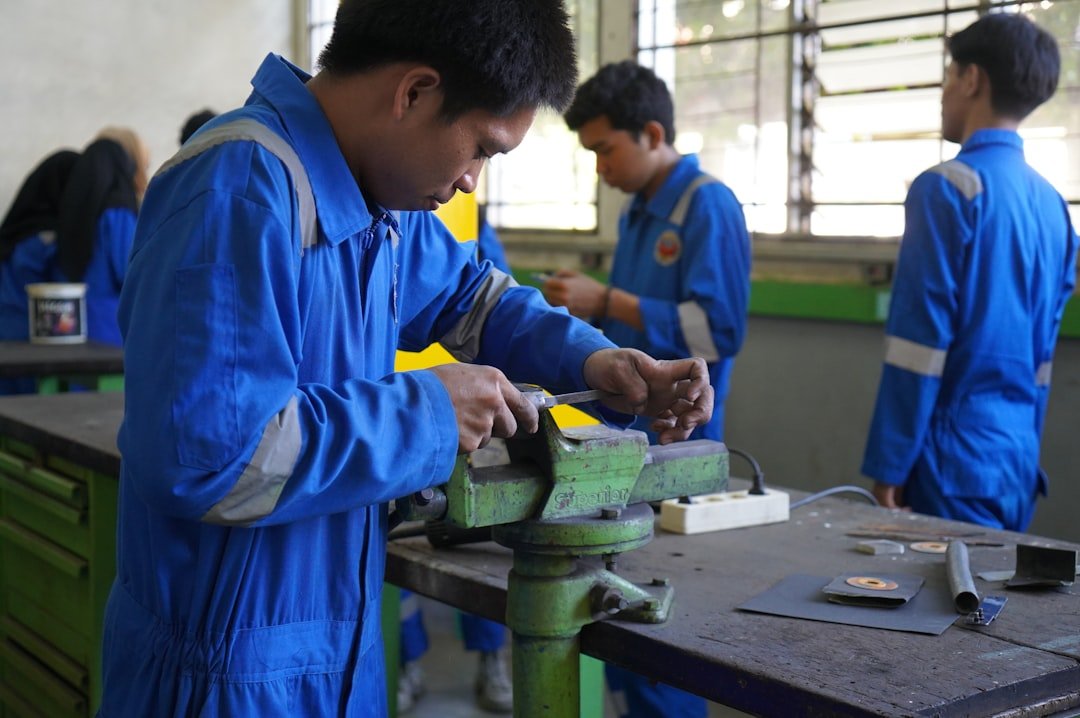
The Pak-China Technical and Vocational Institute — the facility meant to train that local workforce — was also reviewed. It was among the projects ProPakistani’s government-document review named as delayed since disruptions dating back to the COVID-19 period, and its completion timeline was not stated in the reporting on this preparatory session.
Fishing Communities Get a New Harbor Proposal
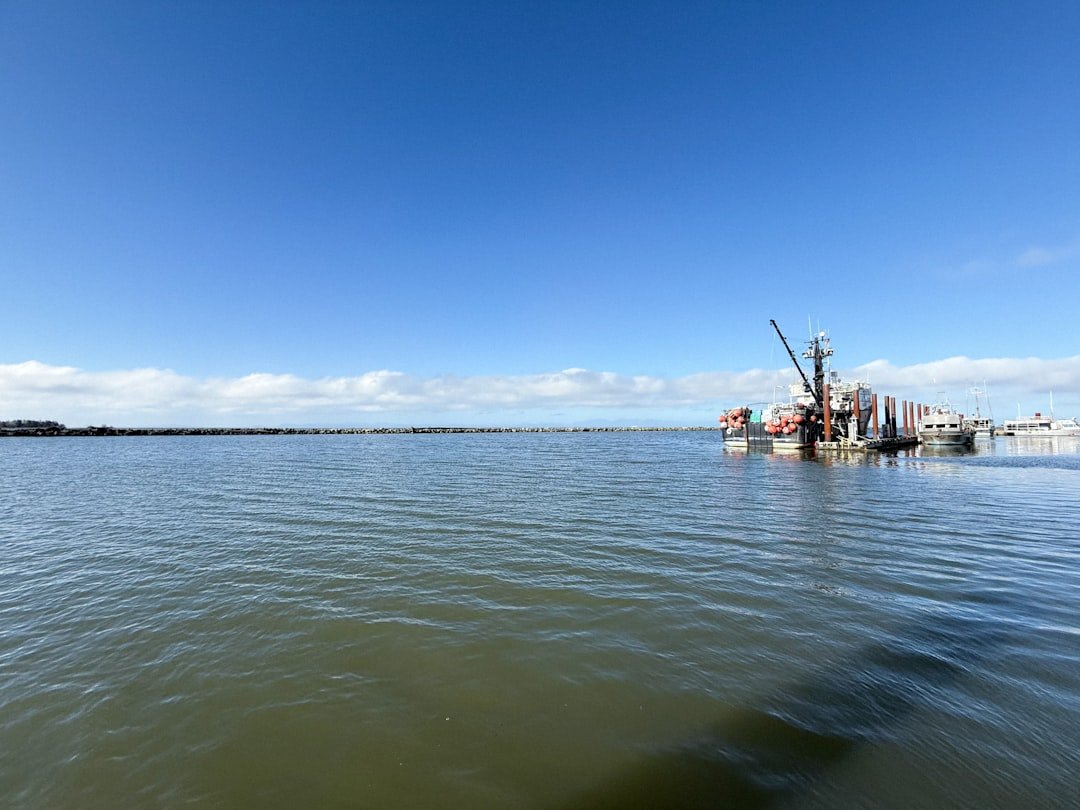
A newer element on the agenda: a proposal to develop a modern fish landing jetty, fish harbor and boat-building industry at Gwadar’s West Bay, in the Padi Zir area. If it moves forward, the project would sit alongside the 2,970-home fishermen’s housing scheme already planned on 200 acres as one of the few CPEC-linked initiatives aimed squarely at Gwadar’s traditional fishing communities, rather than at port throughput or transit trade.
Local fishermen have periodically raised concerns that port and Free Zone development has encroached on traditional fishing grounds without matching investment in their own infrastructure; a dedicated jetty and harbor at West Bay would be a direct response to that long-standing grievance, though neither report on the preparatory session gave a timeline or cost estimate for the proposal.
Breakwater, Dredging and What Comes Next
For the port itself, officials identified breakwater construction, channel dredging and expanded industrial water supply as the next priorities — infrastructure aimed at deepening Gwadar’s berths and improving vessel access, an issue that has surfaced before in industry complaints about the port’s draft limitations. That work would build on recent operational gains: Gwadar Port’s transit cargo volumes passed 200,000 tonnes earlier this year amid shipping disruptions in the Strait of Hormuz, and the port has also begun commercial bunkering operations in recent months.
The Bigger Picture
The preparatory meeting comes as Islamabad and Beijing continue framing Gwadar as central to what officials call “CPEC 2.0” — the corridor’s shift from infrastructure-building toward trade and commerce. But provincial lawmakers and independent reporting have repeatedly noted that Gwadar’s own social infrastructure — hospitals, training institutes, water supply — has lagged the port and highway projects that dominated CPEC’s first phase. The agenda set out at this preparatory session, if carried through to the full 9th JWG meeting, would mark an attempt to close that gap rather than simply add to the port’s throughput numbers.
Neither The Daily CPEC nor CPEC Info reported a confirmed date for the full 9th JWG session beyond “the coming week,” and no outcome from that meeting had been published in either outlet’s coverage as of this report. Gwadar Post will follow up once the formal talks conclude and outcomes are announced.
[…] airport.” The airport’s status was also reviewed as part of preparatory talks ahead of the 9th CPEC Joint Working Group meeting on Gwadar, underlining how closely its progress is tied to the broader corridor […]