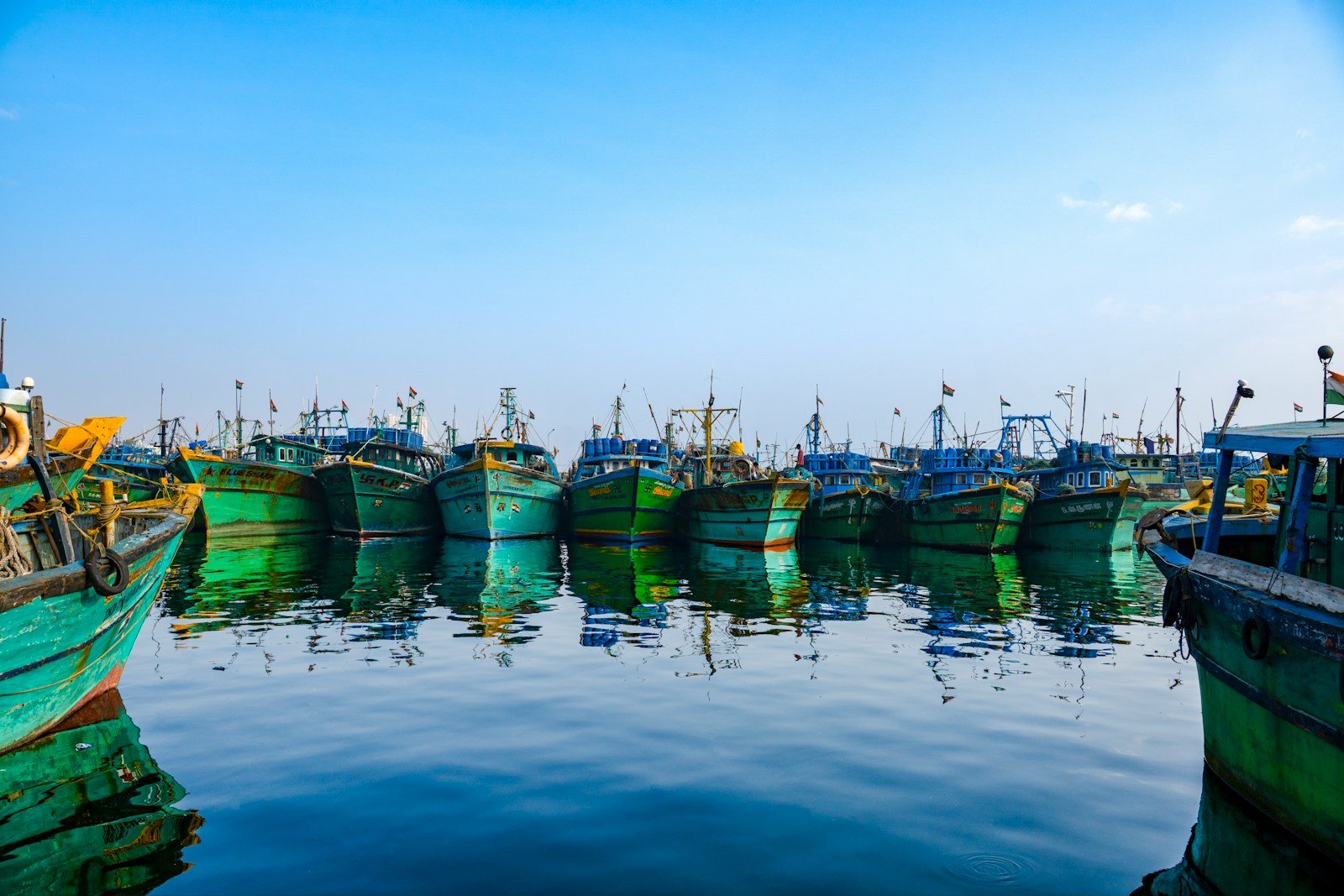
Gwadar’s fishing community is set to get a formal hearing on the law that governs its livelihood. A Balochistan Assembly standing committee reviewing amendments to the province’s Fisheries Act will travel to Gwadar on October 3, giving working fishermen and sector stakeholders a direct say in a legislative process usually confined to Quetta, according to fisheries officials and local reporting.
Balochistan holds close to three-quarters of Pakistan’s coastline — roughly 770 of the country’s more than 1,000 kilometers — and its coastal communities have long argued that this maritime geography has translated more readily into deep-sea port ambitions than into direct economic gains for the people who actually fish those waters. The Fisheries Act rewrite, and the decision to hold part of the review process in Gwadar rather than only in the provincial capital, is one of the more concrete tests of whether that balance is shifting.
A Standing Committee Meets Gwadar’s Fishermen
The October 3 session was confirmed after a preparatory meeting at the Fisheries Office in Gwadar between local representatives and fisheries officials, the Daily Independent reported on September 24. That meeting brought together Wasim Samad, an aide to Gwadar’s MPA Maulana Hidayat-ur-Rehman Baloch; Naseeb Nosherwani, chairman of the Sarbandan Union Council and a fishermen’s representative; Director Fisheries Ahmed Nadeem; Assistant Director Shah Fahad; and other fisheries department officials.
Samad said the views of local fishermen and “ground realities” should be factored into the legislative process — a line that captures the core tension of the exercise. A bill being drafted in the provincial assembly will, at least in part, be shaped by testimony gathered on Gwadar’s own docks and jetties.
The hearing builds on earlier movement on the same law. Balochistan’s fisheries legislation had already begun taking shape earlier this month alongside a boat registration drive in Gwadar, a formalization step that typically precedes stronger regulatory enforcement and is often a prerequisite for fishermen to access official support schemes.

Image: Unsplash / Dylan Gillis (representative image)
Small Grievances, a Familiar Pattern
The same local delegation attending the October 3 hearing has also been raising narrower, more immediate complaints. At Sarbandan, a fishing community within Gwadar’s union council system, Samad and Nosherwani flagged two unresolved problems to the Gwadar Development Authority (GDA): a water tank under construction at a site they say is unsuitable, and a fishermen’s shelter being built at the Sarbandan jetty without the no-objection certificate the project requires.
GDA Chief Engineer Haji Syed Muhammad told the delegation both matters would be examined and that corrective steps would follow, the Daily Independent reported. No public timeline was given for either fix.
The complaint sits against an uneven record on basic water infrastructure in Gwadar. The city has made genuine progress at the system level — treated capacity has risen sharply as part of the broader desalination-led turnaround in Gwadar’s water supply — but delivery to individual neighborhoods, particularly fishing settlements on the city’s margins, still depends on siting and construction decisions made case by case, often without much visibility for the residents affected.
Image: Unsplash / William Dmytrow (representative image)
The National Push Behind the Local Meeting
The Gwadar hearing is a local chapter of a wider national push to formalize Pakistan’s fisheries sector. Federal Maritime Affairs Minister Muhammad Junaid Anwar Chaudhary said in August that a National Fisheries and Aquaculture Policy was being finalized with the goal of unlocking up to $10 billion in sector potential, alongside a “one-window operation” modeled on Khidmat Centres and meant to cut through the procedural delays that fishermen and small operators currently face when dealing with government departments.
The ministry has also flagged Gwadar specifically in that push. A 100-acre off-dock terminal is being developed at Gwadar Port to support trade with Central Asian markets and strengthen regional cargo-handling capacity, while a $3 million Global Environment Facility project is under way on marine biodiversity protection and sustainable fishing practices along the coast. Read together, the pieces suggest a strategy that treats Gwadar’s fishing economy and its port-driven “blue economy” ambitions as connected priorities rather than competing ones — at least on paper.
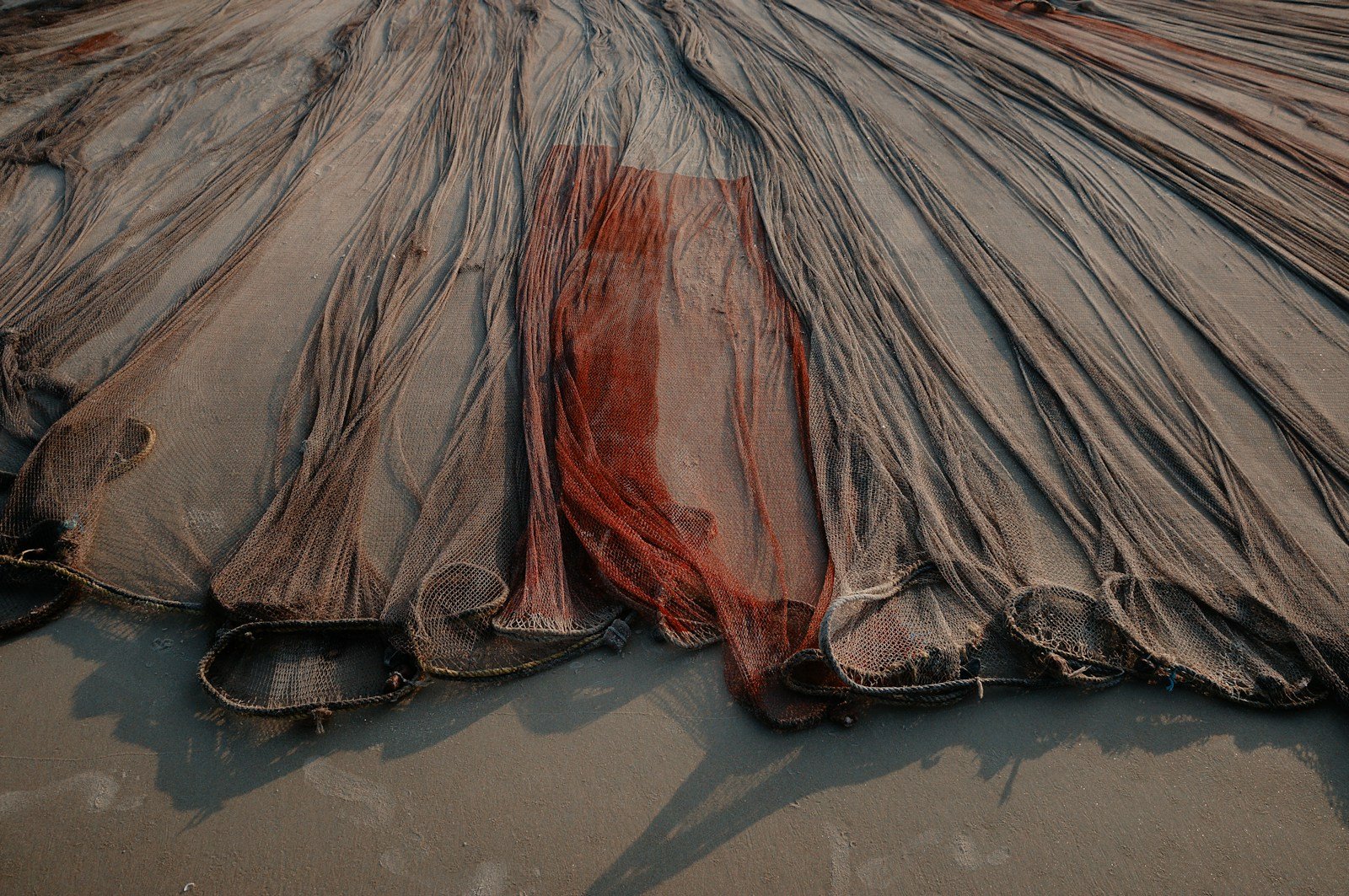
Image: Unsplash / Murugavel Oli (representative image)
From Boat Registration to a Seat at the Table
For Gwadar’s fishermen, the Fisheries Act debate is arriving alongside — not instead of — other recent, smaller gains. Surbandar’s fish auction hall reopened this month with new boat platforms approved, and thousands of households are still waiting on plots under the Rs2.44 billion fishermen housing scheme announced for the city. None of these initiatives alone resolves the sector’s long-standing complaints about underinvestment relative to Gwadar Port’s profile, but together they point to a shift from headline announcements toward the slower, more granular work of registration drives, committee hearings and site-specific infrastructure fixes.
Whether that shift shows up in the amended Fisheries Act itself will depend on what fishermen and officials actually put on the record on October 3 — and on how much of it survives the drafting process once the committee returns to Quetta.
What Happens Next
The standing committee’s Gwadar session is scheduled for October 3. Officials have not said whether the hearing will be open to the public or when a revised bill might go before the full Assembly. The GDA’s promised review of the Sarbandan water tank site and the jetty shelter’s no-objection certificate has also not been given a public deadline. Gwadar Post will follow up on both once outcomes are confirmed.
This report draws on reporting from the Daily Independent (September 24, 2026), a related Daily Independent report on Sarbandan’s infrastructure issues, and The Nation’s coverage of federal fisheries policy.