Four highways meant to knit Balochistan into the rest of Pakistan’s road network — and, by extension, into Gwadar Port’s hinterland — have drawn Rs54.9 billion in releases and expenditure against a combined allocation of Rs83.2 billion, according to official documents reviewed in an October 10 report. The figures, covering projects built under the Public Sector Development Programme since 2020-21, show roughly two-thirds of planned funding has reached the ground so far, with an outstanding gap of about Rs28.3 billion.
The four roads together span 718 kilometers and sit on what planners call CPEC’s Western Alignment — the corridor meant to route China-Pakistan Economic Corridor traffic through Balochistan’s interior rather than concentrating it on the more developed eastern provinces. For a city like Gwadar, whose port authorities and foreign shippers have repeatedly flagged weak inland connectivity as a drag on cargo volumes, progress on these roads is less a headline than a slow-moving precondition.

Four Roads, One Corridor
The funding breakdown, drawn from PSDP records covering fiscal years 2020-21 through 2026-27, shows uneven progress across the four projects:
| Project | Length | Allocation | Released / Spent | Share |
|---|---|---|---|---|
| Hoshab–Awaran (M-8) | 146 km | Rs18.30bn | Rs9.75bn | ~53% |
| Awaran–Naal (M-8) | 168 km | Rs27.28bn | Rs20.45bn | ~75% |
| Basima–Khuzdar (N-30) | 106 km | Rs13.75bn | Rs12.97bn | ~94% |
| Zhob–Kuchlak (N-50) | 298 km | Rs23.85bn | Rs11.71bn | ~49% |
The spread is notable. Basima–Khuzdar, the shortest of the four at 106 kilometers, has drawn nearly 94 percent of its allocated funds — close to completion in financial terms. Zhob–Kuchlak, the longest stretch at 298 kilometers linking northern Balochistan toward the Afghan border region, has received under half of its allocation, leaving the biggest absolute funding gap of the group at roughly Rs12.1 billion.
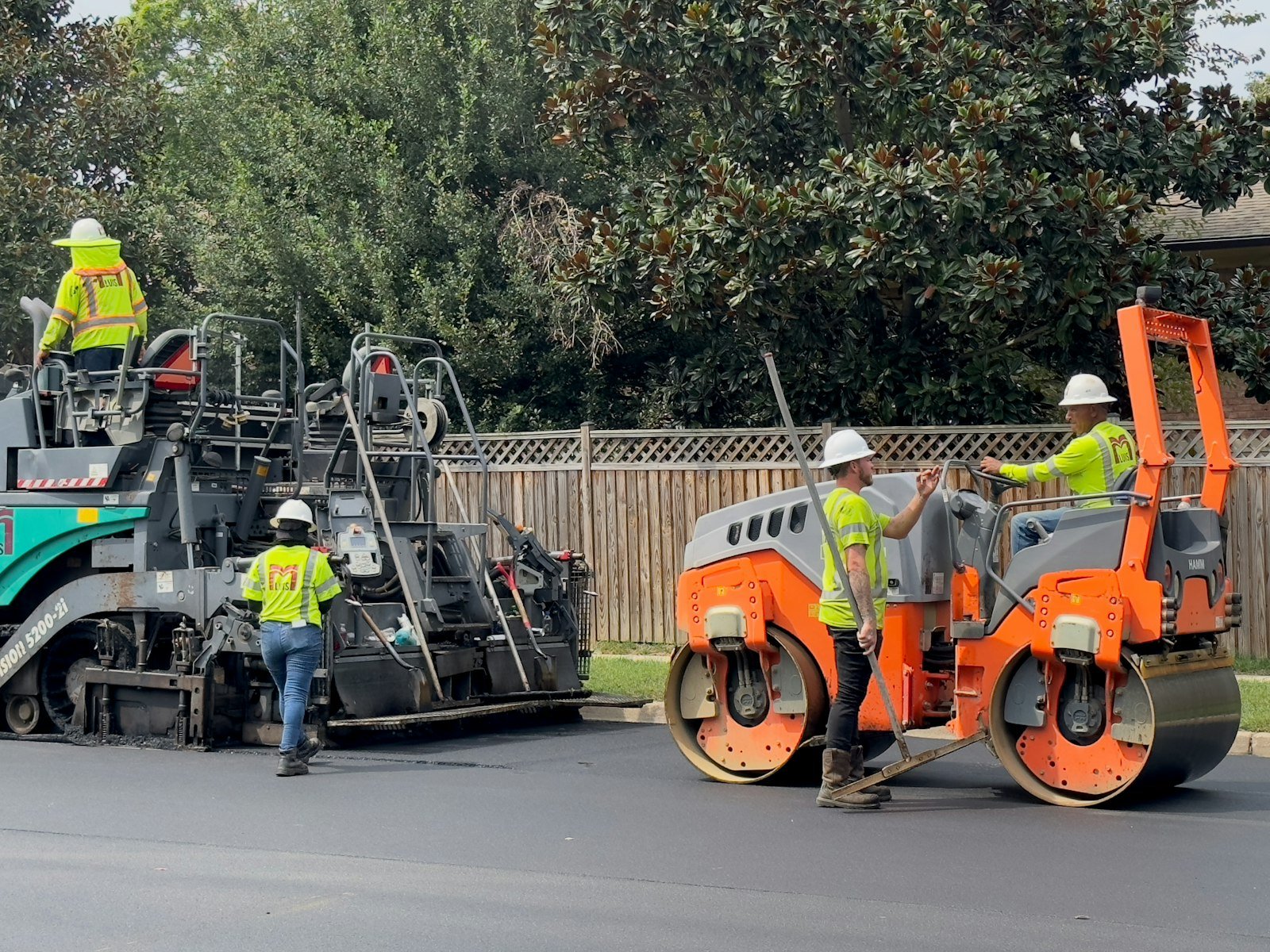
Why the Western Route Matters for Gwadar
CPEC’s road network is generally described in three or four alignments: a Common Alignment of 983 kilometers, a Western Alignment of 1,511 kilometers, a Central Alignment of 1,440 kilometers, and an Eastern Alignment of 1,709 kilometers. The Western Alignment — the one carrying the four projects in this report — was conceived specifically to pull investment and transit traffic into Balochistan and the country’s least-developed districts, rather than leaving the corridor to bypass them in favor of faster eastern routes through Punjab and Sindh.
That design intent connects directly to a problem Gwadar Port Authority and Pakistan Customs have been trying to address for cargo moving toward Iran: a port is only as useful as the roads feeding it. Industry analysts have pointed out that Gwadar’s commercial case rests less on its coastal geography near the Strait of Hormuz than on whether goods can move in and out of it cheaply and predictably — and an unfinished, partially funded highway network through the province it sits in is exactly the kind of gap that keeps shipping lines cautious.

Part of a Larger, Uneven Build-Out
These four highways are not the only CPEC road work underway in the province; separate PSDP tranches have funded dozens of smaller link roads across Balochistan over the past several years, part of a broader push described by federal planners as giving the province “special priority” within CPEC’s second phase. But the scale of the Hoshab–Awaran, Awaran–Naal, Basima–Khuzdar and Zhob–Kuchlak projects — and the fact that two of the four are still short of even half their funding — illustrates why officials and analysts continue to describe CPEC’s second phase as a pivot still finding its footing rather than a finished build-out.
The road funding also lands alongside other infrastructure pushes the district has reported this year, including a fast-tracked rehabilitation plan for Gwadar’s Old Town and continuing disputes over land in Gwadar’s New Town — a reminder that the port’s development and the province’s underlying road and land infrastructure are being built out on parallel, not always synchronized, timelines.

What to Watch Next
The reviewed documents do not give a completion timeline for any of the four roads, nor do they break down what is causing the slower pace on Zhob–Kuchlak and Hoshab–Awaran specifically — whether funding releases, contractor progress, land acquisition or security considerations along the routes. The clearer markers to watch are whether the Rs28.3 billion funding gap narrows in the next PSDP cycle, and whether Balochistan’s road completions translate into measurable gains in the inland cargo volumes that Gwadar Port has struggled to attract.
Sources: Official PSDP and CPEC alignment documents reviewed in an October 10, 2026 report by the Associated Press of Pakistan (APP), alongside GwadarPost’s own prior reporting on Gwadar Port’s customs arrangements, CPEC 2.0, and Gwadar’s Old Town and New Town infrastructure, linked throughout this article.