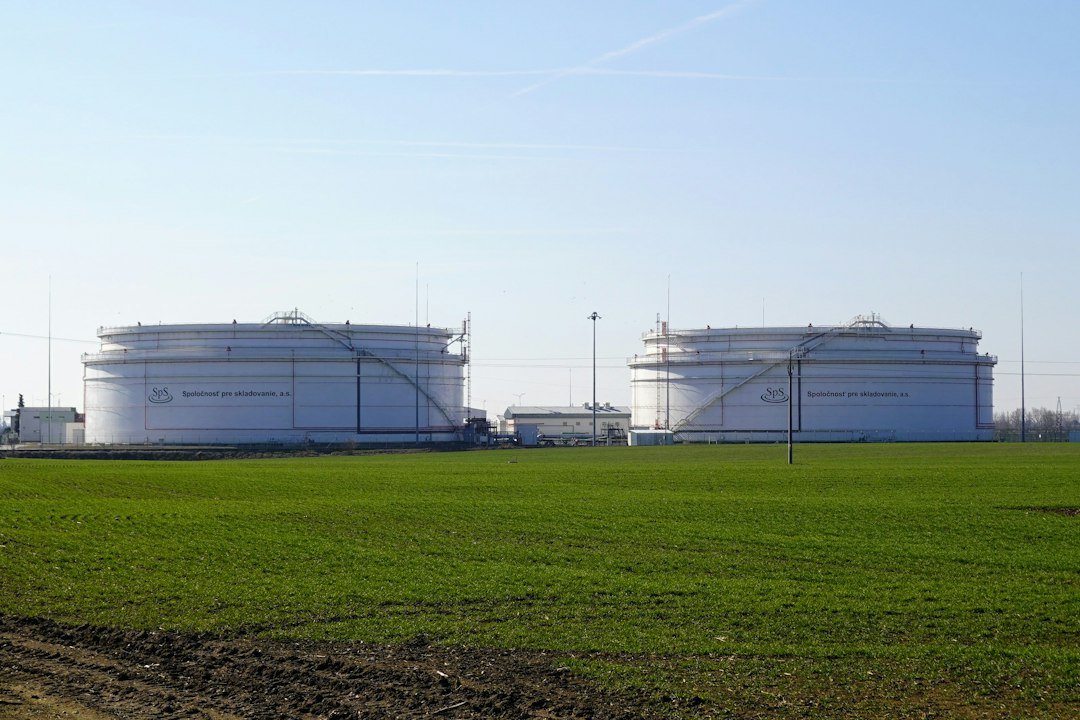
Islamabad — Pakistan and Saudi Arabia have agreed to deepen cooperation on oil storage, refining and mineral investment, with talks in Islamabad centred on a proposed petroleum storage and refining complex at Hub, a coastal town in Balochistan roughly 40 kilometres from Karachi. The meeting, held on October 30 between Pakistan’s Petroleum Minister Ali Pervaiz Malik and new Saudi Ambassador Dr Rajeh bin Tami Al-Baqami, produced no signed financing agreement, but officials on both sides described it as a step toward turning Balochistan’s coastline into a wider energy gateway for the region.

A Complex Built for Supertankers
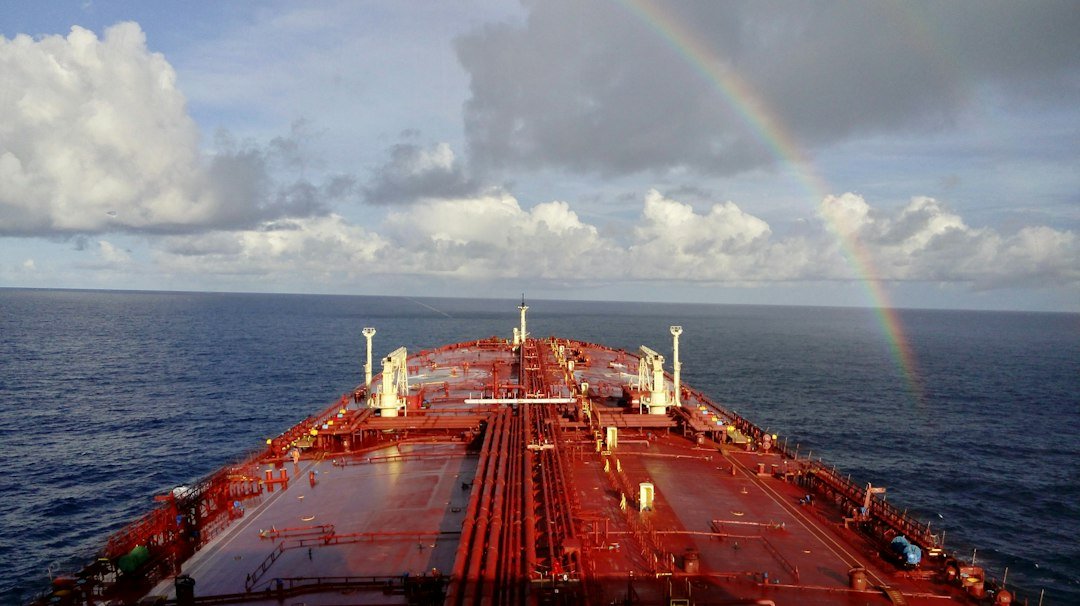
The plan under discussion envisions a large-scale storage and refining facility capable of handling Very Large Crude Carriers (VLCCs), the supertankers most Gulf refineries and import terminals are built around. According to Pakistani officials, the project would include offshore single-point mooring infrastructure, pipeline networks, bonded storage terminals and, eventually, refining capacity. Technip Energies UK has been providing technical guidance on the design.
Pakistan currently has no strategic petroleum reserves, a long-standing vulnerability that has left the country exposed during past global supply disruptions. Officials say the Hub facility is meant, in part, to close that gap while positioning Pakistan as a transshipment and storage point for crude and refined products moving toward China and Central Asia — language that echoes the broader ambitions Islamabad has attached to CPEC Phase-II investment pledges across the province.
Riyadh’s Role: Crude Supply, LPG and Refinery Upgrades
Saudi Arabia’s side of the discussion centred on Saudi Aramco rather than a direct government commitment. Pakistani officials said talks touched on increasing crude purchases coordinated through Aramco, along with dedicated LPG shipments to help cover an expected rise in winter gas demand. Pakistani authorities also thanked Saudi officials at the port of Yanbu for prioritising crude shipments bound for Pakistan.
A second strand of discussion involved refinery modernisation. Saudi investors were invited to take part in upgrading Pakistani refineries to Euro-5 fuel standards, a shift that would cut vehicle emissions but requires significant capital that domestic refiners have struggled to raise on their own. No contract values, volumes or binding commitments were disclosed following the meeting, and Aramco itself has not publicly confirmed a role in building or operating the Hub complex.
A Tax-Free Storage Model Borrowed From Fujairah and Singapore
To make the Hub project attractive to Gulf investors, Pakistan is offering what officials describe as a tax-neutral bonded storage policy, modelled on established transshipment hubs such as Fujairah in the UAE and Singapore. Under this arrangement, Saudi companies would be able to hold commercial crude and product reserves on Pakistani soil without incurring local tax liability, with duties applied only if stored product enters Pakistan’s domestic market. Re-export would remain untaxed, mirroring the logic that has made those two hubs central nodes in global oil trading.
Officials say the approach is designed to let Pakistan compete for regional storage and blending business it has historically lost to better-established ports, while also giving the country a buffer of readily accessible fuel in an emergency.
Part of a Broader Pakistan-Saudi Push on Energy and Minerals
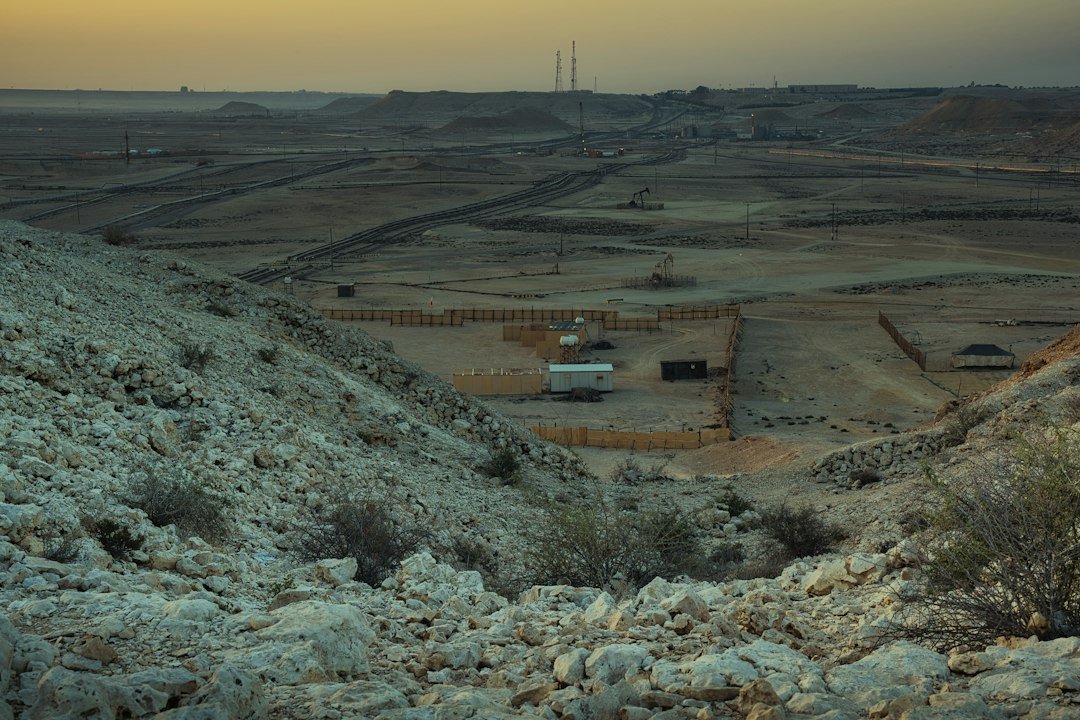
The Hub Balochistan proposal is only one piece of a wider diplomatic push. Pakistani officials said the project has backing from Prime Minister Shehbaz Sharif, and Saudi Arabia’s Vice Minister of Mining, Khalid Al-Mudaifer, has been invited to attend the Pakistan Minerals Investment Forum (PMIF 2026) in Islamabad on November 12–13, where Balochistan’s mineral wealth — including the Reko Diq and Saindak copper and gold deposits — is expected to feature prominently.
Separately, the Saudi embassy in Islamabad has introduced same-day visa processing for Pakistani citizens, a goodwill measure announced alongside the energy talks rather than a condition tied to them. Earlier Saudi diplomatic engagement on energy matters involved Saudi Energy Minister Prince Abdulaziz bin Salman, underscoring that the Hub discussions sit within a longer-running bilateral relationship rather than a standalone announcement.
How It Fits Into Balochistan’s Wider CPEC Story
For Balochistan, the proposal adds an energy dimension to a development push that has so far centred on ports, roads and mining. Gwadar, roughly 300 kilometres west of Hub along the same coastline, remains the flagship of that effort under Gwadar’s 10-year Smart Port City master plan, while Islamabad has separately pursued a sister-port arrangement linking Gwadar with Oman’s Sohar port. A Gulf-backed oil storage and refining hub at Hub would, in theory, complement both efforts by giving the province a third economic anchor tied to energy rather than shipping or trade alone.
Analysts and local officials have repeatedly cautioned, however, that announcements of this kind in Balochistan have a mixed record of translating into completed infrastructure, given the province’s security challenges and the slow pace at which earlier CPEC-linked projects have moved from announcement to construction. The October 30 meeting produced no public timeline, construction schedule or storage-capacity figures, and officials on both sides described the talks as exploratory rather than final.
What Happens Next
The next concrete marker will be the Pakistan Minerals Investment Forum in Islamabad on November 12–13, where Saudi officials are expected to engage further on both minerals and energy cooperation. Whether the Hub, Balochistan complex moves from diplomatic discussion to a funded project will likely depend on the outcome of those talks and on whether Saudi Aramco makes any formal commitment in the months ahead.
Quick Facts
- What: Proposed oil storage and refining complex at Hub, Balochistan
- Talks held: October 30, 2026, Islamabad
- Key officials: Petroleum Minister Ali Pervaiz Malik; Saudi Ambassador Dr Rajeh bin Tami Al-Baqami
- Technical partner: Technip Energies UK
- Design target: Capable of handling Very Large Crude Carriers (VLCCs)
- Storage model: Tax-neutral bonded storage, modelled on Fujairah and Singapore
- Backing: Reported support from PM Shehbaz Sharif
- Next milestone: Pakistan Minerals Investment Forum, Islamabad, November 12–13, 2026
- Financing status: No binding investment or financing agreement announced yet
Sources: Dawn, “Pakistan, Saudi Arabia agree to boost cooperation in oil, refineries and minerals” by Khaleeq Kiani (October 30, 2026); Pakistan Observer, “Saudi Aramco eyes opportunities as Pakistan plans Mega Oil Hub in Balochistan” (October 31, 2026).