Pakistan’s central planning body has cleared a Rs29 billion scheme to pipe water from Mirani Dam to Gwadar, sending the project to the Executive Committee of the National Economic Council (ECNEC) for final sign-off — a step that puts a long-awaited fix for the port city’s chronic water shortage back on the national agenda.
The Central Development Working Party (CDWP), chaired by Deputy Chairman of the Planning Commission Ahsan Iqbal, approved the “Construction of Water Supply Scheme to Gwadar Town from Mirani Dam under Balochistan Socio-Economic Development Projects Phase-III” at a meeting on August 30-31, 2026, according to reporting by Dawn, The Nation, ProPakistani and other Pakistani outlets. It was one of five development schemes worth a combined Rs60.259 billion cleared or advanced at the session.
What the CDWP Approved
The scheme’s stated purpose, per official documentation cited by The Nation, is to “provide a sustainable water supply to Gwadar through the construction of the required water supply infrastructure and allied facilities.” Because of its size, the project could not be approved outright by the CDWP and has instead been referred to ECNEC, the higher body that signs off on major national development spending.
To avoid losing time, Iqbal allowed the project to move ahead to the bidding stage immediately — but with a firm condition: no contract can be awarded to a contractor until ECNEC formally approves the scheme. That keeps the project on a faster track without pre-empting ECNEC’s authority over how the money is ultimately spent.
Why Gwadar Is Still Chasing Its Water Supply
Gwadar’s water problem is not new, and Mirani Dam is not a new answer to it. The dam, built by WAPDA on the Dasht River in Kech district near Turbat, was inaugurated in November 2006 with drinking water for Turbat and Gwadar explicitly named as one of its objectives alongside irrigation. Two decades on, the city that CPEC has turned into Pakistan’s flagship deep-sea port project is still relying on a patchwork of tankered water, small dams and desalination plants to get by, with piped supply from Mirani Dam never fully realized at the scale the port city now needs.
That gap matters more with each passing year, as new housing schemes, an international airport and port operations described in our coverage of Gwadar’s port development bottlenecks add to demand on a coastal town that has almost no fresh groundwater of its own. The Rs29 billion scheme is explicitly framed as part of Phase III of the Balochistan Socio-Economic Development Projects, the same broader programme funding schools, hospitals and housing works tied to CPEC’s social development track.
A Warning About Gwadar’s Coastline
Approving the water scheme came with a pointed environmental instruction. Iqbal directed the Balochistan government to carry out a dedicated study on wastewater treatment for Gwadar, warning, in remarks reported by both Dawn and ProPakistani, that the city “shouldn’t be allowed to become another Karachi, with sewage polluting the sea.”
The concern is a practical one as much as an environmental one. More piped water into homes and businesses means more wastewater flowing out, and Gwadar currently has limited treatment capacity to handle it before it reaches the Arabian Sea. That directly affects the fishing communities profiled in our report on the Gwadar fishermen housing scheme, whose livelihoods depend on a clean coastline and healthy fish stocks. Planners appear to be trying to get ahead of that trade-off this time, tying the sanitation study to the water project rather than treating it as an afterthought.
Part of a Bigger Rs60 Billion Package
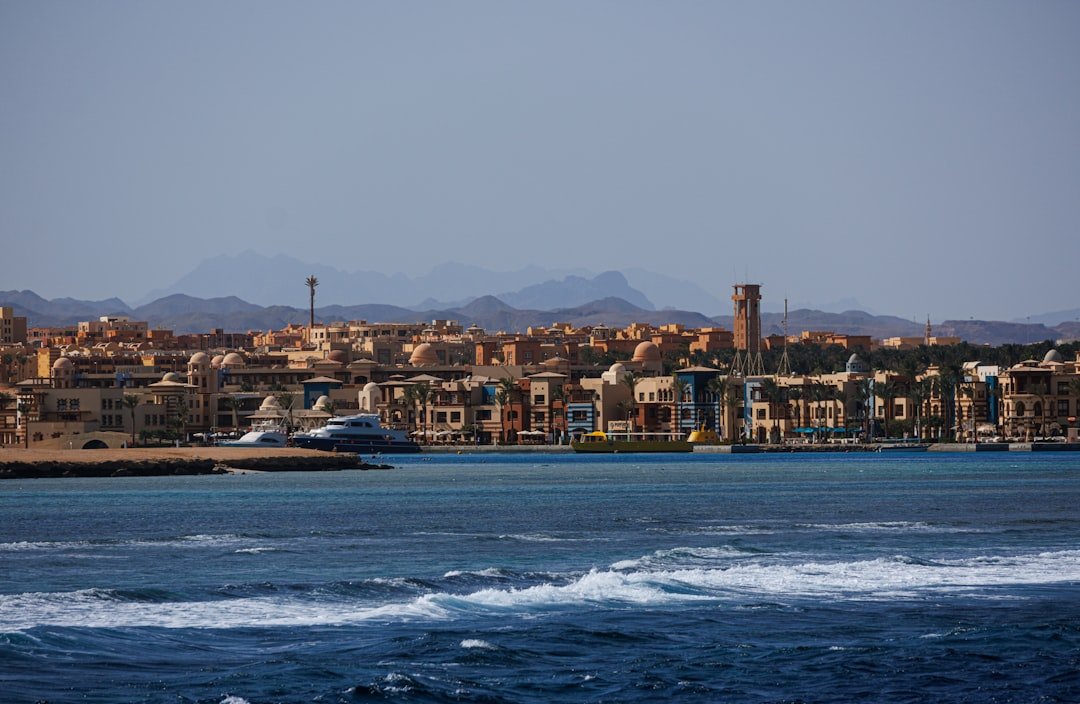
The Gwadar scheme was the largest single item in a five-project package the CDWP considered. The other four were:
- Karachi Neighbourhood Improvement Project — Rs19.545 billion, partly financed through an $85 million World Bank loan, also referred to ECNEC because of its size and foreign financing component.
- Medical and Nursing College, Gilgit — Rs4.924 billion, approved directly by the CDWP.
- Zera to Daboori Road, Orakzai district — a 53.4-kilometre road project worth Rs4.037 billion, approved directly.
- NDU Faculty of Contemporary Studies campus, Defence Complex Islamabad — Rs2.753 billion, approved directly.
Only the Gwadar water scheme and the Karachi housing project were large or complex enough to require ECNEC’s separate approval; the other three cleared the CDWP outright. That puts Gwadar’s water future in the hands of the same apex economic body that has previously signed off on CPEC-linked infrastructure discussed in our report on CPEC 2.0 and Gwadar Port’s expanding role in Pakistan’s trade strategy.
What Happens Next
With CDWP clearance in hand, the project can now proceed to inviting bids from contractors — but nothing is finalised. ECNEC still has to approve the scheme’s cost and scope before any contract is signed, and no public timeline has yet been given for when ECNEC will take it up or when construction, let alone completion, might follow. Given the pace of past CPEC-linked social sector projects in the region — a pattern our earlier report on delays affecting Gwadar’s hospital and vocational institute documented in detail — residents and officials alike will be watching for how quickly the remaining approvals move.
Frequently Asked Questions
What is the CDWP?
The Central Development Working Party is the Planning Commission body that reviews and approves public sector development projects below a certain cost threshold, or recommends larger ones onward to ECNEC.
What is ECNEC?
The Executive Committee of the National Economic Council is the top government forum for approving major, high-cost national development projects, typically chaired by the finance minister.
Doesn’t Mirani Dam already supply water to Gwadar?
Mirani Dam was built with supplying Gwadar and Turbat as one of its stated goals when it was completed in 2006, but a dedicated, adequately sized pipeline and distribution network to Gwadar Town was never fully built out, leaving the city reliant on tankers, small local dams and desalination plants to fill the gap.
When will Gwadar residents see new piped water from this scheme?
No official completion date has been announced. The project still requires ECNEC approval before any construction contract can be awarded, so a firm timeline is not yet available.
Sources
- Dawn: “Central Development Working Party clears five projects worth over Rs60 billion”
- ProPakistani: “CDWP Approves Rs. 60 Billion Development Projects”
- The Nation: “CDWP clears 5 development projects worth Rs60.26 billion”
- ICCI Islamabad: “CDWP Clears Rs60bn Development Projects as Gwadar Plan Advances”
- Wikipedia: Mirani Dam