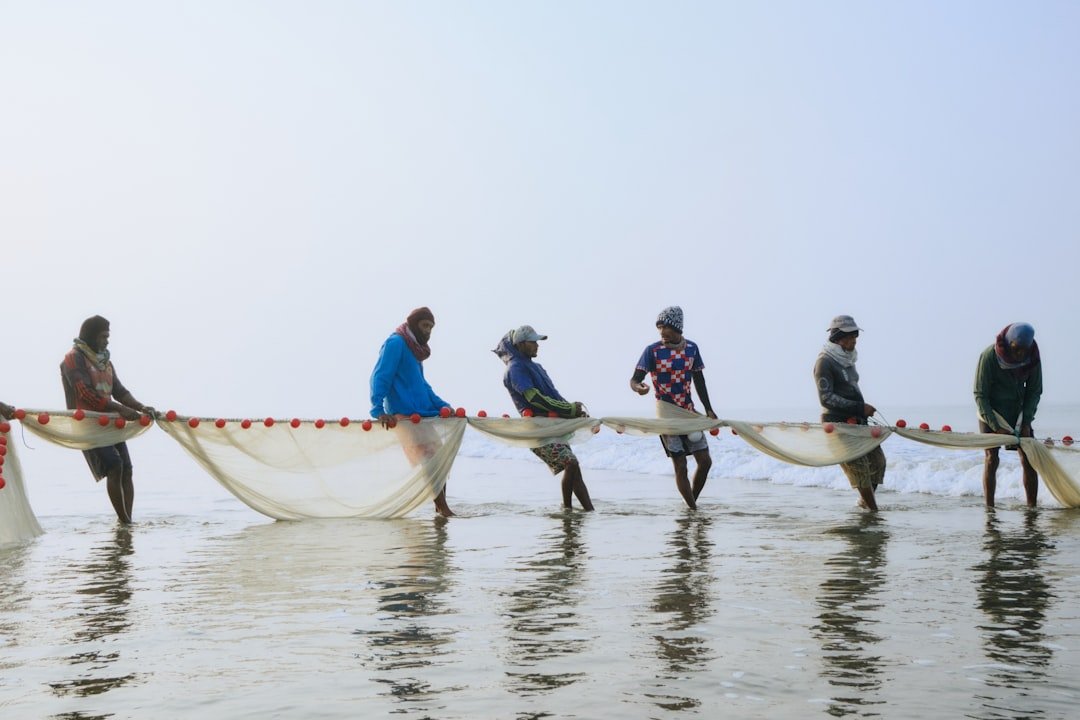
Balochistan’s government has begun laying the groundwork for a large low-cost housing scheme for Gwadar’s fishing community, a project officials say is worth roughly Rs2.44 billion and will eventually house thousands of families who have long lived on the margins of the port city’s development boom.
The scheme was publicly welcomed this month by the Pakistan-China Joint Chamber of Commerce and Industry (PCJCCI), whose leadership described it as evidence that the benefits of the China-Pakistan Economic Corridor (CPEC) are starting to reach the communities living closest to Gwadar Port itself.
A Rs2.44 Billion Plan for Gwadar’s Fishing Families
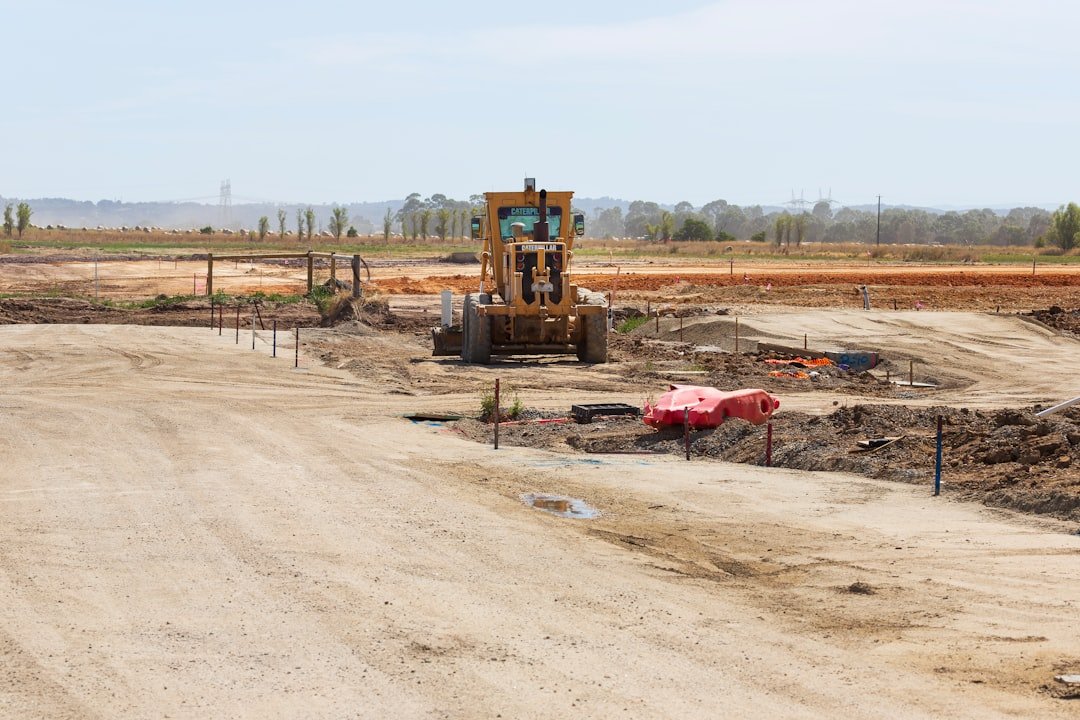
According to details reported by Business Recorder and the Associated Press of Pakistan (APP), the Government of Balochistan has allocated more than 200 acres of land near the intersection of Jiwani and Awaran Avenues, close to the Gwadar Sports Complex, for the housing project. The plan calls for approximately 2,970 residential plots of 120 square yards each, aimed specifically at low-income fishermen and their families.
Officials cited by both outlets put the estimated cost of the scheme at Rs2.44 billion. Land demarcation work has already been initiated, though neither report gave a firm construction start date or completion timeline.
Who Is Behind the Scheme
The project is being developed by the provincial government, with PCJCCI framing itself as a supporter and advocate rather than a funder. PCJCCI President Nazir Hussain called the initiative “a landmark step towards inclusive development, social welfare, and the long-term success of the China-Pakistan Economic Corridor,” adding that it reflects the government’s commitment to ensuring CPEC’s gains reach ordinary residents and “improve their quality of life, strengthen social stability, and create an enabling environment for sustainable economic growth.”
PCJCCI Vice President Amir Ali said secure housing was essential for “improving education, healthcare access, and living standards for thousands of families,” while the chamber’s Commercial Ambassador, Adeel Munawar, said the scheme shows how CPEC infrastructure can deliver “tangible social and economic benefits” beyond ports and highways. Secretary General Salahuddin Hanif said he was confident the project would “uplift local livelihoods” and help strengthen public confidence in CPEC.
Part of a Bigger CPEC Push — But Trust Still Has to Be Earned
The housing scheme comes as Islamabad pushes what it is calling “CPEC 2.0,” a shift in emphasis from big-ticket infrastructure toward trade, industry and — at least on paper — social development. Gwadar Port has featured prominently in that pivot: transit cargo volumes recently topped 200,000 tonnes over three months, and federal planners have been fast-tracking projects under the CPEC 2.0 commerce push.
But Gwadar’s fishing communities have not always felt like beneficiaries of that growth. Earlier this year, fishermen in Balochistan’s coastal belt protested new security restrictions they said were limiting their access to traditional fishing grounds, and independent reporting has repeatedly documented friction between port expansion, land allocation and the livelihoods of families who depended on that coastline long before CPEC arrived. Our own coverage of Gwadar Port’s development bottlenecks has noted that big promises in Gwadar have historically taken years to translate into results on the ground — a gap local residents are well aware of.
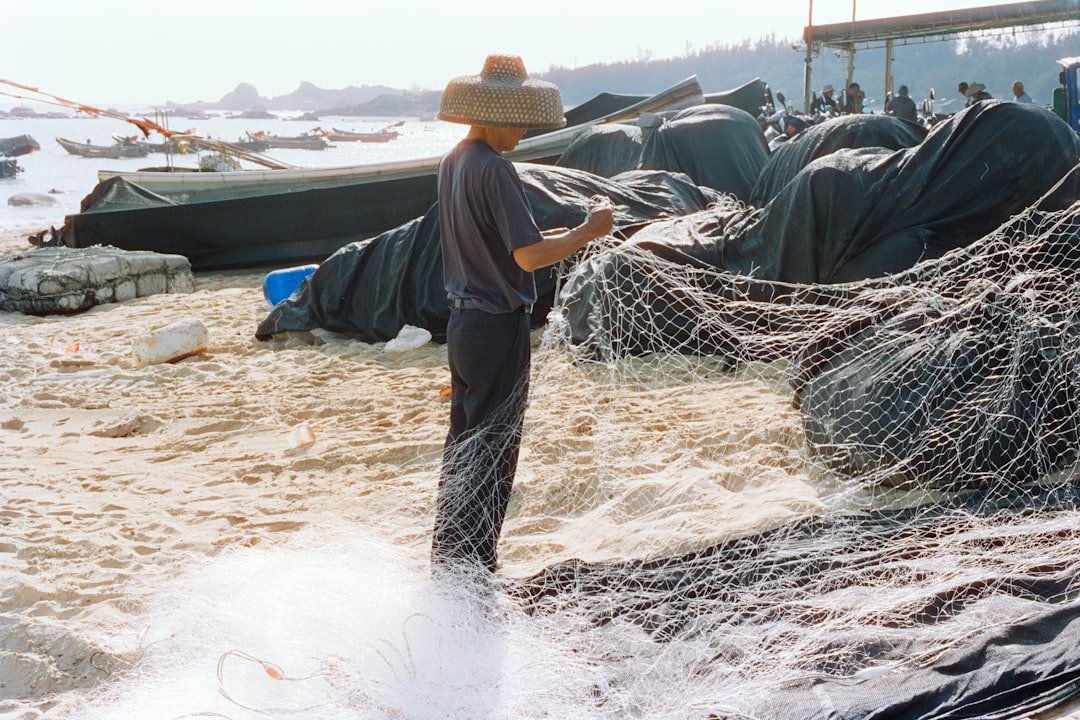
That history is part of why officials and chamber representatives have been careful to frame the housing scheme in terms of trust-building as much as construction. Fishing remains one of the few livelihoods available to a large share of Gwadar’s original population, most of whom were not absorbed into the port’s formal economy in significant numbers. A visible, funded commitment to permanent, secure housing — rather than another announcement — is what will determine whether this scheme is remembered differently from past pledges.
What Happens Next
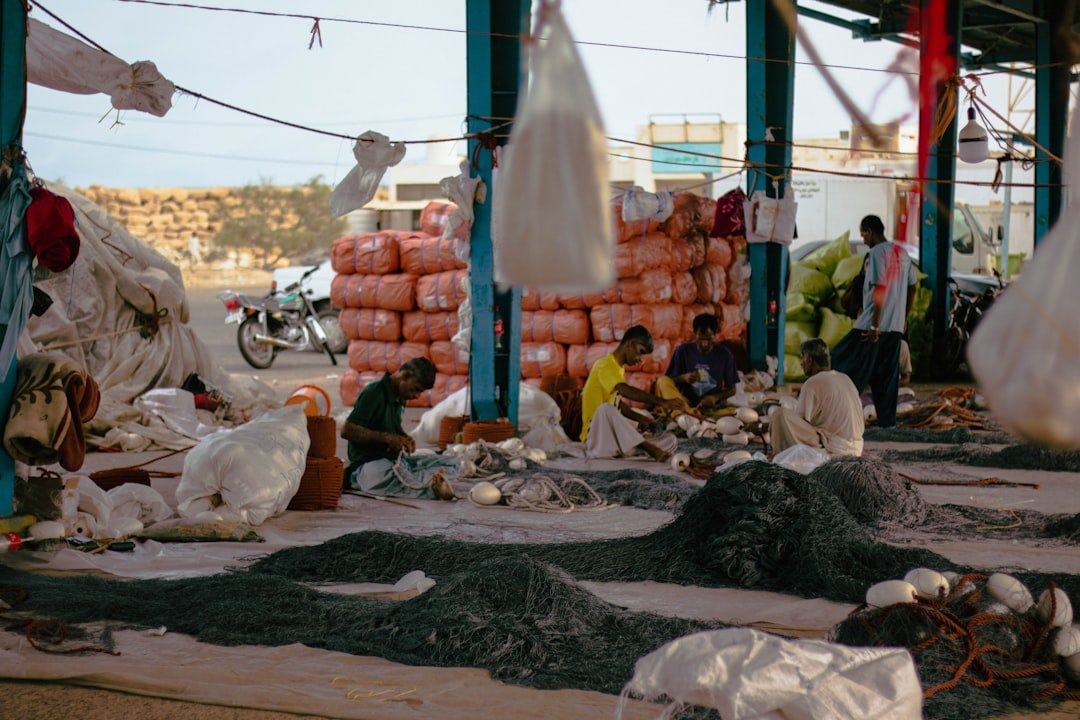
For now, the concrete, verifiable facts are limited to what the Balochistan government and PCJCCI have confirmed: land demarcation on the 200-plus-acre site has begun, roughly 2,970 plots are planned, and the estimated project cost stands at Rs2.44 billion. Neither the provincial government nor PCJCCI has published a construction schedule, a list of eligibility criteria for beneficiary families, or details of how the project will be financed beyond the initial cost estimate.
Gwadar Post will continue to track the scheme as those details emerge, including whether construction begins on the announced timeline and how many families are ultimately housed under the plan.
Why It Matters
Gwadar’s transformation into a trade and logistics hub has, for two decades, been measured mostly in cargo tonnage, investment figures and infrastructure milestones. A dedicated housing scheme for the city’s fishing community — if it is built as announced — would be one of the more direct social investments tied to the CPEC-era development push, and a rare instance of local residents, rather than shipping lines or industrial investors, named as its primary beneficiaries.
Frequently Asked Questions
How many homes are planned under the Gwadar fishermen housing scheme?
Officials have cited approximately 2,970 residential plots of 120 square yards each, spread across more than 200 acres near Jiwani and Awaran Avenues in Gwadar.
Who is funding the Gwadar fishermen housing project?
The scheme is a Government of Balochistan initiative. The Pakistan-China Joint Chamber of Commerce and Industry (PCJCCI) has publicly welcomed and advocated for the project but is not reported as a funder.
How much will the housing scheme cost?
The estimated cost reported by officials is Rs2.44 billion.
Has construction started?
As of the latest reports, land demarcation had been initiated, but no construction start date or completion timeline had been announced.