A new government progress report puts the number of completed China-Pakistan Economic Corridor projects at 45, worth a combined $25.61 billion — but the same tally shows some of Gwadar’s own long-promised facilities, including a hospital and a vocational training institute, are still waiting to be finished.
The figures, drawn from government documents reviewed by ProPakistani and corroborated by Energy Update in the last week of August, offer the clearest sector-by-sector breakdown yet of what CPEC has actually delivered — and what remains stuck.
The Numbers: 45 Projects, $25.61 Billion
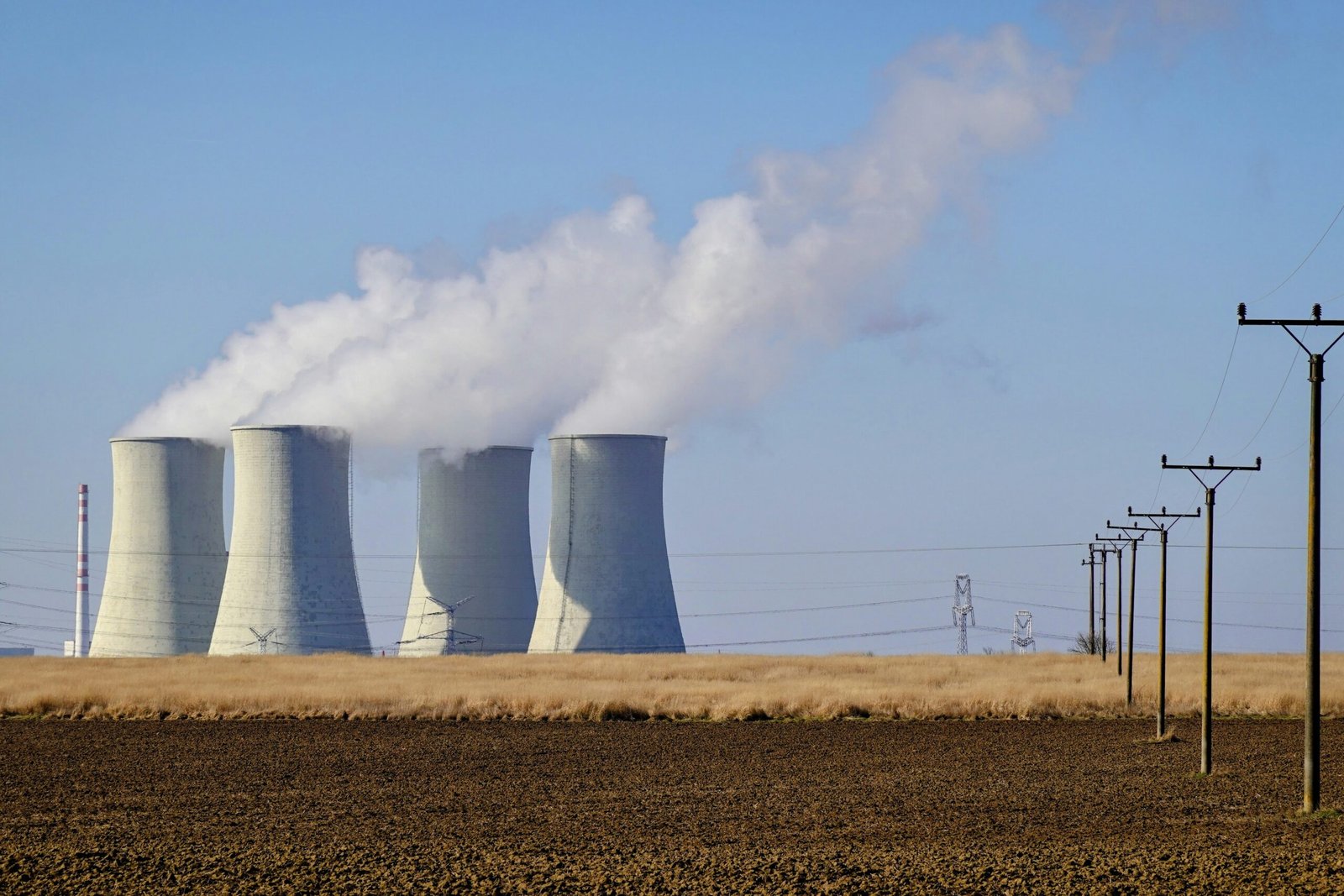
Of the 45 completed schemes, 17 are energy projects, 15 are infrastructure, and 13 fall under economic and social development. Among the largest:
- The Sahiwal and Port Qasim coal power plants — a combined $1.91 billion
- The Suki Kinari Hydropower Project (884 MW) — $1.99 billion
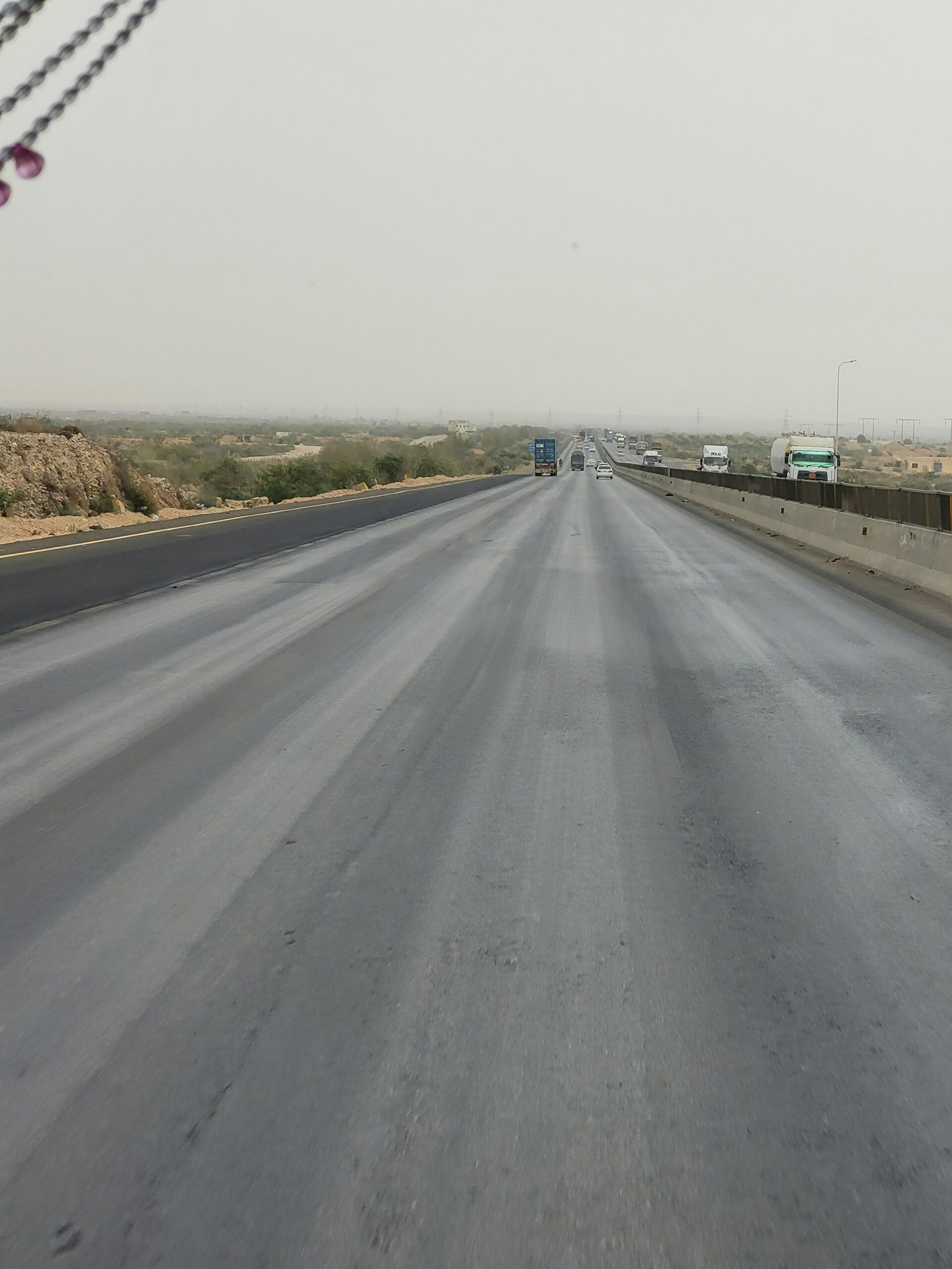
- The Multan-Sukkur Motorway (M-5), 392 kilometres — $2.8 billion
- The Lahore Orange Line Metro, 27 kilometres — $1.6 billion
Together, these four projects alone account for more than $8 billion of the completed total, reflecting CPEC’s first-phase emphasis on power generation and highway construction in Punjab and Sindh.
Gwadar’s Unfinished List
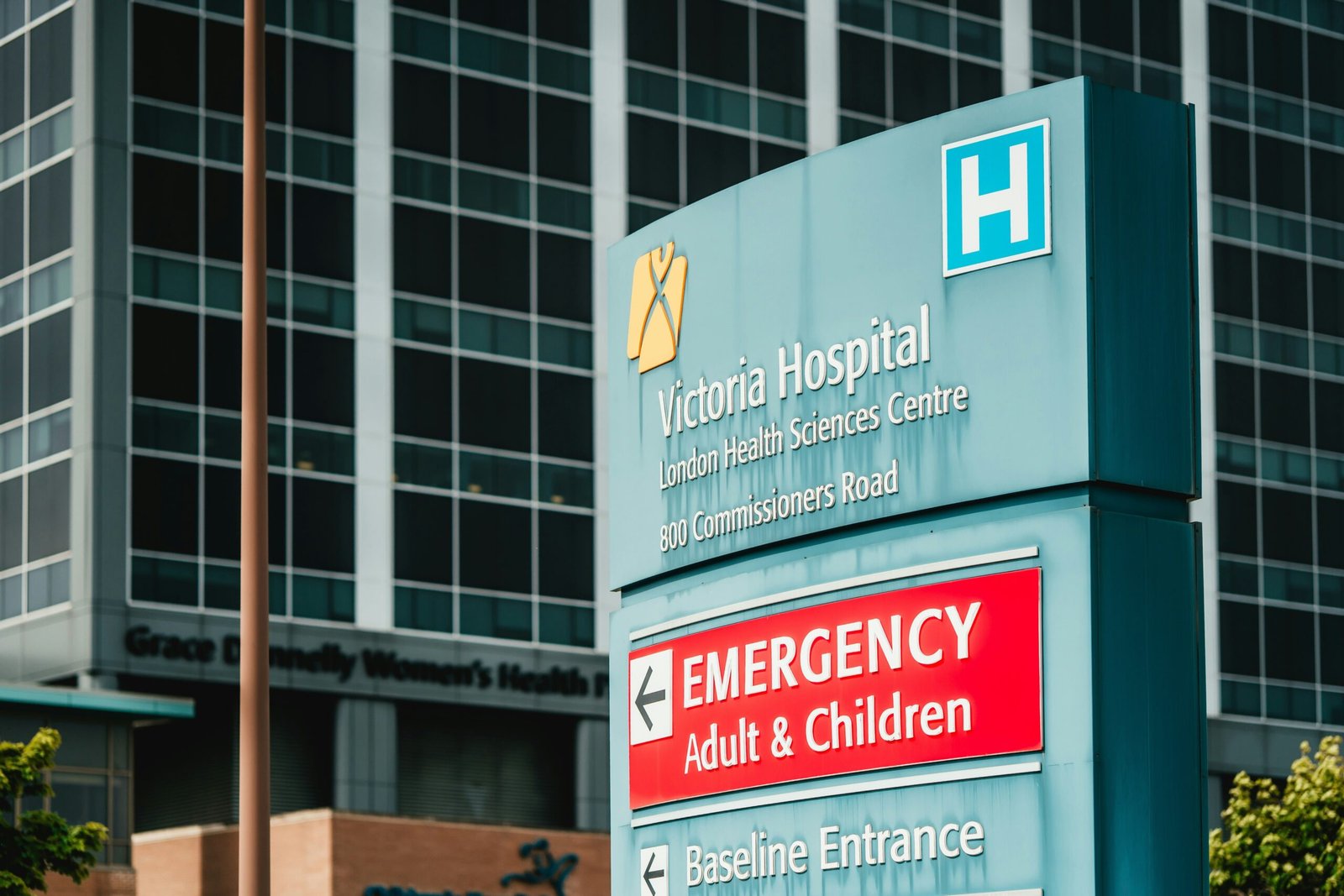
The same report names Gwadar-linked social infrastructure among the schemes still behind schedule. ProPakistani specifically flagged the Gwadar Hospital and Vocational Training Institute as delayed, citing disruptions dating back to COVID-19 restrictions; Energy Update’s review of the same documents similarly noted that “several projects planned for Gwadar” remain incomplete, without further detail.
The two facilities in question — widely known as the Pak-China Friendship Hospital and the Pak-China Technical and Vocational Institute — were designed to address two of the port city’s most persistent gaps: access to modern healthcare, and a trained local workforce for port and Free Zone jobs. That labour shortage has already surfaced as a recurring theme in our earlier reporting on the port’s operational bottlenecks, where a shipping-industry official cited a “lack of trained local labor” alongside Gwadar’s depth constraints as a barrier to attracting shipping lines.
This is not the first time Gwadar-specific delays have surfaced this year. A February 2026 review by Geo News, citing Gwadar Development Authority officials, separately flagged the Gwadar Safe City project, the Eastbay Expressway Phase II linking the new international airport to the port, and planned berth expansion along the port’s shoreline as stalled or slow-moving. Nothing in the August progress report suggests those issues have since been resolved.
Delays Aren’t Unique to Gwadar
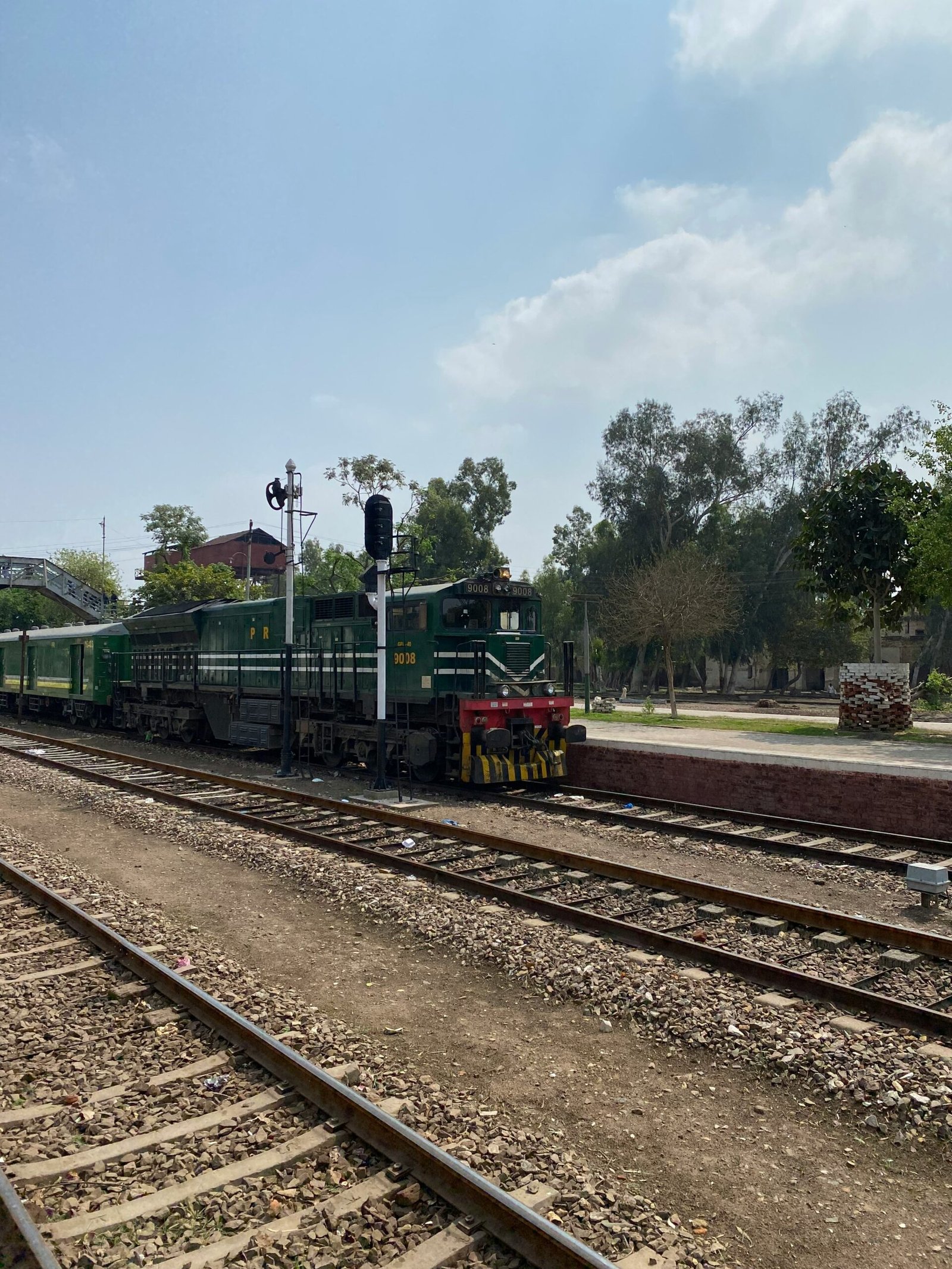
The stalled list extends well beyond Balochistan. The report names the ML-1 railway upgrade (1,733 km, connecting Karachi to Peshawar) as held up by financing and approval delays; the Karachi Circular Railway (43 km) as bogged down after being shifted to a public-private partnership model; and the Dera Ismail Khan-Zhob Highway (210 km) as halted pending a decision on local financing.
Seen against that backdrop, Gwadar’s unfinished projects look less like an isolated failure and more like part of a broader pattern: CPEC’s first-phase construction has consistently outpaced its slower-moving financing and procedural approvals, regardless of province.
Two Different Numbers, One Corridor
Readers may notice this $25.61 billion figure sits close to, but is distinct from, the $25.9 billion cumulative investment figure that Chinese Ambassador Jiang Zedong cited earlier in August — covered in our report on CPEC 2.0’s commerce push. The ambassador’s number reflects total direct investment attracted through the corridor to date; the newer figure reflects the combined cost of the 45 individual projects that government documents classify as fully completed. The two measure related but different things, and neither supersedes the other.
Why the Gap Matters
CPEC’s official messaging this year has increasingly framed its second phase around converting built infrastructure into functioning commerce and jobs, rather than adding more concrete. For Gwadar, that shift makes the completion of “soft” infrastructure — healthcare, skills training, safe-city surveillance, last-mile road links — just as material to the port’s prospects as dredging or berth capacity. A trained workforce and functioning hospital are, after all, part of what would let workers and their families actually stay and build lives around a growing Free Zone, rather than treating Gwadar as a temporary posting.
Whether the still-pending Gwadar schemes move from “delayed” to “completed” in the corridor’s next progress update will be one marker of whether CPEC 2.0’s stated shift from construction to outcomes reaches the province it was, in large part, built to serve.
FAQ
How many CPEC projects have been completed so far?
According to government documents reviewed by ProPakistani and Energy Update in late August 2026, 45 CPEC projects have been completed, worth a combined $25.61 billion across energy, infrastructure, and economic/social development sectors.
Is the $25.61 billion figure the same as CPEC’s total investment?
No. The $25.61 billion figure covers only the 45 projects classified as fully completed. It is separate from the $25.9 billion cumulative direct investment figure cited by China’s ambassador to Pakistan in August 2026, which measures total investment attracted through the corridor to date.
Which Gwadar projects are still delayed under CPEC?
The August progress report names the Gwadar Hospital and Vocational Training Institute among the still-delayed schemes. Earlier reporting this year separately flagged the Gwadar Safe City project, the Eastbay Expressway Phase II, and planned port berth expansion as stalled.
What is the Pak-China Technical and Vocational Institute meant to do?
It is designed to train local residents in Gwadar for skilled employment at the expanding port and its Free Zone, addressing a workforce gap that shipping industry officials have cited as a barrier to attracting international shipping lines.
Sources: ProPakistani, Energy Update, Geo News.
[…] of these are new commitments — a government progress report reviewed by this site last week put 45 CPEC projects nationwide at a combined $25.61 billion completed, while flagging […]