Most of the attention on Gwadar’s trade prospects lands on its berths and container counts. But over the past year, Islamabad has quietly built a second track for getting cargo through the city — not by sea, but overland, through a widening set of desert roads and a reactivated rail line that connect Gwadar and the rest of Balochistan to Iran and, beyond it, to Central Asia. The effort has produced at least one real shipment and a new rail customs station, even as most of the routes drawn up on paper remain largely untested in practice.
Six Routes on Paper
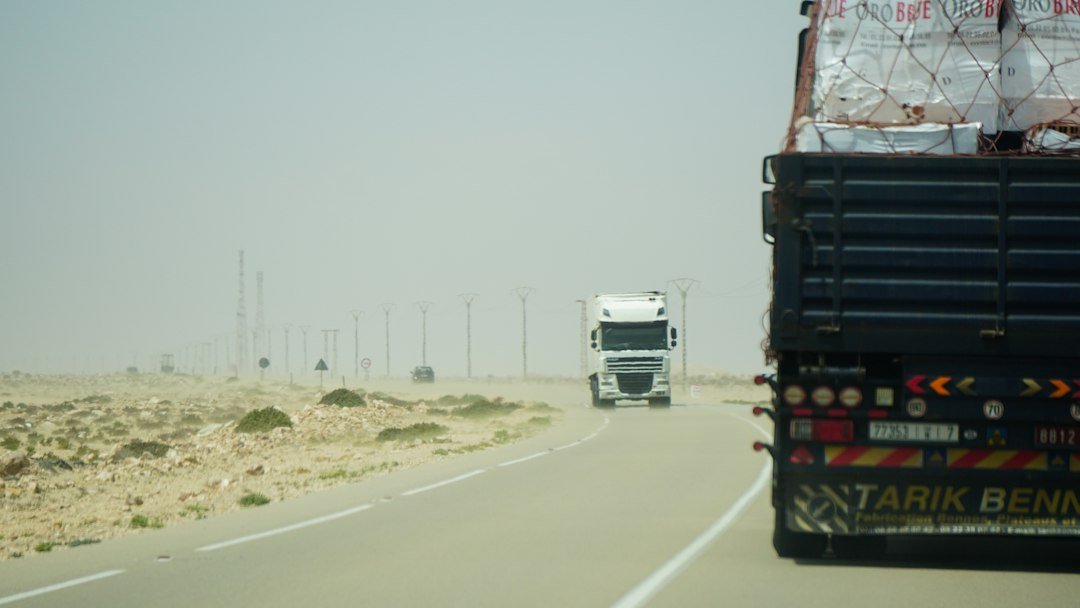
In April 2026, the federal government issued a transit order formally designating Gwadar, Karachi and Port Qasim as entry points for cargo moving onward to Iran, alongside a set of six land corridors through Balochistan. The routes thread through interior towns — Turbat, Panjgur, Khuzdar, Quetta and Dalbandin among them — before reaching one of two border crossings into Iran: Gabd, on Gwadar’s doorstep, or Taftan, further north. The order also defined the customs mechanics meant to make the routes usable, including “cross-stuffing” rules allowing cargo to be transferred between containers or vehicles under Federal Board of Revenue (FBR) supervision, and a requirement that shippers post a financial guarantee equivalent to applicable import levies.
The Corridor That Actually Moved Cargo
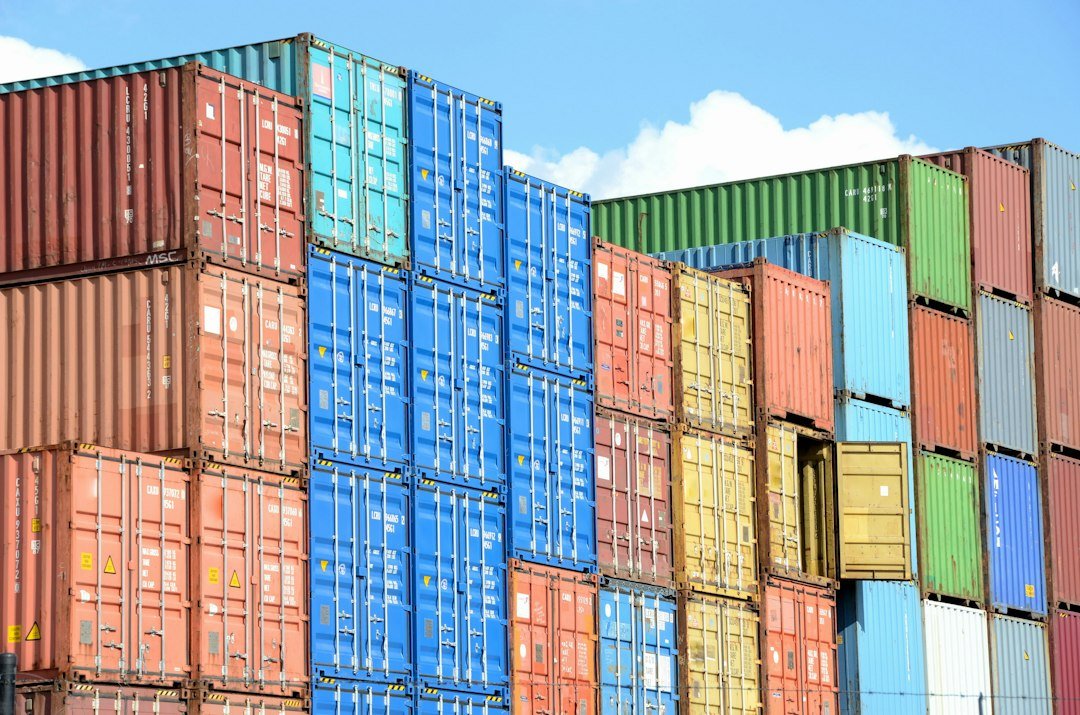
Of the routes named in the order, one has gone further than formal designation. Pakistan’s National Logistics Corporation (NLC) activated the Gabd-Rimdan crossing — between Gabd in Balochistan and Rimdan in Iran’s Sistan-Baluchestan province — for containerised and refrigerated cargo in April 2026, equipping it to operate under the international Transports Internationaux Routiers (TIR) system, which is designed to move goods across borders with fewer stops and less paperwork. The terminal’s first consignment, a shipment of frozen meat, travelled from Karachi through the crossing and on through Iran to Tashkent, marking the first time in years that Pakistani exports to Central Asia moved by this route rather than through Afghanistan.
Industry figures were quick to frame the shipment as more than symbolic. J Hoth, president of the Gwadar Chamber of Commerce and Industry, described it as a milestone and said Gwadar was emerging as a hub linking South Asia with the Middle East and Central Asia, while Federation of Pakistan Chambers of Commerce and Industry president Atif Ikram Sheikh called the corridor’s activation a major achievement for regional trade. The shipment itself, however, originated in Karachi rather than at Gwadar Port — a reminder that Gwadar’s role in this corridor so far is as the border-adjacent gateway and promotional anchor for the route, rather than the point of origin for the cargo moving through it.
A Rail Customs Station Revives Taftan
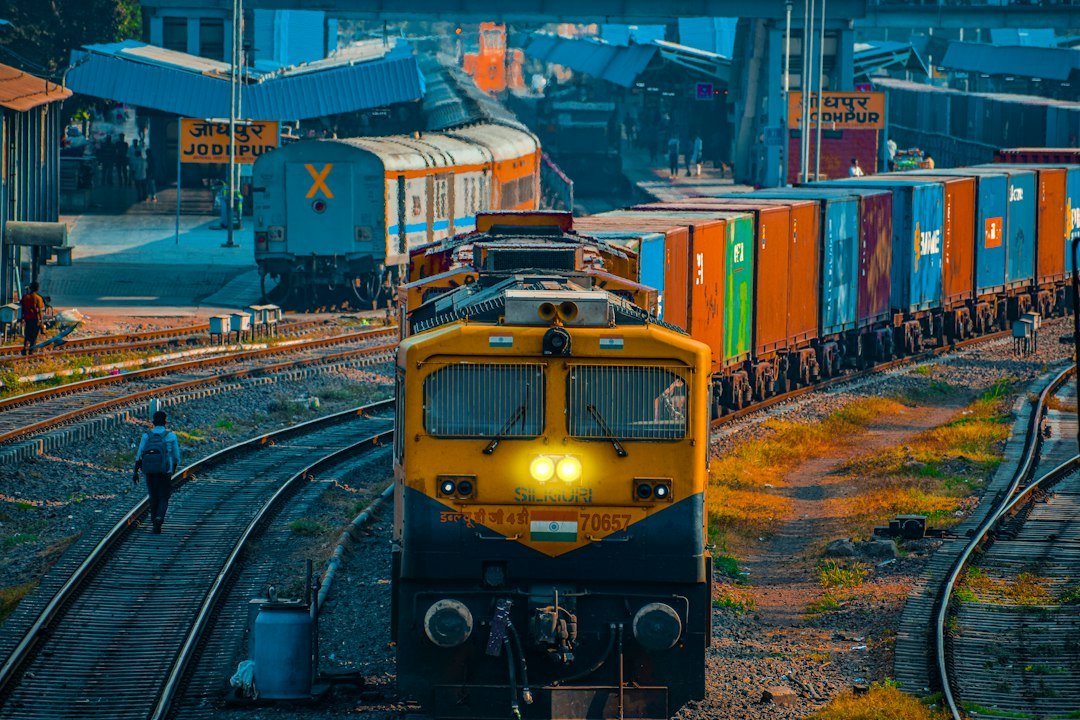
A second, separate push targeted Pakistan’s older and better-known crossing into Iran. Under a customs notification numbered SRO1055 of 2026, the FBR declared the Taftan railway station — spanning 11.75 acres — a land customs station authorised to handle the loading, unloading and clearance of imported and exported goods. The move is meant to let cargo move between the two countries by rail rather than road at a crossing that has historically run well below its potential despite being Pakistan’s primary land gateway to Iran. Officials and trade analysts have pointed to repeated but unmet pledges to lift Pakistan-Iran bilateral trade toward $5-10 billion as the backdrop for the station’s revival; actual trade has remained a fraction of that figure for years, hemmed in by logistical bottlenecks and regulatory gaps on both sides of the border.
Declared on Paper, Still Mostly Empty on the Ground
The gap between notification and actual traffic is the recurring theme in this story. As of May 2026, trade monitors reported that the six routes linking Karachi, Port Qasim and Gwadar to Gabd and Taftan remained non-operational despite the April order, months after they were announced. Pakistan’s formal exports to Iran had declined sharply since sanctions tightened around 1999 and had, by some measures, remained effectively at zero in recent years; officials have described the current push as the first real opportunity in decades for exports to Iran to reappear in Pakistan’s official trade data. By June, the FBR had revised the framework again, citing the security situation around the Strait of Hormuz, designating Karachi’s Directorate General of Transit Trade as the lead authority overseeing cargo movement and formally authorising cross-stuffing of Iran-bound cargo at ports and off-dock terminals.
Why Gwadar Needs an Overland Leg
The overland push is not a separate story from Gwadar’s port ambitions; it is arguably the missing half of the same one. Pakistan’s pitch to the Economic Cooperation Organization this month framed Gwadar and Karachi as maritime gateways for landlocked Central Asian states such as Uzbekistan, Kazakhstan and Tajikistan — but a gateway only matters if cargo can actually reach it, or leave it, by land. A research paper covered on this site last week found Gwadar Port running at under 1 percent of its designed throughput, a gap that reflects thin shipping volumes as much as weak inland connectivity. Land routes through Iran offer a way to route Central Asia-bound cargo around Afghanistan, where deteriorating security and strained relations with the Taliban administration have pushed Pakistani planners to look for alternatives, making the Gabd and Taftan crossings a more active piece of Gwadar’s hinterland strategy than their modest shipment volumes so far would suggest.
The Risks That Have Stalled Similar Plans Before
None of this is guaranteed to stick. Balochistan’s security situation, which has already shaped how CPEC’s current phase is being managed — including through the security-cooperation arrangements Islamabad and Beijing agreed under CPEC 2.0 — applies just as directly to convoys moving through remote desert stretches of Turbat, Panjgur and Dalbandin as it does to the port itself. Pakistan’s own trade bureaucracy has a documented habit of notifying routes that then sit idle for months, as the six corridors named in April did before the Gabd-Rimdan crossing produced its first shipment. And Pakistan’s engagement with Iran carries its own external complications, given continuing Gulf tensions and the sanctions regime Tehran still operates under. For now, the corridor exists mostly as a single successful shipment, a reactivated railway station, and a set of mapped routes still waiting for traffic to catch up with the paperwork.
FAQ
What is the Gabd-Rimdan border terminal?
Gabd-Rimdan is a border crossing between Gabd in Pakistan’s Balochistan province and Rimdan in Iran’s Sistan-Baluchestan province. Pakistan’s National Logistics Corporation activated it in April 2026 for containerised and refrigerated cargo under the international TIR transit system, and it has since handled at least one shipment of frozen meat routed from Karachi through Iran to Uzbekistan.
How many new trade routes has Pakistan designated between Gwadar and Iran?
A transit order issued in April 2026 designated six land routes linking Gwadar, Karachi and Port Qasim to Iran through border crossings at Gabd and Taftan, passing through interior Balochistan towns such as Turbat, Panjgur, Khuzdar, Quetta and Dalbandin. As of mid-2026, most of these routes remained non-operational despite the formal designation.
Is Pakistan-Iran trade actually increasing because of these routes?
Officially, growth so far is modest. Pakistan’s formal exports to Iran had stayed near zero for years after sanctions tightened around 1999, and trade monitors reported the newly notified routes were still not operational as of May 2026. The Gabd-Rimdan crossing’s first shipment and the new Taftan rail customs station mark early, concrete steps, but bilateral trade remains far below the $5-10 billion figures officials have floated as a target.
Sources: Business Recorder, “Pakistan operationalises new transit trade corridor through Iran via Gabd-Rimdan border terminal”; The Express Tribune, “Pakistan allows transit of foreign goods to Iran through its territory” and “Pak-Iran trade gets boost with Taftan customs station”; Dawn, “Pakistan notifies six land routes for sending goods to Iran” and “Taftan formalised for trade with Iran”; Profit by Pakistan Today, “Pakistan’s new Iran transit trade routes remain non-operational despite official notification” and “FBR tightens Pakistan-Iran cargo transit rules amid Gulf security concerns”; Daily Times, “Iran-Pakistan trade to be boosted through Taftan railway station”; Gwadar Post’s earlier coverage of the ECO chairmanship push and Gwadar Port’s capacity utilisation.