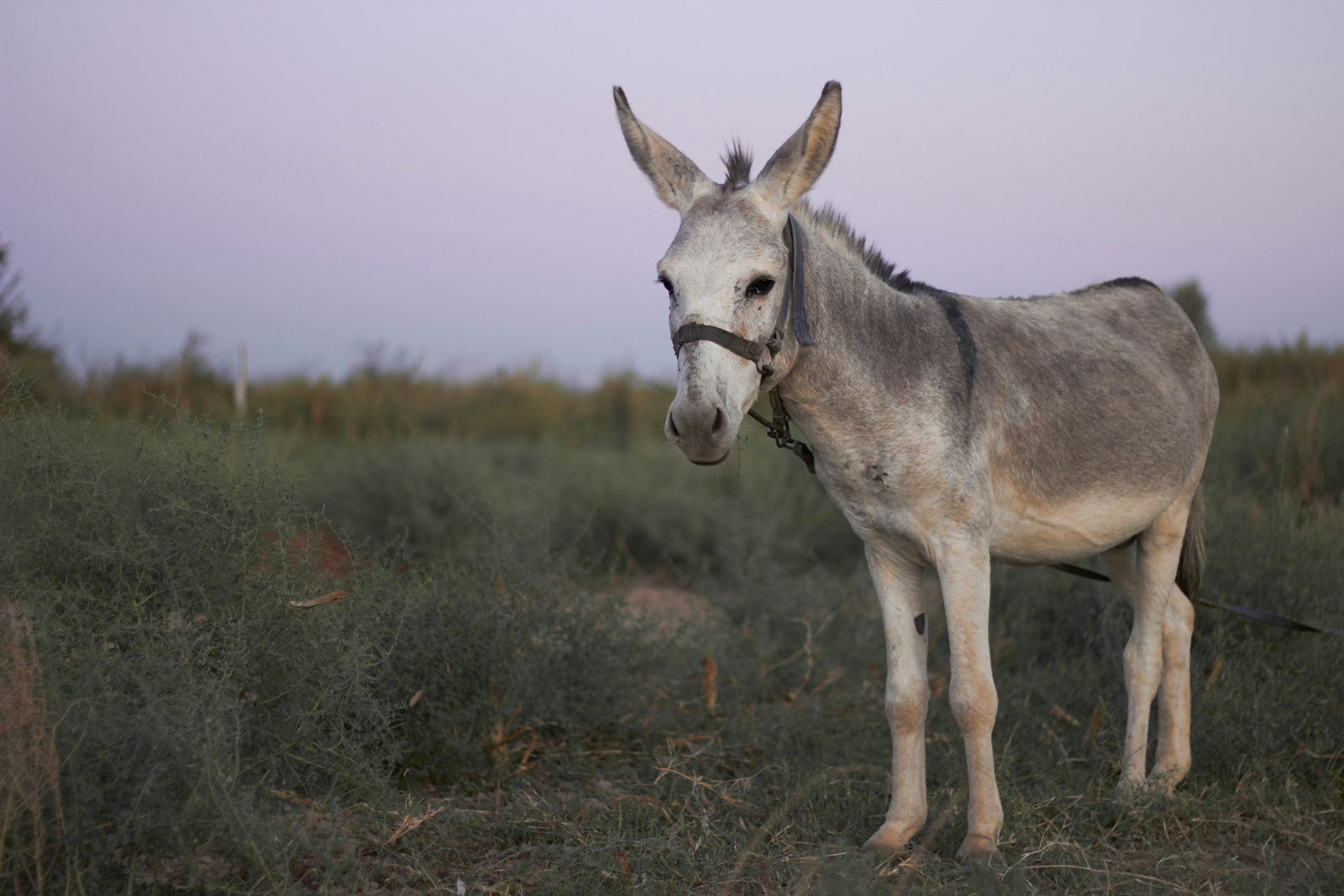
A Chinese company operating inside Gwadar’s North Free Zone shipped 81 tonnes of frozen donkey meat, bones and hides to China over the past week, in three separate 27-tonne consignments, according to a report carried by Gwadar Pro and picked up by Daily Independent on October 10. The shipments are the latest, and by far the largest single batch, in a trade line that has quietly grown since Pakistan’s first cargo of donkey meat left Gwadar for China just three months ago.
The exporter, Hangeng Trading Enterprise, runs Pakistan’s first large-scale donkey slaughterhouse and processing plant, built inside the Gwadar Free Zone at a cost of $50 million. Company officials told Gwadar Pro that all three consignments met Pakistani and Chinese customs, quarantine and export-protocol requirements before leaving, and that the meat was kept frozen throughout. Under the terms the company operates on, none of the processed product is permitted to enter Pakistan’s domestic market – it must leave the free zone by air or sea only, bound for China.
Three Shipments, One Growing Trade Line
The 81-tonne batch is roughly double the size of the combined shipments that opened this trade route in July. Industry coverage at the time recorded a first consignment of 27.5 tonnes net, worth $66,060, that left Gwadar on July 5, followed four days later by a second of 67.07 tonnes net worth $129,356 – together valued at close to $195,425. That July 9 shipment cleared customs at Tianjin Port, and a Hangeng official described it at the time as the first food product manufactured in the Gwadar Free Zone to reach the Chinese market, crediting the milestone to progress under the second phase of the China-Pakistan Economic Corridor.
October’s three consignments were not individually priced in available reporting, but at a comparable per-tonne value to the July shipments, 81 tonnes would represent Hangeng’s single largest export run since it began shipping. Whether the company can sustain that pace through the rest of the year is now the open question hanging over a trade line that, on current numbers, has already moved close to 180 tonnes of donkey meat and by-products out of Gwadar since July.
How a Niche Export Became Policy
The trade did not happen by accident. Pakistan and China finalised export protocols for donkey meat and hides back in 2024, and Islamabad later amended its own export policy to permit shipments only from approved slaughterhouses inside the Gwadar Free Zone – a restriction meant to keep the by-products out of domestic food and leather markets. The federal government’s Economic Coordination Committee, chaired by Finance Minister Muhammad Aurangzeb, formally approved exporting donkey meat and hides to China through Gwadar Port at its April 27 meeting, acting on a summary from the Food Security Division that cleared existing inventory for disposal under the agreed protocols.
Hangeng’s $50 million slaughterhouse, built in the Gwadar North Free Zone, broke ground on May 4, 2024, when Federal Minister for Maritime Affairs Qaiser Ahmed Sheikh inaugurated the site alongside the wider Agriculture Industrial Park. It began operations the following year and sent its first shipment abroad in July 2026.
Why China Wants Pakistan’s Donkeys
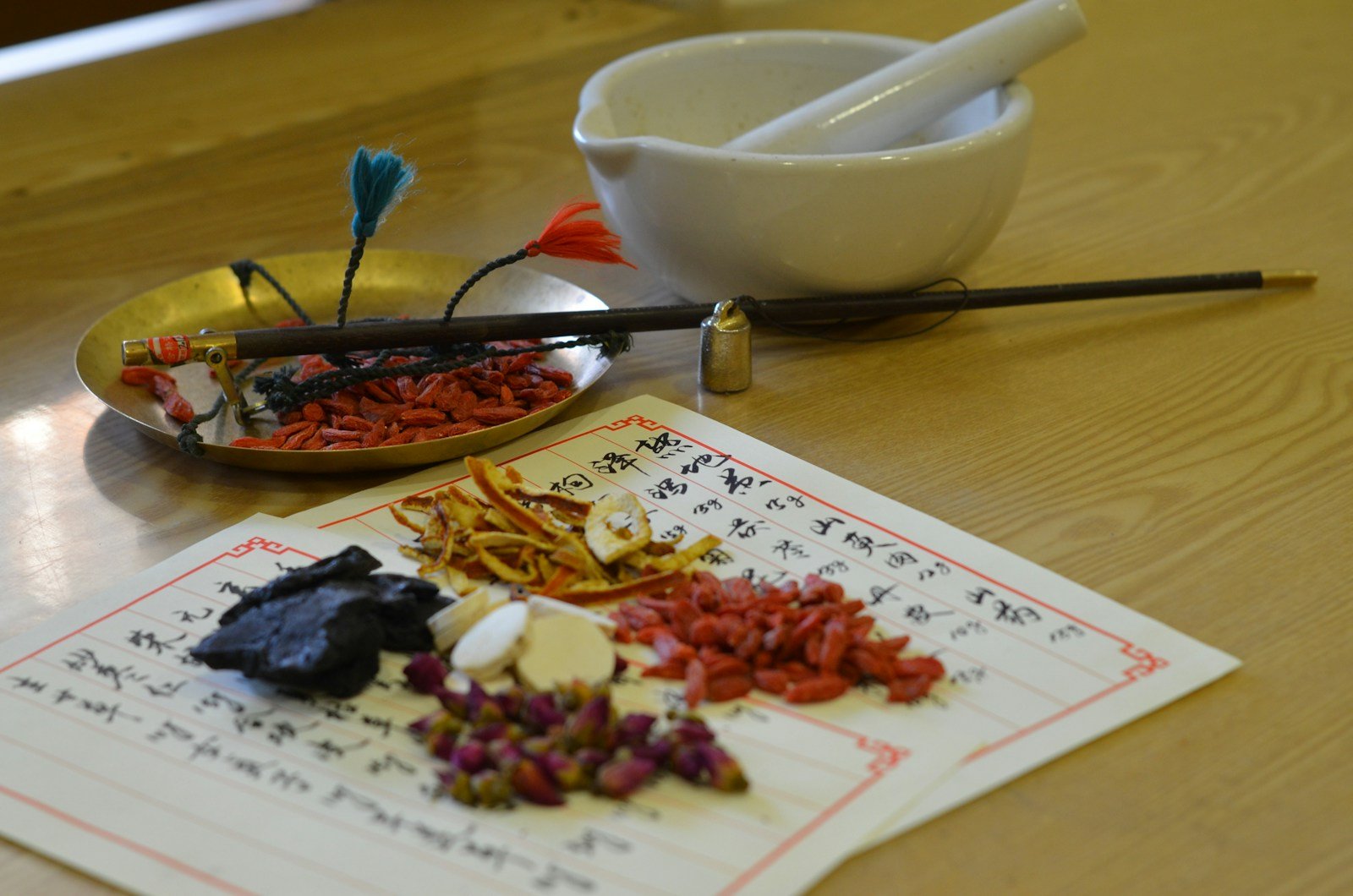
The demand side of this trade is specific and longstanding. Donkey hides are the principal raw material for ejiao, a gelatin derived from donkey-hide collagen that has been used in traditional Chinese medicine for centuries and remains a sought-after ingredient in health tonics and cosmetics across China. China’s own donkey population has shrunk for decades as mechanisation reduced the animal’s role as farm labour, pushing processors to look abroad for supply, including to Pakistan, Africa and Central Asia.
Pakistan is well placed to meet that demand. The country is estimated to hold around 5.8 million donkeys, among the largest populations of any country in the world, concentrated heavily in Punjab, Sindh and Balochistan. Supporters of the trade, including officials at the Ministry of National Food Security and Research and Pakistan’s CPEC Authority, have framed it as a way to turn an underused rural asset into a foreign-exchange earner, while channelling the processing itself – and the jobs that come with it – through Gwadar rather than leaving it informal or unregulated.
Part of Gwadar’s Wider Investment Pitch
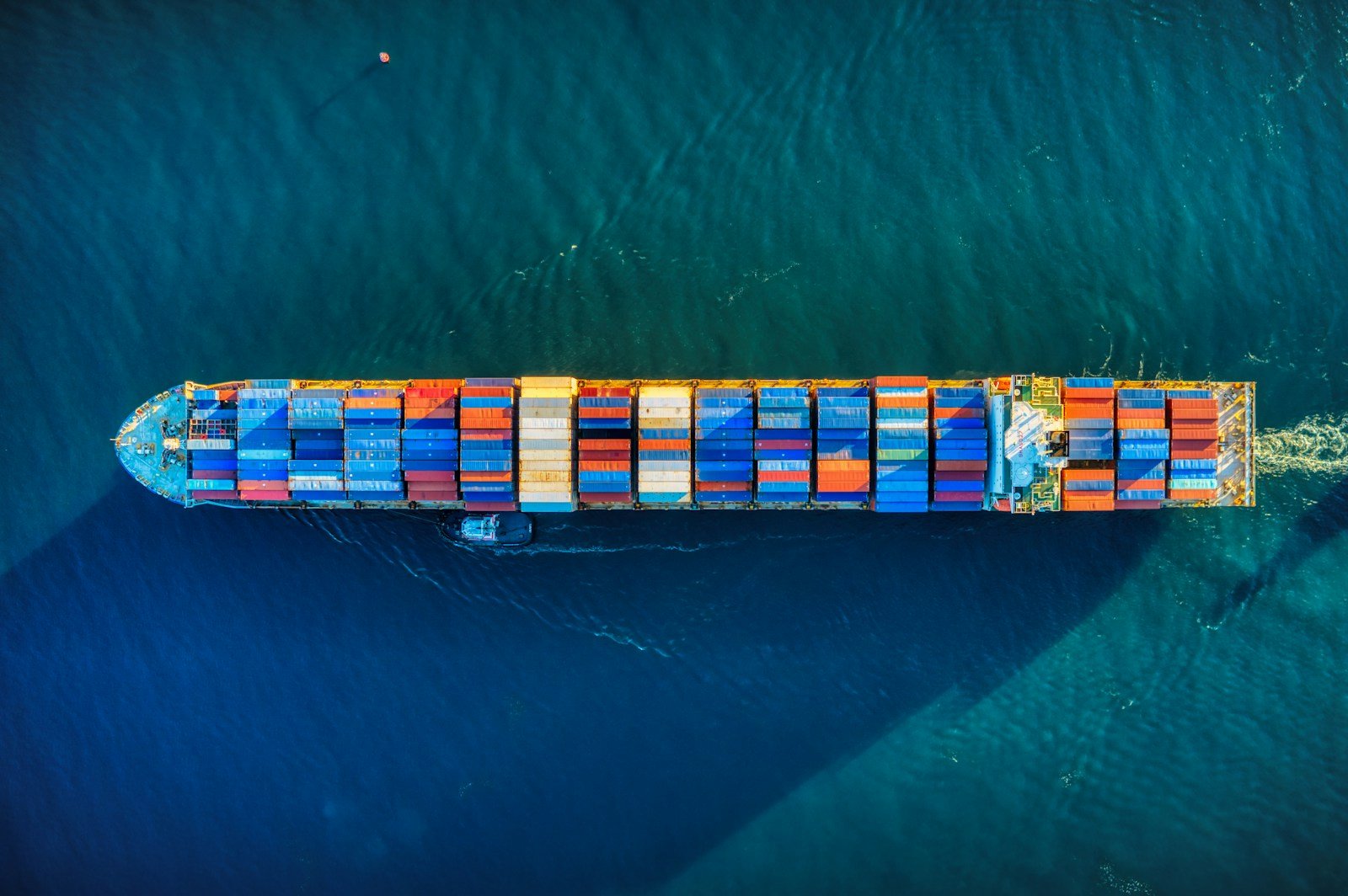
Hangeng’s plant is one of the more unusual entries in a free zone whose pitch has mostly centred on larger, higher-profile industries. It sits alongside the tax incentives and LNG-terminal ambitions GwadarPost detailed in the Gwadar Free Zone, and officials have folded the slaughterhouse’s export milestones into the same CPEC-progress narrative driving the broader pivot toward investment-led projects under CPEC 2.0. It also depends, like every other export line through the port, on exactly the kind of overland and sea transit efficiency that Gwadar Port Authority and Pakistan Customs have been trying to iron out for cargo moving toward Iran – a reminder that even a niche trade like this one rides on the same port infrastructure and customs processes as everything else moving through Gwadar.
For a free zone still working to attract larger anchor tenants, a steadily growing, if small, export line already clearing customs and generating repeat shipments is a concrete data point rather than a pitch deck projection. Whether Hangeng’s October volumes mark a new, higher baseline or a one-off peak will depend on whether the company reports another shipment before the end of the year.
What to Watch Next
Neither Gwadar Pro nor Daily Independent‘s report gives a breakdown of how the 81 tonnes split between meat, bones and hides, nor a dollar value for the October shipments. The clearer markers to watch are whether Hangeng publishes a fourth shipment in the coming weeks, whether the company’s reported export volumes keep rising past October’s total, and whether other investors use this trade line’s customs and quarantine track record as a reason to bring similar agro-processing ventures into the free zone.
Sources
This report draws on an October 10, 2026 report by Daily Independent, citing Gwadar Pro, on Hangeng’s three October consignments; Dawn’s April 28, 2026 report on the Economic Coordination Committee’s approval of donkey meat and hide exports through Gwadar Port; ProPakistani’s July 15, 2026 report on the first Gwadar Free Zone shipment to clear customs at Tianjin Port; and The Daily CPEC’s July 13, 2026 report detailing the value and weight of the two July consignments, alongside GwadarPost’s own prior reporting on the Gwadar Free Zone, CPEC 2.0 and Gwadar Port’s customs arrangements, linked throughout this article.