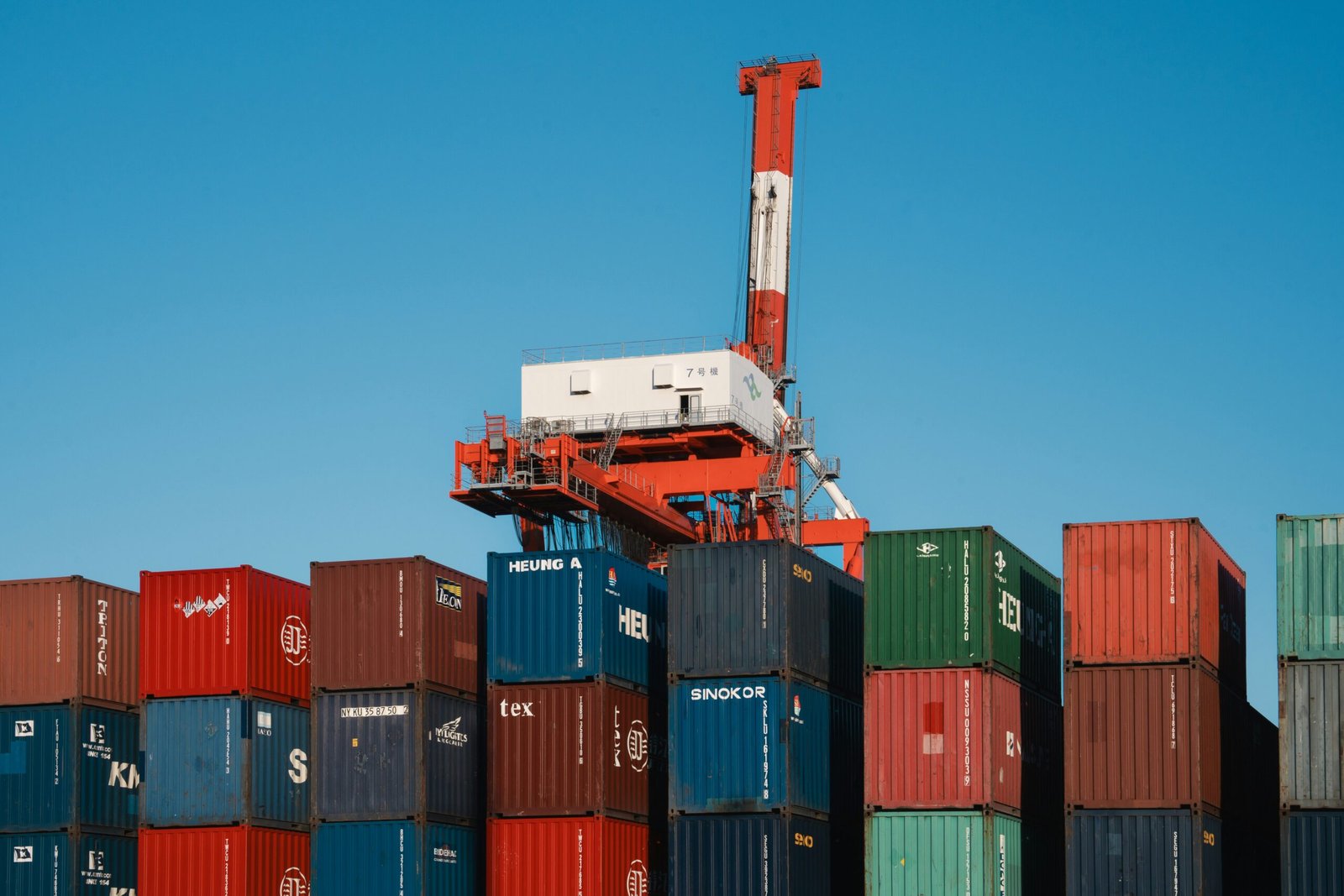
Gwadar Port Authority (GPA) Chairman Noorul Haq Baloch has pushed back publicly against a narrative he says keeps resurfacing in Balochistan’s trade circles: that Gwadar Port is being deliberately kept idle. Speaking to business representatives in Quetta on September 24, Baloch described the perception as “baseless and contrary to facts,” laying out a case built on discounted port charges, a new overland route to Central Asia, and fresh transit trade with Iran.
The rebuttal lands at a moment when Gwadar’s performance is under unusually close watch. The port has posted a cargo surge tied to disruption in the Strait of Hormuz, and a Rs280 billion master plan for the wider port city was approved just last week. Yet by regional standards Gwadar remains small: it operates three functional berths against roughly 40 at Karachi Port, and its annual throughput has historically run in the thousands of TEUs against a designed capacity of 100,000, according to figures reported in The Friday Times. That gap between ambition and current volume is precisely what critics point to, and what Baloch spent Wednesday’s meeting arguing against.
The Case Baloch Is Making
According to a report by the Daily Independent, Baloch told the gathering that Gwadar now offers port charges that are competitive with regional rivals, and that “domestic and foreign investors were approaching the authority to learn about investment opportunities.” He pointed to two specific trade corridors as evidence that the port is being actively positioned for growth rather than left to idle.
A 2,700-Kilometre Route to Tashkent
The first is what officials are calling the “Blue Gold Route,” a roughly 2,700-kilometre road corridor linking Gwadar to Tashkent, the capital of Uzbekistan. Landlocked Central Asian states have long been a target market for Gwadar’s planners, who argue the port offers a shorter path to the Arabian Sea than existing routes through Iran or Russia. Baloch cited the route as a concrete example of the connectivity the authority is building out, rather than a plan still on paper.
The Gabd Corridor Into Iran
The second is the Gabd Border Terminal, a transit crossing into Iran that Pakistan formally operationalised earlier this year as an alternative to routes through Afghanistan. The corridor gained fresh relevance after the Strait of Hormuz saw repeated disruption, pushing some cargo onto overland routes through Balochistan. Baloch presented Gabd as part of the same push to widen Gwadar’s catchment area beyond Pakistan’s own borders.
Free Zone Incentives Still the Centrepiece
Tax breaks at the Gwadar Free Zone remain the authority’s strongest selling point for investors weighing where to locate. Baloch reiterated that businesses setting up inside the zone receive a 23-year exemption from taxes, along with land offered at rates the authority describes as below market. The pitch is aimed squarely at manufacturers and trading companies that might otherwise locate in Karachi or across the border in the UAE.
Officials have made similar arguments before, including around a round of tariff cuts announced earlier this year that reduced berthing fees for container ships by 25 percent and cut charges on international transhipment cargo by as much as 40 percent. Wednesday’s meeting suggests the authority still sees pricing and Free Zone incentives, rather than new mega-projects, as its main lever for the next phase of growth.
Desalination Capacity Enters the Pitch
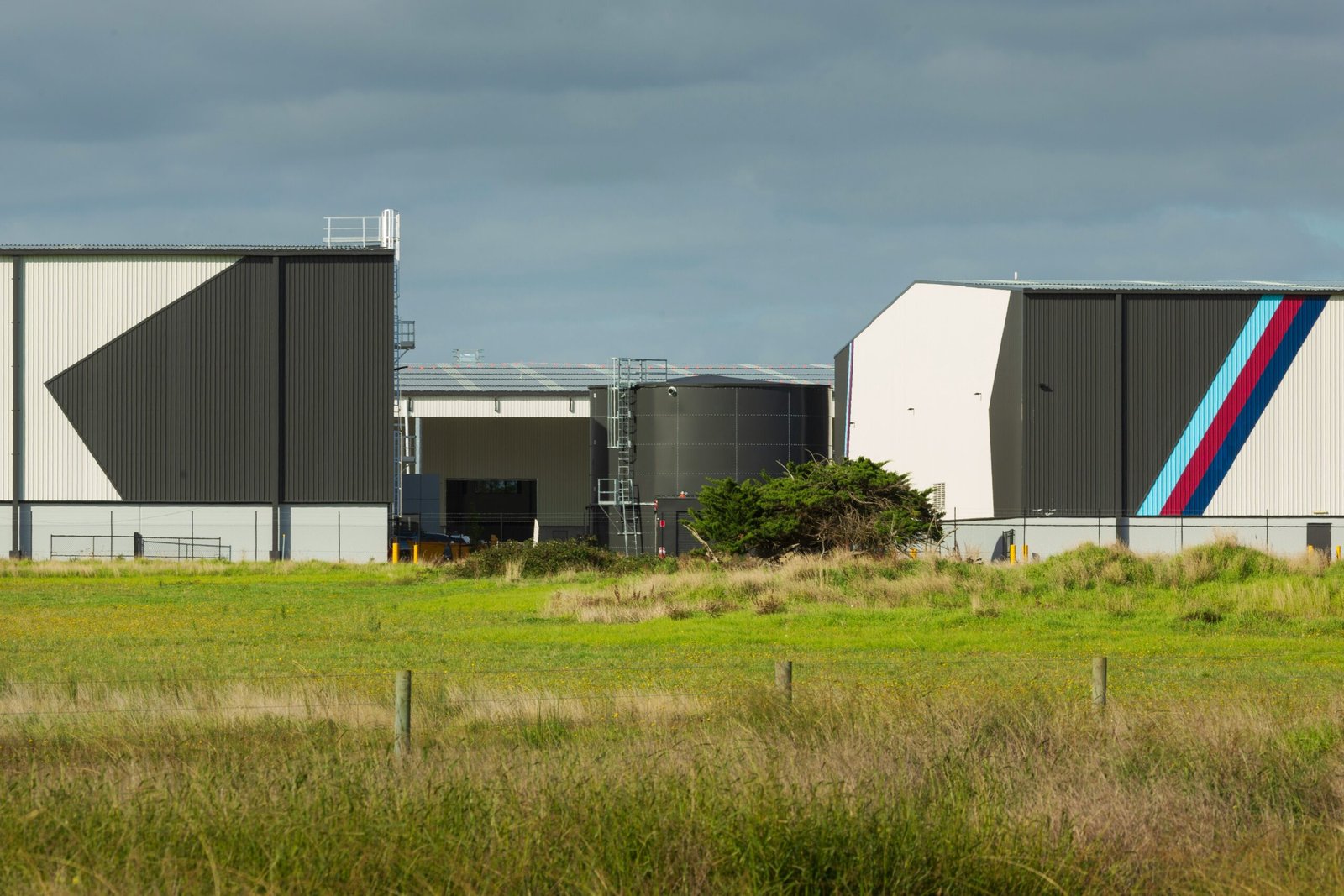
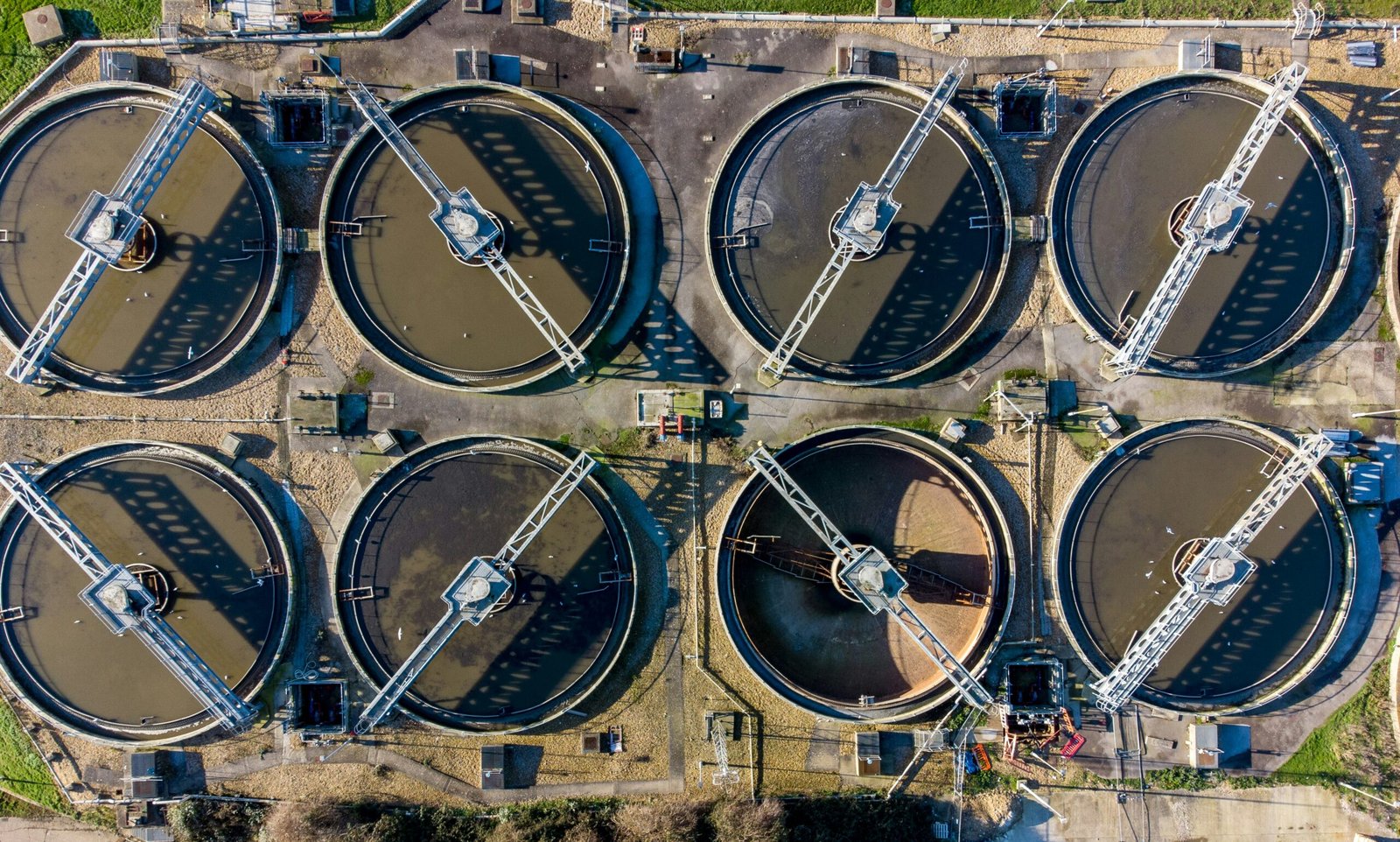
Baloch also folded Gwadar’s water infrastructure into his case, telling the meeting that a seawater desalination plant serving the port city now has the capacity to supply 1.2 million gallons of potable water a day. Water security has been one of Gwadar’s most persistent constraints on both residential life and industrial growth, and the city’s turnaround from chronic shortages to a steadier supply has been one of the few uncontested successes officials can point to when making the case that the port city is functioning, not stalling.
What the Business Community Is Asking For
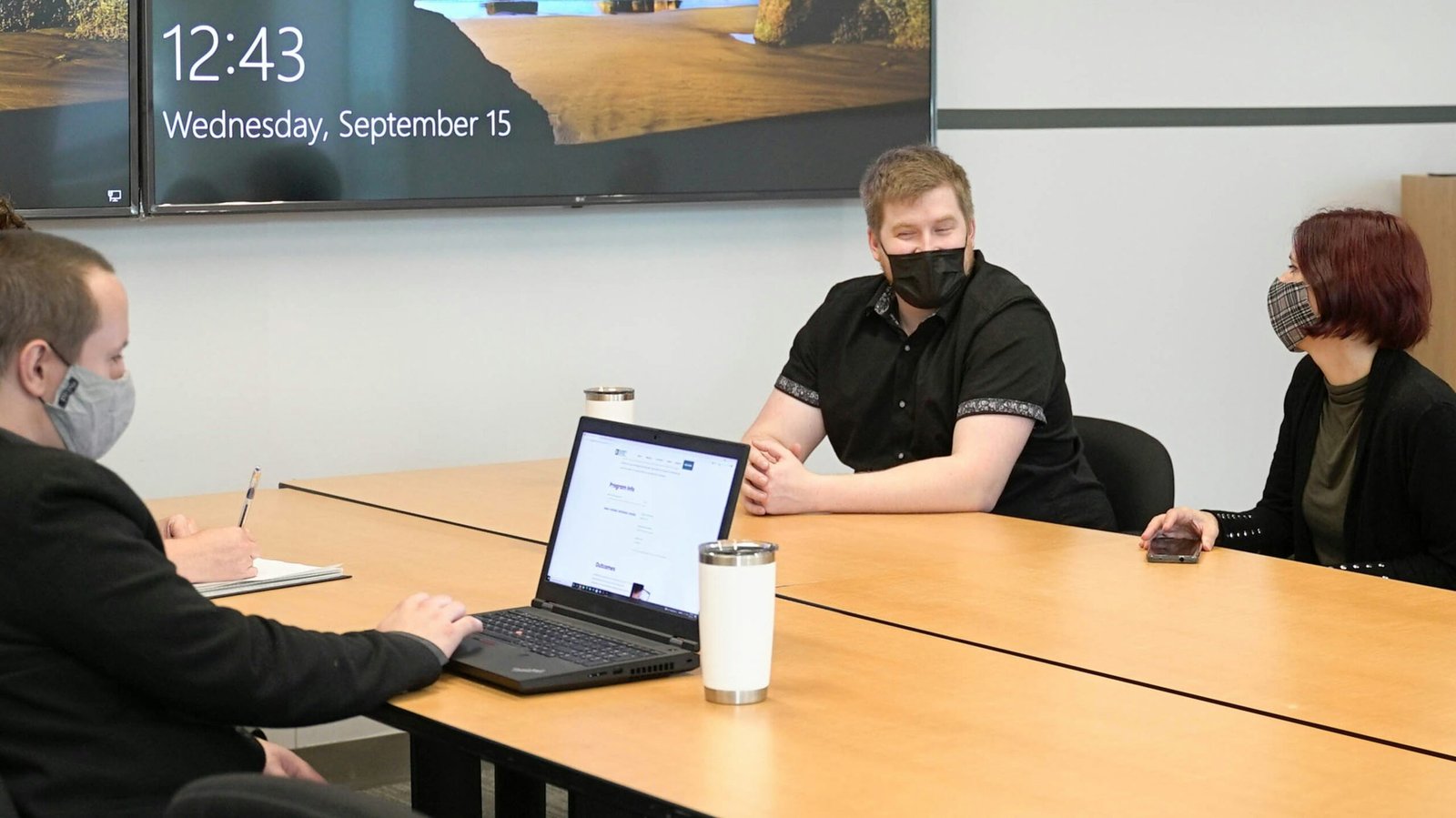
The meeting was not one-sided. Chamber representatives, including its president, Haji Muhammad Ayub Mariani, and senior vice president, Haji Akhtar Kakar, used the session to press the authority on consistency rather than announcements. Their requests, as reported by the Daily Independent, centred on predictable policies, transparent procedures for allocating land, and priority access for local Balochistan-based businesspeople over outside investors competing for the same Free Zone plots.
That request reflects a recurring complaint in Gwadar and Quetta business circles: that incentives on paper have not always translated into land or contracts reaching local firms first. In response, the chamber and the port authority agreed to run joint awareness programmes explaining Free Zone benefits to smaller local businesses, and to set up a dedicated Gwadar office to handle trader queries directly rather than routing them through Quetta.
Why the “Idle Port” Question Keeps Coming Back
Gwadar’s underlying numbers explain why scepticism persists even as officials point to positive trends. The port’s three operational berths compare with roughly 40 at Karachi, and while cargo activity has picked up sharply this year, partly on the back of Hormuz-related rerouting and CPEC’s expanding footprint, throughput still sits well below the port’s designed capacity. Regional competition adds to the pressure: Pakistan has separately discussed developing the nearby port of Pasni, and a sister-port arrangement with Oman’s Sohar port shows Islamabad is actively diversifying its options along the same coastline rather than betting solely on Gwadar.
Security remains the other variable officials rarely address directly in these pitches. Pakistan has built a Special Security Division of more than 15,000 personnel dedicated to protecting Chinese nationals and CPEC infrastructure after a series of attacks on Chinese workers elsewhere in the country, a reminder that investment decisions in Gwadar are shaped by more than tariffs and tax holidays.
For now, the authority’s position is that the fundamentals, cheaper port charges, new road and rail-adjacent corridors, tax-free zones, and a stabilised water supply, are in place, and that translating them into higher throughput is a matter of time rather than intent. Whether traders in Quetta and Gwadar accept that argument, or continue pressing for guarantees on land and process before committing capital, is likely to shape how the port’s next set of cargo numbers are read.
Frequently Asked Questions
What did the Gwadar Port Authority chairman say?
Noorul Haq Baloch said claims that Gwadar Port is being deliberately kept inactive are “baseless and contrary to facts,” citing competitive port pricing, new trade corridors, and Free Zone incentives as evidence the port is being actively developed.
What is the Blue Gold Route?
It is a roughly 2,700-kilometre road corridor connecting Gwadar to Tashkent, Uzbekistan, intended to give landlocked Central Asian markets a shorter path to the Arabian Sea.
What is the Gabd Border Terminal?
Gabd is a transit crossing point between Pakistan and Iran, formally operationalised this year to give cargo an overland route that does not depend on transit through Afghanistan.
What tax incentives does the Gwadar Free Zone offer?
Businesses operating inside the Gwadar Free Zone receive a 23-year exemption from taxes, along with land offered at rates below prevailing market prices, according to the port authority.
What are local traders asking for?
Chamber representatives asked the port authority for consistent policy, transparent land-allocation procedures, and priority access for local Balochistan-based businesses over outside investors.